
Prepare phone access, a tested payment app and the first hotel’s Chinese address before a China arrival. Keep a physical card, cash and transfer details offline. The aim is to reach the room even if data, SMS or payment fails.
The airport arrival scene above is an illustration. This guide covers the setup and arrival sequence; use the China payments guide for payment choices and the train booking guide for rail procedures.
Build a small set of tools around the tasks you will actually do
| Task | Useful tool or information | Backup |
|---|---|---|
| Contact your hotel or driver | A working messaging or calling method and the correct country code. | A saved local phone number and written meeting instructions. |
| Pay a shop or restaurant | A supported mobile wallet with your own card or permitted funding method. | RMB cash and a physical card where accepted. |
| Find a hotel entrance | A map pin plus the Chinese name, street address and branch. | An offline address card to show staff or a licensed taxi driver. |
| Take a train | A confirmed booking with the correct passport details and station. | Offline reservation details and access to the railway’s staffed assistance. |
| Order food or explain a need | A translation tool and a short written dietary statement. | A hotel or guide contact able to help with a difficult conversation. |
Which apps should I actually install?
| Function | Starting option | Set it up for |
|---|---|---|
| Everyday payment | Alipay or WeChat Pay; compare Nihao China if you need another option. | Your own supported funding method and a small merchant purchase. |
| Contact | WeChat where your hotel or driver uses it, plus a working phone number. | The exact contact and an agreed fallback if messages fail. |
| Maps | AMap Global, using the Chinese name and pin supplied by the hotel. | The actual entrance, station and collection point. |
| Ride-hailing | The DiDi China app or a supported in-app service. | Your account, payment method, pickup point and destination. |
| Rail | China Railway 12306 or a booking service you understand. | Correct passenger document, station and issued reservation. |
| Translation | A translation app with the language functions you need. | A downloaded language pack where offered and saved essential phrases. |
Use the publisher’s current listing: DiDi China describes its visitor and payment options, while Amap’s announcement explains the international app. Interface and store availability can differ by device and region. Install from the official publisher or trusted app store rather than an APK linked in a travel comment.
1. Keep mobile data and security messages working
Check the phone and SIM plan’s actual features: unlocked device, SIM or eSIM support, data, local number, calls and SMS. A data-only service may not receive bank verification. Keep access to the issuer’s usual number or app.
Install the essential tools before departure and try their logins. Save hotel and transfer details and an available Chinese translation pack. Keep cable and battery ready so a remote arrival is no first test of the account.
2. Set up payment, then test the right kind of transaction
China’s official visitor payment guidance covers mobile wallets, bank cards, ATMs and cash. For daily spending, set up the wallet you plan to use with a supported card and complete any identity steps requested in the app. Use your own document and card details, with names entered as instructed. A card appearing in the app is useful progress, but it does not prove that every merchant or transaction type will work.
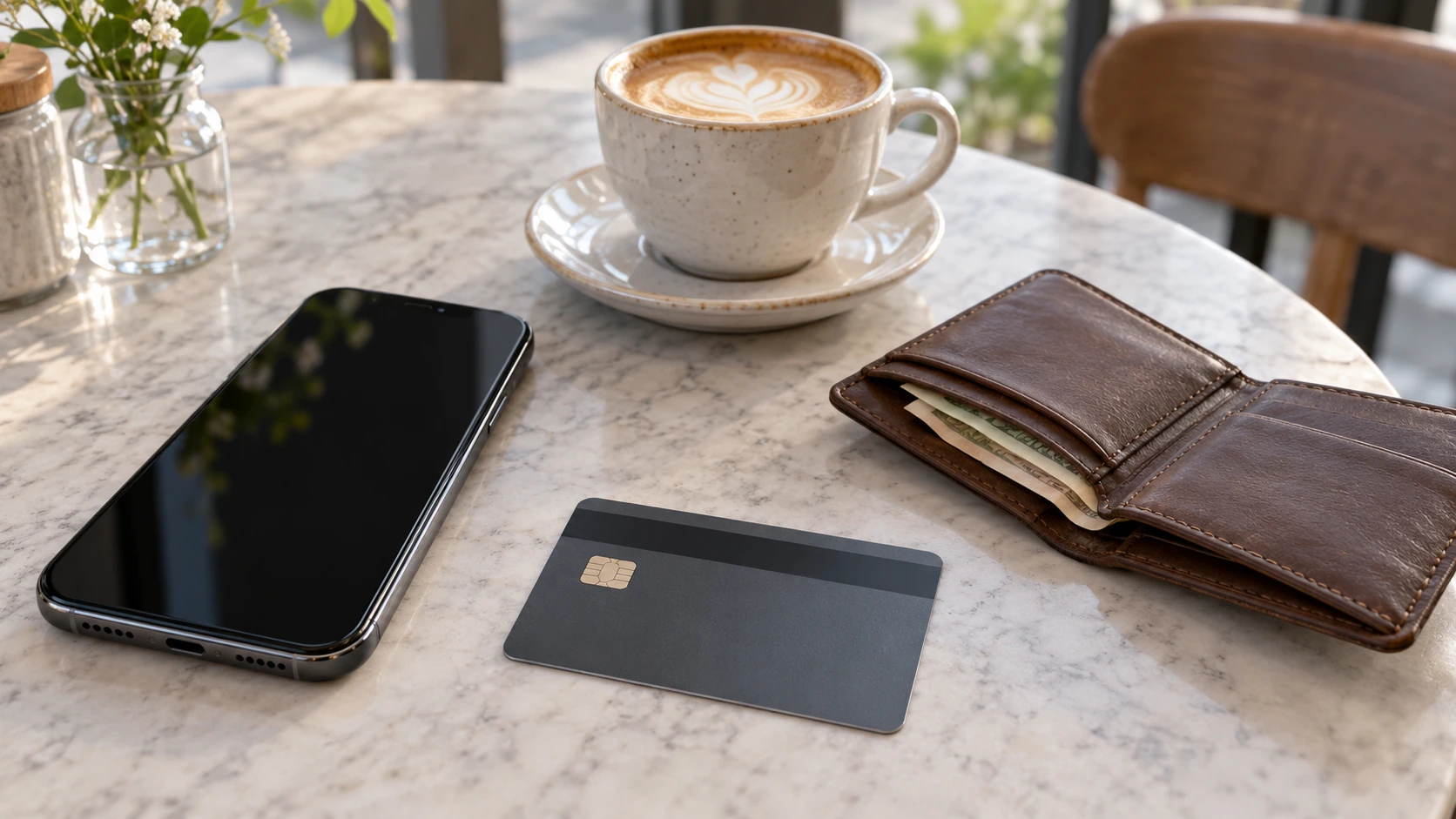
After arrival, test a small business payment while there is time. Check both app and merchant receipt. Personal transfers and collection codes are different functions. Keep account verification within official channels and your own control.
| What goes wrong | Try this first | Keep moving with a backup |
|---|---|---|
| Identity setup cannot finish | Read the exact message; check the document image, name fields and the app’s official support instructions. | Use an available card or cash option while resolving the account issue. |
| No bank security code arrives | Check which number or banking app the issuer is using and whether you can receive its approval request. | Try another supported card of your own or a different payment method. |
| One QR code does not accept your payment | Ask whether it is the merchant’s business payment code and check the selected funding source. | Ask the merchant for another accepted method; do not assume the whole wallet is broken. |
| The payment looks stuck | Look at transaction history and ask the merchant whether it arrived before trying again. | Keep the transaction reference so duplicate or failed charges can be traced. |
| The phone has no connection or power | Restore the connection or charge the device somewhere appropriate. | Use your saved address and physical payment backup. |
Check the fee and exchange-rate information shown for your own transaction before authorising it. Promotional waivers, wallet charges and card-issuer charges can differ, so a fee remembered from an old travel post may not apply. Keep enough flexibility to change payment method rather than repeatedly attempting a large purchase that the issuer keeps declining.
3. Make the address useful to someone who has not seen your booking
Save the Chinese hotel name, branch, address and telephone together. Include the actual vehicle stop and bag assistance where the road ends. A translated name alone can lead to another branch.
For an old-town guesthouse in Dali, Lijiang or Shaxi, ask the property to describe the final walk: paving, steps, distance and who helps with bags. Confirm both arrival and departure. A promise of “pickup” may mean meeting at a road junction rather than carrying all your luggage to an upstairs room. See Lijiang accommodation and vehicle access for a more detailed comparison.

4. Use a simple arrival sequence
| Stage | Do this | Before leaving the area |
|---|---|---|
| After landing | Complete the arrival formalities, collect luggage and restore your agreed contact method. | Tell the driver or hotel if a delay changes the meeting time. |
| Before transport | Find the official transport point or the precise prearranged pickup location. | Check the destination, vehicle and payment arrangement. |
| At the hotel | Show the booking and the travel document required for registration. | Confirm breakfast, the next pickup and any luggage or access needs. |
| During a quiet first outing | Test navigation and a small merchant payment. | Save the route back and keep enough battery and backup money. |
Do not combine a late international arrival with a distant village transfer and an important prepaid activity. Immigration, baggage and finding the meeting point are variable parts of the journey. For a first night in Kunming, a short local meal and rest may be more useful than another attraction. For onward travel elsewhere in China, apply the same rule: the first hotel should make arrival easier.
5. Book trains using the exact station and passenger details
Use China Railway 12306’s official guidance for documents and booking procedures. Check the departure station character by character against the ticket; a city can have more than one station. Save the service, date, seat details and the original document you used. If an automated gate cannot read your document, follow staff instructions and use the staffed route rather than repeatedly trying the same gate.
Do not treat published train time as the complete door-to-door journey. Add hotel transfer, station entry, security, waiting and transport at the other end. With children, heavy luggage or a transfer from an airport, leave more margin. If the railway part is not confirmed yet, avoid paying for a tightly timed host appointment at the destination.
6. Carry practical information that translation cannot infer
Prepare a short note for any serious allergy, mobility requirement or essential food standard. State what matters about ingredients, broth, sauces and shared preparation. “Vegetarian,” “no pork” and “halal” are not interchangeable. A translation tool can help communicate the request; it cannot establish how a kitchen prepares food. If the business cannot meet your needs, choose another meal arrangement.
Keep a separate note with your hotel and emergency contact details. Store passport and payment data securely and submit them only through the relevant official service when required. A public travel comment is not a place to post a passport image, full booking reference, bank card or security code.
Check entry and airline requirements separately
App setup does not establish permission to enter China. Check the requirements for your nationality, travel document, route and purpose using official visitor information and the relevant immigration or consular authority before buying inflexible travel. Check your airline’s baggage and battery rules as well, including the rules for any domestic flight. Keep the documents needed for your own journey accessible; another traveller’s visa-free experience may involve a different passport or route.
Questions before a first visit
Do I need several payment apps? Start with one suitable option and a genuinely independent backup. Installing many apps at the airport without finishing any setup may make the first day harder. Nihao China is another option to compare, with its own supported functions and terms.
Can I travel without doing everything on my phone? You can arrange help with selected bookings and transfers, but specify what is covered. Keep written addresses, documents and a payment backup rather than assuming a guide is present every hour.
Should I copy someone’s app screenshots step by step? Use the current official instructions. Menus, eligible cards and offers change; follow the function you need and the message shown in your own account.
Plan the practical details
Share your arrival airport and time, first hotel, onward city, luggage count and the steps you would like help arranging. Verotrip can include the relevant pickup and travel arrangements in your proposal; payment-account or bank problems should be handled with the official provider. Send your trip details to Verotrip for a written route proposal. Ask for transport, guiding, activities, meals and exclusions to be listed before you book.
Related Journeys to Compare
These existing routes offer starting points for the region or travel interests discussed above. Read the full daily itinerary to see what is included. A visit described in this guide, a specialist session or an international border crossing is added only when confirmed in your own programme.
- 8-Day Shanghai, Xi’an and Beijing Small Group Tour
- 8-Day Relaxed Yunnan Private Tour: Kunming, Dali & Lijiang
Ask Verotrip to plan the visits you want.
Frequently asked questions
How should I arrange arrival, transport and the return?
Do not combine a late international arrival with a distant village transfer and an important prepaid activity. Immigration, baggage and finding the meeting point are variable parts of the journey. For a first night in Kunming, a short local meal and rest may be more useful than another attraction.
Which costs and services should I check separately?
Check the fee and exchange-rate information shown for your own transaction before authorising it. Promotional waivers, wallet charges and card-issuer charges can differ, so a fee remembered from an old travel post may not apply. Keep enough flexibility to change payment method rather than repeatedly attempting a large purchase that the issuer keeps declining.