An Everest visit on Tibet’s north side is a road-based high-altitude journey to the authorised tourist area, not a mountaineering expedition or the Nepal-side base-camp trek. Choose it for the landscape and the journey, with a clear plan for sleeping, visitor transport, cold, weather and the return. A promised photograph should never take priority over access or health.
First establish the actual visitor area and permissions
“Everest Base Camp” is used loosely in travel advertising. Ask the organiser to identify the permitted tourist stopping area, Rongbuk visit if included, vehicle changes and any walking. A climbers’ camp or advanced base-camp trek has different access and requirements and is not implied by an ordinary sightseeing programme.
Foreign visitors need an organised Tibet programme and the applicable route permissions. Additional regional arrangements cannot be inferred from a Lhasa permit alone. Have the organiser confirm the actual route and dates for your passport nationality before committing to the extension. If the relevant area is closed or approval cannot be obtained, omit it and use an agreed permitted alternative.
| Phrase you may see | What to clarify | What it does not guarantee |
|---|---|---|
| Everest Base Camp visit | Exact tourist area and permitted route | Access to climbers’ working areas |
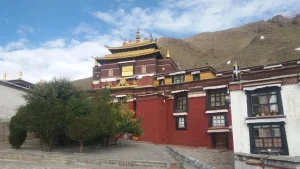
| Rongbuk | Whether the monastery is visited or only passed | Every interior or nearby trail is available |
| Everest-area overnight | Actual settlement, property and sleeping elevation | Sleeping beside the highest viewpoint |
| Sunset or sunrise | Viewing location and safe transport plan | Clear weather or golden light |
| Oxygen support | Equipment, limits and assistance process | Prevention of altitude illness |
Do not compress the approach into a quick arrival challenge
Review the whole journey from your first Tibet overnight through Shigatse, Tingri and the proposed Everest-area stay. Ask for sleeping elevations in sequence and discuss suitability with a clinician where relevant. An extra stop at a pass is not the same as an appropriately staged ascent.
One first-person social diary described flying in, quickly continuing west and experiencing worsening headache, while another companion became sick on the winding road. The photos did not remove those difficulties. Do not copy that pace, its medication list or its device thresholds as a model for your trip.
Keep the option to stop or shorten the journey. Do not ascend to a higher sleeping place while experiencing altitude symptoms. Worsening symptoms or severe signs require medical help and an appropriate descent response. A prepaid hotel or a rare clear forecast does not override that decision.
Viewpoints are part of a long road day
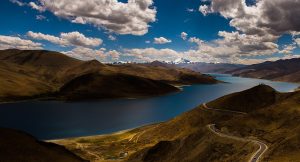
High viewpoints on the approach can offer broad mountain panoramas when conditions allow. Ask which legal developed stops are included and how they fit the driving stage. A series of brief photo stops can still involve repeated getting in and out, exposure to wind and substantial cumulative travel time.
If motion sickness is a concern, discuss seating, breaks and suitable personal medical advice before the journey. Avoid making the driver hurry to reach sunset after a delayed departure. A clear turning point and a realistic hotel-arrival target are more useful than a universal driving time copied from an older post.
Compare sleeping places by the actual night
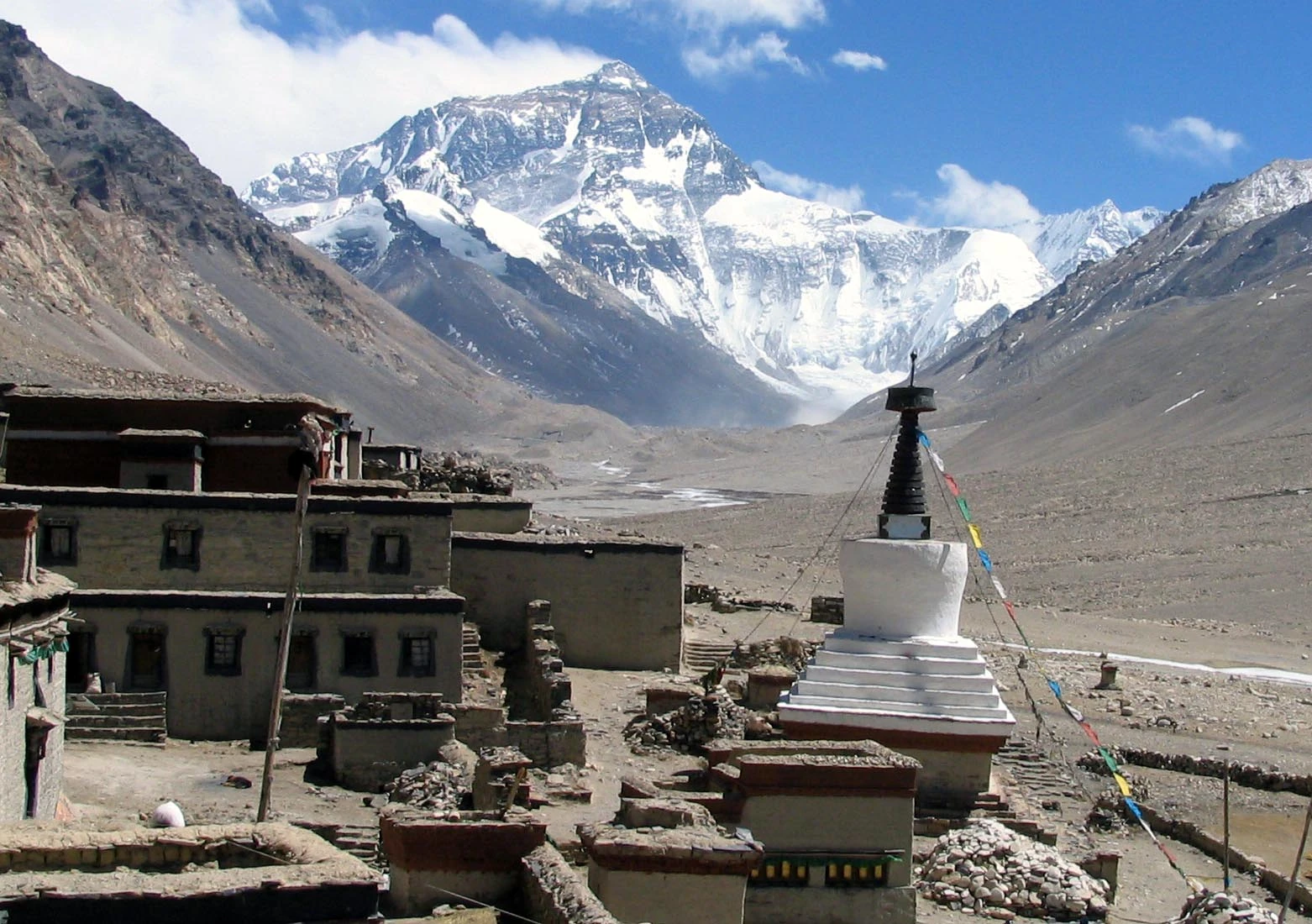
Ask for the settlement and property name, sleeping elevation, bed arrangement, bathroom, heating and access from the vehicle. A village hotel, a basic guesthouse and a seasonal tent-style arrangement are not interchangeable because they all use “Everest” in their marketing. Choose on the basis of the real facilities and suitability.
Clarify whether toilets and washing facilities are private or shared, whether hot water is available, what bedding is provided and how electricity or charging works. Ask about evening food and breakfast. Photographs of one room or another traveller’s favourable review do not confirm the category allocated to your party.
For oxygen, distinguish shared equipment, a requested device and a room system. Establish charges, availability and who explains use. None of these replaces medical assessment or makes continued ascent with symptoms appropriate. Ask what happens if equipment fails or someone remains unwell.
Understand the visitor-transport stage
Where current rules require an internal visitor vehicle or another transport change, ask where you leave the touring vehicle, how tickets are handled, what you carry and where the guide meets you. The precise arrangements can change, so do not rely on an old shuttle timetable or another guesthouse’s reported pickup service.
Keep warm clothing and personal essentials with you. Do not leave everything in the main vehicle on the assumption that it follows to every stop. Agree the return and the response if a party member needs to leave earlier. Any separate transfer or after-dark outing should be explicitly arranged and lawful.
Pack for waiting, not only for stepping outside
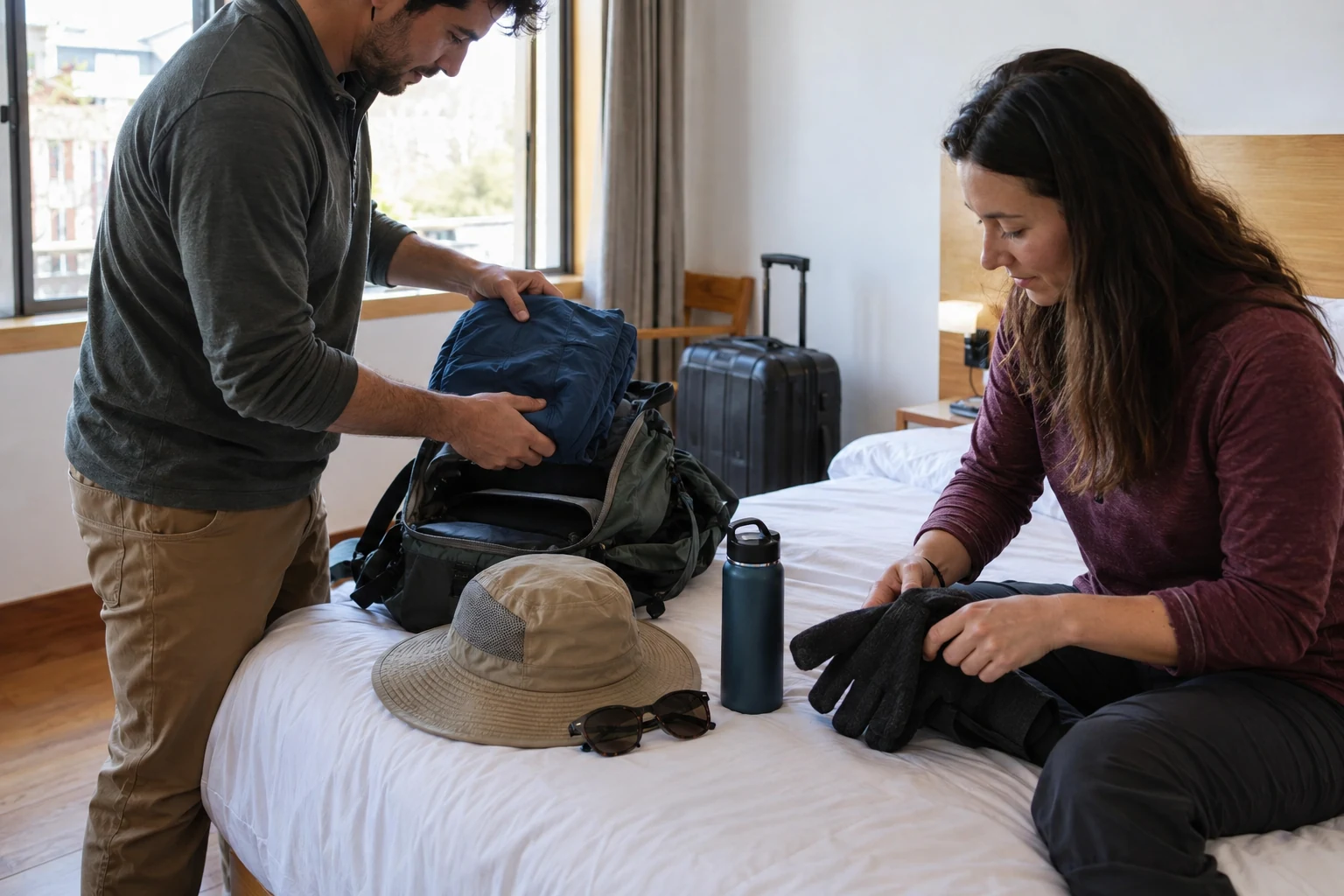
Carry warm and windproof layers, suitable hat and gloves, practical shoes, sun protection, water and appropriate snacks. Check the route forecast with the organiser before departure. A heated vehicle does not help when you are standing in an exposed viewing area or waiting for another transfer.
Keep photography equipment manageable and batteries within carrier rules. Do not assume drones are allowed because a social post shows aerial footage. Stay inside the authorised tourist area and current barriers. Do not walk onto glaciers, enter ice caves or follow a climbers’ track to seek a different view.
Treat the mountain view as weather-dependent
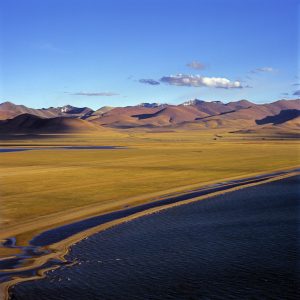
Cloud, snow and light can change the view during the same day. Ask how the operator checks road and scenic-area notices and how the programme changes if conditions deteriorate. A historic real photograph is useful for understanding the landscape, not proof of the view or access you will receive now.
An overnight may create another potential viewing period, but it is not a guarantee of a clear sunrise. It also adds a high-altitude sleeping decision that must be assessed on its own. Do not choose a less suitable night solely to chase a photograph or assume an open tourist road means every activity is available.
| Change during the journey | Decide first | Then address |
|---|---|---|
| Symptoms before continuing higher | Medical advice and whether to stop ascending | Rooms, unused visits and return logistics |
| Road or scenic-area restriction | Authorised access and a feasible alternative | Service differences and cancellation terms |
| Poor visibility | Safe and appropriate remaining programme | Which optional photo stops to shorten |
| A very late approach | Daylight, driver breaks and suitable overnight | Removing secondary stops rather than racing |
| A changed departure connection | Realistic return and ticket conditions | Updated hotel and transfer arrangements |
Keep the return day in the main plan
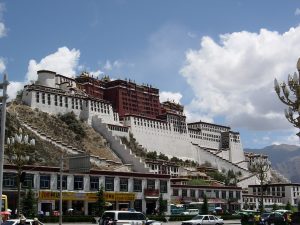
The trip is not complete when the mountain appears. Ask where you sleep after leaving the visitor area, how the return stage is broken up and whether a monastery visit is planned after a long drive. Protect meals and driver breaks. Avoid putting an essential flight immediately after a remote stage without a suitable contingency.
Check insurance for the actual altitude, activities, medical treatment and evacuation, together with exclusions and assistance contacts. Do not assume a touring vehicle’s insurance provides personal medical cover. Agree how an early return or extra night is handled before you need it.
Compare the complete itinerary
The published eight-day Lhasa, Everest-area and Namtso route and the longer Nyingchi combination have different time commitments. Neither is a live permission or departure confirmation. Request the exact approved route, sleeping places, guide language, visitor transport, admissions, meals and change terms. A worthwhile Everest journey is one whose approach, night and return remain workable even when the ideal photograph does not happen.
Continue planning this journey
Use our Tibet route-planning guide to place this topic within the whole trip. The railway, Samye and Namtso planning guide explains how arrival and separate outings fit together.
Compare 8-day Lhasa, Everest-area and Namtso tour, 11-day Nyingchi, Everest-area and Namtso tour. These are existing route descriptions, not confirmation of a departure, present access or every optional stop discussed above. Ask for the exact permitted programme, accommodation, guiding language and itemised services for your dates.
Sources and research notes
Reviewed 29 October 2026. Practical perspectives were compared with original Xiaohongshu note bodies and initially visible comments: 西藏日喀则封路,阿里小环线受阻,启动planB; 📝珠峰大本营三日游攻略|含高反清单; 第一次去西藏住哪里——缺氧星人实测(第二弹. These individual experiences mainly concern domestic travellers; they are not evidence of foreign-visitor eligibility, present prices or medical safety.
China regional risks: Tibet; CDC Yellow Book: High-Altitude Travel and Altitude Illness; NIA Shigatse electronic border permit suspension, 28 August 2026. Confirm operating notices and passport arrangements for the actual travel date.