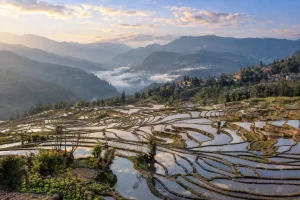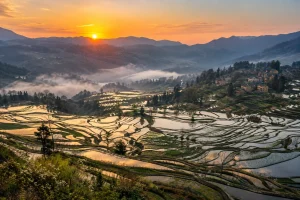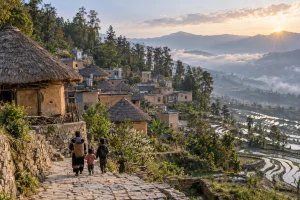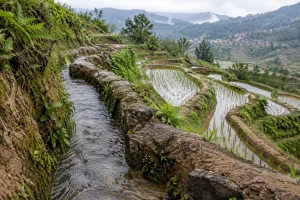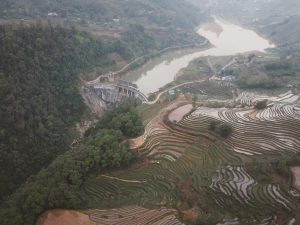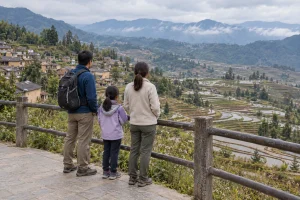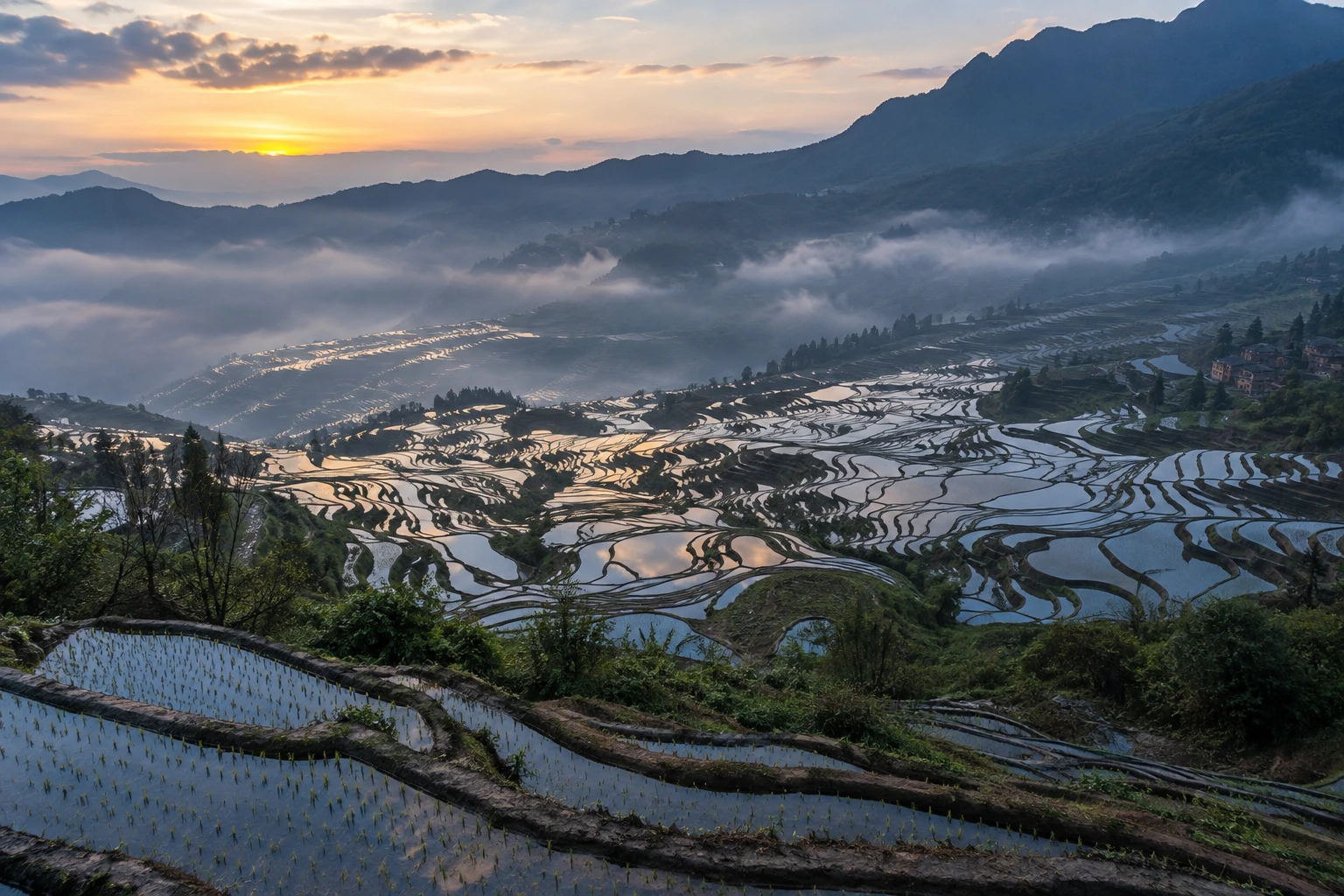
Give Yuanyang photography time for changing weather as well as a plan for dawn and late light. Duoyishu and Bada are starting points, with transfers and an alternative for cloud or fog arranged around them. Ask permission in villages and respect working terraces and private homes.
When the terraces disappear into fog
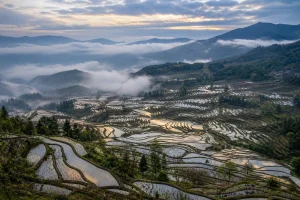
A single dawn attempt may not produce a clear view even in the usual photography season. More nights offer another opportunity, but no particular sky is guaranteed.
| What you can see | A useful response | Do not do |
|---|---|---|
| Partial mist and safe access | Work with a closer composition or wait at an approved viewpoint. | Race between distant viewpoints chasing a photograph. |
| Dense fog or difficult roads | Stay put or follow the local operator’s safe alternative. | Stop on a blind bend or use an unofficial shortcut into fields. |
| A disappointing dawn | Have breakfast and reassess the later session. | Assume a sunset will be clear or that another viewpoint removes the weather. |
Settle the return journey after late light before leaving your hotel. Viewpoint admission, accommodation and luggage transport are separate services. Ask which are included in your own booking.
Start with season, then think about light
The reflective scenes associated with Yuanyang are seasonal agricultural conditions. Fields are often flooded after harvest and through winter, roughly November to April, but irrigation, planting and elevation vary. Green rice in summer can be just as rewarding when that is the landscape you expect. Do not choose dates from one saturated image and assume every field will match it.
Duoyishu: prepare the night before
Agree the pickup time with your driver after checking sunrise and the distance from your guesthouse. Pack a warm layer, waterproof cover and breakfast arrangements in advance. Arrive early enough to set up without blocking other visitors. A clear sunrise is not guaranteed; soft cloud and partial mist can create quieter images. After the session, return for breakfast and a rest before heading to another location.
Bada: leave room for the afternoon to change
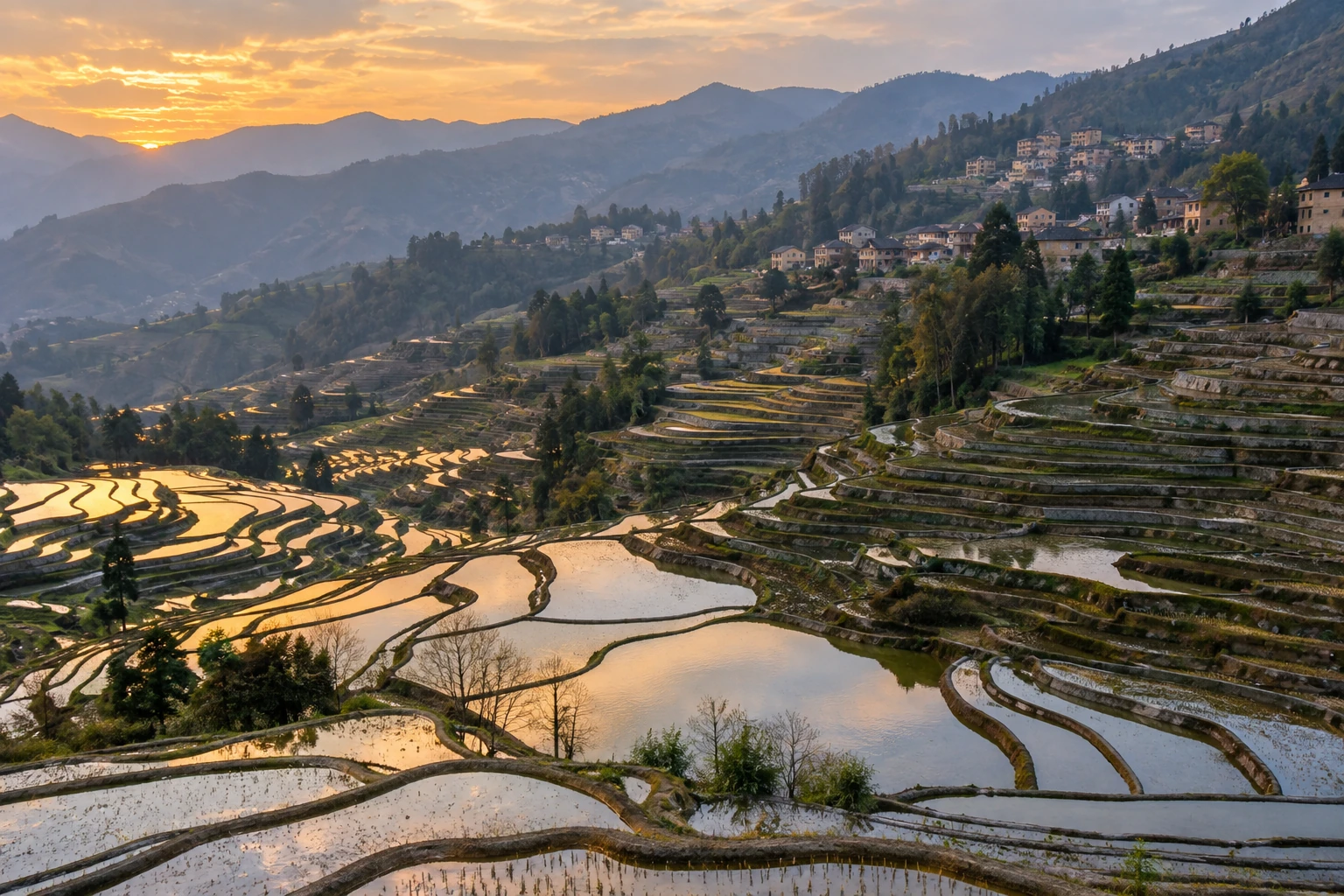
Bada’s broad terraces reward looking at the whole valley before selecting a tighter composition. Afternoon light can be useful, but heavy cloud may make a different time better. Keep the session flexible and avoid racing from one viewpoint to another at the exact moment of sunset. Your guide can help judge conditions, while your driver chooses safe stopping places rather than parking on a blind bend.
A workable two-full-day rhythm
On the first full day, photograph Duoyishu at dawn, return for breakfast and rest, then choose a short village walk and Bada later. On the second, use a local path or a different approved viewpoint in the morning and keep the afternoon available for weather. This gives two chances at the landscape while avoiding consecutive all-day outings after predawn starts.
Equipment and access
A wide-to-medium zoom covers broad contours and village context; a longer lens isolates patterns when visibility is good. A tripod is useful in low light, but must not obstruct a walkway. Bring a lens cloth, spare battery and a small light for dark paths. Viewpoint platforms and village routes have different steps and surfaces. Ask for a short-access option if carrying heavy equipment or travelling with reduced mobility.
Respect working fields and residents
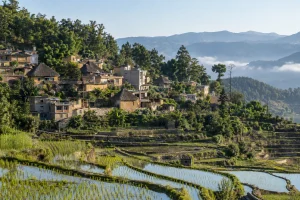
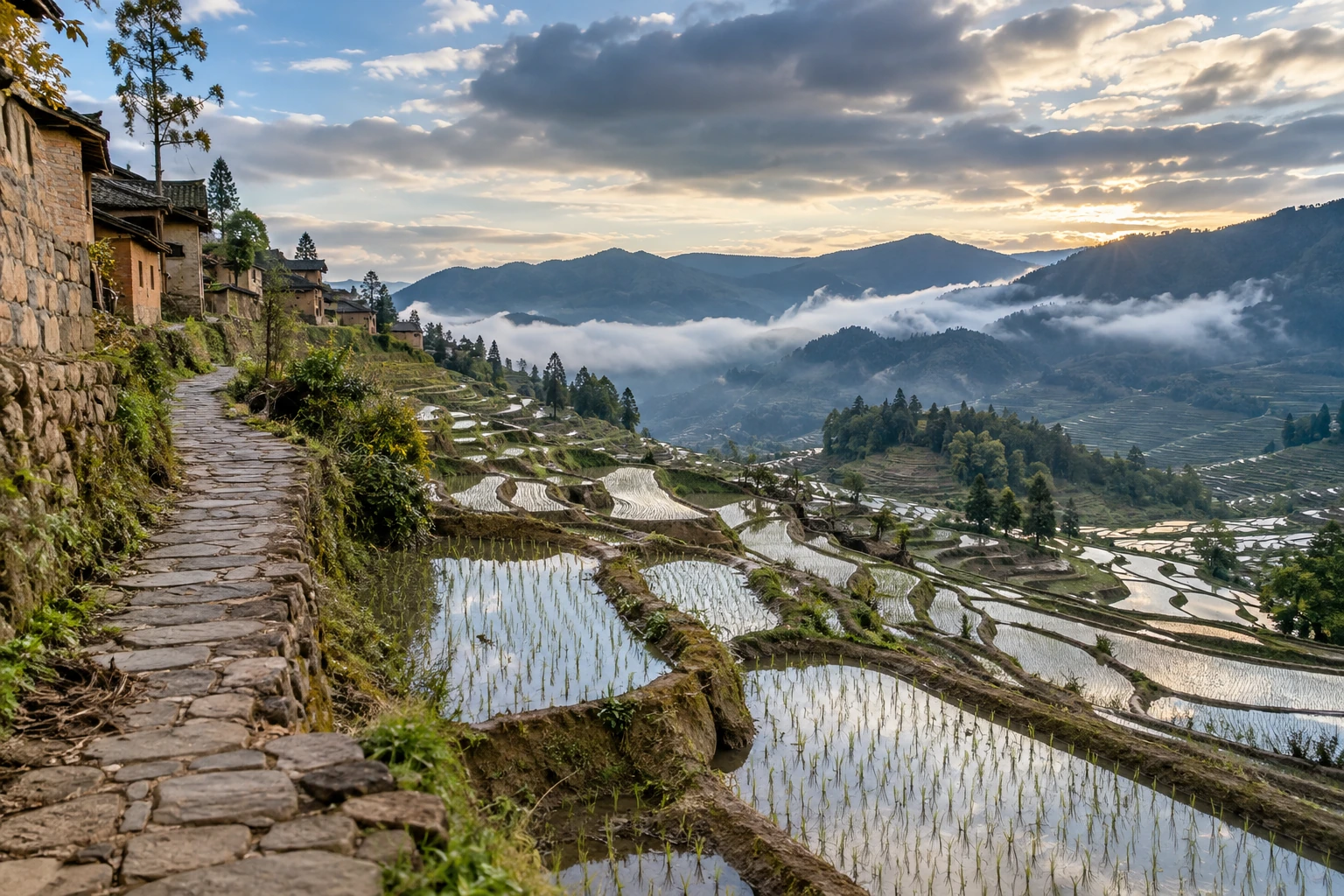
Terrace bunds are agricultural structures and can be slippery. Follow a guide on established routes rather than stepping into a field to improve your angle. Ask before photographing people at close range and never request a staged farming scene as if it were ordinary work. Drone operation needs current local permission; access to a viewpoint does not automatically permit flying.
Choose nights before choosing distant extensions
Two nights allow one full day between transfer days; three nights provide a second full day and more weather flexibility. Jianshui (建水) is a sensible overnight break between Kunming (昆明) and the terrace area. A two-day local tour works only after you have already reached Yuanyang. For heritage background, see the UNESCO Hani Rice Terraces (哈尼梯田) listing; for your trip, confirm present access with your guide.
Frequently asked questions
Which viewpoint is best for sunrise?
Duoyishu is a common dawn choice, but the best result depends on visibility and cloud. Your guide should confirm the plan the evening before.
Will one night be enough for photography?
One night gives one dawn attempt. Three nights are more forgiving if photography is a major reason for travelling.
Can I visit every famous viewpoint?
Access changes, and distances take time on mountain roads. Build a realistic selection around currently open sites rather than a promise to visit every named viewpoint.
Private trips for this destination
- 10-Day Honghe Heritage & Yuanyang Terrace Journey
- 7-Day Jianshui & Yuanyang Culture Tour
- 5-Day Yuanyang Photography Tour from Kunming
- 4-Day Yuanyang Slow Terrace Tour from Mengzi
- 2-Day Yuanyang Sunrise & Village Tour
- 8-Day Luoping & Yuanyang Seasonal Photography Tour
Compare more Yuanyang tours and travel advice.
Plan what happens when the main view disappears
| Your question | Practical action |
|---|---|
| Dense fog at dawn | Pause, have breakfast and keep a later permitted viewpoint flexible. |
| Persistent rain | Shorten exposed walking and choose a village or sheltered activity. |
| No reflective water in a field | Photograph the actual rice-growing landscape rather than expecting a winter mirror. |
| Portraits or private property | Ask permission and accept a refusal. |
A second morning gives the plan flexibility, without guaranteeing clear weather. Protect sleep and meals rather than chasing every named viewpoint. After a sunset outing, return using the arrangement agreed before you left the hotel.
Choose a route with the right pace
4-Day Yuanyang Family Terrace Tour from Jianshui
Before combining several regions, use the Yunnan photography holiday guide to choose one main subject area, allocate hotel nights and plan equipment, companions and permissions. This page develops the local Duoyishu and Bada photography choices.