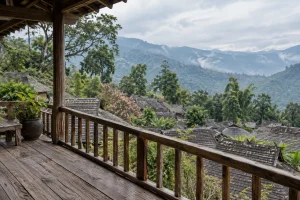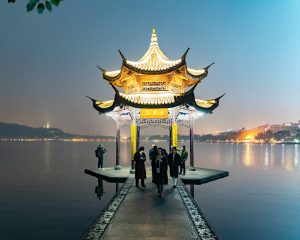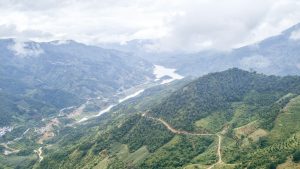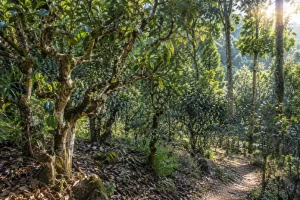
For a first tea-focused trip in China, choose one region and one experience you want to understand. Hangzhou works well when tea is part of a city stay; Wuyishan suits travellers interested in rock tea and the craft behind it; Yunnan is worth a longer regional journey when tea forests and village life matter as much as the cup. You do not need to connect all three to have a worthwhile tea holiday.
Start by deciding whether you want to taste finished tea, learn about processing, walk through a producing landscape or try a supervised activity. Those are different visits, with different hosts and seasonal limits. A good first appointment answers a few questions clearly and leaves enough time for conversation, a meal and the journey back.
Updated 30 October 2026.
Choose a tea region that fits the rest of your trip
Choose the region before booking a particular tea shop. Think about where you will already be, how many hotel changes you want and whether your companions enjoy rural walks or prefer a seated visit. These three options are starting points, rather than a ranking of China’s tea regions.
| Starting region | Choose it for | Main planning tradeoff |
|---|---|---|
| Hangzhou, Zhejiang | Longjing tea culture alongside a museum, West Lake and city time | Reserve one focused tea block; villages and museum campuses need specific transport plans. |
| Wuyishan, Fujian | Rock-tea tastings and an explanation of processing | Arrange the tea host independently of scenic visits; production is not always visible. |
| Yunnan: city or mountain base | A deeper regional journey with tastings, villages or tea forests | Choose the gateway and overnight base carefully; mountain travel is part of the trip. |
Hangzhou and Wuyishan are separate destinations even though both are in eastern China; neither is a casual detour from a Yunnan mountain stay. Check the actual rail or flight connection, station transfer and overnight sequence before combining regions. For a first trip, one well-chosen tea stop alongside the places you already want to visit is often the better use of time.
Hangzhou: combine Longjing with a museum or village visit
Hangzhou offers a way to begin with context and then taste. The China National Tea Museum identifies two campuses: Shuangfeng at 88 Longjing Road and Longjing at 268 Wengjiashan. Confirm which campus and exhibition you want before arranging transport; a general map pin for “the tea museum” is not specific enough.
The museum’s Chinese Tea Culture exhibition description covers tea history, types, processing, utensils and customs. That makes a useful introduction if you are unsure what to ask during a later tasting. Museum admission, a guided explanation, a brewing session and tea purchases should be checked as separate arrangements.
For countryside time, choose one tea village or garden area rather than attempting every Longjing name in an afternoon. Hangzhou’s municipal site documents a May 2026 international tea-culture event in Longwu, including garden walks and brewing. It is an example of the area’s tea experiences, not a standing programme that every visitor can book on arrival.
A practical city day might pair a museum visit with one reserved tasting and lunch nearby. If you prefer a village walk, shorten the exhibition time or give tea its own day. Use the Hangzhou trip-planning guide to fit the tea visit around West Lake and other city priorities.
Wuyishan: ask how the rock tea in your cup was made
Wuyishan in Fujian is a useful choice when you want to focus on one tea tradition. A Fujian provincial report on Wuyi rock tea identifies it as an oolong and describes leaf handling and processing. The interesting question for a visitor is how the producer’s choices affect the tea being served, rather than which packet carries the grandest name.
Ask for a tasting with an explanation of origin, cultivar, processing and roasting where the host can discuss those details. If you want to watch production, confirm whether you will see a working stage, an explanation using equipment, or a demonstration prepared for visitors. A tea factory’s address is not permission to enter its work areas.
Keep a tasting and a scenic outing as distinct parts of the day. Check where the host is based and how you return to the hotel; a long walk or other timed activity can leave little energy for a detailed tea conversation. Restrict outings to currently open visitor areas and agreed host premises, rather than treating the wider protected landscape as freely accessible.
Yunnan: decide between a city tasting and tea-forest time
Yunnan is better approached as a regional tea journey than as one “tea plantation” stop. If you mainly want to compare cups and talk with a host, begin with an arranged tasting around a practical overnight base. If seeing the growing landscape is central, allow separate travel and walking time for the chosen mountain area.
Jingmai illustrates why the landscape matters. UNESCO’s Jingmai World Heritage description explains a tea-growing landscape of old trees beneath forest cover, linked with traditional villages and the knowledge of Blang and Dai communities. It is different from expecting neat rows of low bushes at every tea destination.
A forest walk, a village tasting and permission to pick leaves remain separate matters. Stay on agreed open paths, ask before photographing people or entering homes, and let the host explain what can be touched or harvested. Follow local restrictions even when a spot looks ideal for a photograph.
The Yunnan tea and coffee planning guide compares regional bases in more detail. For Jingmai specifically, read about forest visits, tastings and picking before choosing an activity. A Pu’er city stay and a mountain village stay have different transfer and accommodation requirements.
Book the activity you mean
“Tea experience” is too broad to settle a booking. Ask the organiser to describe what happens, who explains it and what you will do yourself. The answer should make sense even if no fresh leaves are being harvested that day.
| Activity | What to confirm | What it does not establish |
|---|---|---|
| Seated tasting | Teas served, explanation, duration, language and charges | A free session or a requirement to buy tea. |
| Landscape walk | Open route, steps, surfaces, weather and return pickup | Permission to enter private plots or pick leaves. |
| Processing demonstration | Actual stage, live work versus demonstration, viewing area | Access to every part of a working factory. |
| Hands-on session | Exact task, supervision, age suitability and take-home result | That picking, frying, brewing and cake pressing all form one activity. |
For language support, ask who will explain specialist terms and whether interpretation is included in the quoted session. An English-language booking exchange does not establish that the farmer or tea maker speaks English. Send two or three interests in advance: flavour comparison, processing, local history or buying tea for home.
Allow usable time rather than counting tea stops
The examples below are planning shapes, not fixed departures. Count arrival and departure days honestly, including the journey from a station or airport to the host. An overnight stay is useful only when its location and transport times leave a meaningful visit.
| Time available | A workable focus | Protect this part of the schedule |
|---|---|---|
| One afternoon in a city | One tasting or one museum visit, with time to reach it | Avoid putting a long scenic circuit immediately before the appointment. |
| Two calendar days, one night | An arrival-day visit and a focused tea block before departure | This is not automatically two full sightseeing days. |
| Four calendar days, three nights in one region | Arrival; two usable days with different tea activities; departure | Put meals, road transfers and a weather alternative between appointments. |
| Longer specialist journey | One main region first; a second only with viable connections | Count the transfer and hotel-change days before adding hosts. |
Choose a hotel for the visits you have actually arranged. A city base can keep meals and other sightseeing simple; a tea-country stay may suit a slower morning, but requires a clear pickup point, luggage plan and food arrangements. Ask about steps, the walk from the vehicle and bathroom access if anyone has mobility limits. A description such as “village stay” does not answer those practical questions.
Season, weather and a useful fallback
There is no single picking calendar that fits every Chinese tea region, variety and visit format. Ask the chosen host what is happening for your dates. Seeing green tea plants does not establish that picking is available, and a spring travel date does not guarantee participation in commercial production.
Separate the parts that depend on fresh leaves from those that use finished tea. If harvest participation is your main purpose, confirm the host’s arrangements before fixing the route. If tasting and cultural context are enough, a museum, seated session or explanation of stored tools can still make a useful visit outside an active picking period.
For a wet day, agree whether a walk moves to a sheltered session, changes location or is cancelled under the booking terms. Wear suitable footwear for the actual path and avoid pressing ahead onto slippery slopes to complete a photography checklist. A non-tea-drinking companion may prefer a short walk and lunch, then join only the opening part of a tasting.
Make a tasting useful without turning it into an obligation to buy
Before sitting down, establish whether the tasting has a session fee, a per-person charge or another payment basis, and whether buying leaves is optional. For a comparison, ask the host to name each tea and change one feature at a time where possible. Make a short note about what you enjoyed rather than relying on the packet colour later.
If you decide to buy, confirm the exact product, net weight and final price. Ask whether the packet contains the same batch you tasted and how to store it during the rest of the trip. A high price or an age claim is not, by itself, an explanation of what is inside. Choose an amount you can pack and enjoy, and keep the receipt.
For taking tea abroad, check the destination’s current official import and declaration requirements. Do not assume that loose leaves, packaged tea and fresh plant material have identical rules. Keep strong-smelling items separate in your luggage and ask the seller about suitable sealed packaging.
Choose a matching route, then confirm its details
The two-day Hangzhou West Lake, umbrella and Longjing route is a starting point for adding tea to a Shanghai-based trip. It includes an overnight in Hangzhou and a second-day tea-culture visit before returning. Confirm the host, visit format and actual return transport for your dates; it is not a promise of access to a working production line.
For a focused Yunnan mountain stay, compare the two-day Jingmai overnight from Lancang. Its gateway matters: the same schedule should not be assumed to work from Pu’er city or Jinghong. If a substantial tasting is essential, allow more time than a village-and-forest outline alone provides.
Common questions about a first China tea trip
Do I need to know a lot about tea?
No. Tell the host which teas you usually drink, or that you are starting from scratch. One clear comparison and time to ask questions are more useful than trying to memorise a long list of names.
Can children or people who do not drink tea join?
Choose the activity around them: a short museum or landscape visit may work better than consecutive seated tastings. Confirm age suitability, hot-water handling and walking demands for any hands-on session, and keep normal meals and rest in the day.
Can I visit every famous tea region in one holiday?
You can design a specialist multi-region journey, but each connection uses time that could otherwise go to a host visit or rest. For a first visit, choose one main tea region; add a second only when the actual transport and total trip length support it.
What should I send Vero Trip?
Use Plan My Trip with your dates, arrival and departure cities, group size, preferred region, walking comfort and interests. Say whether tasting, landscape or a specific hands-on activity is essential. Ask for the host arrangements, language support, transfers, accommodation and optional purchases to be identified in the written proposal; availability, price and included services depend on that trip-specific confirmation.