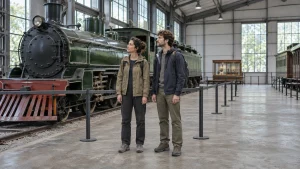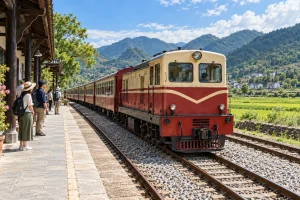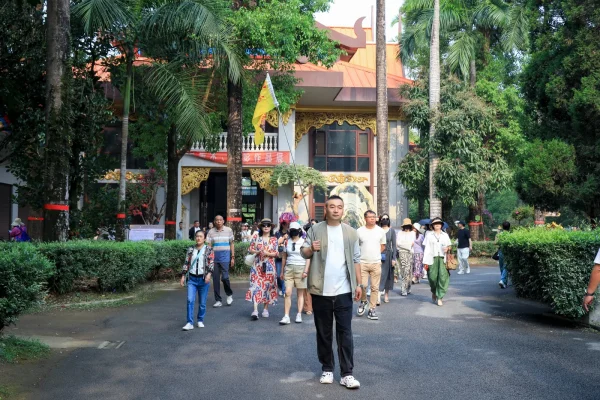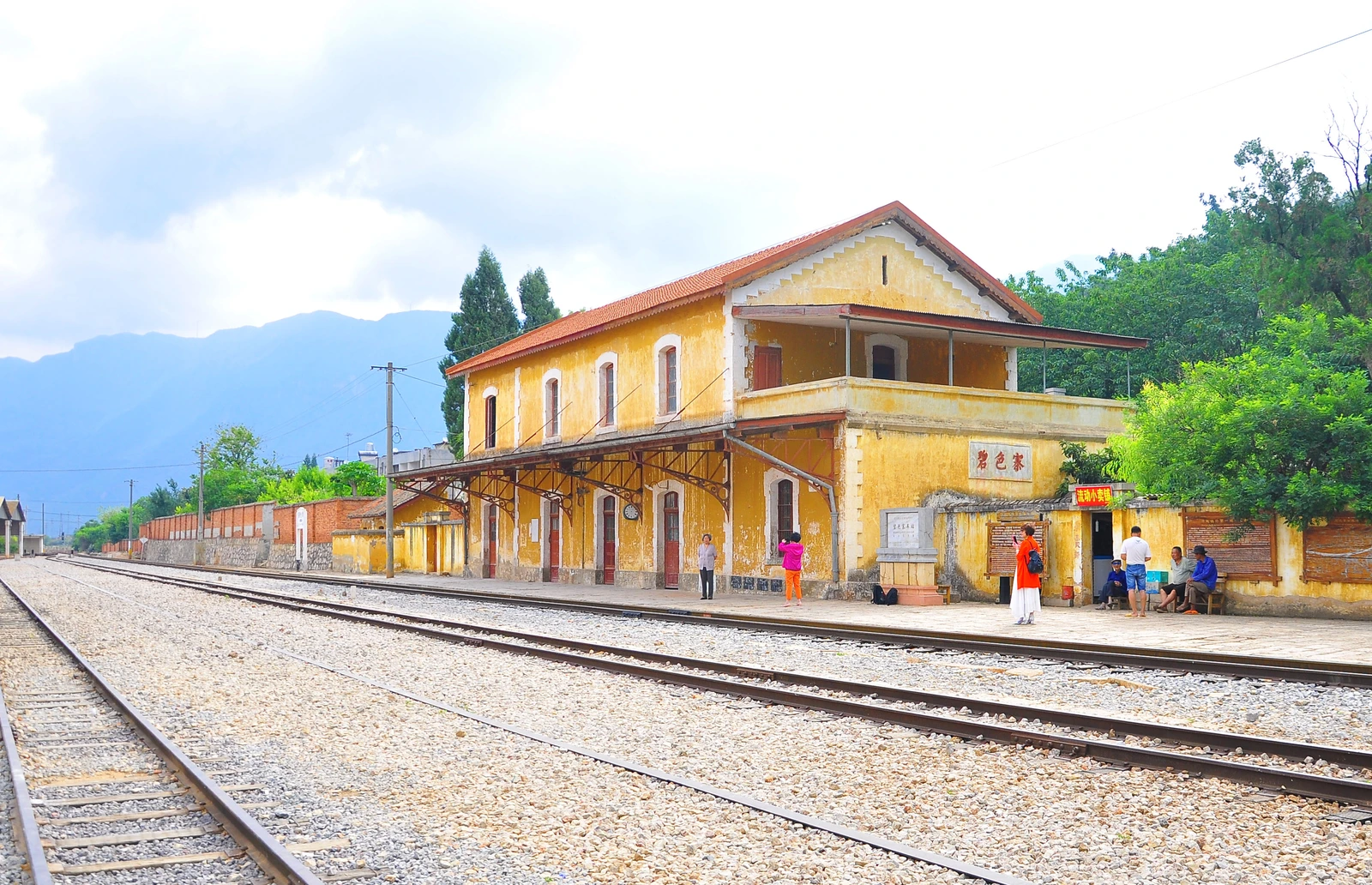
Visit Bisezhai for its railway buildings and trading-junction history, then stay in Mengzi for a proper meal and an unhurried evening. Look beyond the yellow station facade to the two railway systems, warehouses and former businesses that worked together.
Save 碧色寨 / Bisezhai, Mengzi with the current visitor entrance and road meeting point. Plan this as a visit to railway heritage. It does not depend on boarding a train, and a national-rail ticket to the Mengzi area does not deliver you to the historic station courtyard.
Make the station and one additional heritage subject the focus. Leave time for lunch and the full return to your city hotel, extending the walk only while the open route, weather and the group’s energy allow.
Choose a station visit with a clear focus
| Interest | Give attention to | Keep optional |
|---|---|---|
| Railway history | The metre-gauge and 600-millimetre railway settings and the problem of transferring goods. | A train ride or every technical detail. |
| Architecture and photography | The station façade, roofline and an allowed view of the surrounding buildings. | An empty scene, costume hire or access to every interior. |
| Trade and everyday life | A selected former commercial building and its relationship with the station. | Treating a historic hotel or café name as a current booking. |
| A gentler outing | One compact public section, rest and the agreed return. | The whole park, village extensions and another town. |
Find the open buildings and return meeting point on the current visitor map. Ask where seating is available before continuing. The suggestions below help choose a subject; they do not define a measured circuit.
Two gauges explain why Bisezhai mattered
A September 2026 report from a visit to Bisezhai describes the meeting of the 1,000-millimetre metre-gauge railway and the much narrower 600-millimetre system. Gauge means the distance between the rails. Different spacing meant that a vehicle from one system could not simply continue along the other.
Imagine a load arriving, waiting in storage and leaving on the other railway. That movement connects the platforms, sheds and businesses into a working junction, rather than separate picturesque buildings.
Start at the main station exterior, then find the narrower railway’s station or shed interpretation where the public route permits. Read the labels to distinguish surviving structures, repaired facades, exhibited objects and reconstructions.
For children, compare two track widths and the locomotive that fits each. How would goods move between them? Explore the idea from the public viewing positions without touching equipment or stepping onto rails.
If your holiday also includes Kunming, the Yunnan Railway Museum guide offers a complementary indoor introduction to vehicles and gauges. It is a separate city visit, with its own admission and document arrangements, rather than a necessary first stage of a Bisezhai outing.
Look beyond the yellow station façade
Mengzi’s published account of the historic site identifies railway buildings alongside former commercial premises, including the Gelushi Hotel and Annan Café. These names help explain a settlement shaped by transport and trade. Read them first as historical places; a building’s old use does not establish its present service or permission to enter.
Look at the roof, veranda, doors and open space together. One considered view can show the station’s design better than many rushed close-ups. Keep entrances and passing space clear while photographing.
Choose one second subject: the narrower railway buildings, a former business or an open history display. Ask which parts are original, repaired or adapted; weathered plaster alone cannot date the structure.
A tourism-bureau response dated September 2026 records restoration work and the operation of hospitality businesses within the wider heritage project. It also discusses future railway development. Completed building work, a functioning café and a planned rail service are separate facts; none establishes a tourist-train departure from Bisezhai on your travel date.
The 2025 railway-anniversary exhibition notice described a display at the town reception space organised with the Honghe museum. Treat that as a dated exhibition, not an assurance that the same objects or panels remain on view. If an indoor display matters to you, establish its current name, location and opening before making it the centre of the day.
Costume photography is optional. Agree any hire, changing space, photographer and image delivery as a separate service. An outfit grants no access to closed buildings or railway workplaces.
Plan the visitor approach and the complete return
Make the road arrangement specific: your Mengzi hotel, the current legal drop-off or visitor centre, any onward shuttle or walking section, and the collection point afterwards. A map pin at the historic station building may not be a place where your vehicle can stop.
An August 2026 report based on enquiries to the operator and local tourism authority examined visitor concerns about the approach road and paid shuttle arrangements. It is a reason to check the current access plan carefully. This guide does not carry that report’s charges, traffic hours or alternative road directions forward as today’s instructions.
Before leaving town, establish the entrance actually in use, the permitted walking approach, shuttle boarding and return arrangements if relevant, and the separate charges that apply. Do not plan an unofficial roadside drop-off to evade the managed approach. If the proposed access is unsuitable for someone in your party, shorten or change the outing.
After breakfast, complete the principal station section first, then rest before adding another display. Follow with a seated lunch at an agreed venue or back in Mengzi, finishing at your hotel.
If lunch is in Mengzi, carry water and a suitable snack to keep delays comfortable. For a meal near Bisezhai, establish which venue is currently serving; a historic café name is not enough.
Leave a later Nanhu walk optional. For an afternoon visit, work backwards from the visitor and transport finish. Agree the actual hotel or address for the return, including what happens if you leave early.
Mengzi food and a practical overnight base
The Honghe tourism authority’s November 2026 Mengzi introduction links the city’s Nanhu setting and historic streets with crossing-the-bridge rice noodles. A city meal gives this part of the visit its own space. Ask the restaurant to explain the chosen set and serving sequence, and choose the quantity before ordering.
Broth, toppings and sauces need separate questions for vegetarian, halal or allergy requirements. A rice-noodle dish is not automatically meat-free because the noodles themselves are plain. State which ingredients you avoid and ask about preparation; a regional name cannot establish suitability for your party.
Choose the Mengzi hotel around meals, pickup and the wider stay. For an evening at Nanhu or the older streets, compare the actual walk and noise conditions rather than the listing’s distance alone.
Book a heritage-site overnight deliberately: establish dinner, breakfast, evening options and the next transfer. The setting may justify staying out of town when those practical details work.
Confirm original-passport registration, room type, beds, lift or stairs, bathroom arrangements and where a car can unload. Ask about luggage storage when arriving before check-in or visiting after checkout. Take only a small day bag to Bisezhai when the larger cases can remain securely at the agreed hotel.
Count Mengzi nights before adding another region
| Stay pattern | Day-by-day rhythm | Hotel nights |
|---|---|---|
| 3 days / 2 nights in Mengzi | Day 1: arrive, hotel and dinner. Day 2: Bisezhai, lunch and complete hotel return. Day 3: departure. | Two nights at the same Mengzi base. |
| 4 days / 3 nights in Mengzi | Arrival; one Bisezhai day; a separate city day with Nanhu or one confirmed cultural visit; departure. Swap the two local days if useful. | Three Mengzi nights; no automatic extra regional hotel. |
| 5 days / 4 nights with Kunming buffers | Day 1: Kunming arrival. Day 2: travel to Mengzi and settle in. Day 3: Bisezhai and return. Day 4: return to Kunming. Day 5: onward departure. | Kunming one night, Mengzi two nights, Kunming one night. |
Read the night patterns as alternatives. The five-day version uses Kunming buffers around Mengzi; it does not provide three full sightseeing days there. Add a night for a substantial city visit.
Book transfers against the exact Chinese station name on your rail ticket. A Mengzi-area arrival, a city hotel and Bisezhai are separate places. Allow for leaving the station, meeting transport, carrying bags and reaching the hotel before promising an arrival-day excursion. Check the actual connection instead of adopting another traveller’s old train time.
If Yuanyang is next, use the Jianshui or Mengzi gateway comparison to plan the terrace transfer and the mountain accommodation separately. Bisezhai belongs in a useful Mengzi visiting slot, rather than being squeezed ahead of an important terrace arrival or sunset deadline.
If your priority is riding a heritage train, compare the Jianshui narrow-gauge excursion and give that operating journey its own booking and overnight plan. It is a different experience in a different location. The southern Yunnan extension guide helps decide which regional interest deserves the extra nights.
Walking, weather and services to settle
A railway-themed day can still involve considerable standing, uneven paving and movement between buildings. Ask for the actual walking distance, steps, gradients, seating and toilets on the proposed public section. For a wheelchair, pushchair or limited stamina, confirm the whole approach and return, including any vehicle boarding, rather than relying on a general accessibility label.
Use comfortable shoes with grip and carry weather protection. In rain, reduce the outdoor route and use a confirmed indoor display only if it is open and suitable. In strong sun, plan shade and a rest. If weather or management instructions make the visit impractical, choose a city meal and rest or move the outing to another day; do not enter closed railway areas as an alternative.
A 2022 interview with railway researcher and photographer He Junyun includes a caption documenting foreign visitors at Bisezhai in 2016. That is historical ordinary-visitor context, not a test of today’s booking systems. Establish any current registration, original-passport, ticket and payment procedure through the actual channel being used for your party.
Match language support to the subject. A driver’s meeting, general English company and detailed railway interpretation are different services. Specify which kind of help you need.
| Part | Detail to establish | Separate unless included |
|---|---|---|
| Visitor access | Date, current entrance, public buildings or display, original-document channel and any shuttle. | Admission, shuttle, parking and independently selected activities. |
| Road journey and luggage | Hotel pickup, legal drop-off, waiting or later collection, complete return and bag custody. | Station transfers, another destination and extra vehicle time. |
| Food, language and overnight stay | Named meal arrangement, type of accompaniment, chosen property and exact room nights. | Drinks, costume photography, purchases, additional meals, rooms and insurance. |
Price on request. Name the actual visit, both road legs, waiting, shuttle or admission, language support, meals and rooms in the accepted proposal. The suggested stay pattern makes none of those reservations.
An existing southern Yunnan itinerary should include Bisezhai only when the visit is expressly named in its agreed programme. A route passing through Mengzi is not, by itself, a confirmed station-heritage excursion.
Frequently asked questions
Can I ride a sightseeing train from Bisezhai?
Do not base this visit on that assumption. This plan is for the public heritage areas reached by road. Any operating train needs its own current service, departure, ticket and return confirmation; development plans and displayed vehicles do not establish one.
Is the station enough for a short visit?
Yes, when the façade and railway setting are your main interest. Add one permitted second section only if time and energy allow, then keep the lunch and complete return. A short focused visit need not cover every building.
Should I sleep in Mengzi or at the heritage site?
Choose Mengzi for a city meal, a practical arrival and departure, and a road-based Bisezhai outing. Choose an outlying property deliberately for its own setting after confirming meals, room access and transport. Neither choice guarantees a particular view or quiet night.
Can I combine Bisezhai and Yuanyang in one day?
Treat the mountain journey as a substantial separate stage. If the actual transfers, breaks and arrival margin do not support both, visit Bisezhai on the preceding Mengzi day. Protect the hotel arrival instead of keeping an ambitious sightseeing list.
Plan a railway-history day around your stay
Send a Verotrip travel consultant your dates, actual arrival and departure points, hotel preference, party size, walking limits, language, food and luggage needs through Plan My Trip. Say whether the station architecture, railway history or a slower Mengzi stay matters most. The itinerary can then give that interest proper time, with lunch and the return already accounted for.
Header photograph: Bisezhai Railway Station, photographed on 31 May 2017 by Zhangmoon618 / Wikimedia Commons, CC BY-SA 4.0. Resized and converted to WebP; responsive crops share the same license. This is a historical view.