At the Luzhou Laojiao Museum in Sichuan, start with one question. What is the difference between a pit where grain ferments and a vessel where the finished spirit is stored? The 1573 cellars and the exhibition near Guojiao Square make that distinction easier to see. Plan one visit in Jiangyang District, then have lunch in the old city and return to your hotel or station. You can do the whole visit without drinking.
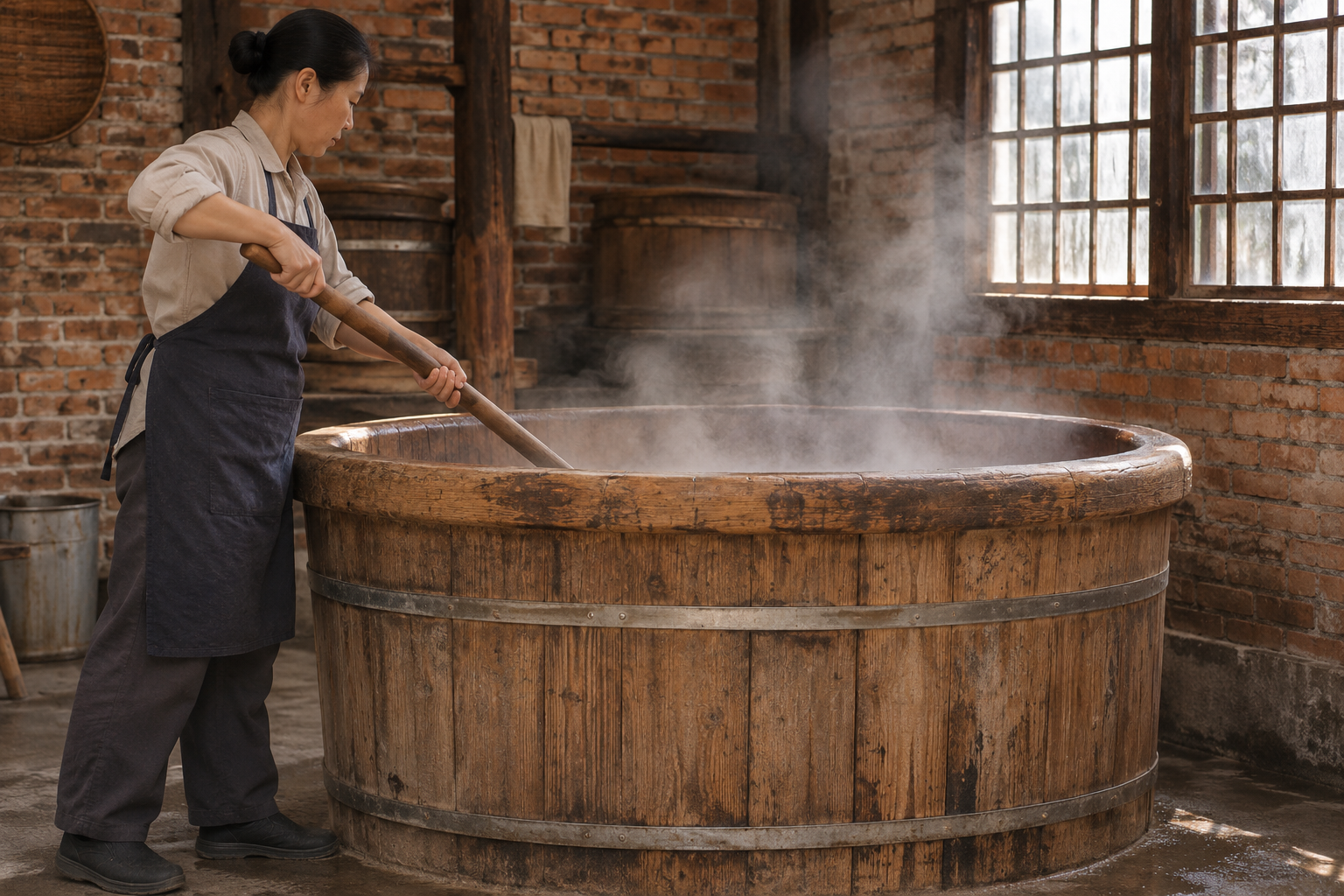
A round wooden vessel in a traditional grain workshop.
Start with the 1573 fermentation cellars
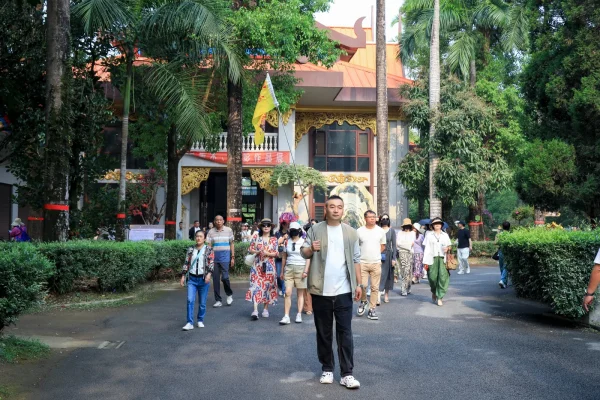
Save the names 泸州老窖博物馆 (Luzhou Laojiao Museum) and 国窖广场 (Guojiao Square) when arranging a ride. Ask which entrance serves the museum and the historic cellars on your date. The visit described here is in the old urban area, near Sanxing Street. The cellars, outlying storage caves and newer production sites have separate locations and access arrangements.
Baijiu is a distilled grain spirit. At the 1573 cellars, the word cellar refers to a clay-lined fermentation pit. Its purpose is to hold the grain during fermentation. Distilling comes later, and aging the spirit is another step. China’s national intangible-heritage register describes maintaining the clay pits as one of the continuing skills behind Luzhou Laojiao. The old pit surface is a working part of the process, as well as a historic feature. From the designated visitor route, look for the pit’s opening and lining, and see how it sits in relation to the workshop floor.
Ask at entry whether there is a visitor viewing area for the working pits and what can be seen that day. The layout itself is worth seeing even if staff are between production stages. Keep to the marked way around the pits and leave the clay and tools untouched. If the cellars are unavailable, spend the time on the displays in the gallery, or save the visit for another day if the pits were your main reason for coming.
| Area | What to look for | Where to pause |
|---|---|---|
| 1573 pits | Clay-lined openings set into the workshop floor, if visible. | Stay in the designated visitor area. Ask if the viewing route has steps. |
| History gallery | An example of a workshop tool and a vessel for holding or serving baijiu. | Read the display labels to separate historic objects from models. |
| Optional tasting | An adult-only choice if available for your date. | Ask about availability, access and price. Skip it if driving. |
Pick two objects to read in the museum
Look for a tool or explanation connected to the workshop, then choose a vessel from the historical displays. Ask what each was designed to do. A grain-handling tool belongs to the production process. A jar used for storage or a small pouring vessel tells you how the finished drink was handled or served. An earlier museum report describes exhibits on Luzhou’s brewing history, with vessels, documents and other objects. A field report also describes the relief about the history of local spirits and the Longquan Well along the visitor approach. Ask which of these are on the open route today.
Give more time to the object labels than to the brand chronology if your interest is industrial heritage. For each object, check whether the sign describes an excavated find, an object used in a workshop or a display model. The display explains a process in stages. A model can still help you understand that process when the historic workshop is quiet. For another industrial-heritage visit in southern Sichuan, Zigong’s salt museum and working well make sense as a separate day.
Tasting, when offered, is an optional stop for eligible adults. Pick the gallery and the cellar viewing as the main visit and let everyone decide whether to take part. Ask whether tasting is available, where it happens and whether there is a separate fee. If someone will be driving, skip tasting and keep the visit focused on the exhibits.
Eat in old Jiangyang and plan the ride back
After the museum, choose somewhere to sit down near Sanxing Street or in old Jiangyang’s South City area. The local restaurant association highlights bai gao (白糕), a soft steamed rice cake, and zhu’er ba (猪儿粑), a small steamed dumpling. Ask what the filling is before ordering. For a full lunch, order a hot dish with rice and vegetables, or a bowl of noodles with a confirmed broth. If you prefer a mild lunch, ask for chili oil or dipping sauce on the side. If your group avoids alcohol ingredients, ask about fermented ingredients in snacks and cooking wine in sauces or broths.
| Part of day | Where to go | Connection to protect |
|---|---|---|
| Museum arrival | Guojiao Square and the actual museum entrance. | Agree on where the car can drop off, wait and pick you up. |
| Old-city lunch | Sanxing Street or another confirmed old Jiangyang restaurant. | Allow a seated meal. Decide whether to end here in wet weather. |
| Optional river walk | One short public stretch near Dongmenkou if conditions allow. | Return to the same meeting pin or give your driver a new confirmed pickup. |
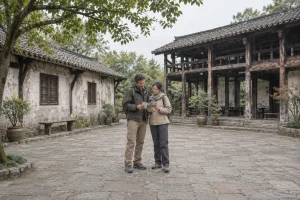
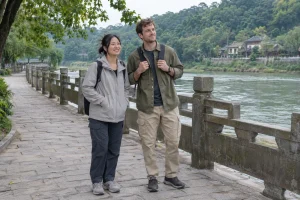
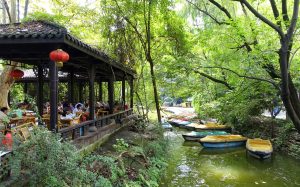
If the weather is dry and your legs are fresh, pick a short public riverside stretch around Dongmenkou (东门口) after lunch. Check the path and give your driver the meeting point before you walk away. In rain or if you need fewer steps, finish after lunch and take the ride directly back. The stairs and walking access can differ by entrance, so ask about the entire route from your drop-off through the gallery and back to the car if it matters to your group. For another southern Sichuan day with more time by the river, compare the Lizhuang guide near Yibin.
Use a Luzhou base for an unhurried visit
Stay in central Jiangyang for easy access to old-city meals and a short local transfer. If you have an early departure, choose the last hotel around your actual station or pickup point, and confirm the last road leg. For a visit from Chengdu, travel to Luzhou the previous day if you want the longer museum option and a relaxed lunch. Arrive at the hotel, store bags and set the departure around the ticket you are holding. If continuing through southern Sichuan, Fushun’s temple and soft tofu lunch work as a separate stop with their own transfer.
| Trip length | Suggested order | Hotel nights |
|---|---|---|
| 3 days / 2 nights | Arrive in Luzhou. Use day two for the museum and old-city lunch. Collect bags and depart on day three. | 2 Luzhou nights. |
| 4 days / 3 nights | Arrive in Chengdu. Transfer to Luzhou on day two, visit on day three and leave on day four. | 1 Chengdu night and 2 Luzhou nights. |
| 5 days / 4 nights | Arrive in Chengdu, move to Luzhou on day two, visit on day three and transfer to Yibin on day four. Depart from your confirmed Yibin departure point on day five. | 1 Chengdu night, 2 Luzhou nights and 1 Yibin night. |
Ask your Verotrip travel consultant to confirm the entrance, accepted passport channel, gallery and cellar access, language support, vehicle waiting, lunch and final hotel or station drop-off. Price on request. Ask for any rooms, admission and optional activities to be itemized in writing.
Questions about visiting Luzhou Laojiao
Do I need to try baijiu to enjoy the visit?
No. Go for the clay pits, the workshop layout and the objects. Tasting is a separate choice if the venue offers it for your date.
Can overseas visitors enter the museum?
International groups have visited, and a 2026 independent account describes a visit to the museum with an overseas guest. Confirm which channel accepts your passport and how to collect the right admission for the areas you want to see.
Is a storage cave part of the same visit?
Ask for your exact route. The old fermentation pits near the museum and the spaces where spirit ages serve different purposes. Plan a separate cave visit only if you have confirmed the venue, admission and transport.
What if the group wants to avoid long periods of standing?
Make the gallery your priority. Ask in advance about steps, seating, queues and the closest permitted pickup. If the outdoor portion is wet or tiring, end the visit after the displays and go straight to lunch.