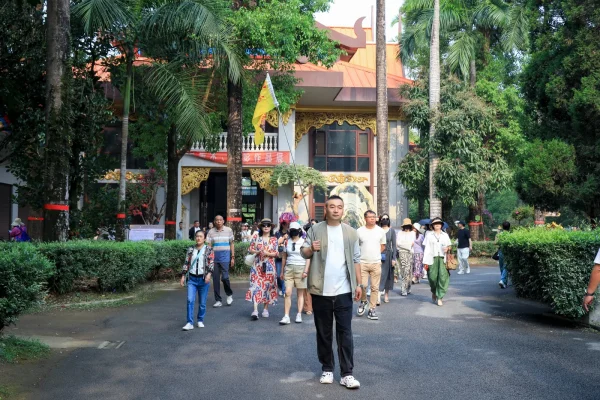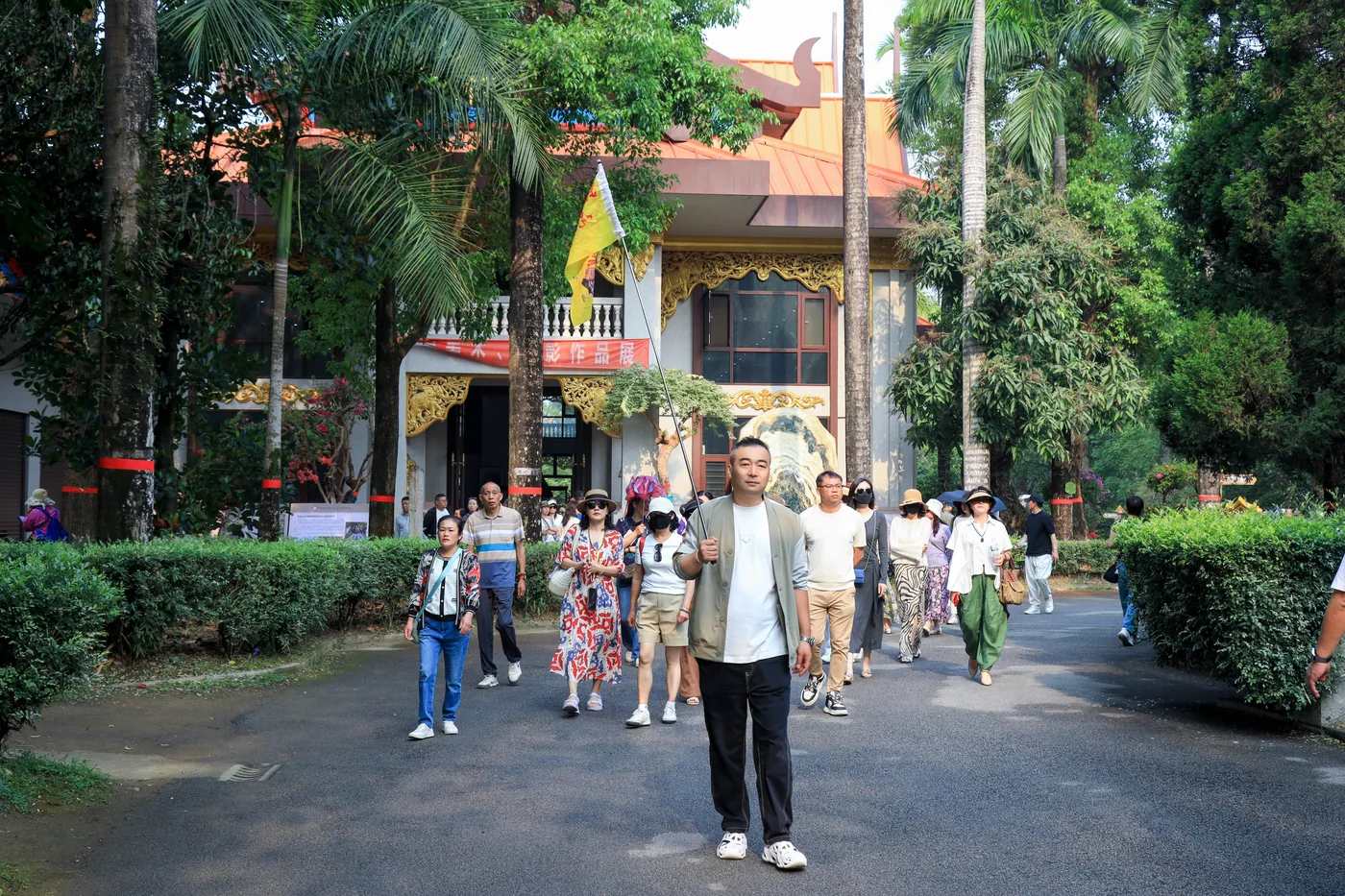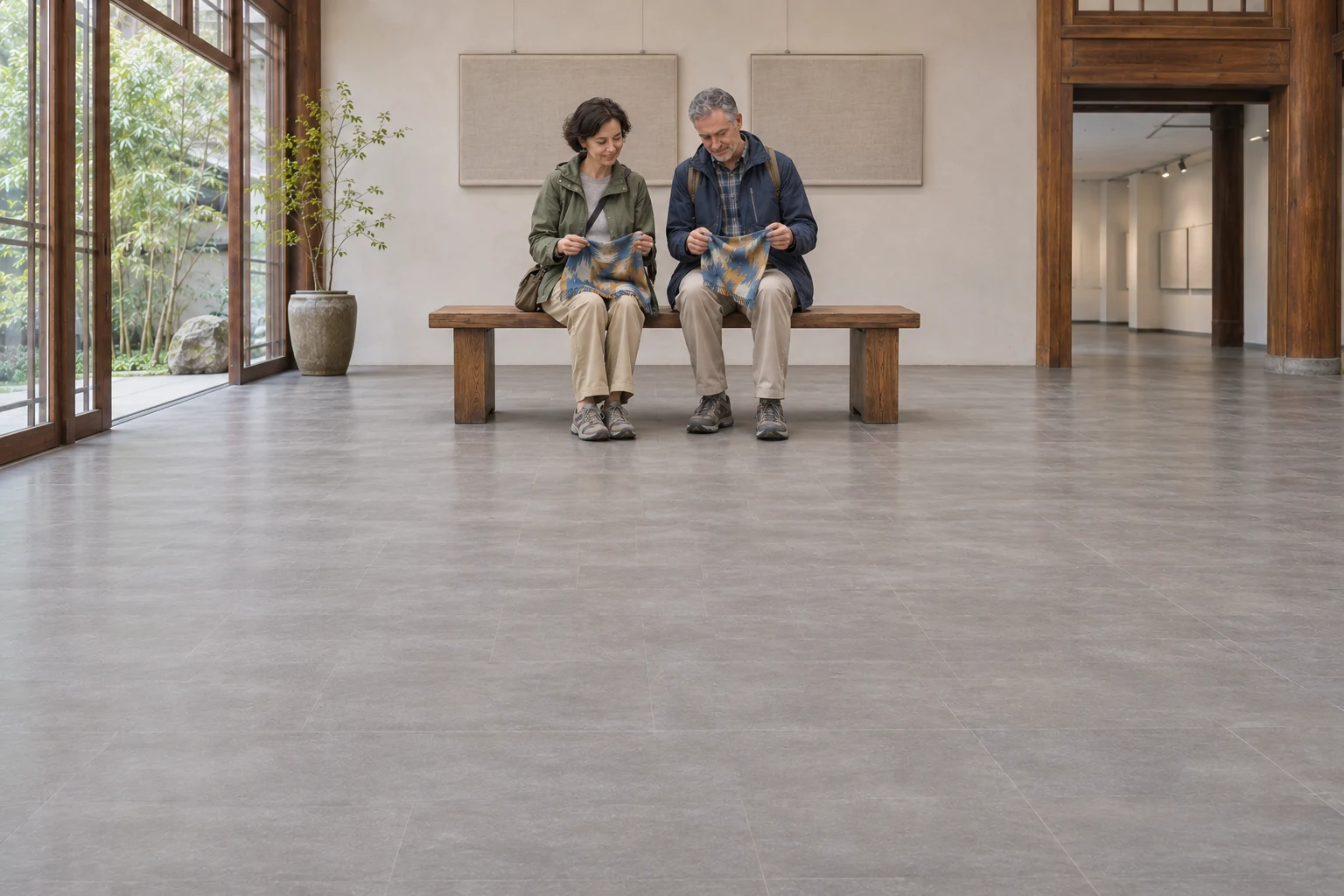
Give patterned silk and its making a Chengdu half-day at Shu Brocade and Embroidery Museum. Compare weaving with stitching, look closely at a loom and selected textiles, then sit down for lunch. A short Huanhuaxi walk can follow if wanted; neighbouring museums need not become a checklist.
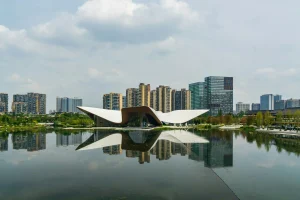
Save the full name 成都蜀锦织绣博物馆, also associated with 蜀江锦院 / Shujiang Jinyuan. The museum occupies the former Chengdu brocade factory site in the Huanhuaxi cultural district. It is a specialist textile venue, separate from Sichuan Museum, Chengdu Museum and other embroidery shops or studios with similar English names.
The most useful first decision is whether you want to understand the making, study patterns and clothing, or arrange a particular craft activity. A gallery visit, a demonstration, a lesson and a purchase are different experiences. Choose the main one before fixing the rest of the day.
Start with the difference between brocade and embroidery
Distinguish a pattern woven into cloth from stitches added afterwards. Brocade and embroidery can coexist on one richly decorated surface. Let the object label establish the techniques instead of guessing from colour or motif.
The national intangible-heritage portal’s introduction to Shu brocade describes pattern design, preparation of the pattern-control system and coordinated work on a traditional wooden loom. It also relates the craft to Chengdu’s historic association with brocade. This is a useful starting point for understanding the city through something made by hand.
From the permitted distance, follow one repeated shape across the fabric: a band, roundel or spreading design. Ask how ground threads and visible pattern relate. The result can be appreciated without every technical term.
For a child or a companion new to textiles, compare two designs rather than reciting a long chronology. A bird, a flower and a geometric border provide simple things to look for. Sketch on your own paper if permitted; keep hands away from historic cloth, loom parts and display cases.
Choose a museum visit that fits your interest
| Main interest | Give attention to | Arrange separately |
|---|---|---|
| How patterned cloth is made | The loom and available explanation of its working sequence. | A live demonstration at a particular time. |
| Design and dress | Selected patterns and clothing, with dates and materials on their labels. | Every collection item or a particular historic garment. |
| A practical craft session | A named activity suited to your age, language and available time. | Tutor, materials, duration, fee and take-home work. |
| A quieter cultural outing | A short display selection, a seated meal and hotel return. | A second museum or an extended park circuit. |
A 2025 museum-supplied account describes displays covering brocade origins, historical patterns, embroidery, clothing and the development of textile tools. Treat those as subjects to choose among. Published descriptions group the displays differently, so this guide does not promise a fixed number of rooms or a complete current floor plan.
Choose one thread after orientation. Costume interests can follow collars, panels and decoration shaped to clothing; engineering interests can give the loom more time and finished cloth less. A second subject should add a contrast rather than another room to finish.
The loom: watch the sequence, not only the size
An August 2026 CNR reporting visit describes an old wooden loom and an artisan demonstrating traditional weaving processes at the museum. That establishes a living-craft context, but it is not a timetable for the day you will arrive. Ask which demonstration, if any, is available during your intended visit.
If weaving is being demonstrated, watch one complete sequence from the indicated area: thread separation, shuttle passage and new cloth joining old. Ask when the maker pauses. Repeated requests to stop for pictures can interrupt the very process visitors came to understand.
An idle loom can still explain the craft through structure, interpretation and a finished textile. Leave levers, threads and platforms untouched. A demonstration machine remains equipment rather than a structure to test or climb.
Read the date and status of the particular loom. A Sichuan cultural department conservation account describes research on an older loom, the making of replicas, and reconstructed historical weaving. A traditional-looking machine may be old, newly replicated or an interpretive reconstruction. These are all useful to study, but they are not interchangeable claims about age.
Specify technical interpretation if that is your main interest. Ask for the language, subject and duration you need, rather than assuming a general city guide can explain the mechanics of a pattern loom. A driver’s English and a textile interpreter’s work are separate services.
Patterns, clothing and the age of an object
A February 2025 Sichuan Agricultural University visit records students examining clothing, historical brocade patterns and textile tools. Their account names cloud-and-animal designs and later pattern traditions, and describes garments including shoulder pieces and jackets. Those are examples from that visit, not a guarantee that the same selection will be displayed on your date.
Choose a recognisable pattern, then read the physical textile’s date, material and relationship to older designs. A new piece with an ancient motif is still new. Fragment, reconstruction and contemporary reinterpretation offer different kinds of evidence.
This distinction matters particularly in a museum that also sustains a living craft. An old design can continue through new work without the new object becoming an archaeological find. Ask whether the label refers to the age of the pattern, the date of the actual piece or the period being reconstructed.
With clothing, follow where decoration sits: around openings, along borders or across shaped panels. Compare with labelled images without assuming every mannequin and accessory represents one intact historical outfit.
Keep shopping and a lesson as deliberate choices
The Chengdu heritage centre’s 2017 field visit distinguishes historical displays, living-craft demonstrations and a product-sales area. This helps explain why a visit can include both cultural interpretation and retail. Decide how much time you want for each rather than allowing the shopping section to absorb the visit you came for.
If buying, ask about the actual piece: fibre content, handwoven or machine-woven construction, any added embroidery, maker, dimensions and care instructions. Obtain a receipt and written purchase terms. A museum setting or a traditional pattern does not make every product handmade, antique or an investment.
For a lesson, settle the exact technique. A simple embroidery exercise, weaving introduction and making a small accessory have different tools and learning demands. Confirm the minimum age, language, tutor, materials, length, price and what can be taken away. Ordinary admission does not reserve a place at a workbench or guarantee that a named artisan will teach you.
If a session is unavailable, retain a display-led visit only if that still interests the party. There is no need to buy an alternative item or book a different craft merely to make the outing feel complete. Keep any purchase protected from rain and separate from food in your day bag.
Admission, location and the complete hotel return
The national heritage account records visitors from many countries, alongside separately organised official visits. This supports ordinary international-visitor context; it does not test today’s registration procedure for every passport or establish a private workshop booking. Confirm current opening, the accepted original-document procedure and any activity-specific conditions for your party.
Use the complete Chinese museum name and the current visitor entrance around Caotang East Road. English listings can confuse the brocade museum with other embroidery venues, and street numbers vary across older listings. Have the actual entrance pin or address checked before arranging transport, rather than sending a driver to an approximate silk-shop result.
Compare the full route from your hotel: the metro interchange, useful exit, road crossing and final walk, or a taxi’s legal stopping point. A short journey on a map may still mean standing and walking with bags. This guide does not provide an unverified numbered station exit or a fixed transfer duration.
A complete half-day can run from hotel breakfast and bag storage to the museum, one main display subject, an optional second subject, seated lunch and the return to the same hotel. The half-day is a planning allowance, not an official tour duration. Put a confirmed activity time first if a lesson or demonstration is essential.
Agree the finish before the visit begins. An arranged car should specify whether it waits or returns at a set time, the legal meeting point, contact method and final hotel address. If using public transport, keep the return route and hotel name available offline. A museum drop-off alone does not include the later journey home.
Lunch and one nearby addition
A seated meal gives the eyes and legs a break after looking closely at textiles. Noodles, wontons or a simple rice-and-dishes lunch can work in Chengdu; choose an actual open venue on your onward route. Discuss fillings, broth, cooking fat, sauces and chilli separately. A request for less spice does not establish vegetarian ingredients or allergy suitability.
If you would like fresh air afterwards, use the Huanhuaxi Park guide to choose a short public-path walk and a clear turning point. Keep the museum and park entrances separate. Rain, a tired companion or a satisfying longer museum visit can all be good reasons to finish after lunch.
For poetry and a memorial garden, Du Fu Thatched Cottage deserves its own substantial block and admission arrangements. For a broader collection, Sichuan Museum offers a different visit. Proximity does not turn the textile museum, cottage, provincial museum and park into a comfortable half-day checklist.
On a departure day, include hotel bag collection and the actual railway station or airport transfer. Chengdu Tianfu and Shuangliu are different airports. Keep enough margin for the whole departure process; a craft session that runs late should not become the uncertain final step before a flight.
Keep one Chengdu base and count the nights
| Stay | Full days between travel dates | Suggested balance |
|---|---|---|
| 3 days / 2 nights | One. | Textile museum, lunch and a modest city remainder. |
| 4 days / 3 nights | Two. | Textile-led city day and one separate main outing. |
| 5 days / 4 nights | Three. | Textile day, another city interest, and one planned excursion or rest day. |
In each version, Day 1 is arrival and the final day is departure. All nights can remain at one Chengdu hotel. Four days leave Days 2 and 3 for full activities; five days add Day 4. Place the museum or a confirmed lesson on a suitable operating day before filling the other dates.
A Qingyang-area hotel may be convenient for several western-city cultural visits. A central base near your other plans may work better for a mixed holiday. Compare the actual station approach, vehicle access, room noise and nearby meals. Changing rooms for a single museum half-day often adds more luggage handling than it saves.
Confirm the named property’s passport registration, bed configuration, private bathroom, lift and heating or cooling. Ask about storage before assuming bags can remain after checkout. The Chengdu stay planner helps compare the wider hotel and day-trip choices.
Walking, documents and costs to settle
Close-looking visits involve prolonged standing as well as distance. Describe how long everyone can stand comfortably, and ask about the actual entrance, steps, lifts, seating and toilets. Do not assume that every display area has a continuous step-free route. Leave large luggage at confirmed hotel storage and carry only what the visit needs.
An indoor subject can suit wet weather once admission is settled, but the approach, lunch and return still involve outdoor travel. Use shoes with grip and shorten the park addition in poor conditions. Follow posted photography instructions, request permission before photographing an artisan closely, and keep flash or video off wherever required.
| Part | Written detail | Separate unless itemised |
|---|---|---|
| Museum and craft | Date, accepted passport procedure, open displays and exact activity. | Special sessions, materials and purchases. |
| Language and travel | Interpreter subject and duration; hotel, waiting and complete return. | Another attraction, station or airport transfer. |
| Meals and rooms | Meal basis, dietary arrangements, named hotel and counted nights. | Drinks, extra nights, shopping and insurance. |
Price on request. A Verotrip proposal should state the accepted services, price and change terms. This guide does not reserve a demonstration, tutor, English-speaking interpreter, vehicle, meal or room. A craft venue’s general visitor welcome is separate from confirmation of each service you request.
Questions before choosing the textile visit
Are Shu brocade and Shu embroidery the same craft?
No. Brocade forms patterns during weaving; embroidery adds stitches to an existing fabric. An object can combine techniques. Read the actual label and specify which technique interests you when asking about a lesson.
Will I definitely see a loom operating?
Published visits document demonstrations, but they do not establish a daily timetable or the presence of a particular artisan. Confirm the demonstration for your date if it is essential, and decide whether a display-led visit would still suit you.
Is every historical pattern an ancient piece of cloth?
No. The date of a design and the date of the physical textile may differ. Check whether a piece is an original, a reconstruction, a replica or a contemporary interpretation before describing it.
Should I combine all the nearby museums?
For a half-day, keep the textile museum, lunch and a complete return. Add a short park walk if wanted. A substantial cottage or provincial-museum visit needs another block with its own access arrangements.
Plan a museum visit with a comfortable finish
Send your Verotrip travel consultant your dates, Chengdu hotel, party ages, passport nationalities, language, standing and walking limits, luggage and meal needs through Plan My Trip. Say whether looms, textile design, clothing or a specific lesson is the priority. The resulting plan can protect that interest, allow a proper meal and finish at the agreed address.