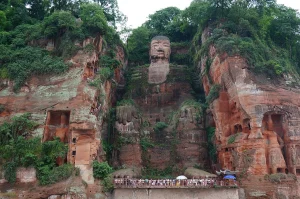
Look at Leshan’s Giant Buddha as sculpture within a cliff, giving the open upper area time before one nearby cultural choice. The head and Lingyun setting can make a complete visit without a compulsory descent to the feet. Put a seated meal and the Leshan hotel return around the chosen effort.
This guide is for travellers interested in the monument itself and a stay in Leshan. Use 乐山大佛, 凌云山 with the agreed entrance or visitor centre when arranging transport. For a holiday that continues to Mount Emei, the Emeishan and Leshan planner develops that separate mountain programme and its overnight bases.
The choice at a glance
| Interest | Core visit | Keep separate |
|---|---|---|
| Sculpture and cultural setting | Open upper Buddha viewpoint and one selected Lingyun cultural place. | A descent to the feet, extra halls and a river ticket. |
| A lower viewpoint | Current managed descent and the full return, if suitable. | A promise that the historic Nine-Turn route is open. |
| Figure in the river landscape | An authorised daytime sightseeing boat when operating. | Land admission, night cruises and cross-river transport. |
The upper visit is still a hillside outing. Reaching a viewpoint, standing in a queue and returning through the managed route all count towards the day’s effort. Describe difficulty with stairs or downhill walking before choosing it; “no descent to the feet” does not mean a level, step-free visit.
Start with the figure, rather than a staircase
The Buddha represents Maitreya. In its March 2026 historical clarification, the scenic authority pointed to the Jiazhou Lingyun Temple inscription and local records identifying the sculpture. Haitong initiated the Tang-period project, with Zhangchou Jianqiong and Wei Gao continuing the work after him. That sequence gives a useful subject for interpretation: a monumental undertaking carried forward across different people’s lifetimes. The authority’s account reported by Sichuan Daily explains the historical basis.
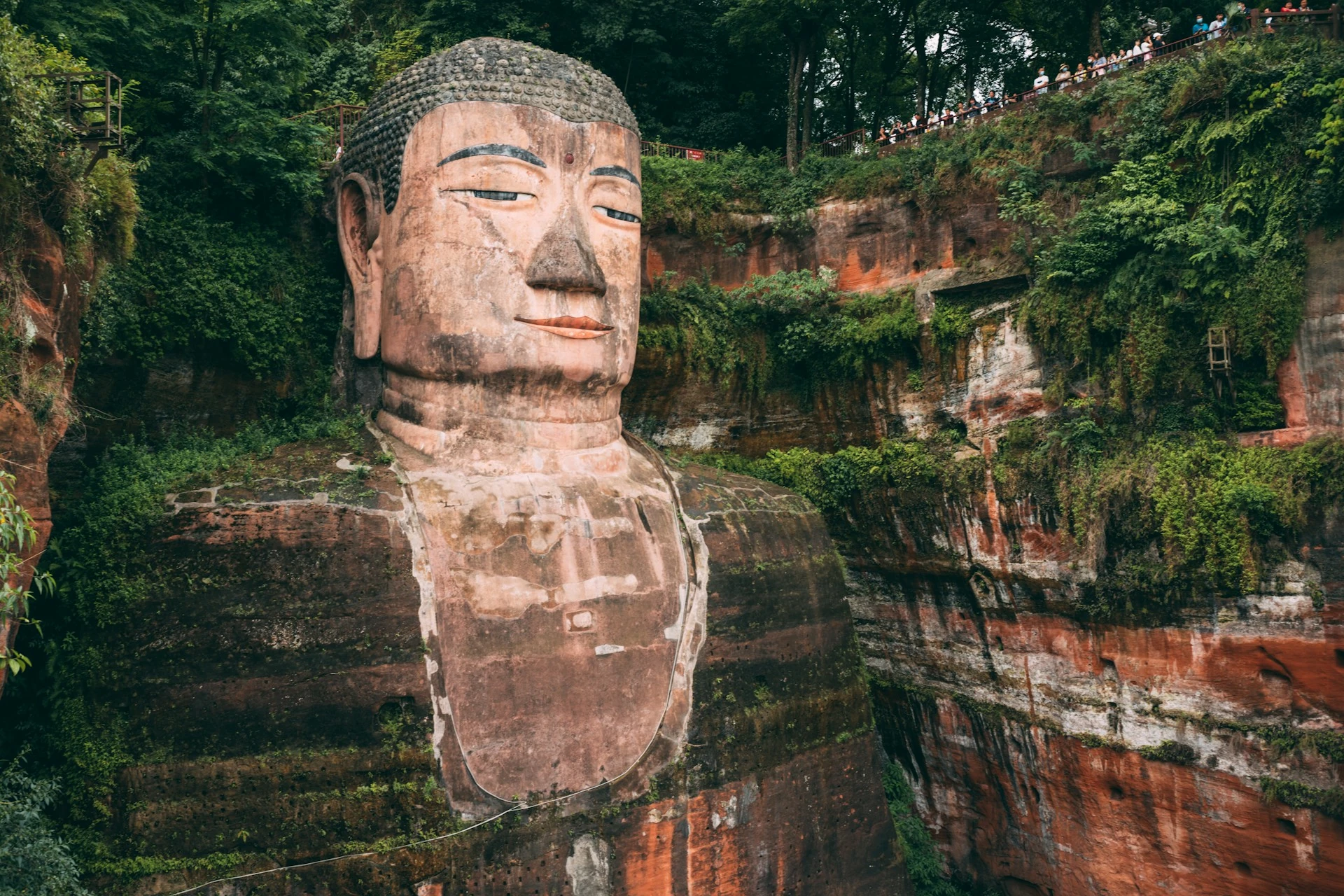
When the public route allows, begin with curls, face proportions and carved figure against rock. The 2024 Zhejiang Daily report describes an upper position beside the curls with the feet far below. It explains that perspective without guaranteeing the same standing point for every visitor.
Choose between close detail and whole-figure relationship. Near the head, concentrate on expression, form and individual scale; farther away, seated posture and cliff become clearer together. Set that preference before committing to stairs or a separate river ticket.
Pause for an explanation of the sculpture’s outline in the hill and the features actually visible from the platform. Let interpretation finish before moving. Observation needs no touch, reaching or lean past a barrier.
A protected monument with a continuing history
The date of the original carving does not date every visible surface, repair or water channel. Sandstone exposed to rain and moisture needs continuing care. Looking at the Buddha as an object that has been maintained through time is more accurate than expecting an untouched surface preserved exactly as the Tang builders left it.
The Sichuan Provincial Institute of Cultural Relics and Archaeology’s conservation account explains why water is central to that work. Rain on the surface and water moving through the hill are related problems, but not identical ones. Drainage passages behind the head, shoulders and chest help explain the less visible side of protecting a cliff sculpture.
There is a useful qualification to the familiar story about ingenious ancient drains. In a 2020 interview, researcher Peng Xueyi distinguished the passages handling seepage from the surface grooves among the curls, and explained that the latter were not built at the same time as the Buddha. Avoid treating every channel as one unchanged original system. These are subjects to understand through interpretation; conservation passages are not part of a visitor exploration route.
The monument also once had a timber covering. Its history and the later work on the exposed sculpture belong to the story of protection. Do not expect the former structure to stand intact today, or assume that monitoring equipment, research rooms and restoration work can be visited. A conservation barrier may limit a photograph while protecting the reason you came.
Choose one cultural stop on Lingyun Mountain
After the main Buddha block, choose one cultural place according to interest and current circulation. The March 2026 introduction names Lingyun Temple, Dongpo Tower and Su Garden. That list provides options without establishing every room and path open.
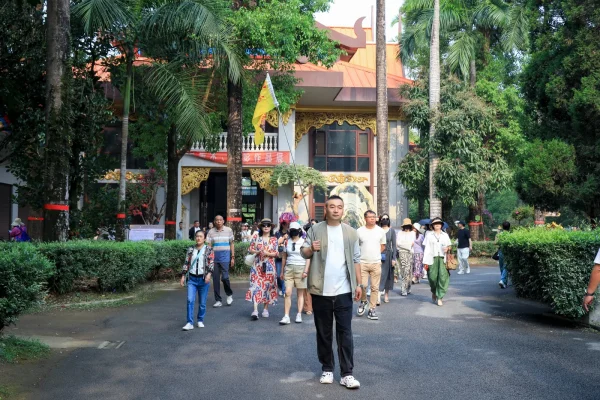
For Lingyun Temple (凌云寺), consider how temple setting and Buddha relate. Give the admitted approach and courtyards attention before another distant stop. Follow hall and photography rules, respecting worshippers; food, ceremonies and English interpretation remain separate.
Dongpo Tower, 东坡楼, suits a literary or interpretive emphasis when its current public area or exhibition is available. An October 2026 reporter’s visit described a cultural presentation there. The performance was a dated programme, not evidence of a daily show now; the building’s name also does not prove that the present rooms are an unchanged home of Su Shi. Ask what is actually on view before choosing it as your extra stop.
Choose Su Garden (苏园) for a change from another interior only if the additional walk suits. Check its approach, open part and return. The name guarantees neither seats, particular flowers nor an effortless route.
Omit the extra stop if the upper Buddha already uses the comfortable walking allowance. There is no need for all three cultural places, a pagoda and every cave. Agree any split before separating, with a suitable shorter option and clear reunion.
The descent is a separate commitment
The operator’s notice signed 7 October 2026 identifies the historic Nine-Turn Plank Road as closed for maintenance, with the Lingyun Plank Road then serving the approach to the feet. It also announces winter maintenance of the Lingyun Mountain night visit. Read these as dated operating instructions and check for subsequent changes; the notice is not an inspection of today’s route.
Before descending, establish the operating path, direction and complete return, including climb back or actual exit. A lower-view photograph says nothing about queues or stamina afterwards. Choose that whole commitment rather than just the view at its end.
For someone uncomfortable with sustained steps, keep the upper cultural visit as the intended programme if its actual approach is manageable. Do not make a reluctant descent sound compulsory simply because another member of the party wants a particular photograph. Current barriers and staff directions take precedence over an old walking map.
The published winter operating notice separates daytime land admission, daytime sightseeing boats, night river cruises, a cross-river service and local sightseeing vehicles. Their names should not be collapsed into one “Buddha ticket.” The night-cruise pier in that notice does not establish the boarding point for every daytime boat.
If you prefer the whole figure from the river
A permitted daytime sightseeing boat can be a useful alternative when your priority is the figure’s relationship with the river and cliff. It is a different visit from spending time beside the head or in Lingyun’s cultural places. A sailing does not automatically provide land admission, temple time or transport back to your hotel.
Ask for the actual operator, boarding pier, ticket, boarding requirements and disembarkation point for the selected date. Include the journey to and from the pier, steps, waiting and any local vehicle connection. A boat may reduce hillside walking while still being demanding for someone with difficulty boarding or standing.
Water levels and weather can affect operation. If a boat stops running, a stair-heavy land visit is not an automatic substitute for a passenger who cannot manage it. Agree whether a suitable open cultural visit, a quieter city day, postponement or another option fits, along with the applicable cost and change terms. Neither clear light nor an unobstructed photograph is an inclusion.
A complete Leshan day around the sculpture
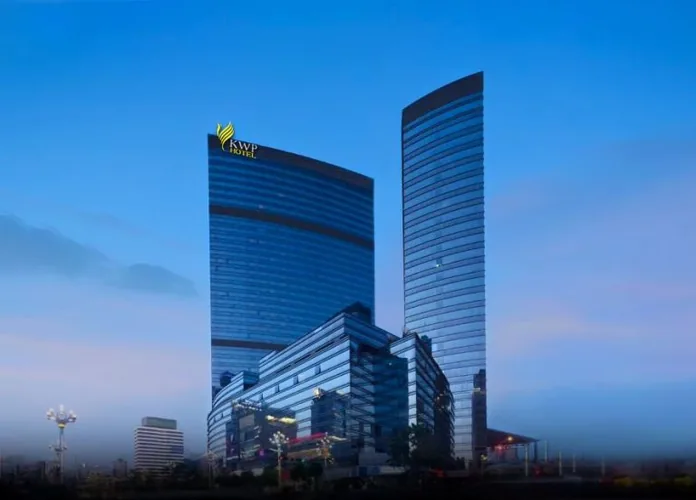
From a Leshan base, begin with the agreed road approach to the correct entrance. Leave time for document inspection, toilets and the actual walk to the selected viewing area. A city hotel and a scenic gate are different locations; the transfer ends where the vehicle can legally stop, not necessarily where the main viewing begins.
Use the first block for the Buddha and focused explanation, then assess the descent from current routing and energy. If adding a cultural place, give it its own reasonable time. Do not rush it merely as a passage to lunch.
Plan a seated meal after the visit, or before it if the accepted entry arrangement makes that more practical. Choose the meal location with the real exit and collection point in mind. A list of Leshan snacks does not replace lunch, and an informal food-street stop does not establish ingredients, suitable seating or a restaurant reservation.
After lunch, return to the hotel or use only the genuinely available time for a short city outing. Keep a same-day departure separate from this outline: collect any stored luggage, allow the full station transfer and follow the issued boarding requirements. Leshan Railway Station is a transport arrival point, not the attraction entrance.
Keep a Leshan base and count the nights
| Stay | Suggested sequence | Hotel nights |
|---|---|---|
| 3 days / 2 nights | Arrival; focused Buddha day; departure. | Two in Leshan. |
| 4 days / 3 nights | Arrival; Buddha day; separate local or railway excursion; departure. | Three in Leshan. |
| 5 days / 4 nights | Chengdu arrival; transfer to Leshan; Buddha day; return to Chengdu; departure. | Chengdu one, Leshan two, Chengdu one. |
Two Leshan nights give one full local day between arrival and departure. This is a useful shape when the Buddha is the reason for the stop and you do not want the cultural visit squeezed between trains. Keep arrival evening simple enough to settle in, eat and prepare for the next morning.
An additional Leshan night creates a separate day for another main interest. The Jiayang railway and Bagou guide explains a different excursion in the wider Leshan area. It involves its own road approach, train arrangements and complete return; it is not a nearby add-on to the Buddha visit.
For the five-day Chengdu-return version, the four nights are Chengdu one, Leshan two and Chengdu one. That still gives one full Leshan day, with transfers on either side. Continuing to Mount Emei instead changes the final base and baggage plan; use the combined planner rather than assuming a summit day fits into the departure margin.
Passports, costs and the written day plan
Ordinary overseas visits are documented, including an International Online report of a Polish visitor at the attraction. That supports the general visitor context. It does not demonstrate that every online form, passport type or inspection point works identically on your date.
Use the original passport matching the accepted booking. Have the booking service identify the actual ticket category, date or entry session, collection procedure and inspection point. If a form only accepts Chinese resident identity-card details, obtain the correct authorised procedure rather than entering invented information. A driver reservation alone does not secure attraction admission.
| Part | Detail in the accepted arrangement |
|---|---|
| Admission and access | Date, passport channel, named entrance, open viewpoint and selected cultural place. |
| Interpretation and meal | Language, meeting point, time with the interpreter, meal location and payment basis. |
| Transfers and accommodation | Actual vehicle, waiting, baggage custody, final hotel or station transfer and room nights. |
Price on request. A Verotrip proposal should identify the actual services arranged for your dates. Admission, river tickets, local sightseeing vehicles, guiding language, transport waiting, lunch, rooms and personal insurance are separate items unless expressly included. A planning example does not establish a confirmed departure or an English-speaking staff member at every point.
Walking, weather and belongings
Explain stair limits, difficulty descending, a pushchair or wheelchair, and how long you can comfortably stand before the route is selected. Ask about the actual gate approach, seating opportunities and exit. A shorter programme should reduce effort across the whole visit, including the return, rather than only removing one named attraction.
Wear shoes with grip and carry a manageable day bag with documents, water, essential items and weather protection. Wet steps, exposed waiting and summer heat can change how the same route feels. Keep the larger suitcase at an accepted hotel storage point when returning there, with collection times and responsibility established.
If continuing directly to another base, confirm the vehicle’s baggage capacity and where bags remain during the visit. Keep valuables and documents with you. Neither a scenic-area shuttle nor a distant rail ticket is an arrangement to store luggage or carry it to your next room.
When conditions change, preserve the purpose of the day where practical: a manageable cultural visit, a meal and a clear return. A closed stairway is not a reason to follow an unmarked track, approach the water outside managed access or enter a maintenance area. A different open programme should be chosen for the actual people travelling.
Questions before visiting the Giant Buddha
Is the visit worthwhile without going down to the feet?
Yes, if your interest is sculpture and the hillside cultural setting. The open upper viewing area can support close observation, with one additional cultural stop when suitable. Confirm its actual approach and return; avoiding the lower descent does not remove every step.
Can I see the ancient drainage system?
Interpretation can explain surface channels and hidden seepage passages, but those passages are not a visitor route. Different features belong to different periods of construction and repair. Do not expect access to research facilities or every feature from a public platform.
Does a boat ticket include Lingyun Temple or the walking visit?
Do not assume so. Identify the exact river product and any separate land admission. A combined day needs the connections, meal, boarding and final return planned, rather than two tickets with no time between them.
Should I stay in Leshan or return to Chengdu?
Two Leshan nights protect one full local day and simplify luggage for a focused visit. A Chengdu return suits a different city-based holiday when the complete road day works. Choose according to your onward journey and walking needs, not just the attraction list.
Plan a sculpture visit with a complete return
The existing one-day Leshan outline from Chengdu uses one selected land or river visit, a meal break and a Chengdu finish. It is a different transport pattern from the Leshan-based stay here, and it does not include every cultural stop, both viewing formats or Mount Emei by default.
Send Verotrip your dates, arrival and departure details, hotel location, party size, language needs and walking limits through Plan My Trip. Say whether your main interest is the Buddha’s sculpture, one cultural place or the river perspective. Ask for the entrance, permitted visiting sequence, meal, baggage arrangement and complete finish to be stated together.