Preparing for an Abuji Tso hike means assessing three separate things: whether the chosen route is permitted, whether you can manage its complete return journey and how you respond to high altitude. A new jacket or a fast walking pace cannot answer all three. Use this guide to organize the decisions before you organize the backpack.
The reported new route is approximately 28km return; the old-route outline used here is approximately 12km return. Diqing’s September 2026 notice restricts the Xilianpen new approach. Preparation is for evaluating a permitted outing, not for overriding an access restriction.
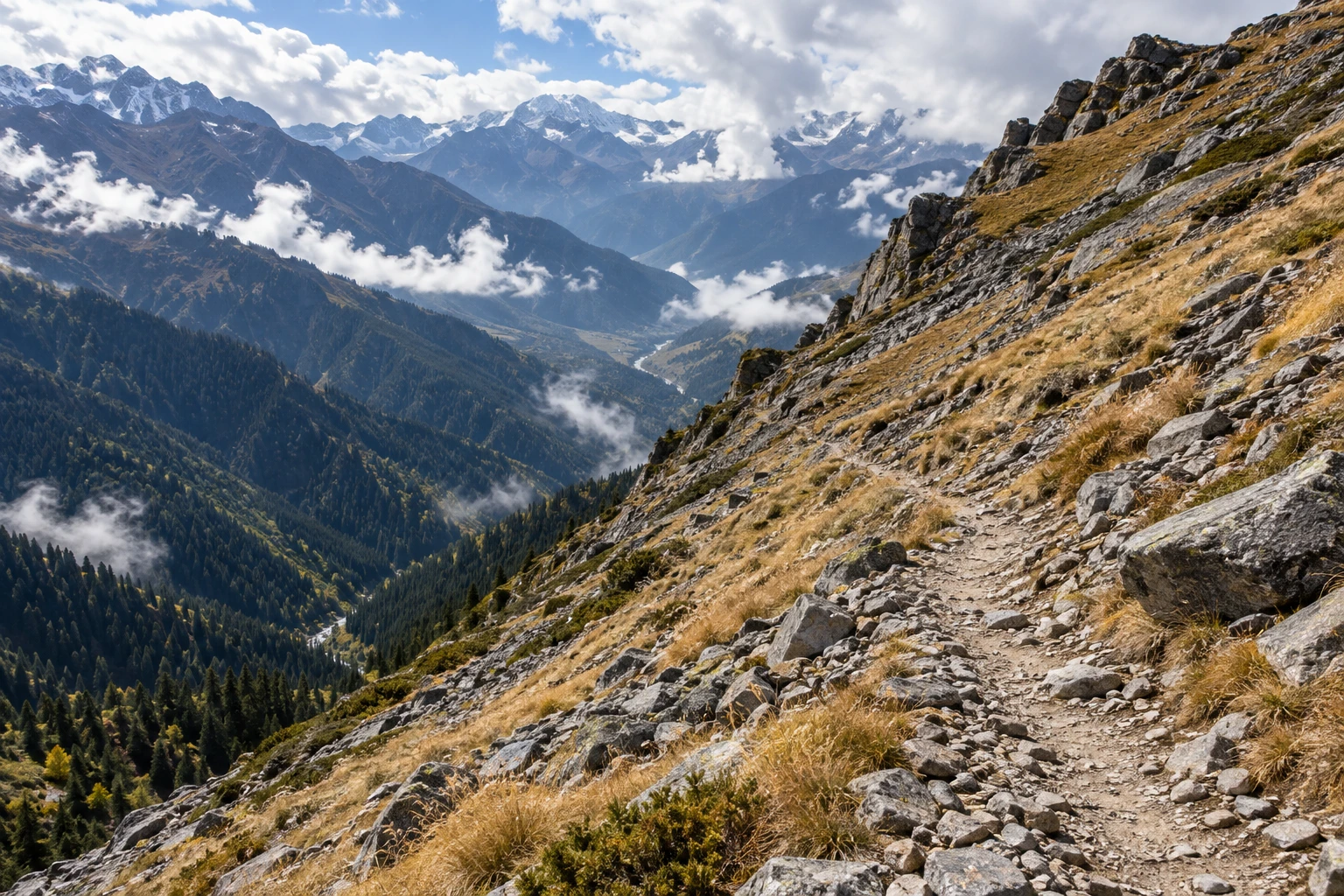
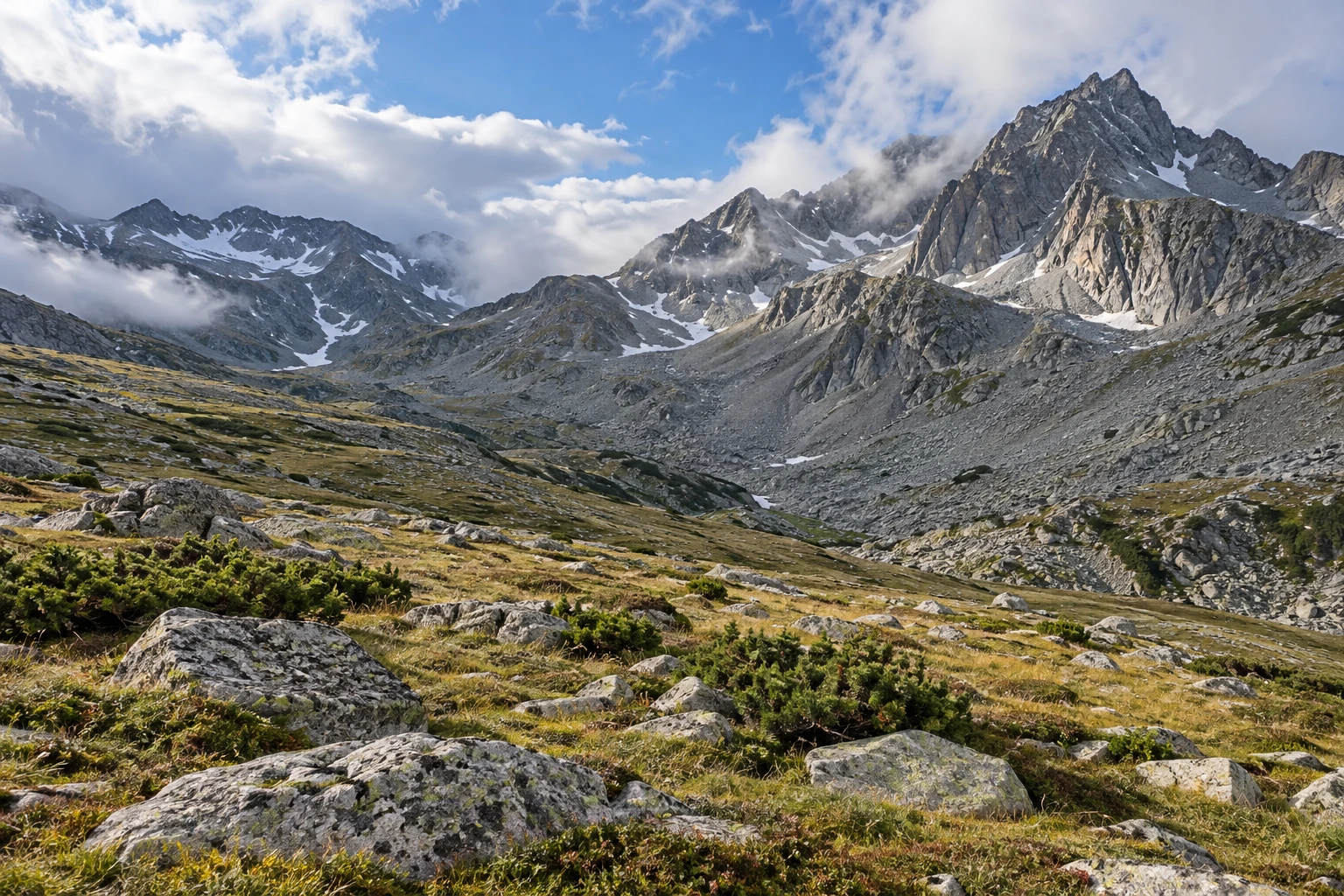
The cover and landscape image are illustrated regional illustrations, not photographs of current trail conditions.
Separate fitness from altitude readiness
Good fitness helps with a sustained walk, but it does not prevent altitude illness. CDC guidance emphasizes gradual ascent and time to acclimatize. Do not schedule a demanding mountain objective immediately after a rapid arrival from low altitude simply because you regularly exercise at home.
Describe your recent walking honestly when planning with a guide. Include the kind of ground, length of descent and weight you carried. A long city walk, a smooth countryside trail and a mountain return hike ask different things of you. Past experience helps the discussion, but it does not create a guarantee.
Build flexibility into the first part of a Shangri-La stay. A gentle local day gives you time to settle in and reconsider the mountain plan. There is no fixed number of sightseeing days that guarantees every person will be ready. If health conditions, previous altitude problems or medication questions affect your trip, discuss the itinerary with a clinician familiar with altitude travel.
Recognise when the plan must change
Headache with symptoms such as nausea, dizziness or unusual fatigue after ascent needs attention. Do not continue higher with symptoms of altitude illness; worsening symptoms call for descent and medical help. Confusion, difficulty walking normally or breathlessness at rest require urgent assistance. A small oxygen can is not a substitute for an effective emergency and descent plan.
Agree how a concern will be communicated before the group becomes spread out. A traveler should be able to say they need to stop without feeling they are spoiling the day. The important outcome is a controlled return, not having every participant reach the same photograph.
Test the walking setup before travel
Use footwear you already know on uneven ground and descents. Try your daypack with the equipment you expect to carry, including water and camera gear. Check whether the pack remains comfortable when you take a jacket off and stow it. A bag that feels light in a hotel room can feel different after hours of walking.
If you use poles, practise with them beforehand and learn how to stow them securely. Keep straps and loose equipment from catching on shrubs or other walkers. Choose layers you can adjust during a short stop, so you can respond to changes without unpacking everything.
| Item group | Practical purpose | Check before leaving |
|---|---|---|
| Familiar walking footwear | Grip and comfort on the agreed terrain | Fit, wear and suitability for descent |
| Weather and insulating layers | Adjusting between walking and stops | Accessible placement and dry storage |
| Food and drinking water | The agreed self-carried supply | Quantity and responsibilities with the confirmed plan |
| Headtorch and backup power | Contingency for delays | Charge, function and accessible storage |
| Phone and offline information | Agreed itinerary and contacts | Communication plan beyond ordinary mobile service |
| Personal essentials | Your normal needs during a long day | Medication questions with your clinician; no assumed rental supply |
Pack for pauses as well as walking
People often choose clothing for the effort of climbing and forget that rest stops feel different. Keep an insulating layer and weather protection accessible. Protect spare clothing from rain inside the pack rather than relying on the outer fabric alone. Gloves and head protection should be available without a long search.
Agree your food and drinking-water plan in advance. Confirm what you carry yourself and what, if anything, a confirmed service provides. Do not base the day on a stall, hut or hot meal seen in an old photograph. Include food you already tolerate during walking and plan a meal after returning to town.
Keep electronics useful and simple
Charge your phone and backup power before leaving. Keep important information available offline, including the agreed itinerary and contact details. A downloaded route recording can help with orientation, but it is not evidence that a path is permitted or currently passable. A plan should explain how the group communicates if normal mobile service is unavailable.
A headtorch is a sensible contingency for delays; it should not be used to justify an itinerary that depends on finishing an unfamiliar mountain route in the dark. Keep navigation and emergency responsibilities with appropriately prepared people rather than assuming every traveler can resolve a problem with an app.
Ask about the complete emergency arrangement
Ask who makes turnaround decisions, how the group stays together and what happens if one person cannot continue. Establish the communication equipment and realistic evacuation plan for the actual route. A vague statement that “there will be rescue” does not explain how assistance can be reached or who is responsible for the remaining group.
Check your own insurance wording for the planned activity, altitude and evacuation requirements. A tour operator’s liability cover and a traveler’s personal medical or rescue cover serve different purposes. Read the policy rather than assuming the word “hiking” covers every itinerary.
| Before confirming | A useful answer |
|---|---|
| Which entrance and route? | The exact permitted version for the proposed date |
| What walking experience fits? | Terrain, descent, pack weight and realistic group pace |
| How does the group turn back? | A clear responsibility and communication arrangement |
| What if the route is unavailable? | A named, acceptable alternative and change terms |
| What is actually included? | A written scope rather than assumptions from photos |
Adapt the plan to the people, not the other way around
For a mixed-ability group, choose an outing around the person with the least suitable experience and leave room for everyone to enjoy it. Discuss children’s needs, mobility limitations and dietary arrangements before selecting the route. A long hike does not become a family activity simply because a product photograph shows a family.
Keep a meaningful alternative available. A day focused on culture, a managed park walk or a quieter local outing can still give a Shangri-La trip shape when a mountain objective is unavailable or inappropriate. Changing the plan early is easier than trying to solve suitability at the trailhead.
Questions to settle before confirming a departure
What does a guide need to know about us?
Your recent hiking experience, response to altitude, normal walking pace, relevant health or mobility considerations, dates and the equipment you expect to carry. Share the details needed to assess the outing rather than only a general fitness label.
Can we rent everything locally?
Only rely on equipment whose availability, size and condition have been confirmed. Test essential items before the walking day. There is no rental package included in these route references.
Should we book an onward flight for that evening?
Keep the mountain day separate from an essential same-evening connection. Build the wider travel plan around a realistic return and a buffer.
Compare the new and old routes, then use Plan My Trip to discuss a suitable available itinerary.
Reviewed 28 October 2026. Health reference: CDC Yellow Book: high-altitude travel and altitude illness. Access reference: Diqing visitor notice. This guide supports trip planning and does not provide an individual medical assessment.