The Abuji Tso old route is best understood as a mountain return hike of approximately 12km, not a short stroll that happens to finish at a lake. The sequence used here is Jiye Camp → Despair Slope → Big Platform → Abuji Tso. Its shorter distance compared with the 28km new route makes the ascent, descent and exact trailhead more important to your decision, not less.
Confirm exact-date access for the old-route entrance. The Xilianpen approach is separately restricted, and this outline is not a way to bypass that restriction. All landscape pictures on this page are travel illustrations rather than verified checkpoint photographs.
Start with the correct version of the route
Keep the Chinese sequence with the itinerary: 集野营地 → 绝望坡 → 大平台 → 阿布吉措. “Old route” is a useful shorthand, but it does not pin down a meeting point. An older description beginning at a named pasture should not automatically be assigned to a proposal beginning at Jiye Camp.
Local reporting has described the return walk as approximately 11km or 12km. We retain 12km as the planning figure supplied for this route. Before arranging a day, confirm the actual start and the point at which you turn around. Distinguish reaching a viewpoint from reaching the lake edge, and keep any additional circuit separate.
| Stage | Planning focus |
|---|---|
| Jiye Camp / 集野营地 | Exact start, vehicle collection and what you carry |
| Despair Slope / 绝望坡 | Sustained effort and a controlled return descent |
| Big Platform / 大平台 | Rest and a decision about continuing |
| Abuji Tso / 阿布吉措 | Defined turnaround and time to appreciate the lake |
Jiye Camp · 集野营地: make the start unambiguous
An exact meeting point makes the rest of the day easier. Establish whether the outward vehicle brings you directly to the agreed walking start and whether you return to that same point. Ask where spare luggage stays and what you need to carry. “Meet at the camp” is too vague if several people are using different place names.
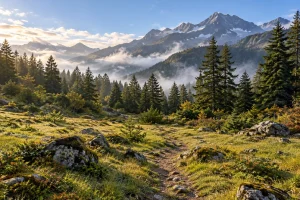
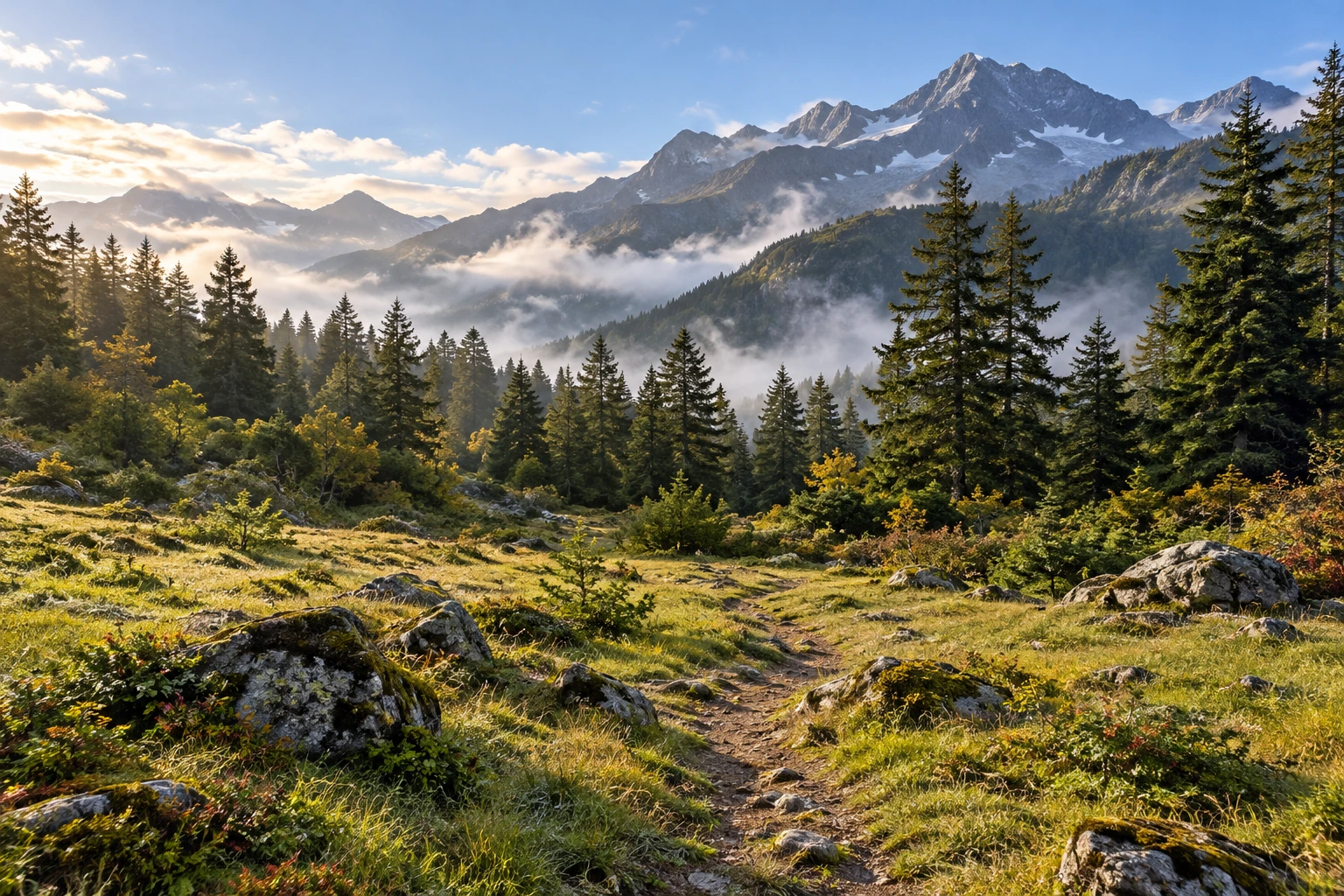
The cover is a generic forest-edge landscape. It does not show Jiye Camp buildings, toilets, a shop or a hotel. If those facilities matter to your group, request current information about the actual meeting place rather than reading them into the word “camp.”
Despair Slope · 绝望坡: plan the descent as carefully as the climb
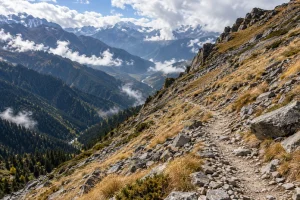
The slope’s memorable name appears in descriptions of the old route. Treat it as a prompt to discuss the walking surface and sustained effort. Climbing slowly can make a day more manageable, but a slower ascent also changes the time left for the lake and the return. The day’s plan needs to absorb that change.
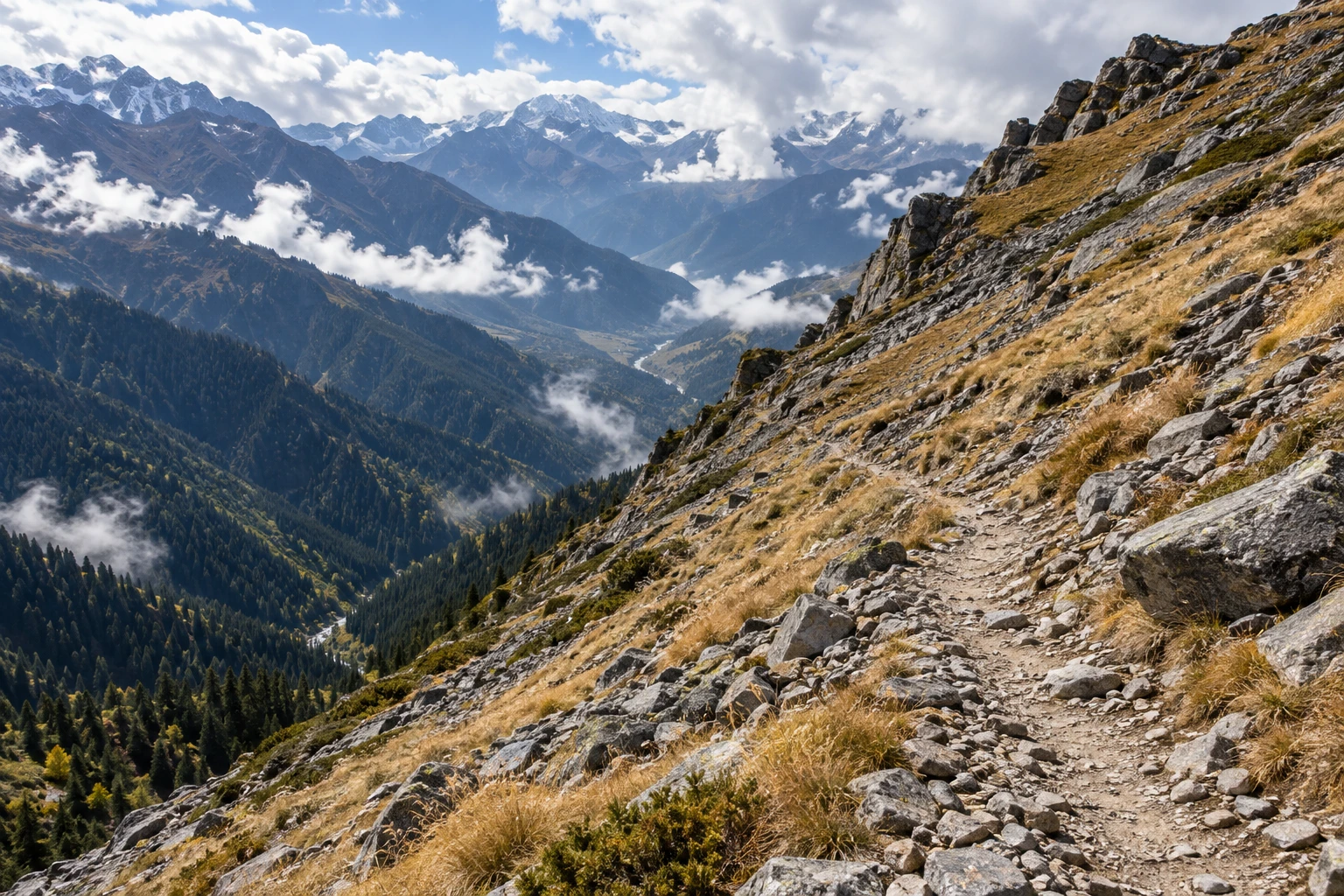
The descent deserves its own margin. Tired walkers may move differently over uneven ground, especially when carrying a camera or stopping frequently. Keep your hands available, pack equipment before moving and avoid allowing a photograph to pull attention away from footing. Familiarity with poles and footwear is more useful than buying them immediately before the trip.
Ask how the group handles a participant who wants to turn back. A useful answer explains who stays with that person and how the rest of the group is managed. It should not depend on someone finding an unknown ride down or waiting alone without a communication arrangement.
Big Platform · 大平台: use a real decision point
A named resting stage can help a group reassess its day. Consider the time already used, the weather, people’s condition and the complete return, rather than asking only how far the lake looks. An early turnaround can preserve a rewarding outing even when the original destination is no longer suitable.
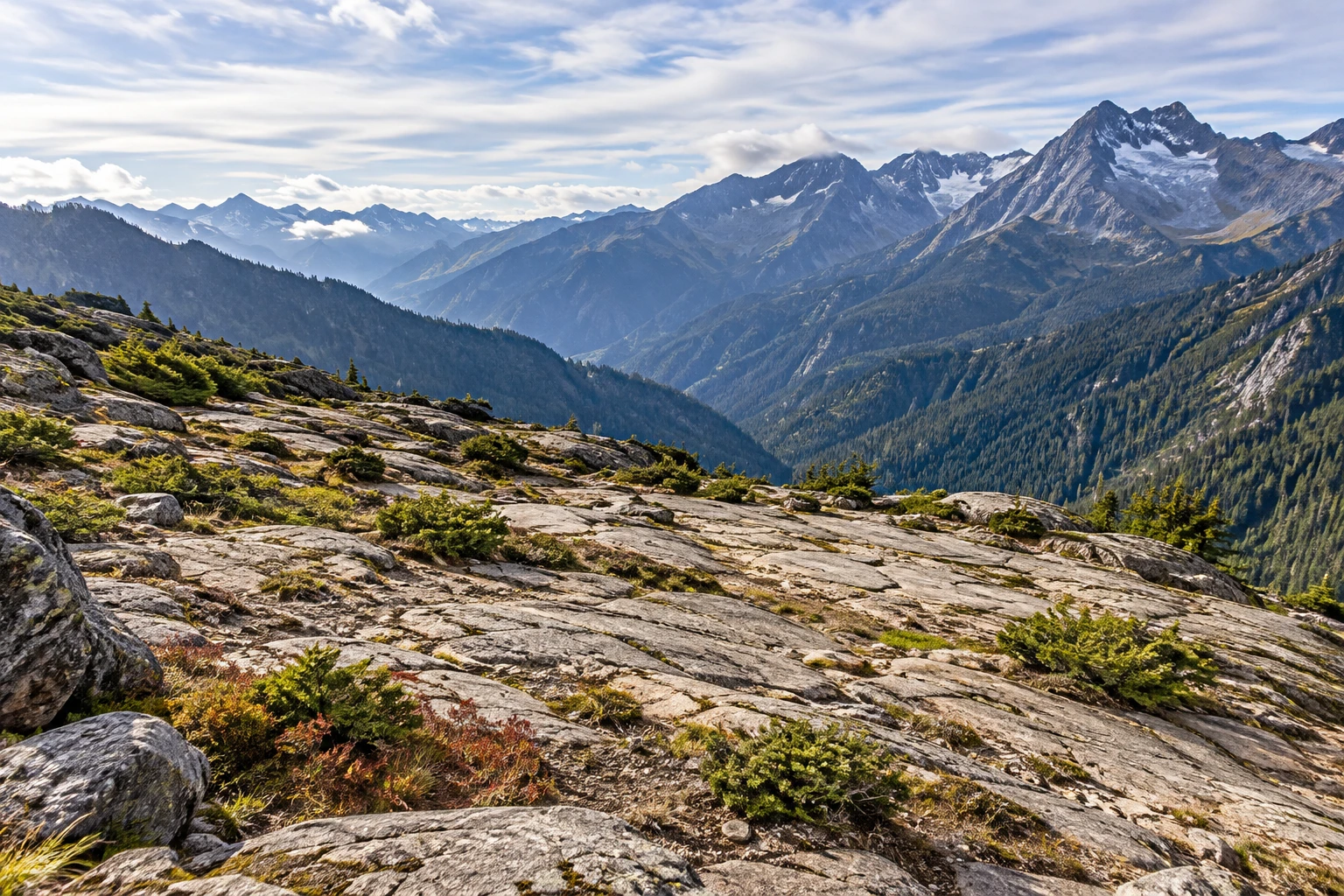
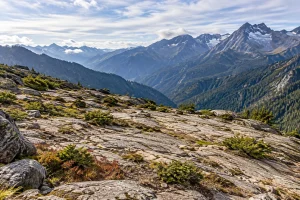
The English word “platform” can suggest a constructed viewpoint, but that is not established by the name. This guide does not promise railings, seating, shelter or a serviced lookout. The accompanying picture illustrates a natural mountain shoulder and should not be used to identify the real location.
Abuji Tso · 阿布吉措: give the lake a place in the schedule
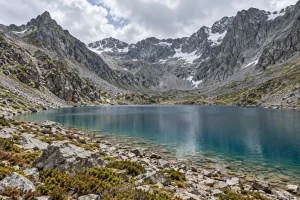
The reward of a lake walk is more than arriving. A planned stop leaves space to notice the water, the rock slopes and the way cloud changes the light. If the only available pause is a hurried photograph before an urgent descent, reconsider whether the proposed day is too tightly packed.
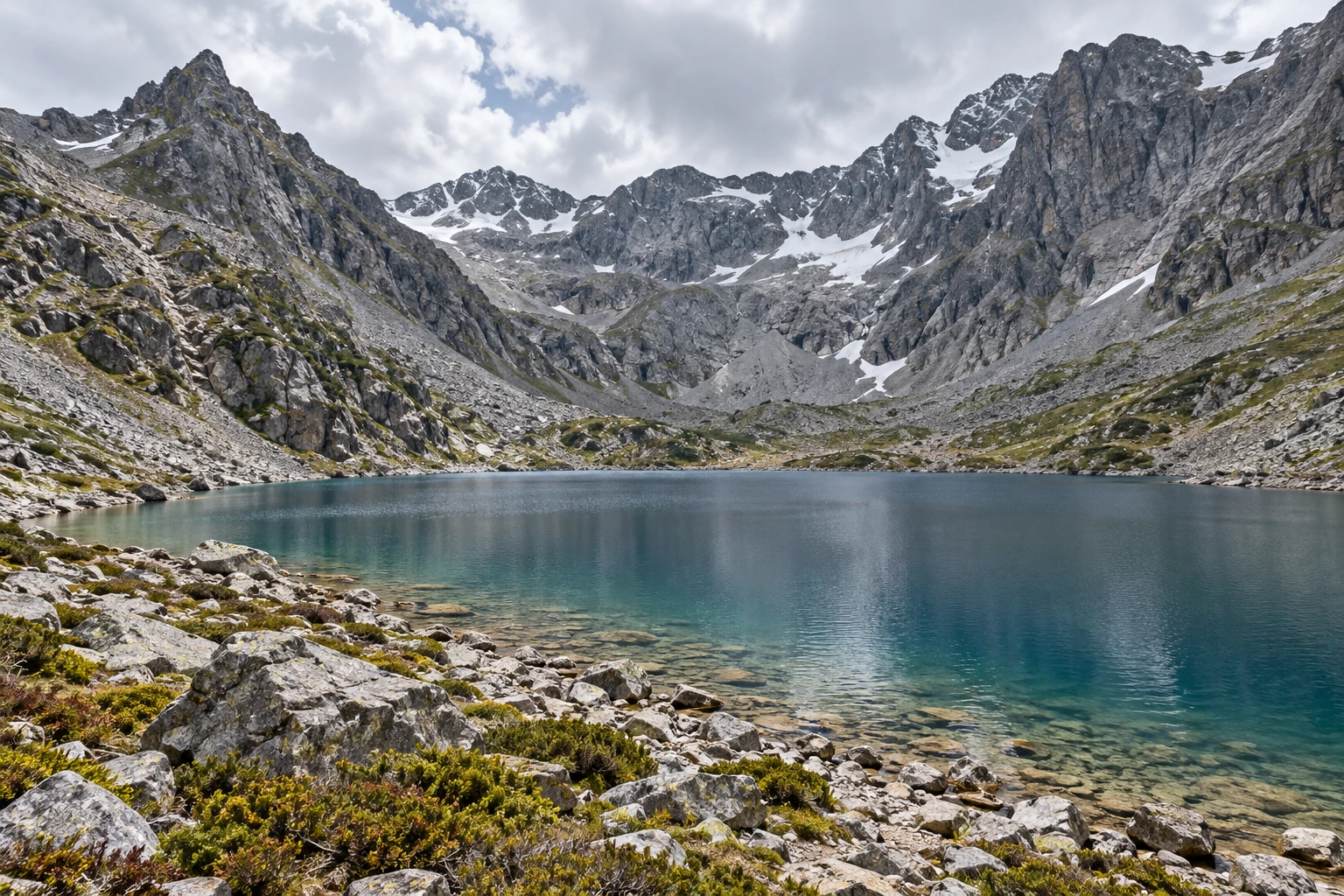
Keep the destination within the agreed scope. A lakeside rest does not include a swim, a shore circuit, camping or an ascent to another viewpoint. Those changes can affect access, effort and timing. Take photographs from a stable place within the permitted visitor area rather than searching for a precarious foreground.
Build a day that returns comfortably
Work backward from the required return to the agreed pickup point, keeping a margin for rests and slower movement. The outward transfer, start checks and food stops also occupy time. Published walking durations describe someone else’s outing; they should not become a guaranteed return time for your group.
Keep your Shangri-La accommodation for the evening unless a later travel arrangement has been deliberately assessed. Avoid treating an intercity train or flight as the motivation to hurry the descent. If your wider trip leaves no flexibility, compare a shorter managed visitor programme instead.
| Settle this | Ask for |
|---|---|
| Start and finish | Chinese meeting-point name and return collection point |
| Walking scope | Lake edge or viewpoint; whether any extra circuit is excluded |
| Pace | Rest plan and the decision if one participant turns back |
| Services | Guide role, language, transfers, meals and equipment |
| Changes | Cancellation terms and an accepted alternative if unavailable |
Who should think carefully before choosing this hike?
Be specific about your experience: recent long walks, rough descents, time spent at altitude and the pack you normally carry. “We are active” covers a wide range of abilities. A group containing different ages and walking speeds may need a different day from a group that regularly hikes together.
Read the readiness, altitude and packing guide before deciding. Mountain fitness and acclimatization are separate considerations. A shorter route is not a medical assessment, and a previous successful mountain holiday does not guarantee the same response this time.
Common questions about the old route
Is 12km the exact distance from every old-route start?
No. It is an approximate planning total for the named outline. Ask for the confirmed start, destination and return arrangement rather than relying on the rounded distance alone.
Does Jiye Camp include overnight accommodation?
The name does not establish accommodation. A day itinerary should list hotel nights separately, and an overnight mountain stay would require its own confirmed arrangement.
Can I add the new-route pastures to the return?
That creates a different itinerary. It also raises different access and collection-point questions. This guide covers the old-route return outline only.
Where can I discuss an appropriate day?
Use the old-route reference page or send your dates and walking experience through Plan My Trip. Compare the two route types before choosing.
Reviewed 28 October 2026. Route context: Diqing Daily, May 2024 and April 2026 local overview. Access must be checked for the exact route and date.