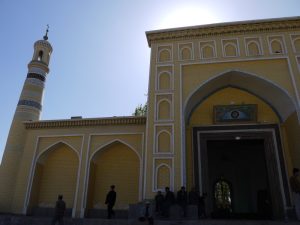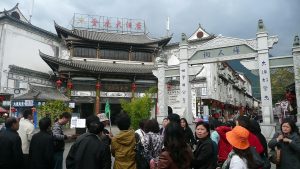
For a Laos–China–Tajikistan overland trip, settle the Tajikistan entry and vehicle arrangements before fixing the drive across China. A planning corridor enters China from Boten at Mohan, crosses Yunnan and the selected inland route to Xinjiang, then approaches Karasu–Qolma from the Kashgar and Taxkorgan area. It is a substantial journey through China, not a short connection between neighbouring border posts.
Prepare the route as three linked arrangements: leave Laos and enter China; travel legally across China with the vehicle; then complete China departure and Tajik entry. Each traveller’s nationality, the vehicle’s registration country and class, the travel dates and the chosen crossing matter. A visa or passenger entry stamp does not by itself admit the car.
Updated 24 October 2026.
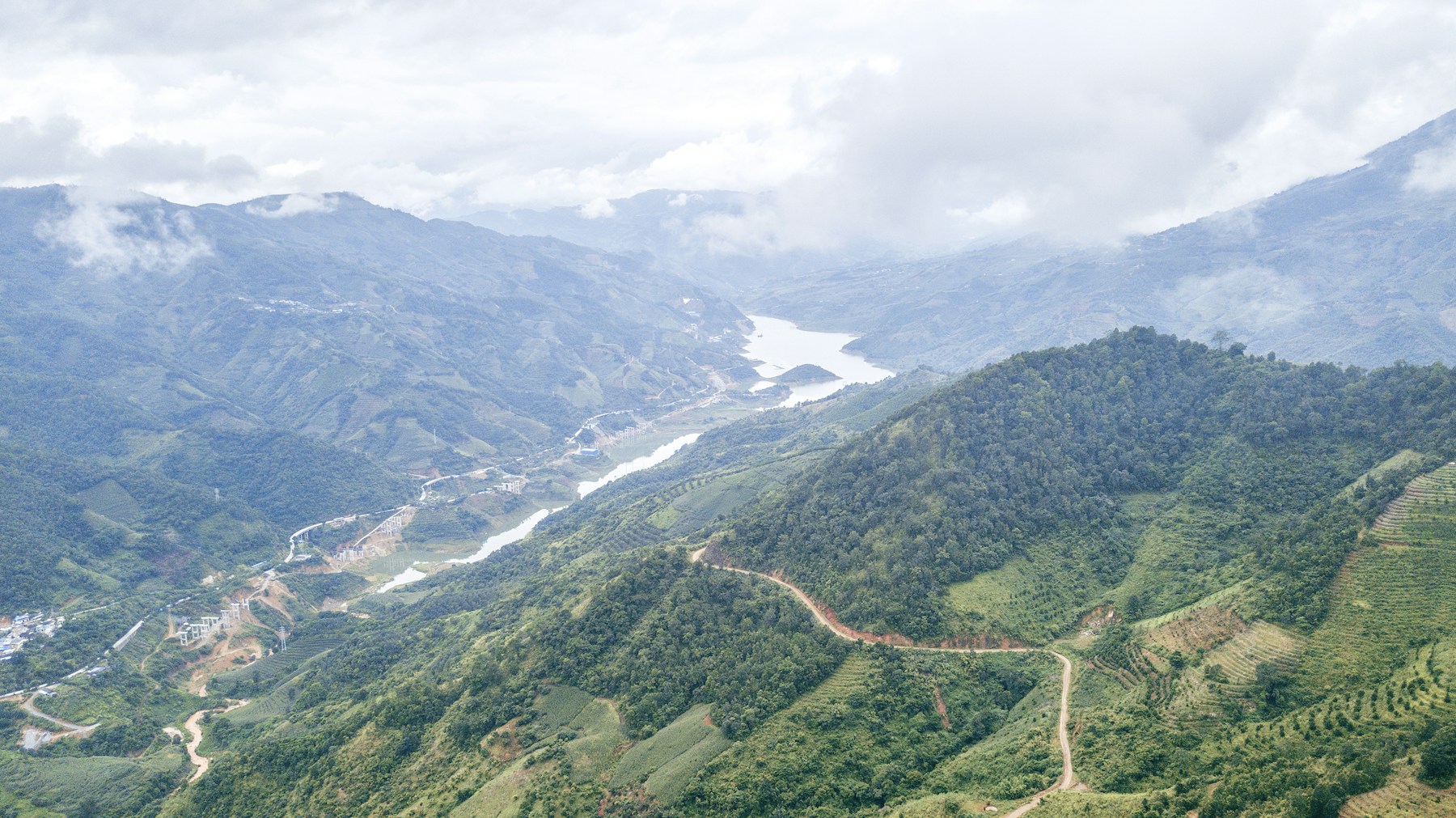
Lancang, in the wider Pu’er area shown above, is an optional detour requiring additional route planning.
Which crossings does this route use?
The China–Laos border-port agreement identifies Mohan–Boten as an international passenger-and-cargo road crossing. Use the road-channel meeting point for a vehicle journey. Information about the international train and its railway checkpoint does not establish where a foreign car must report or how its formalities work.
At the other end, the 2011 China–Tajikistan port agreement names Karasu–Qolma as an international road passenger-and-cargo crossing permitting third-country people and transport. It locates the Chinese side in Taxkorgan and the Tajik side in the Murghob district of Gorno-Badakhshan. Its provisions also allow operating arrangements and temporary restrictions. Obtain current instructions for the actual traveller and vehicle; a year-round port designation is not a guarantee of daily admission.
English spellings include Karasu or Kalasu, Qolma or Kulma, and Taxkorgan or Tashkurgan. Save the Chinese names, map pins and the receiving teams’ contacts. Ask whether the meeting point, vehicle office and physical frontier are separate locations. Do not navigate to a place labelled “border” and assume it is the agreed reporting point.
Build the China section in stages
The following is a corridor for a route discussion. Rows are not driving days, hotel reservations or an approved itinerary. The exact inland roads and overnight list need to fit the vehicle documents, access arrangements, weather and your group’s pace.
| Planning stage | Names to keep on the route sheet | What to decide |
|---|---|---|
| Laos → Boten / Mohan road crossing | 磨丁 / 磨憨 | Complete the traveller and vehicle arrangements on both sides; agree the first China night and where procedures take place. |
| Yunnan: Mengla / Jinghong → Pu’er → Kunming | 勐腊 / 景洪 → 普洱 → 昆明 | Choose a direct staging route or add specific Yunnan stays; do not attach a long drive to an assumed quick border release. |
| Selected inland corridor through Sichuan and Gansu | 四川、甘肃内陆衔接 | Select actual roads and overnight bases; adding a plateau or remote-region detour requires its own access and altitude plan. |
| Gansu → Xinjiang → Kashgar | 甘肃 → 新疆 → 喀什 | Choose the Xinjiang approach and recovery stops; a route via Urumqi is an option to assess, not a compulsory stop. |
| Kashgar → Taxkorgan / Tashkurgan | 喀什 → 塔什库尔干 | Arrange border-area access, suitable sleeping-altitude pacing and vehicle preparation before the exit approach. |
| Karasu / Qolma (Kulma) → Tajik receiving arrangements | 卡拉苏 / 阔勒买 | Match China vehicle exit with Tajik passenger and vehicle entry; confirm the first Tajik overnight separately. |
Give the China section its own arrival and departure dates. Your travel through Laos before Boten and your onward nights in Tajikistan fall outside that calendar. Also allow time before the first Chinese road day for any appointments, document work and rest. A day spent completing formalities is not a full sightseeing day.
If a highland detour is proposed between Yunnan and Xinjiang, ask for its exact provinces and overnight towns. “Via China” does not mean that Tibet or any restricted-area visit is automatically included. A simpler inland road connection and a high-altitude scenic expedition are different trips and should have different route, access and medical planning.
How long should you allow?
Start with the usable dates and the purpose of the trip. If reaching Tajikistan is the priority, select a transit-focused China route with deliberate recovery stops. If China sightseeing is equally important, protect several longer stays and extend the calendar. Do not squeeze every Yunnan old town, Chengdu attraction and Silk Road excursion into consecutive transfer days.
Ask for a night-by-night proposal showing the actual hotel towns, road stages, rest days and border allowances. Add up the nights independently and identify where the driver has a day without an intercity transfer. For one main driver, children, older travellers or a larger motorhome, the comfortable plan can differ substantially from a car itinerary with two legally entitled drivers.
Keep some flexibility separate from named excursions. A “spare day” already allocated to a cave visit or mountain outing will not absorb a delay without losing something. Check that each passenger’s permitted stay, the vehicle’s documents, the driving authorisation and insurance cover the full plan with a lawful margin. Ask what must happen before any document expires if departure is delayed.
Separate the documents by person, driver and vehicle
Request a responsibility sheet, not one undifferentiated promise of “permits included”. It should identify which authority or receiving party handles each item, what originals you supply and what remains to be completed at arrival.
| Arrangement | What it needs to cover | Question to settle before departure |
|---|---|---|
| Traveller entry and stay | Lawful exit from Laos, entry/stay in China, and admission to Tajikistan for each nationality. | Does the chosen entry basis cover these road ports and the full dates? |
| Driver authorisation | The correct Chinese driving authorisation for every person who may drive the particular vehicle. | Does the category match the car, motorcycle or other vehicle, and where is any required procedure completed? |
| Vehicle entry, road use and re-export | Ownership authority, customs admission, temporary documents, permitted route and China exit. | Who handles any guarantee, records and discharge at Karasu, and what changes if the exit date or port changes? |
| Tajik vehicle admission | The vehicle’s acceptance, temporary-import conditions, road insurance and onward obligations. | Has the Tajik receiving party confirmed this registration country, class and ownership situation? |
| Regional access | Chinese border-area requirements and the separate Tajik GBAO arrangements. | What is required for the precise approach, sightseeing stops and onward route? |
The Chinese temporary-entry vehicle checklist identifies registration, customs admission evidence, insurance and relevant receiving-plan categories. Its Beijing office arrangements are not an appointment or processing-time promise for Mohan. Have the responsible team explain the actual local procedure for your vehicle before you arrive.
Send the original registration details, owner’s authority where needed, vehicle dimensions and class, and each driver’s licence category. Mention trailers, motorcycles, modified vehicles or a vehicle owned by someone who is not travelling. A standard car example does not answer those cases. Keep the document copies organised, but carry the originals required for inspection.
For customs questions, obtain the actual admission and re-export method, any guarantee or deposit terms, the responsible party and the evidence that closes the record. Do not assume a carnet or another document used elsewhere replaces every Chinese procedure. Ask how the entry and exit teams will coordinate a vehicle entering in Yunnan and leaving in Xinjiang.
Resolve Tajikistan and GBAO before leaving Laos
Use the Tajik foreign ministry’s consular information to establish the entry basis that applies to your nationality. Visa exemption, an e-visa and permission for the Gorno-Badakhshan Autonomous Region are separate questions. If you do not need a visa, ask how to obtain the regional permission before approaching from China; do not assume an e-visa-only application process answers your case.
The U.S. State Department’s 4 September 2026 advisory advises reconsidering travel to GBAO and notes that special regional permission can be suspended on short notice. Read your own government’s current advice as well. Obtain a current receiving and access decision for the intended date rather than relying on a historical border-crossing account. Check how the advisory affects your insurance.
Agree who meets you on the Tajik side, where the first night is and what happens if arrival is too late for the intended onward stage. Do not treat completion of China departure as the end of the day’s planning. The party, luggage and vehicle all need a workable reception, road and accommodation arrangement.
Kashgar, Taxkorgan and the final approach
Use Kashgar as a place to review the last Chinese stages, vehicle condition and receiving contacts before the mountain approach. Choose the actual parking, hotel and document appointments around the vehicle’s dimensions. Keep any optional city visit proportionate to the time left for rest and preparation.
The Xinjiang border-management regulation distinguishes people passing through a border-management area to enter or leave the country from other visits to the area. That is a reason to ask about your exact route and stops, not to assume a blanket permit exemption. Adding a scenic road, village or lake visit can require a separate access decision.
Discuss the sleeping-altitude sequence and the first Tajik overnight with a qualified clinician before booking the highland stages. The CDC’s altitude guidance emphasises gradual ascent and warns that physical fitness does not remove altitude-illness risk. If symptoms develop, avoid further ascent; worsening illness needs prompt medical assessment and may require descent. Do not preserve a border appointment at the expense of that response.
A longer stay in Kashgar does not automatically solve a later sleeping-altitude increase. Ask for the elevation and location of each actual property, a realistic ascent plan, medical-help contacts and the practical option to change direction. An oxygen bottle or a hotel description is not a substitute for that plan.
Vehicle handovers, food and practical comfort
State whether you are bringing the same vehicle all the way or changing transport. A driver-led China section may be an alternative, but it needs its own agreed handovers and lawful transport on the other side. A Chinese rental car is not automatically available for delivery into Tajikistan. Confirm cross-border permission and return arrangements before choosing that model.
Specify whether an English-speaking guide accompanies you throughout China, joins only at borders or is available remotely. A driver and a guide are different roles. Agree which contact handles a breakdown, a missed appointment, a hotel problem and a change to the authorised route, including at the handover between provincial teams.
Give the planner your passenger count, bag sizes, meal restrictions, allergies and prayer needs. Ask for actual meal stops and suitable alternatives on long road days. Beef or lamb on a menu alone does not establish halal preparation. Choose accommodation with usable parking, manageable luggage access, a suitable bathroom and heating or cooling for the travel dates.
What if a crossing or onward arrangement changes?
Agree the fallback while there is still room to change the holiday. A replacement country or exit port changes more than the final line on the map: vehicle documents, passenger entry, receiving teams, accommodation and insurance may all need to be rebuilt.
| Problem | First decision | What must move together |
|---|---|---|
| The Tajik date or vehicle admission cannot be agreed | Postpone the crossing or redesign the journey before entering China. | China entry/exit plan, lawful document dates, receiving services and bookings. |
| A road or health problem delays the approach | Use the lawful earlier stop and follow local or clinical instructions. | Hotels, border meeting, vehicle documents, insurance and the first Tajik night. |
| The vehicle cannot complete the onward journey | Ask the responsible customs and vehicle parties for a lawful solution. | Vehicle custody and discharge of admission obligations; a passenger flight does not resolve them. |
| You prefer another Central Asian destination | Assess a different complete exit plan. | Both sides’ passport and vehicle acceptance; do not drive to a substitute port without the new arrangements. |
If the aim changes to Kyrgyzstan, use the Laos–China–Kyrgyzstan route guide to compare Irkeshtam and Torugart. For Kazakhstan, use the Laos–China–Kazakhstan guide. Those are different exit plans. Their published examples are not Karasu schedules or evidence of your admission to Tajikistan.
For a shorter China holiday, the Yunnan overland guide from Laos includes a southbound return. Returning the vehicle towards Laos and continuing the wider journey separately may be preferable to forcing a cross-China transit into insufficient time. Its own exit and customs arrangements still need agreement.
What to request from Vero Trip
Send your travel dates, nationality and entry basis, vehicle registration country, class and dimensions, owner’s authority, driver licence details, party ages, comfortable daily pace and onward Tajik destination. Include the total time available in China and the places you most want to visit. Share document scans only through the agreed secure booking channel.
Use Plan My Trip to request a feasibility and route discussion. Ask for a written response covering both road crossings, traveller and vehicle responsibilities, night-by-night route, guide language, actual receiving parties, insurance and exclusions, changes and cancellation terms. A route enquiry does not confirm the through journey or reserve a border passage.
The China self-drive collection and the Southern Xinjiang and Pamir itinerary can help identify regional interests. The latter is a China sightseeing itinerary, not a Tajikistan vehicle-crossing service. Keep the decision about the full crossing separate from choosing local visits.