Pack for the motorcycle you will ride and the coldest part of the route. Begin with equipment that fits, keep essential documents and rain layers within reach, and agree how luggage and roadside help will work before departure.
Updated 7 October 2026
Begin with the motorcycle and the rider
A manageable motorcycle matters more than a large specification sheet. Before agreeing a rental, confirm the actual model or an explicitly agreed alternative, seat height, loaded weight, luggage system and tyre type. Explain your recent experience with mountain bends, wet surfaces and slow manoeuvres. A machine that feels easy without luggage can be different on an uneven hotel entrance.
A test ride is useful only after lawful riding arrangements are in place. Resolve the licence question using the motorcycle licences, guides and permits guide, then make fit and control checks part of the handover.
Pack for temperature changes, not only the departure city
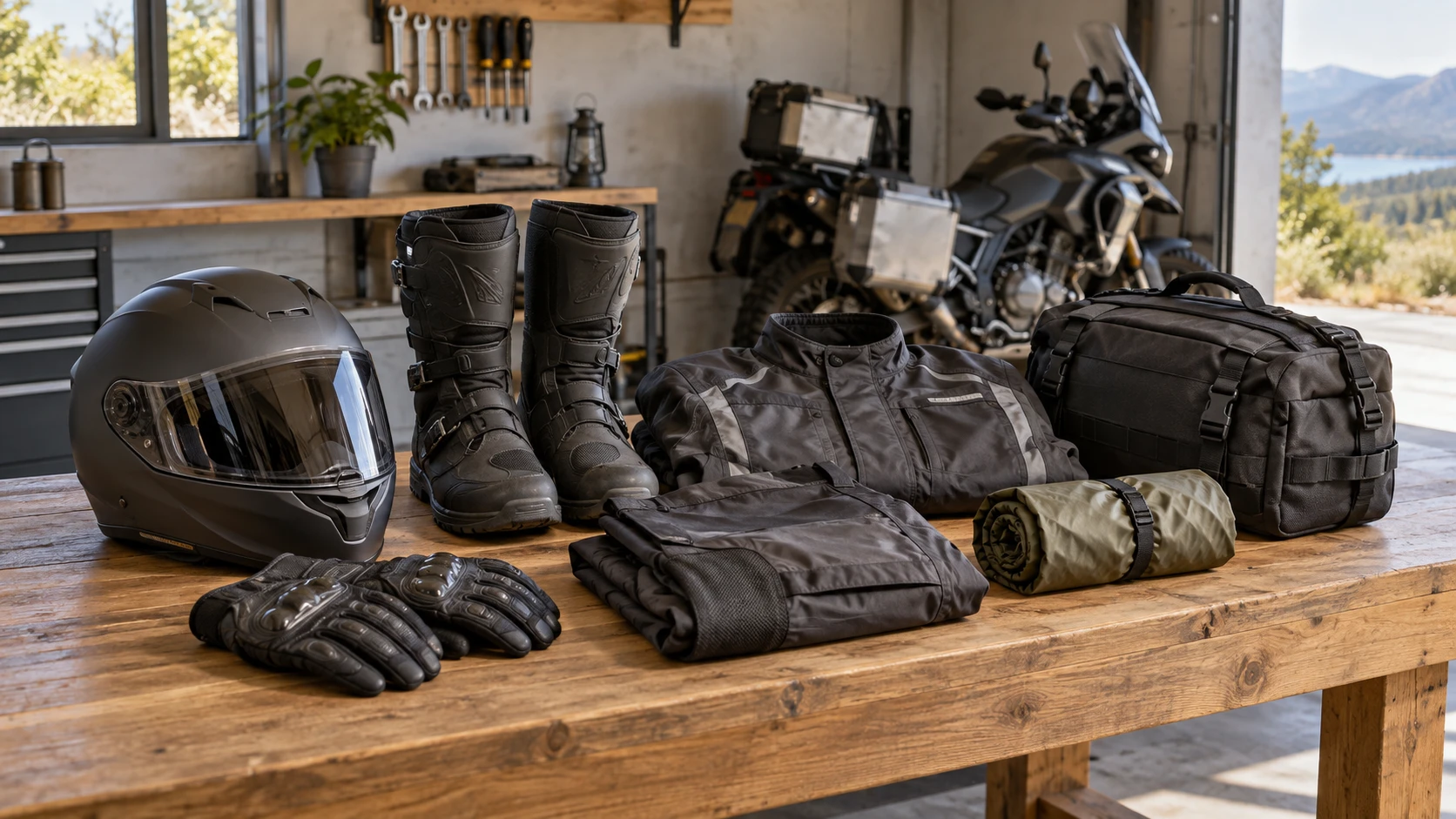
- A well-fitting motorcycle helmet, protective jacket and trousers, gloves and riding boots suited to your trip.
- Layers that can be added or removed during the day, with waterproof protection accessible rather than buried under luggage.
- A spare dry base layer, simple off-bike clothes and footwear for town walks.
- Eye protection appropriate to changing light, plus a way to keep a visor clear.
- Regular personal medication and any individually advised travel supplies, carried where they remain accessible.
Try the full kit before travel. A mountain itinerary can include a warm valley and a cold pass within the same day, so a packing decision based only on Kunming’s forecast will miss much of the journey.
Keep the daily essentials with you
Carry the required rider and vehicle documents in a weather-resistant pouch, with offline copies stored separately. Keep payment options, a charged phone, essential contacts and the day’s meeting points available. Put water and a small snack where you can reach them during a proper stop without unpacking the entire motorcycle.
Confirm which tools, puncture equipment and compatible spares travel with the team. Do not pack a repair item simply because it appears on a generic checklist: it needs to match the bike and somebody needs to know how to use it. Ask about battery and fuel restrictions before checking equipment onto a flight.
Give luggage a clear place on the journey
Agree a weight and size allowance for the motorcycle. If a support vehicle carries your main bag, establish when you can access it and which essential items must stay on the bike. A spare helmet or a passenger’s suitcase should not become an unplanned roadside packing problem.
At handover, check straps and cases through the full steering movement and make sure luggage does not obstruct lights or hot components. Record existing damage together. Repeat a brief luggage check after the first short stage, when straps and packing have settled.
What a sensible riding day looks like
Start with a briefing on the road, fuel stops, weather, regrouping points and the overnight base. The usable riding time comes after breaks, meals, checkpoints and any managed visits have been allowed for. A shorter mountain distance can take more concentration than a longer open-road stage.
Keep photo stops in safe places, not on the inside of blind bends. Agree how the group responds to a missed turn or a rider wanting to stop. Night riding should not become the routine solution to an itinerary that contains too much. The terraces-to-Meili route uses multi-night stops for this reason.
A guide, support vehicle and recovery service are different things
Ask who leads the ride, who carries luggage, who can perform basic checks and what happens when a motorcycle cannot be ridden. Confirm whether a support vehicle is actually following, whether it can carry the motorcycle, whether there is a spare passenger seat, and what outside recovery would cost or require.
For a GPS-led or self-directed rental proposal, establish lawful motorcycle licensing and route eligibility first. Then discuss navigation help and emergency contact arrangements. A navigation file is not a substitute for organised reception where that is required, nor proof that a remote road is open.
Put insurance and responsibilities in writing
Ask the insurer to confirm cover for the actual motorcycle activity, engine size, rider status, passenger, geographical area and intended elevation where relevant. Check exclusions and the procedure for obtaining help. Personal travel cover, compulsory vehicle cover, rental damage terms and recovery services solve different problems.
Before committing, request a written list of what is included, what is optional and what is paid locally. That list should cover fuel, parking, admissions, meals, luggage, damage deposits, delays and motorcycle return logistics.
Frequently asked questions
Should I bring my own helmet?
A helmet you know fits is a useful starting point. If using supplied equipment, confirm the type, size, condition and reservation before travel; availability should not be assumed.
Is a support van included in every guided ride?
No. Ask for the exact arrangement. A guide may ride a motorcycle, and a vehicle carrying luggage may not be equipped to recover a disabled bike.
Can a passenger ride every stage?
It depends on the motorcycle, luggage, route, experience and agreed insurance. A passenger should be included in the planning discussion from the beginning.
How many kilometres should we ride each day?
Use the actual road and the group’s experience rather than one fixed daily target. Allow time for breaks, works, weather and visits before deciding the overnight town.
What if I decide not to ride one day?
Agree the available alternatives before booking, including a vehicle seat, motorcycle transport, accommodation and cost. Those alternatives may be limited on remote stages.
Plan your ride with VeroTrip
Browse VeroTrip motorcycle tours and send VeroTrip your riding plans. Include your dates, nationality, riding experience, motorcycle arrangement and preferred daily pace so that the enquiry can be assessed against a specific journey.
Related destinations
Kunming · Dali · Shangri-La ·
Image credits
Motorcycle helmet, gloves, riding boots, protective clothing and luggage arranged for packing. Original VeroTrip illustration.
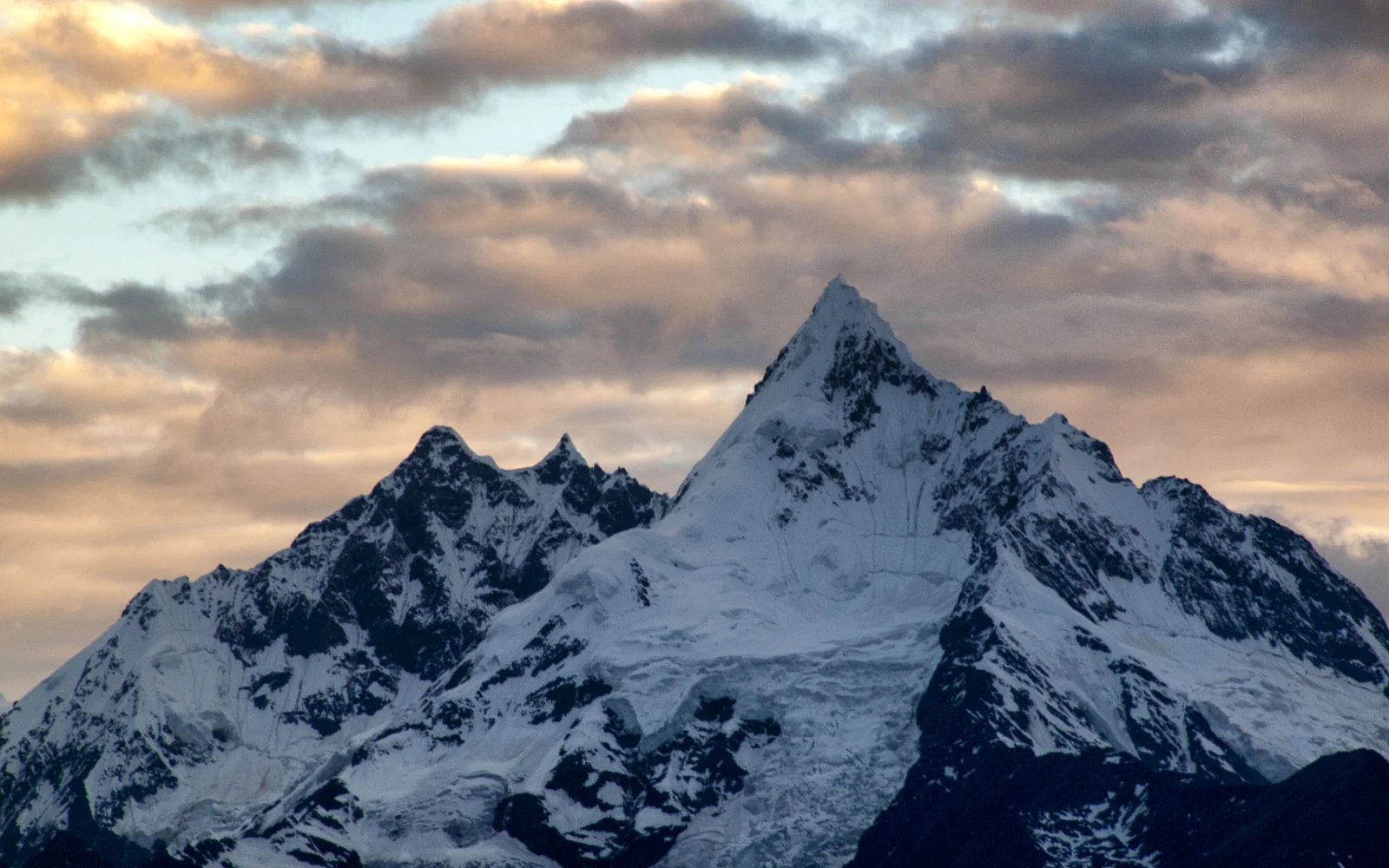
Meili Snow Mountain at dusk. Photo: Kevin Poh. Source and photographer · CC BY 2.0. Resized for web use under the same licence.
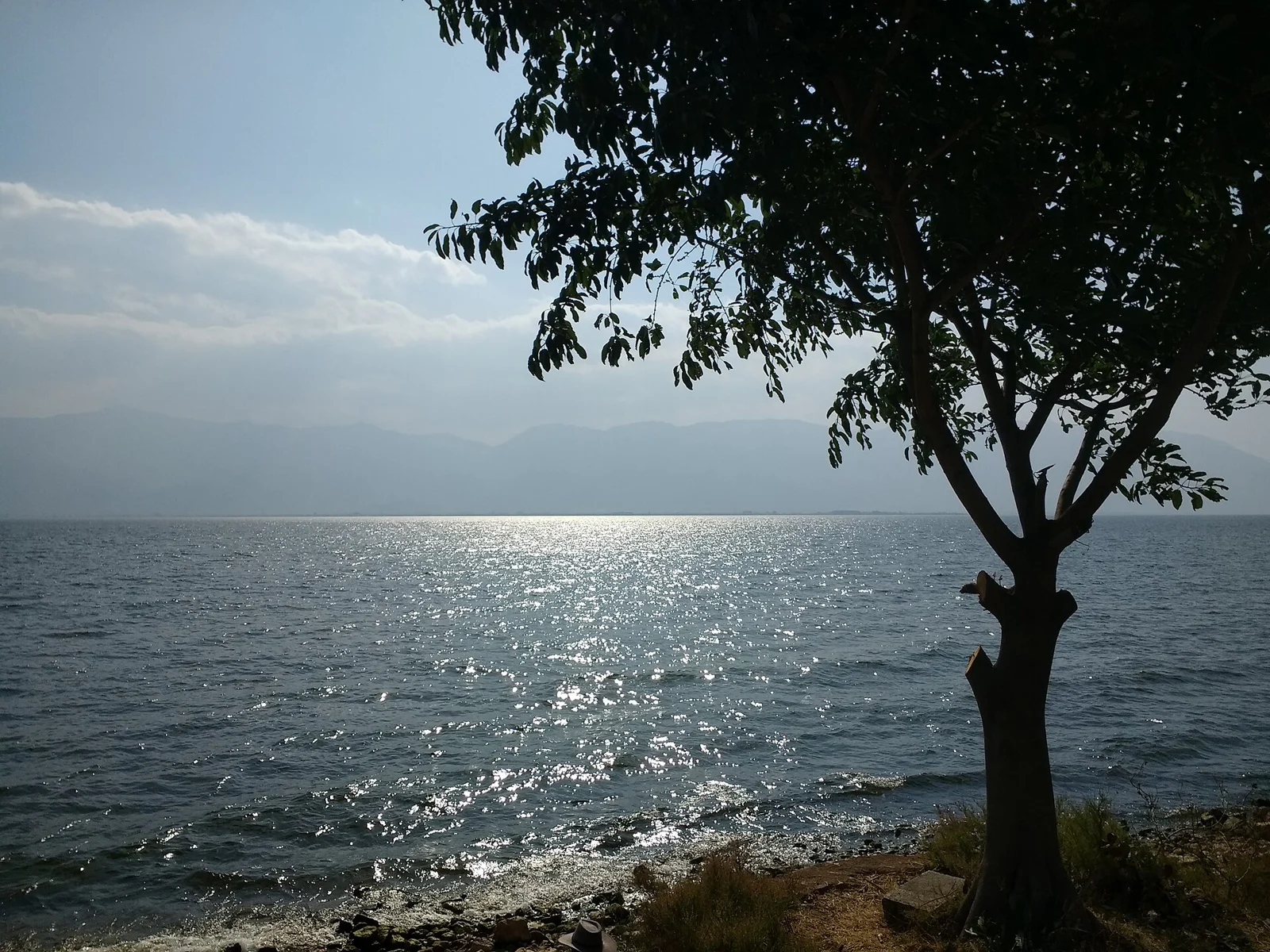
Tree beside Erhai Lake near Dali. Photo: Mx. Granger. Source and photographer · CC0. Resized for web use under the same licence.