
22-Day Kunming to Everest Motorcycle Journey
Overview
For riders who want to continue beyond Lhasa, this route joins the Yunnan–Tibet approach with a southern Tibet extension towards Everest. It spends time in Dali, Lijiang and Shangri-La before the longer eastern Tibet stages, then pauses in Lhasa before riding towards Yamdrok Lake and Shigatse. The Everest stop is a visit to the permitted north-side visitor area, not a promise to ride to a climbing base camp.
Trip style: Private guided ride for experienced motorcyclists. Adjust the pace, rest days and overnight stops to your group before booking.
Rider documents and motorcycle arrangements
Tell us whether you intend to bring a foreign-registered motorcycle or use a motorcycle registered in China. These arrangements have different requirements. A rental-car temporary permit must not be assumed to authorise a rental motorcycle. Read our motorcycle licences, guides and permits guide before paying for a motorcycle or arranging flights.
For a shorter journey ending in Lhasa, see the existing 12-day Kunming–Lhasa motorcycle route. For a Lhasa-based northern plateau circuit, compare the Everest and Ali northern-loop itinerary.
Make the route fit your group
Tell VeroTrip which motorcycles you ride, your recent multi-day experience, passenger plans and comfortable daily riding time. Your trip proposal sets out the motorcycle arrangement, guiding, luggage support, hotels and return logistics before you commit.
Explore VeroTrip motorcycle tours or send us your riding plans. If you will use an overseas-registered bike, read our guide to bringing your own motorcycle into China.
Useful route planning
Motorcycle packing, bike fit and daily support · Choosing the season for a motorcycle route
Destinations on this journey
Kunming · Dali · Lijiang · Shangri-La · Qamdo · Nyingchi · Lhasa · Shigatse
Meals and services: Your written trip proposal lists the included meals, visits, transfers and support arrangements.
Image credits
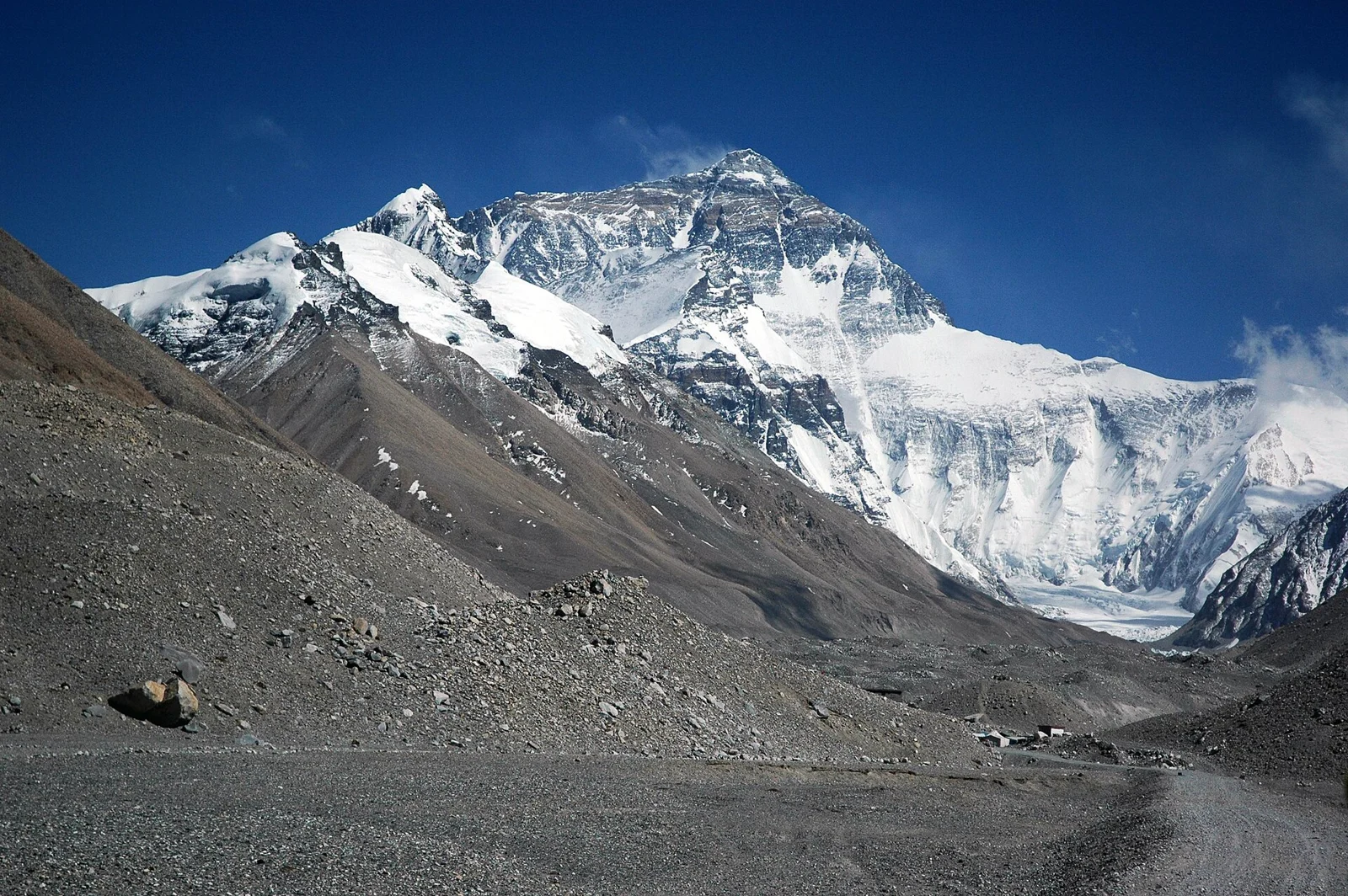
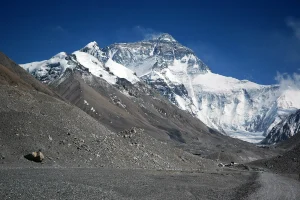
Mount Everest viewed from Rongbuk. Photo: Ocrambo. Source and photographer · Public domain. Resized for web use.
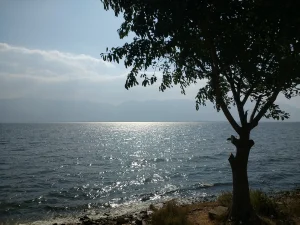
Tree beside Erhai Lake near Dali. Photo: Mx. Granger. Source and photographer · CC0. Resized for web use under the same licence.
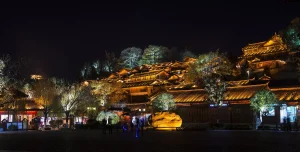
Lijiang Old Town at night. Photo: chensiyuan. Source and photographer · CC BY-SA 4.0. Resized for web use under the same licence.
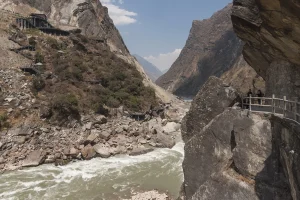
Tiger Leaping Gorge in Yunnan. Photo: CEphoto, Uwe Aranas. Source and photographer · CC BY-SA 3.0. Resized for web use under the same licence.
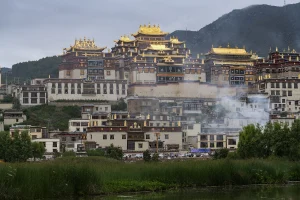
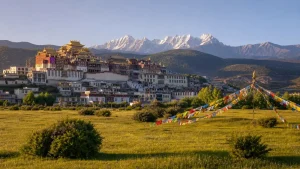
Songzanlin Monastery in Shangri-La. Photo: Chensiyuan. Source and photographer · CC BY-SA 4.0. Resized for web use under the same licence.
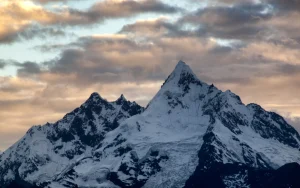
Meili Snow Mountain at dusk. Photo: Kevin Poh. Source and photographer · CC BY 2.0. Resized for web use under the same licence.
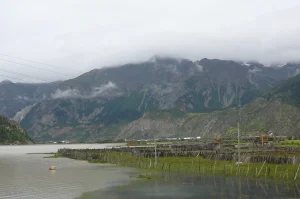
Ranwu Lake in eastern Tibet. Photo: Nihongarden. Source and photographer · CC BY-SA 4.0. Resized for web use under the same licence.
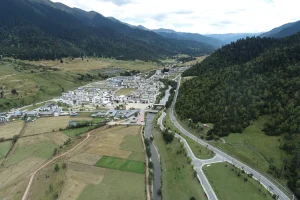
Lulang town in the Nyingchi region. Photo: Zhangmoon618. Source and photographer · CC BY-SA 4.0. Resized for web use under the same licence.
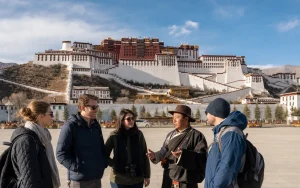
Potala Palace in Lhasa. Photo: Ondřej Žváček. Source and photographer · CC BY 2.5. Resized for web use under the same licence.
Yamdrok Lake shoreline. Photo: travel oriented from Manila, Philippines. Source and photographer · CC BY-SA 2.0. Resized for web use under the same licence.
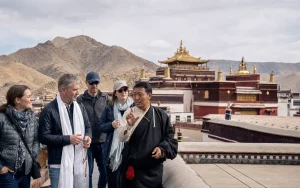
Tashilhunpo Monastery in Shigatse. Photo: Prof. Mortel. Source and photographer · CC BY 2.0. Resized for web use under the same licence.
Daily Itinerary
Meet the team and review the journey, documents and luggage. Keep the day light after travelling. This is the start of a multi-week expedition rather than a riding day, and any outstanding questions about the motorcycle or support arrangement should be raised before handover.
Overnight: Kunming.
Complete the confirmed appointments and inspect the motorcycle with the team. Review fuel, communication, recovery and delay arrangements together. Riding begins only when the vehicle and rider documents are valid for the proposed trip; the itinerary shifts if preparation requires additional time.
Overnight: Kunming.
Start with a shorter positioning stage out of Kunming on motorcycle-permitted roads. Use it to check riding pace, luggage and comfort before the mountain stages. Arrive early enough to address practical adjustments rather than carrying a small equipment problem into the longer route.
Overnight: Chuxiong.
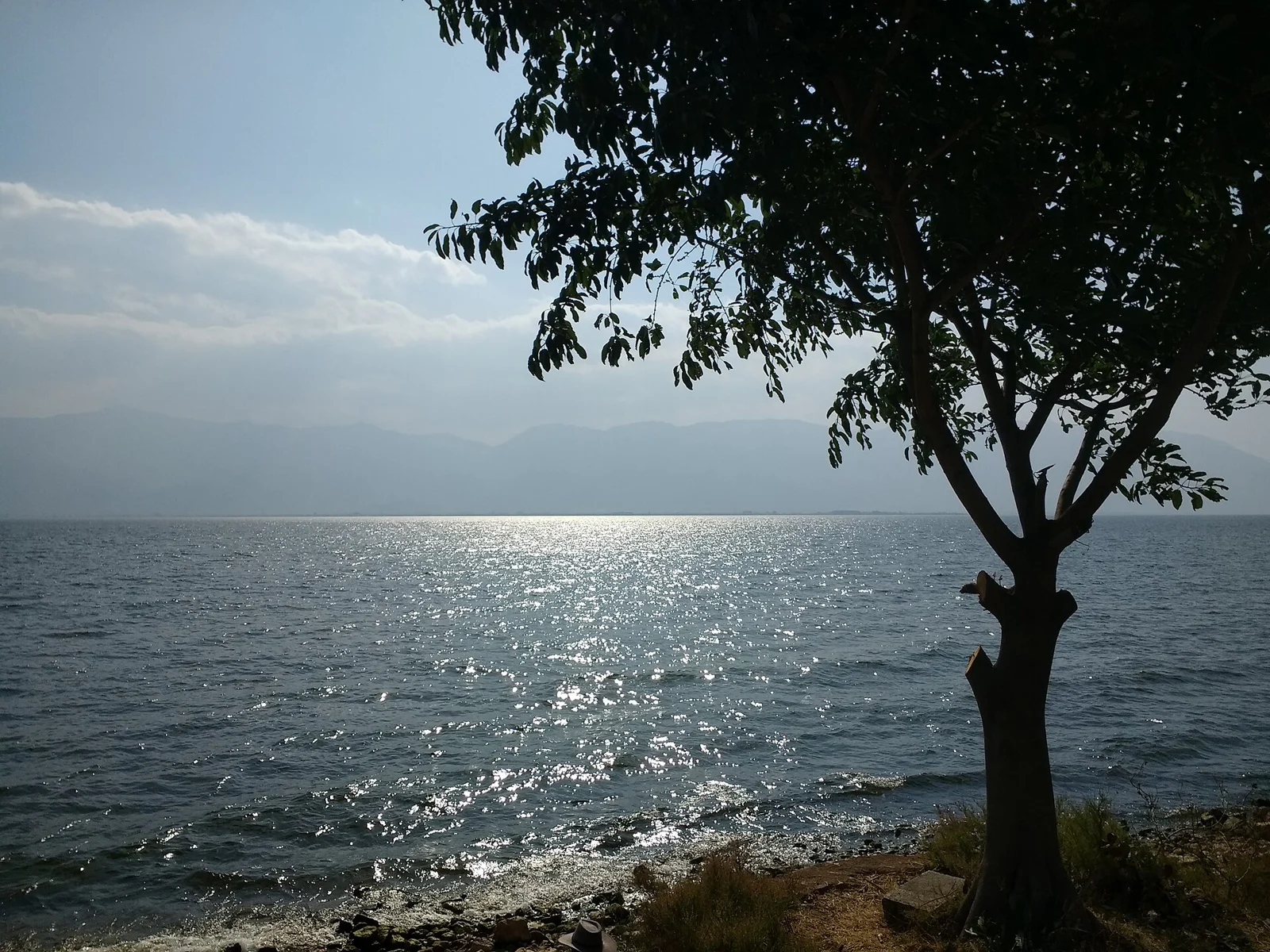
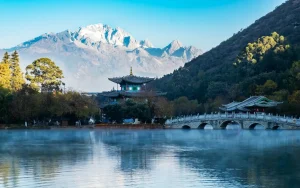
Continue west to Dali with planned pauses and a daylight arrival. Walk in the old town after parking at the hotel. The day remains focused on reaching the lake basin comfortably; any additional sightseeing is fitted around the actual riding time.
Overnight: Dali.
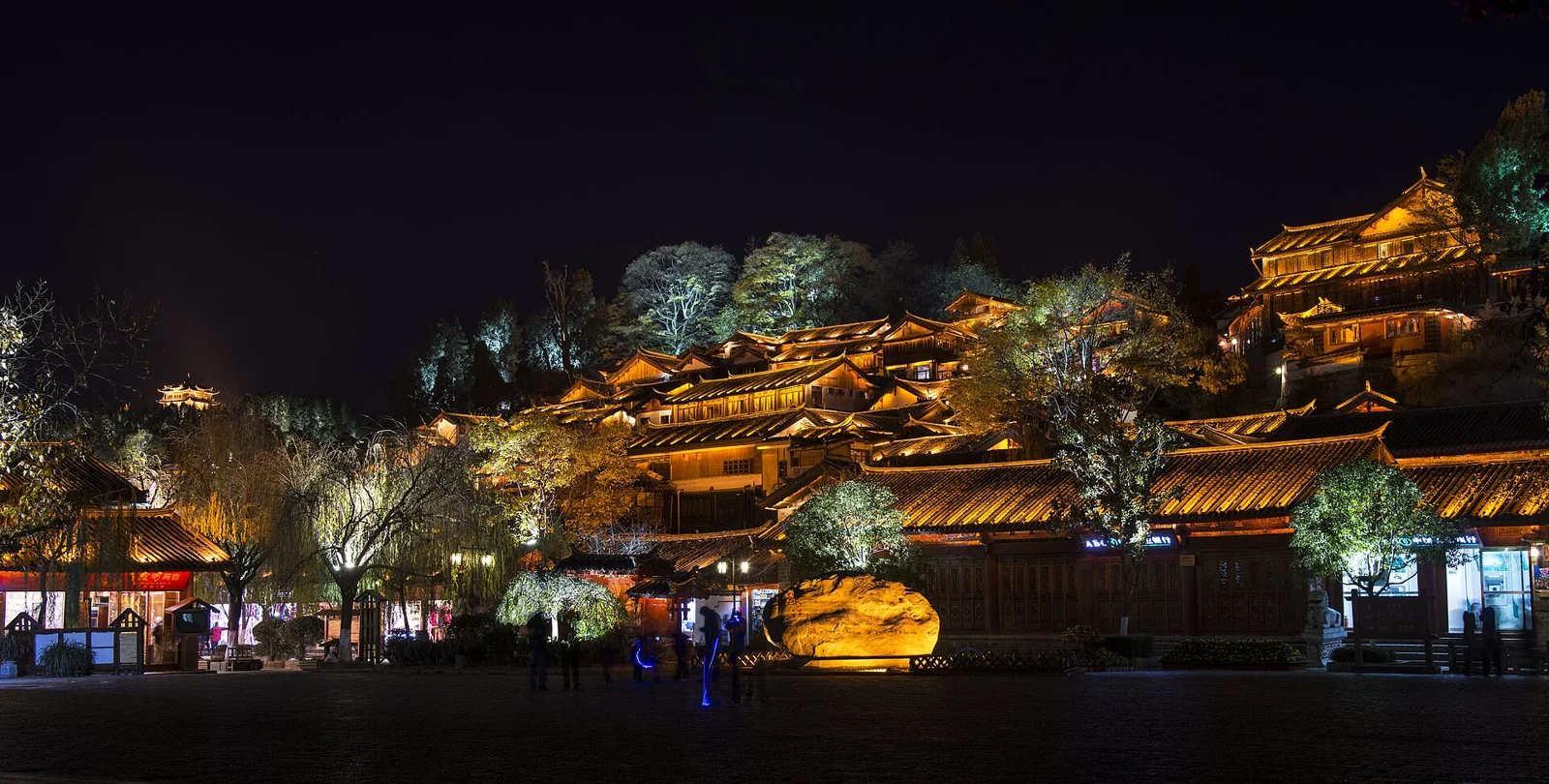
Ride north towards Lijiang on the approved road, with a lunch stop and time to stretch away from the bike. Park outside the old-town lanes and explore on foot. Hotel access for motorcycles and luggage is agreed in advance.
Overnight: Lijiang.
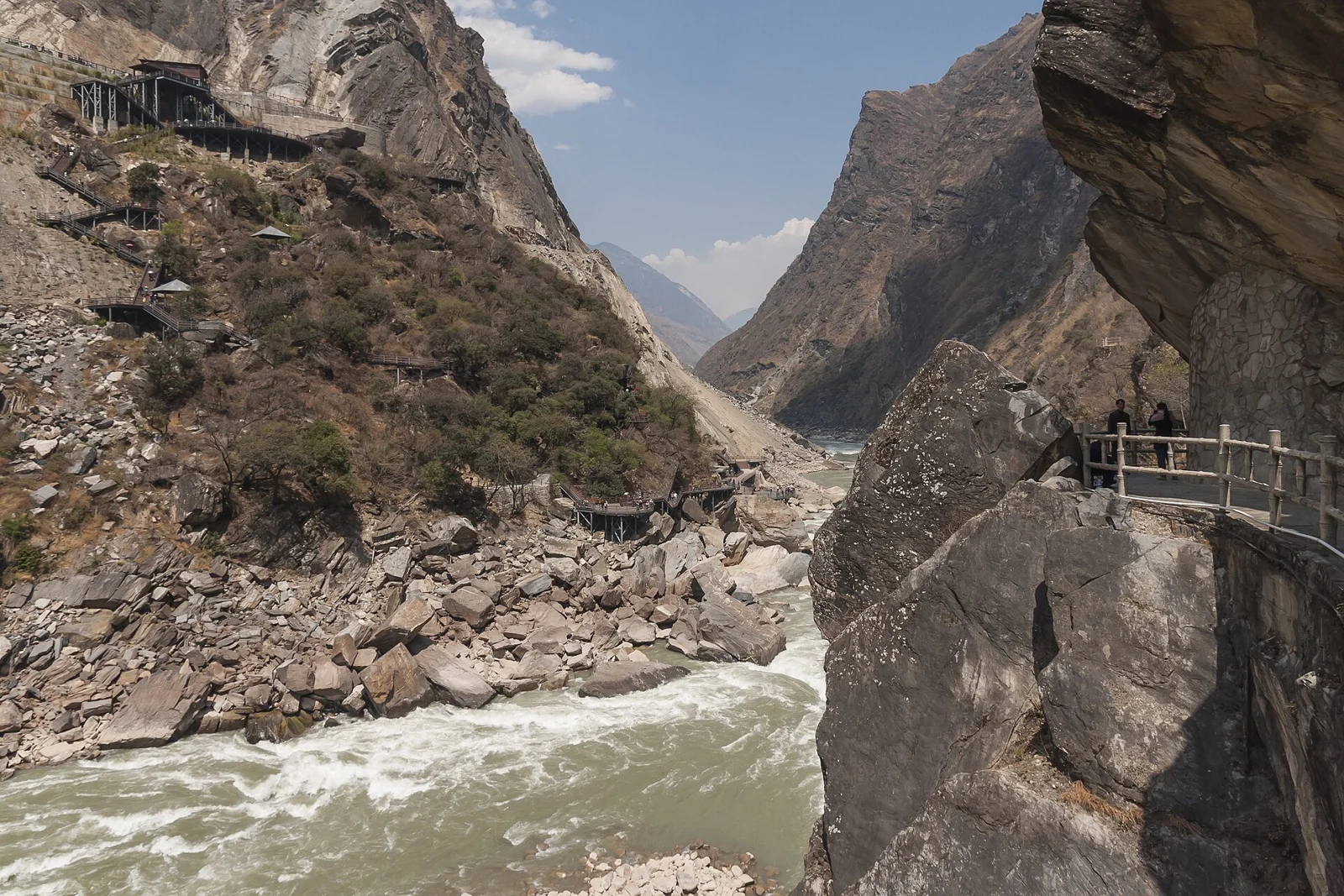
Follow the Jinsha corridor towards the highlands. A managed gorge viewpoint is optional when access and timing allow, but a long hike is not part of this transfer stage. Reach Shangri-La with time to rest and assess how you feel at the higher elevation.
Overnight: Shangri-La.
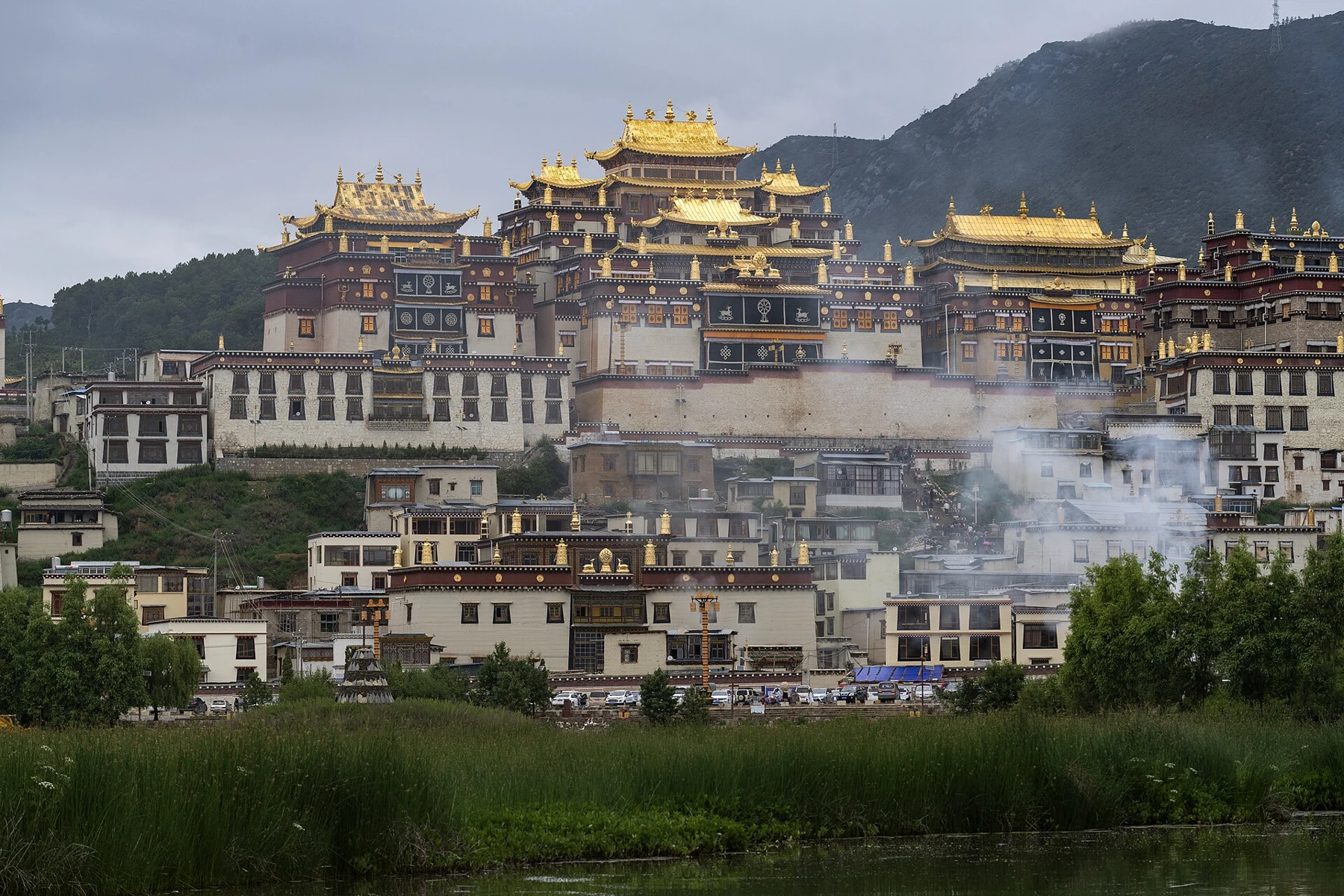
Keep the morning flexible, with a cultural visit only if you feel comfortable. The team reviews road conditions for the approach to Deqin and Tibet. Additional rest can change the schedule; completing a nominal day count takes second place to a workable journey.
Overnight: Shangri-La.
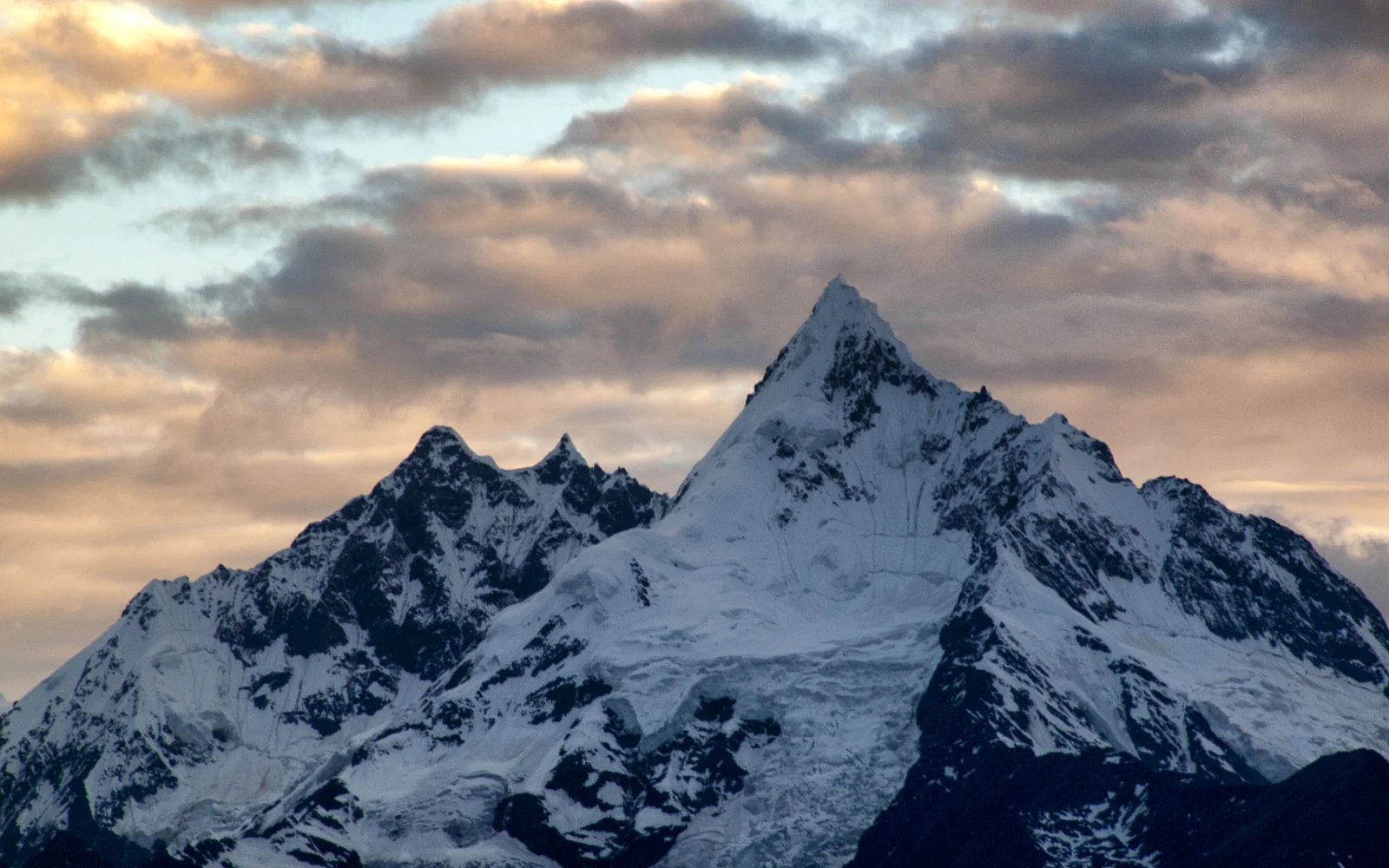
Ride towards Deqin on the confirmed road and settle in Feilaisi. Look towards the Meili range if weather permits. This is a viewpoint stay, with no mountain climb or Yubeng trek included, and departure timing remains independent of a hoped-for sunrise photograph.
Overnight: Feilaisi.
Enter the approved Tibet corridor with the required group arrangements and documents. Allow time for checks and road controls. The final overnight base, which may differ within the Markam area, is confirmed with the dated route rather than chosen from a generic distance estimate.
Overnight: Markam area.
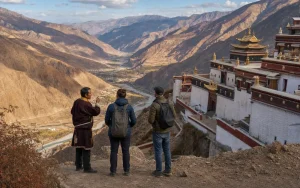
Continue through eastern Tibet on the approved road. The day involves sustained mountain travel, so stops are spaced around fuel, food and safe parking. The team checks the next stage before arrival and keeps the evening simple for rest and motorcycle inspection.
Overnight: Zogang.
Travel towards Basu through the mountain corridor, following the guide’s directions at controlled sections. Leave margin for weather and traffic delays. Optional photography stops are shortened if necessary to maintain a sensible arrival time rather than extending the stage after dark.
Overnight: Basu.
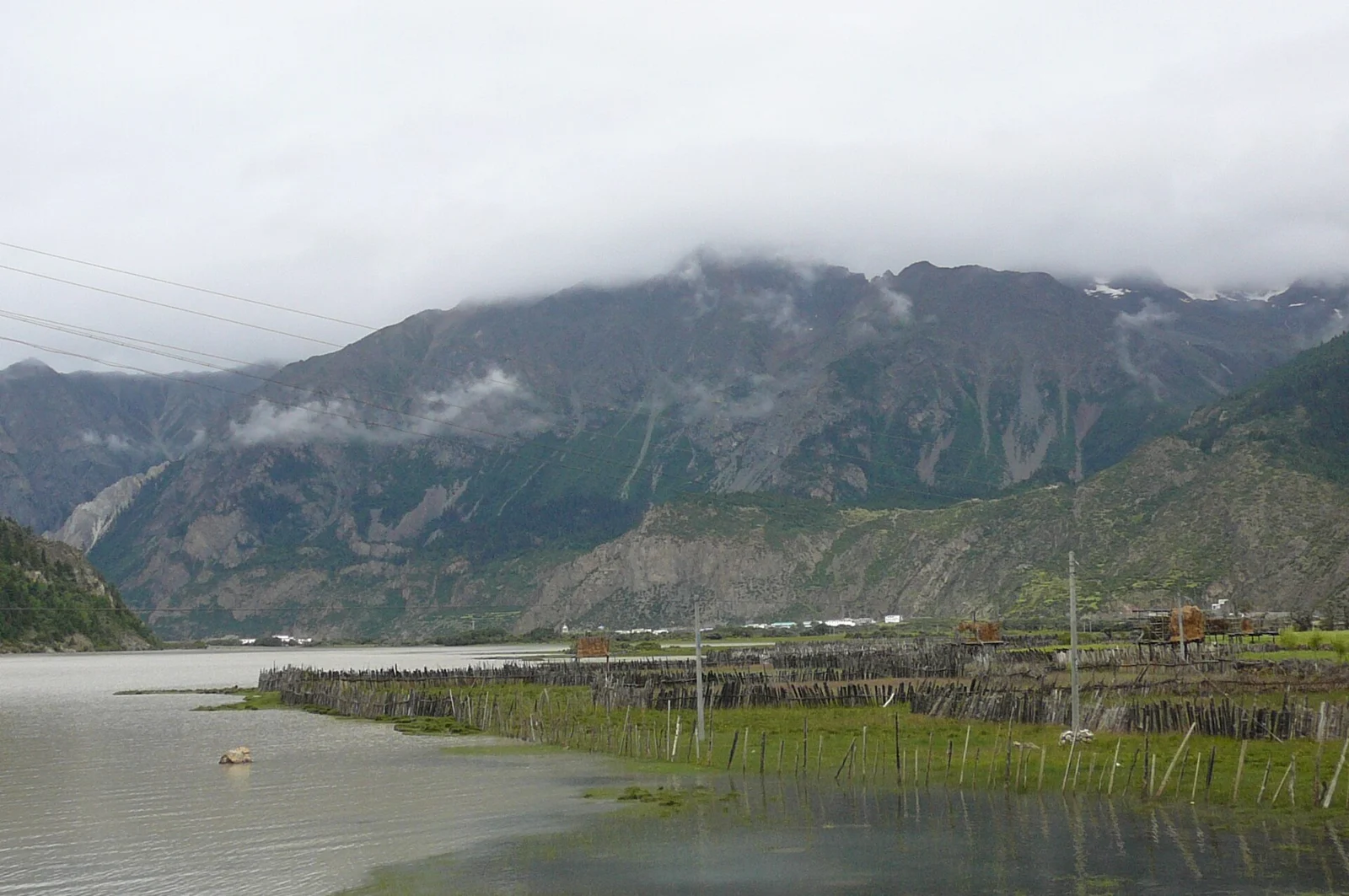
Continue towards Ranwu, where a permitted lakeside viewpoint may fit the day’s timing. Follow the road onward to Bomi, with forest and valley scenery along the approach. Lake colour and mountain visibility change with weather; no specific photographic conditions are guaranteed.
Overnight: Bomi.
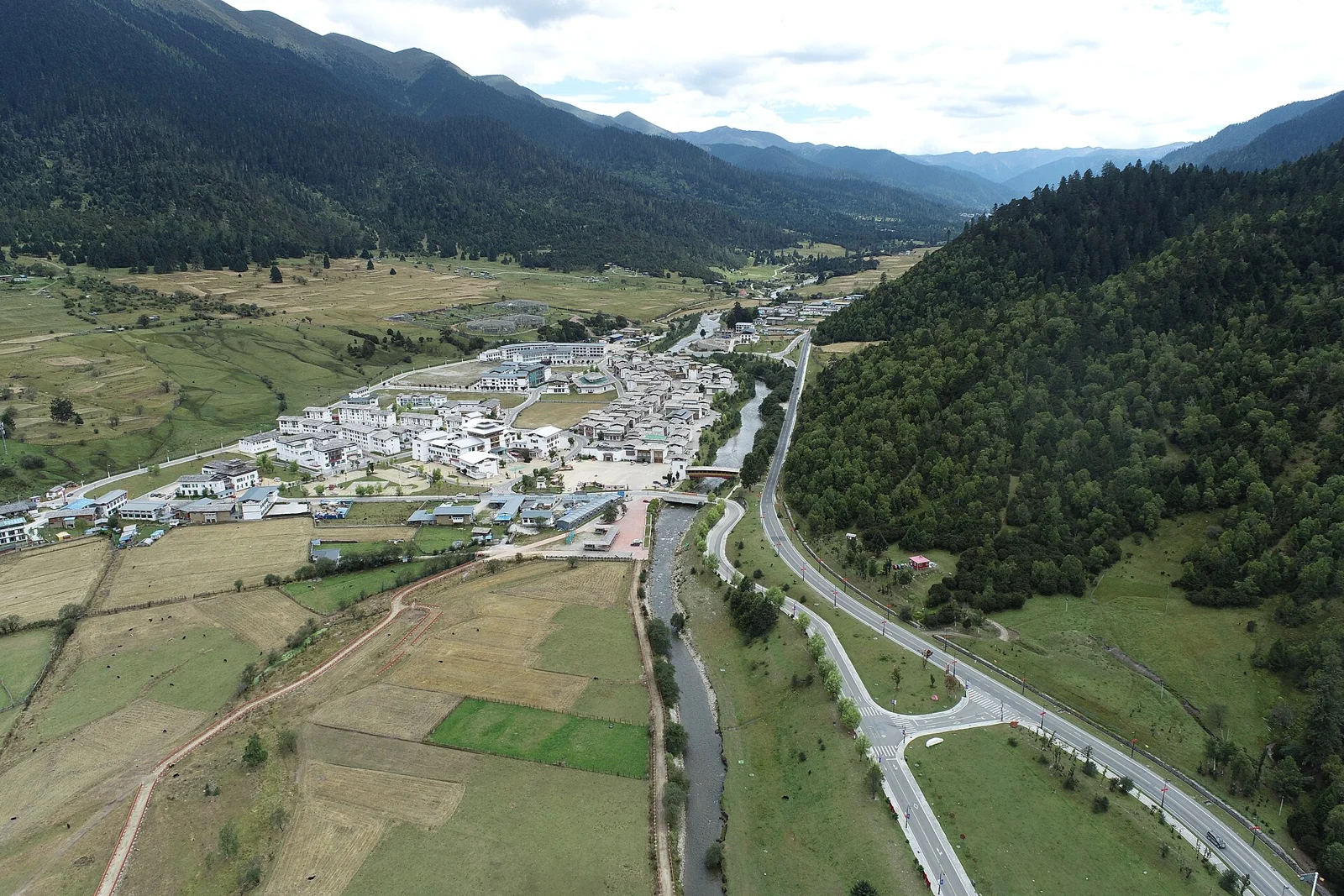
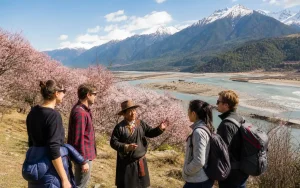
Ride west towards Nyingchi through the eastern Tibet corridor. The route and stops depend on current road operation and the approved plan. After arrival, allow time for a motorcycle check and an easy evening before the final approach to Lhasa.
Overnight: Nyingchi.
Continue to Lhasa on roads confirmed to admit the group’s motorcycles. Do not assume an expressway shown by a navigation app is the agreed route. This is a full transfer stage, with city sightseeing left for the following day.
Overnight: Lhasa.
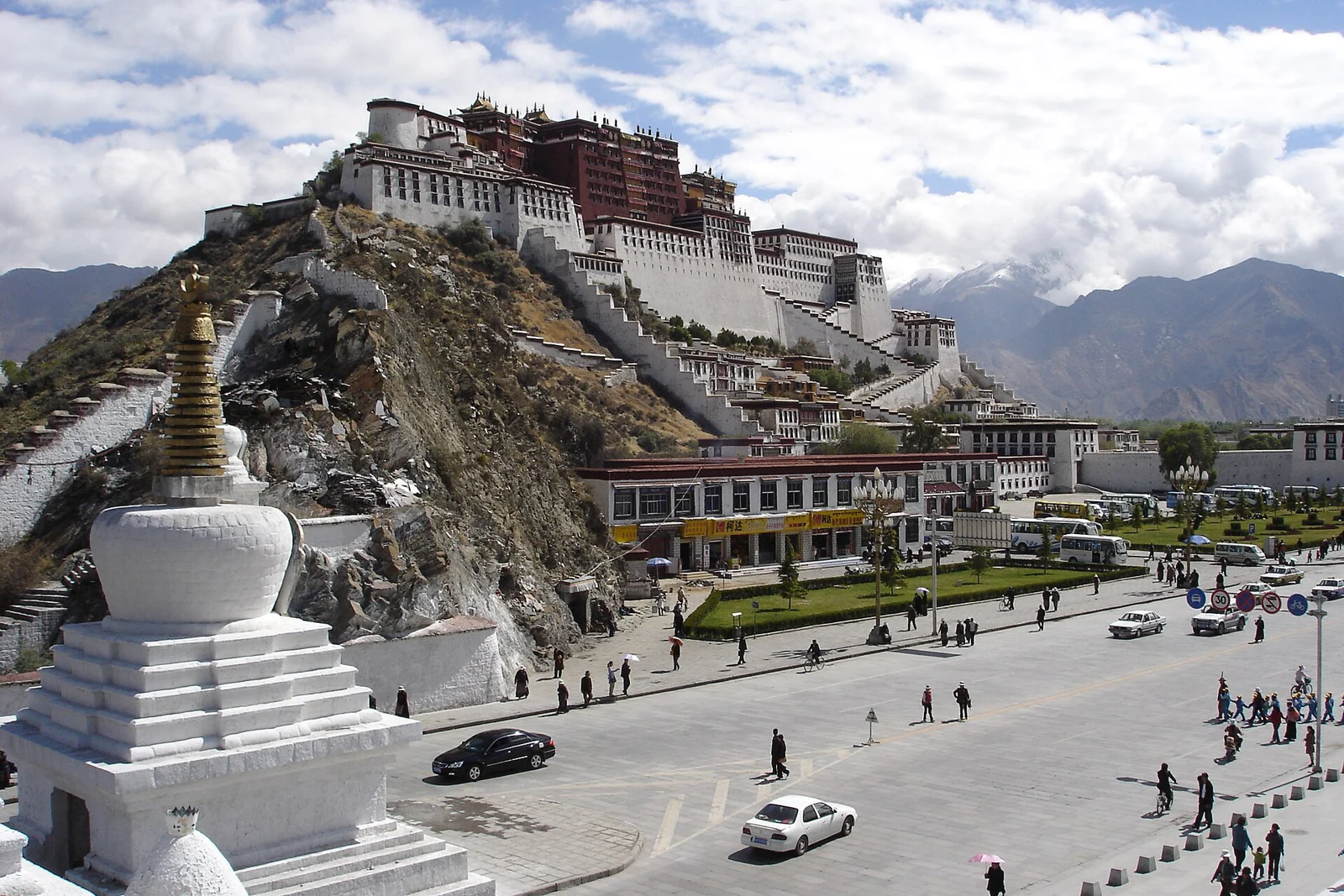
Visit the Potala Palace and Jokhang according to confirmed tickets, keeping the pace measured. The order may change with appointment times and how the group feels. This second night in Lhasa also creates time for maintenance before the southern extension.
Overnight: Lhasa.
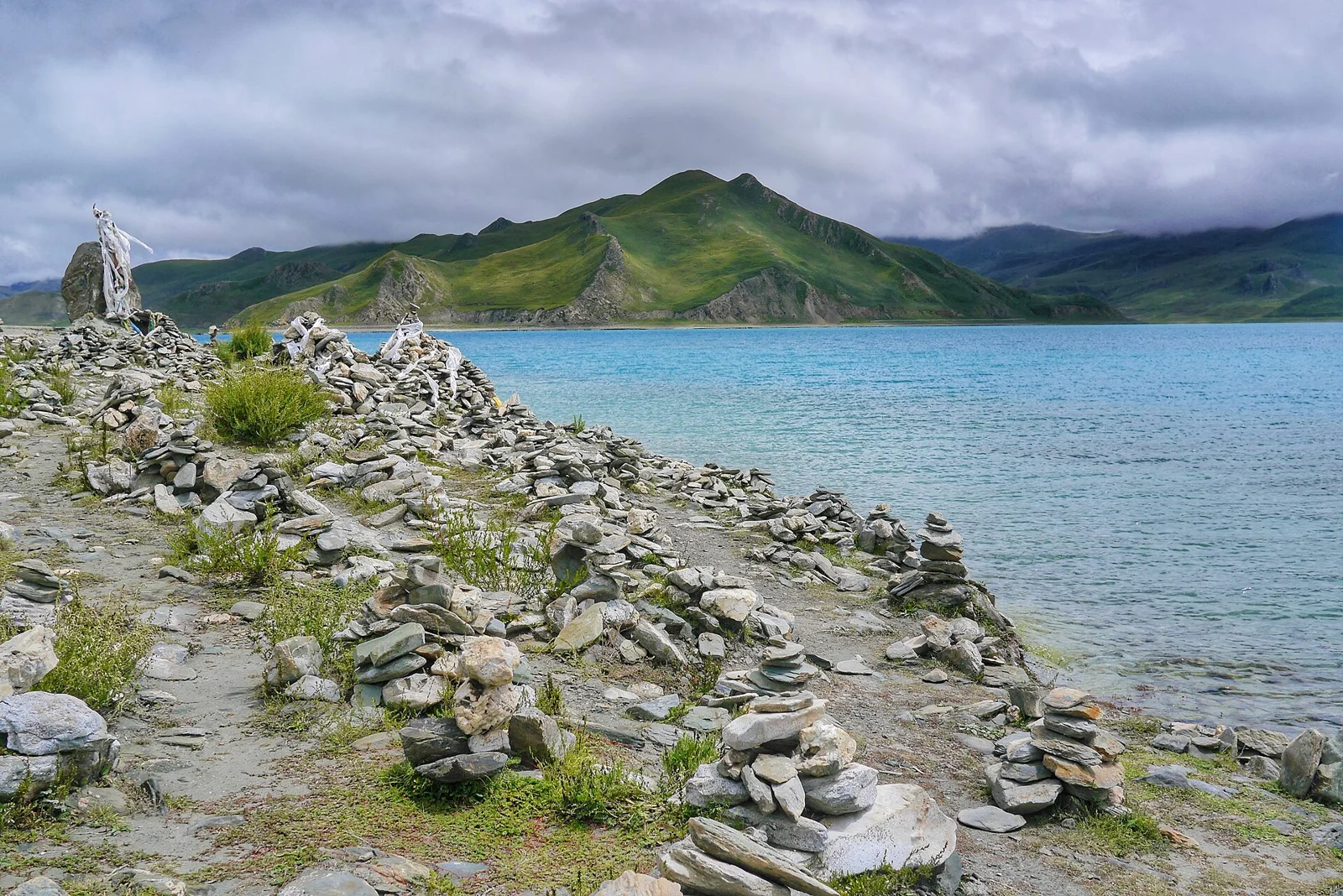
Ride towards the established Yamdrok viewpoints, stopping only where parking is permitted. Continue along the agreed corridor to Gyantse. Splitting the southern approach here gives the lake and mountain-road sections more time than treating everything as one long dash to Shigatse.
Overnight: Gyantse.
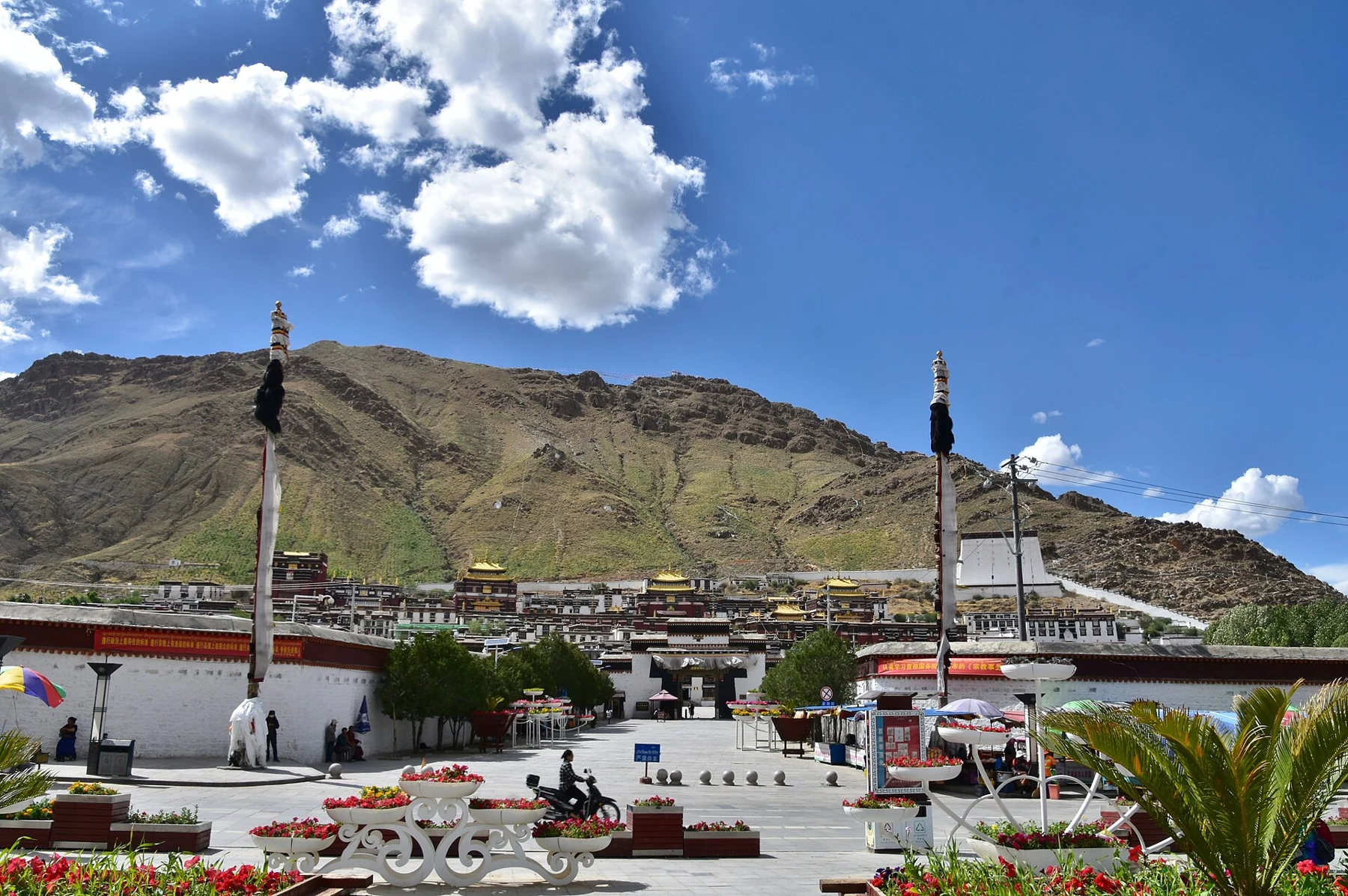
Make a confirmed cultural visit in Gyantse if timing allows, then continue to Shigatse. Prepare for the Everest-area extension with the team, including access checks, fuel and the approved overnight plan. Additional sightseeing should leave room for these practical arrangements.
Overnight: Shigatse.
Travel towards the Everest region on the authorised route. The overnight is arranged according to eligibility, facilities and the group’s condition. The purpose of this stage is to avoid tying the entire approach, viewpoint visit and return into one overloaded day.
Overnight: Tingri or confirmed alternative.
Visit the permitted north-side Everest area if access, weather and the group’s condition allow. Motorcycles may have to remain at designated parking while a required local shuttle or transfer completes the visit. Return to the agreed overnight base; clear summit views are never guaranteed.
Overnight: Tingri or confirmed alternative.
Return east towards Shigatse on the approved road, with fuel and rest stops agreed at the briefing. This overnight breaks the return to Lhasa into two riding days. Leave room for delays and a comfortable arrival rather than tying the entire return to a single long stage.
Overnight: Shigatse.
Continue to Lhasa on the agreed motorcycle-permitted road. After arrival, complete the return inspection and settle any outstanding rental administration under the signed terms. The final night is in Lhasa, with onward transport left until the following day.
Overnight: Lhasa.
Transfer to Lhasa airport or railway station with the necessary travel documents. The final departure time is set only after the operational route has been agreed. Additional hotel nights and any extended return stage are included in the revised quotation where needed.
Overnight: Tour ends.


.jpg)
