For a first Xishuangbanna stay, choose Jinghong city life, the tropical botanical garden in Menglun and one arranged village or tea visit. Three full days provide a useful starting point. With children or limited stamina, keep one main outing each day and a proper break before dinner.
Jinghong is the main city of tropical southern Yunnan. Add Xishuangbanna for plants, landscapes, food and local culture, with its own journey from Dali, Lijiang or Shangri-La. Check the complete arrival-to-hotel connection before allocating the nights.
Updated 8 October 2026
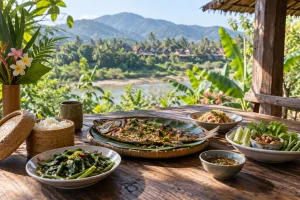
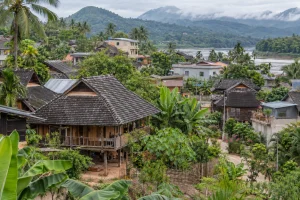
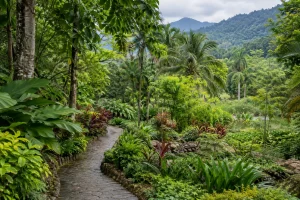
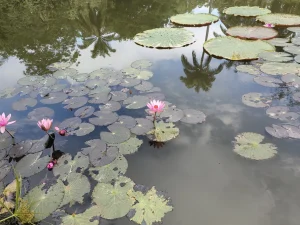
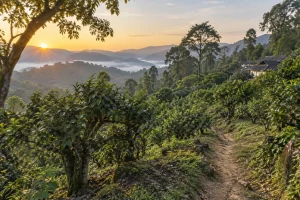
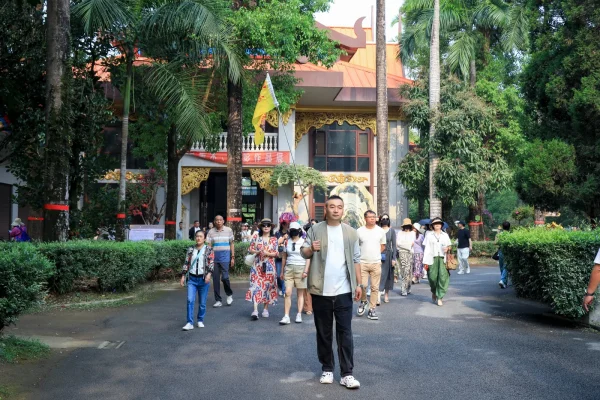
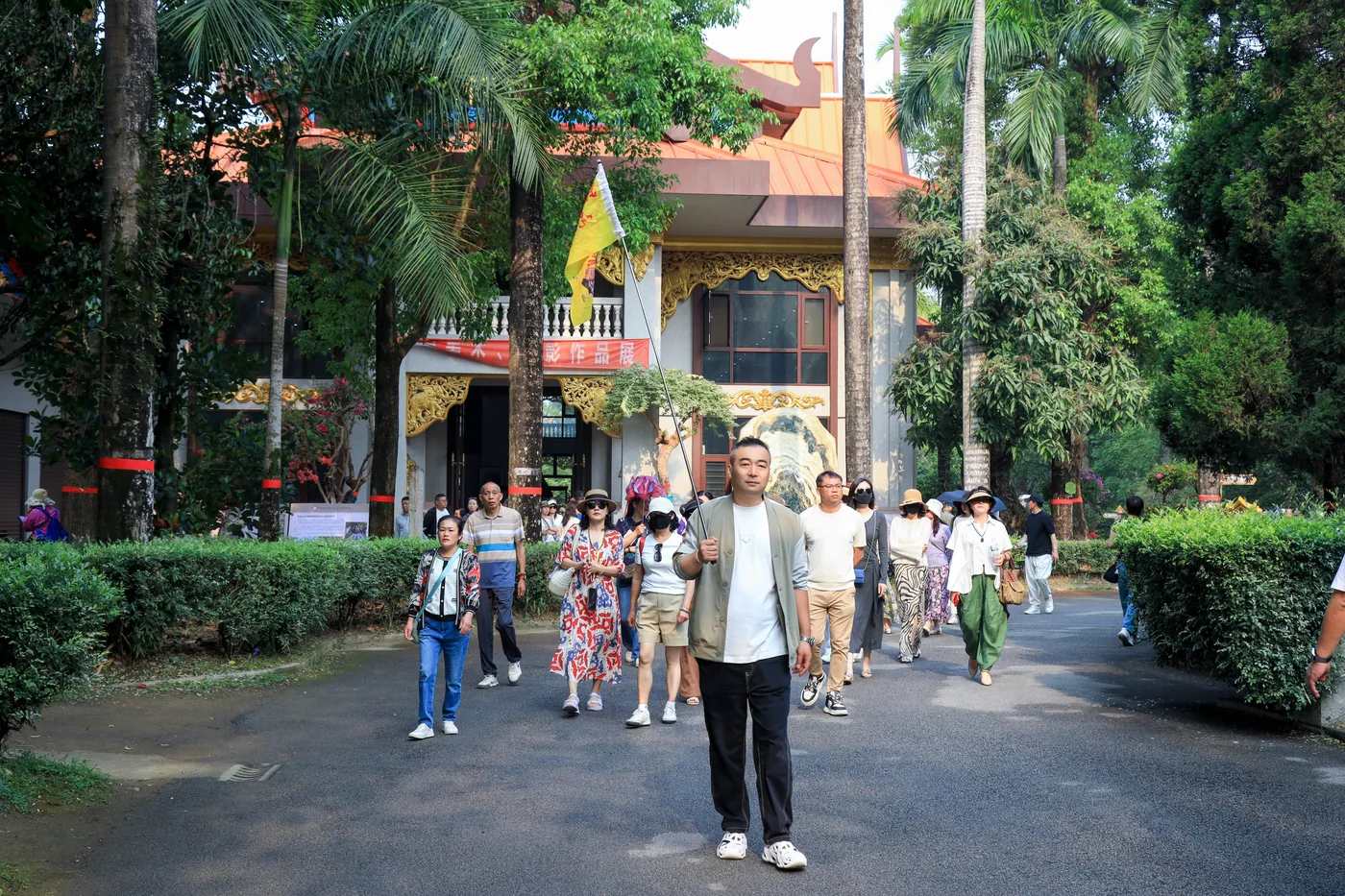
The opening riverside scene and botanical-garden image are travel illustrations; they do not document a specific attraction, current conditions or a Verotrip group.
Which attractions are worth your limited time?
Choose the kind of experience you want: a city garden, botanical collection, forest outing or village visit. One carefully selected example can offer more on a short stay than repeated transfers between similar attraction names.
| Choose this experience | What to build the day around | What to avoid |
|---|---|---|
| Jinghong city and Manting Park | A garden or cultural visit, an unhurried meal and an optional evening walk. | Treating every market name as a separate full attraction. |
| Menglun botanical garden | A dedicated plant-focused day at the Chinese Academy of Sciences garden. | Confusing it with a city flower garden or squeezing it between two distant outings. |
| A hosted Dai village visit | A specific host, a clear activity and permission for any home visit. | Assuming a lived-in village is an open-access performance venue. |
| A tea-focused outing | Choose the host and purpose: tasting, growing landscape or processing explanation. | Adding a remote tea mountain just because it appears beside Jinghong in a search result. |
| A wildlife or forest attraction | Check the actual activity, walking demand and operator before reserving. | Expecting guaranteed wild-elephant sightings or choosing animal-contact activities automatically. |
Manting is a Jinghong city garden. The CAS tropical botanical garden is in Menglun, outside the city. Write the full attraction name into your booking and transport messages. A driver agreeing to “the botanical garden” without a map pin is an avoidable source of confusion. For a broader south-Yunnan route, compare destinations using our Yunnan route map.
How to plan the botanical garden without exhausting the group
Choose your walking level before buying extras. The garden’s official visitor-booking information distinguishes the landscaped West Garden from the East Garden’s rainforest and Green Stone Forest areas. The East Garden still involves walking when you use a sightseeing vehicle. Fixed vehicle stops do not mean door-to-door access to every plant collection.
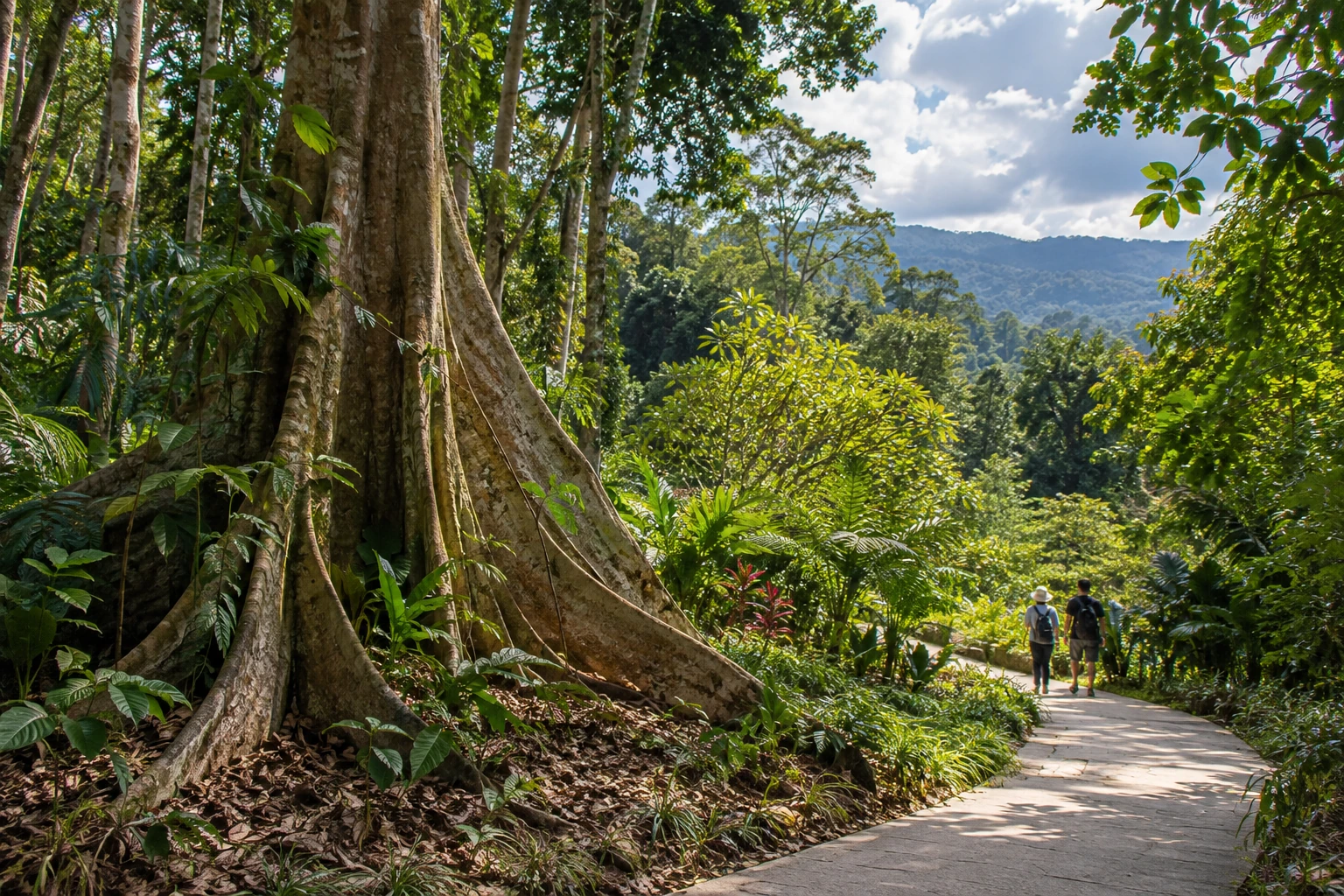
For children, older relatives or frequent rest breaks, begin with a manageable West Garden visit. Pick a few interests—palms, unusual leaves, aquatic plants or a guide-led introduction—then take a proper meal break. A longer forest walk belongs in the day when the party actively wants it.
The garden’s entry rules identify visitor entrances and restrict access to research areas. They also prohibit picking plants, climbing trees and entering ponds. Follow the designated visitor route even when a photograph suggests an attractive shortcut. Agree your exit gate with the driver before going inside.
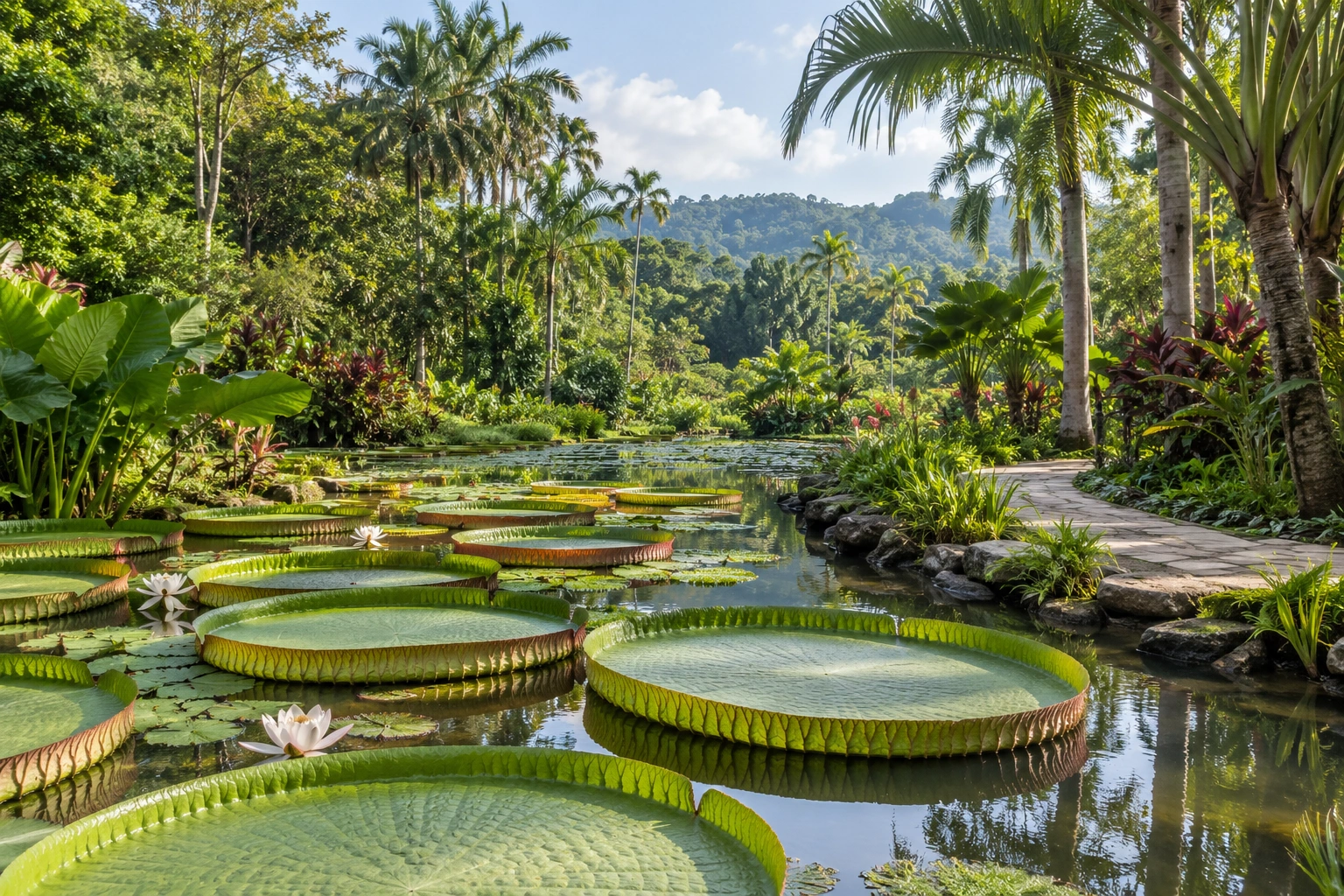
Separate admission, sightseeing vehicles, guiding and evening activities when checking the purchase. Overseas visitors should confirm passport booking and entry with the garden before payment, since published instructions describe Chinese ID details. Its enquiry number is +86 691 8715914. Never use an invented Chinese ID to get through a form.
For the route within the garden and a shorter family version, use our botanical garden day-planning guide. Request current walking distances and step-free access for your chosen route if a wheelchair or stroller is essential. A sightseeing vehicle alone is not an accessibility guarantee.
A practical three-day plan, with room to change your mind
This example assumes three full days after arrival. If your flight lands in the afternoon and departs early on the third day, you do not have three sightseeing days. Write your arrival and departure times above the itinerary before choosing activities. For three complete days, four nights can be a convenient pattern, depending on transport.
| Day | Main plan | Keep flexible |
|---|---|---|
| Day 1: Jinghong | One city garden or cultural stop, lunch, hotel break and a short evening outing. | Skip the night market if arrival was late or the children are tired. |
| Day 2: Menglun | Botanical garden with a walking plan chosen for the group; agree return pickup and gate. | Reduce the route in heat or showers. Do not attach a second distant park. |
| Day 3: choose one interest | A hosted village or tea visit, or a second relaxed city day. | Keep a city alternative if the host, road access or weather changes. |
With only two full days, choose Jinghong plus the botanical garden and leave the rural outing for another trip. With four or five days, extend the stay around your interests rather than repeating similar attraction circuits. A plant enthusiast may value a Menglun overnight; someone mainly interested in food and city evenings may prefer to keep one Jinghong hotel.
Tea landscapes require a separate geographical decision. Nannuo and Jingmai are not two interchangeable afternoon stops outside the same hotel. Read Nannuo versus Jingmai before combining a tea visit with this itinerary. If the onward journey is to Pu’er, build the transfer into the route instead of returning to Jinghong solely to tick off another sight.
Where to stay: convenience first, atmosphere second
Choose the base according to the mornings you want. A room advertised with dramatic evening photographs may be convenient for nightlife but less suitable for someone who needs quiet early sleep. Ask about the exact room’s window direction, nearby music, vehicle approach and luggage access; a general “quiet hotel” label does not answer these questions.
| Base choice | Usually suits this plan | Ask the property |
|---|---|---|
| Jinghong city base | Several different day trips, restaurants and a simple single-hotel stay. | Exact pickup point, lift or stairs, room noise and breakfast timing. |
| Gaozhuang area | People who actively want an evening market outing nearby. | Vehicle access at busy hours, room orientation and a quieter return route. |
| Menglun overnight | A garden-focused visit with less pressure to return to Jinghong the same evening. | Meal options, next-day transport, luggage storage and the correct garden entrance. |
For a short family trip, changing hotels can cost more useful time than it saves. Compare door-to-door travel, packing and check-in, not just road distance. Our Jinghong or Menglun accommodation guide helps you decide whether that extra move has a purpose. Send the hotel your passport details through its proper booking process and confirm who will handle guest registration on arrival.
Getting there and arranging the last part of the journey
For flight searches, use Xishuangbanna Gasa International Airport; for trains, verify the station printed on your ticket. Keep the Chinese hotel name, address, telephone number and a saved map pin on your phone. A regional destination name is not a usable pickup address. Ask the accommodation which entrance a car can reach with your bags.
For a botanical-garden day, compare the complete public-transport journey with a private transfer: departure point, destination stop, entrance, final return and any taxi needed at either end. The garden lists transport options in its visitor information, but your travel date determines the actual service. Confirm the return before leaving Jinghong; an outward ticket does not reserve a seat back.
For rail booking, foreign-passport details and station procedures, use our Yunnan train booking guide. If your onward journey has a fixed flight or train, make the final sightseeing day a city day. Avoid putting a distant excursion immediately before the connection simply because a mapping app shows an optimistic driving time.
When to go, and what to do when heat or rain changes the plan
The regional climate overview from China Weather describes a warm dry season and a wetter part of the year, broadly May to October. Late dry-season afternoons can also be hot. These are planning patterns, not a forecast for your week. Check the current forecast and the operator’s notices before each outdoor excursion.
| Condition | Change the day this way | Keep in your day bag |
|---|---|---|
| Hot, bright afternoon | Put the main walk earlier and return for a proper rest. | Water, sun protection and a light layer suitable for cultural visits. |
| Showers or wet paths | Shorten the outdoor circuit and leave extra transfer time. | Rain protection, footwear with grip and a dry bag for documents. |
| Thunderstorms or an operator closure | Use a city meal or indoor activity and reschedule the excursion. | Host and driver contacts plus the cancellation terms. |
| Busy holiday or festival dates | Reserve rooms and transfers early; reduce the number of moves. | A clear pickup pin and enough time for queues. |
A rain shower and a serious weather warning call for different decisions. Do not treat a waterproof jacket as a reason to continue a closed forest route. Read our rainy-season and heat guide for alternatives. For a young child, one successful outing with time to play and eat usually works better than a late-night market after a full day of walking.
Village visits, food and religious needs
Before a village outing, ask what the host is actually offering: a conversation, food preparation, a craft session or a guided walk. Agree the language, duration, group size and any payment beforehand. Ask before photographing people or entering a home, and respect a refusal. Our Dai village visitor guide explains how to plan a visit around a real invitation.
For Buddhist temple visits, carry clothing that covers shoulders and knees and follow the site’s instructions about shoes and photographs. Keep meals separate from assumptions about religion or ethnicity. A Dai restaurant, a vegetarian dish or a tourist night market is not by itself evidence of halal preparation.
If you need halal meals, explain your requirements before the route is agreed, including ingredients, cooking equipment and whether a vegetarian fallback is acceptable to you. For prayer breaks, discuss timing and a suitable quiet place with the accommodation or trip organiser; do not assume every attraction has a prayer room. Send allergies and children’s food needs as well, so a rural outing does not depend on finding the right meal by chance.
Choose a route and tell us what needs to work
For a longer plant and landscape focus, compare the 5-Day Xishuangbanna Botanical Garden & Forest Tour. For a lighter family rhythm, look at the 4-Day Xishuangbanna Family Nature & Craft Tour. The 7-Day Tea Mountains & Botanical Journey is a different choice for travellers who want tea to shape the itinerary. Check the proposed inclusions and date-specific arrangements before booking.
Use the Verotrip trip enquiry to send your dates, arrival and departure details, adults and children, comfortable walking level, luggage and food or prayer requirements. Tell us which matters most: plants, village culture, tea, family time or city food. We can use those priorities to discuss the route, transfers and accommodation choices in your proposal. Compare other regional options through Yunnan private tours.
Frequently asked questions
How should I arrange arrival, transport and the return?
For flight searches, use Xishuangbanna Gasa International Airport; for trains, verify the station printed on your ticket. Keep the Chinese hotel name, address, telephone number and a saved map pin on your phone. A regional destination name is not a usable pickup address.
Where should I stay to make the daily journeys easier?
With only two full days, choose Jinghong plus the botanical garden and leave the rural outing for another trip. With four or five days, extend the stay around your interests rather than repeating similar attraction circuits. A plant enthusiast may value a Menglun overnight; someone mainly interested in food and city evenings may prefer to keep one Jinghong hotel.
How could weather or seasonal conditions change the plan?
The regional climate overview from China Weather describes a warm dry season and a wetter part of the year, broadly May to October. Late dry-season afternoons can also be hot. These are planning patterns, not a forecast for your week.
How should I plan meals and dietary requirements?
If you need halal meals, explain your requirements before the route is agreed, including ingredients, cooking equipment and whether a vegetarian fallback is acceptable to you. For prayer breaks, discuss timing and a suitable quiet place with the accommodation or trip organiser; do not assume every attraction has a prayer room. Send allergies and children’s food needs as well, so a rural outing does not depend on finding the right meal by chance.