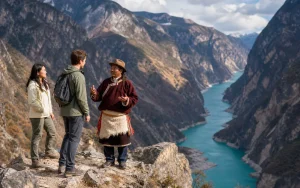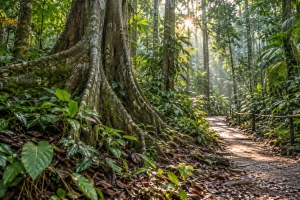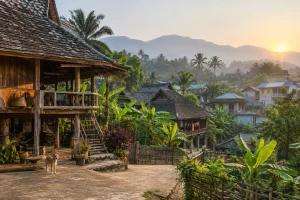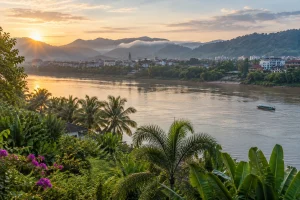

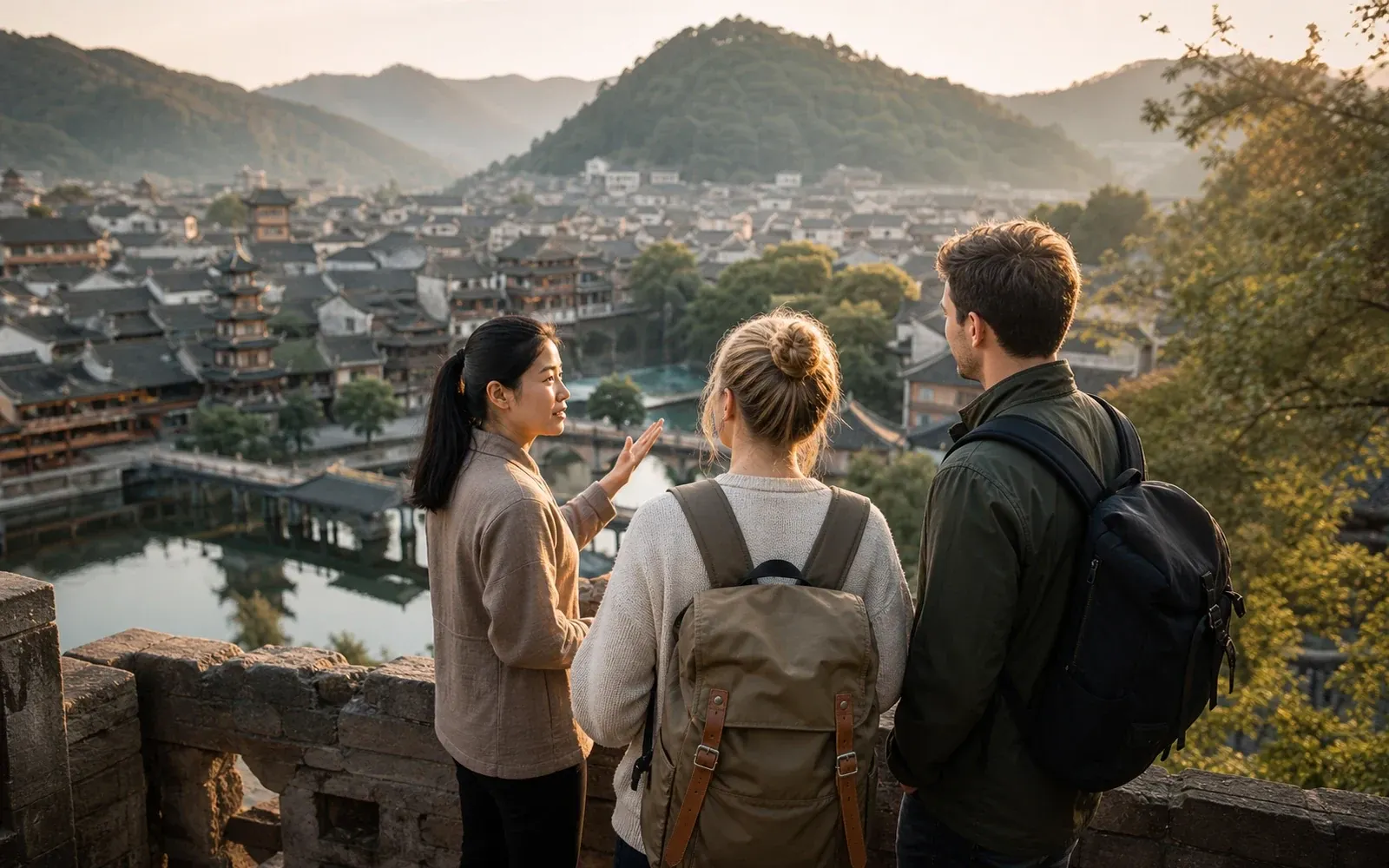
Shangrila tours work best when they slow down. Shangri-La sits on the north-western Yunnan plateau, so a good itinerary is not a race between viewpoints. It is a gradual transition from Lijiang into Tibetan cultural landscapes, with enough time to acclimatise, speak with local hosts and notice how pasture, monastery and old trading town fit together.
A balanced four-day plan
| Day | Focus | Why this order works |
|---|---|---|
| 1 | Lijiang to Shangri-La; easy walk in Dukezong | Keeps exertion low after the altitude gain |
| 2 | Songzanlin Monastery and a Tibetan-family lunch | Culture first, with time for respectful interpretation |
| 3 | Pudacuo National Park | A full nature day after one acclimatisation night |
| 4 | Napa Lake seasonal wetlands; onward or return | Flexible for weather and flight schedules |
What makes this route local rather than generic
Dukezong is most rewarding early in the morning, before day visitors arrive. At Songzanlin, dress modestly, move clockwise where requested and ask before photographing worshippers. Around Napa Lake, the landscape changes with the season: broad wetland in wetter months and grazing country when water retreats. A planner should describe that honestly rather than promise the same mirror-like lake year-round. We also avoid scheduling a strenuous hike on arrival day. Altitude illness can occur after rapid ascent, commonly above 2,500 metres. Rest, hydration and a gradual programme matter more than fitness. Anyone with concerning symptoms should stop ascending and seek medical advice.
Tour-Practical Preparation
- Carry your passport; some attractions and transport services use real-name registration.
- Pack a warm layer and rain shell even in summer; plateau weather changes quickly.
- Use a local guide for monastery context, not only translation.
- Keep one flexible half-day for weather disruption.
- Confirm current park access and opening hours shortly before travel.
Best Time to Visit and Seasonal Weather
Our recommendation: The strongest all-round windows are late May to June for green pasture and wildflowers, and September to mid-October for clearer skies and crisp mountain views. July and August are lush but wetter; December to February is quiet and atmospheric, with cold nights and possible snow or road disruption. The table below is a planning guide, not a live forecast. Yunnan’s elevation changes create large local differences, so check each overnight stop shortly before departure.
| Season or route | Typical conditions | Who it suits |
|---|---|---|
| Spring (Mar–May) | Cold mornings; warming from April; wind and strong UV | May is better than March for a first visit |
| Summer (Jun–Aug) | Mild days, cool nights, frequent showers | Best pasture colour; keep a weather buffer |
| Autumn (Sep–Nov) | Drier air, clear views; nights turn cold quickly | September to mid-October is our top recommendation |
| Winter (Dec–Feb) | Dry, sunny and cold; snow is possible | Good for quiet travel if you accept limited seasonal access |
Where to Go and What Is Actually Worth Your Time
Dukezong Ancient Town
Walk before 09:00 for quieter lanes, then visit Guishan Park. The town is most meaningful when connected to the Tea Horse Road rather than treated as a night-view backdrop.
Songzanlin Monastery
Allow two to three hours with a guide who can explain Tibetan Buddhist etiquette, architecture and the role of the monastery in local life.
Pudacuo National Park
Choose the park day after an acclimatisation night. Boardwalk walking can still feel strenuous at altitude; carry layers and do not rush.
Napa Lake and countryside
Visit for the seasonal wetland or grazing landscape, but do not promise a permanent blue lake. Conditions change dramatically through the year.
Balagezong or Feilaisi
Add one only when you have extra days. Balagezong offers canyon scenery; Feilaisi is the better base for Meili Snow Mountain views when conditions cooperate.
What to Eat: Local Dishes Worth Planning Around
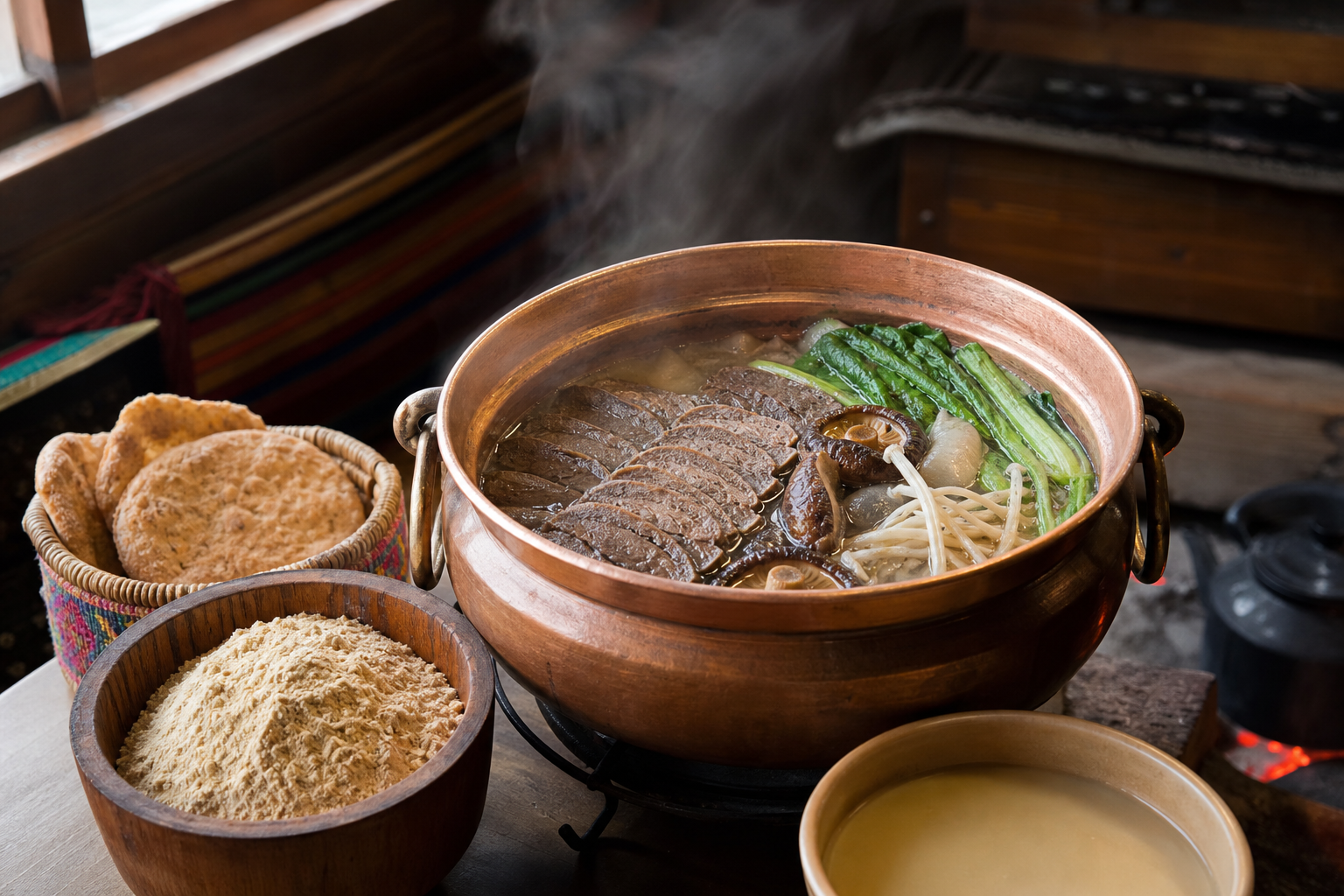
Yak hotpot
A warming shared meal of sliced yak meat, vegetables and mushrooms; ask whether the broth is mild or chilli-forward.
Butter tea and barley bread
Try them in a family-run setting where the host can explain how they fit highland daily life.
Tsampa
Roasted barley flour mixed to taste; begin with a small portion and follow the host’s method.
Matsutake and highland mushrooms
Seasonal and expensive. Eat only in reputable restaurants where mushrooms are correctly identified and fully cooked.
Our Recommended VeroTrip Route
2-Day Shangri-La, Feilaisi and Balagezong Tour
We recommend this extension for travellers who have already acclimatised in Lijiang or Shangri-La and want canyon scenery plus a deeper north-west Yunnan route. For a first arrival at altitude, add a light Shangri-La day before departure. See the itinerary and ask about dates, pacing or hotel options →
Sources
Further reading: Three Parallel Rivers of Yunnan Protected Areas. Health reference: TravelHealthPro altitude illness guidance. This guide supports planning rather than replacing current park notices or medical advice.
Local Planner Notes
Altitude changes the value of time. A light arrival day is part of the itinerary, not wasted time. Keep the most demanding landscape day flexible and do not promise a fixed viewpoint when weather or road controls may intervene.
Frequently Asked Questions
How many nights should I spend in Shangri-La?
Two nights is the minimum for a first visit: one gentle arrival evening and one full day. Add a third night for Pudacuo, a slower monastery visit, surrounding valleys or a route that needs flexibility for weather.
How should I prepare for the altitude?
Arrive gradually when possible, keep the first evening easy, hydrate and avoid overexertion. Travellers with conditions affected by altitude should seek medical advice before travel and discuss a lower-altitude alternative with their planner.
Is Pudacuo suitable for every traveller?
The park combines transport, a high-elevation environment and optional walking. It can be adjusted to the group pace, but it is not the right choice for everyone on every day. Check current access and your comfort with altitude before confirming it.
How does Shangri-La connect with Lijiang?
The route is normally a mountain-road transfer, often paired with Tiger Leaping Gorge when the schedule and conditions allow. Treat it as a full travel day rather than adding several fixed activities around the journey.
When is the best time to visit Shangri-La?
Conditions vary sharply by season. Spring and autumn often give clearer travel conditions, while winter is cold and summer brings rain. Road, park and mountain conditions should be checked close to travel.
Related Planning
Turn the Idea Into a Workable Route
Share your dates, arrival and departure cities, preferred pace and the experience that matters most through Plan My Trip. VeroTrip can compare the practical route options and prepare a written proposal with confirmed inclusions and limitations.
Continue Planning Your Yunnan Trip
Use these Yunnan resources to compare route length, season, transport, budget and private travel options before fixing the daily sequence.