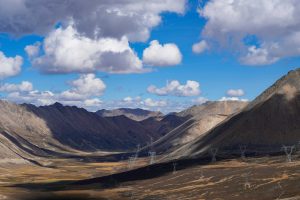
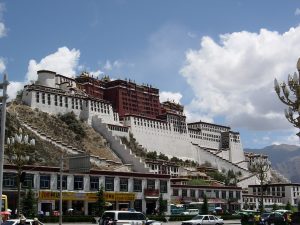
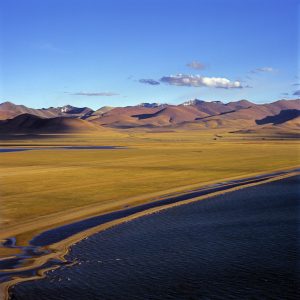
Pack for the moments between Tibet’s photographs: waiting beside the vehicle in wind, walking from a car park, sitting through a long transfer and finding what you need without unpacking the whole suitcase. A useful bag supports your actual route and season. It does not need to resemble a mountaineering expedition if your programme consists of city visits and developed viewpoints.
Start with the itinerary and three separate loads
List each overnight, the longest vehicle stages, the visits involving stairs or walking, and any transfers where you carry your own case. Confirm baggage rules with the relevant carrier and storage capacity with the touring operator. A vehicle’s seat count does not describe its luggage space. Tell the organiser if your party carries large suitcases, specialist equipment or mobility aids.
Divide the load into a main case, an accessible overnight kit and a small day bag. The overnight kit can remain inside the case but should be easy to remove. It saves repeated searching when rooms change daily or the vehicle is loaded in a particular order. Keep essential personal items with you within transport rules rather than relying entirely on checked luggage.
| Bag | Put here | Avoid this common problem |
|---|---|---|
| Main case | Spare clothes, non-daily toiletries and larger items | Every photo stop requiring the driver to unload luggage |
| Overnight kit | Sleepwear, next-day clothes, toiletries and charging items | Emptying the whole case in a small room |
| Day bag | Accessible layers, sun protection, water, snacks and requested documents | Warm gloves or documents buried under other cases |
| Personal essentials | Items you cannot readily replace | Assuming they will be available at every regional stop |
Use layers for changing conditions
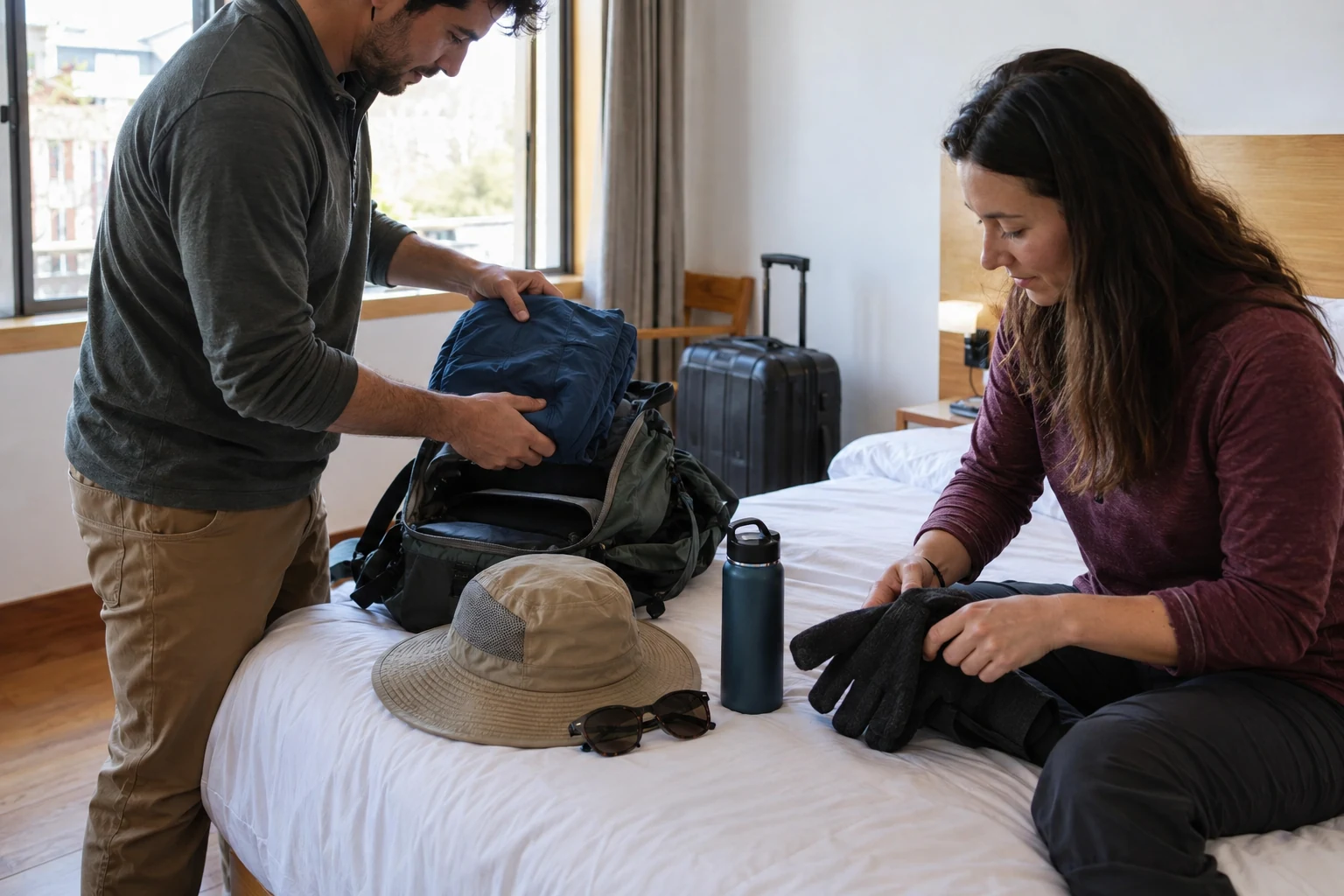
Choose a comfortable base layer, a warm mid-layer and protection from wind or precipitation suited to the forecast. Test that the outer layer fits over the warm layer before leaving home. You may be warm in a sunlit vehicle and cold immediately after stepping outside. Keep the windproof layer where you can reach it before opening the door, rather than searching while exposed.
Bring a warm hat and gloves appropriate to your stops, together with sun protection and sunglasses. A city diary describing pleasant winter sunshine does not establish the temperature at an exposed lake or after dark. Check forecasts for the specific settlements and high stops, not just the broad regional label “Tibet”.
Avoid packing only heavy items that are uncomfortable indoors or difficult to adjust. A few compatible layers are easier to manage than an outfit for every photograph. For religious visits, include clothing that follows current site requirements and can be worn comfortably while walking and sitting.
Choose footwear for the actual walking
Use shoes you have already worn for a similar amount of walking. Consider grip, stairs, uneven paving and time standing, not just the advertised difficulty of the attraction. City visits can involve more walking than their short vehicle distances suggest. Tell the guide if you need a shorter route or more seated breaks.
Do not buy stiff boots immediately before a trip unless the planned activity needs them and you have time to get used to them. For wet conditions, consider how shoes and socks will dry before the next morning. Pack spare socks accessibly, and ask about the overnight rather than assuming every room has strong heating or drying facilities.
Keep food and water practical
Carry drinking water in a container you can use while travelling and suitable snacks for delays or a meal that does not suit your diet. Ask where you can obtain safe drinking water and whether the vehicle supplies any. A reusable bottle does not make untreated lake or stream water safe. Leave space in the bag for the full bottle’s weight.
For food allergies, vegan requirements or halal needs, agree suitable meal arrangements before departure and carry an appropriate fallback. Do not assume a bowl described as vegetable noodles has meat-free stock or that beef establishes halal preparation. Snacks are a backup, not an excuse to remove every proper lunch from a long programme.
Bring tissues, hand-cleaning supplies and any ordinary hygiene items you need. Ask about toilet stops and expected facilities on long stages. Dispose of waste through appropriate facilities rather than leaving it at a viewpoint or assuming it will be collected from a roadside stop.
Documents and offline information
Have the original passport and Tibet-document format your organiser and carrier require. Keep accessible copies of the itinerary, hotel names, transfer instructions, booking references and assistance contact. Store sensitive documents securely and avoid handing them to an unverified person who offers to solve a booking issue.
Save the next day’s essential information offline. Mobile coverage, battery life and app access should not be the only way to find the hotel or contact help. Ask the organiser which details need to be carried physically and who holds any group documents. A domestic traveller’s identity-card routine is not automatically appropriate for a foreign passport.
Electronics without an overfilled camera bag
Bring charging cables and compatible plugs for the actual devices you use. A small power bank can be useful, but check current airline and rail rules for batteries and charging equipment before travel. Do not pack a damaged battery or assume rules from a previous flight apply unchanged.
Cold conditions can affect battery performance. Keep a practical charging routine and enough storage for the trip. If photography is a priority, carry the equipment you can comfortably manage while following site rules. Do not assume drones are permitted because someone flew one in a social post; leave any flight out unless the legal permissions and local conditions have been specifically established.
Medical preparation is separate from the shopping list
Discuss your medical history, regular medication and planned sleeping elevations with a clinician before travel where relevant. Carry prescribed personal medication in the appropriate quantity and documentation for your journey. This guide does not prescribe altitude drugs or a universal “high-altitude medicine kit”.
An oxygen canister or pulse oximeter is not a substitute for recognising symptoms, seeking help or descending when needed. Ask the organiser what support is available and how emergency assistance works. Do not use a device reading or a brief improvement after oxygen as permission to keep ascending with symptoms.
| Situation | Packing implication | Planning decision that matters more |
|---|---|---|
| A windy lake stop | Accessible warm and windproof layers | Exact visitor area, weather and return time |
| Several changing hotels | Compact overnight kit | Appropriate stages and realistic check-in |
| A long rail journey | Small accessible toiletries and food kit | Berth class, sleep and easy arrival |
| A strict diet | Agreed suitable snacks and a translated needs card | Reliable meal arrangements |
| Remote or high sleeping places | Personal essentials and assistance details | Suitability, approvals and an emergency response |
The final evening check
Set out the next day’s clothes, documents and day bag before going to sleep. Confirm the forecast, breakfast, departure, longest transfer and main stop. Refill supplies through appropriate sources and charge devices. Keep the room departure simple so the morning does not begin with a rushed repack.
If the programme changes, repack for the new conditions rather than continuing with yesterday’s assumptions. A warmer room does not mean a warmer pass; a shorter drive does not remove a cold wait. Thoughtful packing gives you more comfort and flexibility, while the route, health and access decisions remain the foundation of the trip.
Continue planning this journey
Use our Tibet route-planning guide to place this topic within the whole trip. The railway, Samye and Namtso planning guide explains how arrival and separate outings fit together.
Compare 8-day Lhasa, Nyingchi and lakes tour. These are existing route descriptions, not confirmation of a departure, present access or every optional stop discussed above. Ask for the exact permitted programme, accommodation, guiding language and itemised services for your dates.
Sources and research notes
Reviewed 29 October 2026. Practical perspectives were compared with original Xiaohongshu note bodies and initially visible comments: 西藏|纳木措&羊卓雍措攻略; 如果你想冬天去西藏; 南宁出发一个人去拉萨. These individual experiences mainly concern domestic travellers; they are not evidence of foreign-visitor eligibility, present prices or medical safety.
China regional risks: Tibet; CDC Yellow Book: High-Altitude Travel and Altitude Illness. Confirm operating notices and passport arrangements for the actual travel date.