At Sichuan Art Museum beside Tianfu Square, let the exhibition actually open on the date lead the visit. Give one show attention before adding a small contrast, then lunch and the Chengdu hotel return. A memorable selection matters more than expecting every famous collection artist on the walls.
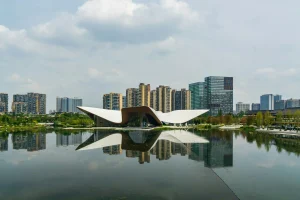
The museum is 四川美术馆 at 人民西路6号, on the northwest side of Tianfu Square. Save that name and address together. Sichuan Museum, Chengdu Museum, Chengdu Art Museum and the Sichuan Fine Arts Institute’s museums are different institutions; a reservation or visitor notice for one does not apply to the others.
The choice at a glance
| Interest | Main emphasis | A useful contrast |
|---|---|---|
| Ink and landscapes | Composition, brushwork and the unpainted surface. | One available print or another medium. |
| Printmaking | Line, light and dark, and works in a series. | A drawing or process record if displayed. |
| Contemporary art | One confirmed exhibition and its main idea. | A smaller collection selection if open. |
A half-day here is a suggested allocation for a focused gallery visit, a meal and the local journeys. It is not an official guided-tour duration. If an exhibition is the purpose of your Chengdu stay, give it more room; if the party wants an introduction, a smaller selection can be enough.
Start with ink, landscape or printmaking
Ink and landscape: look before translating
Begin an ink painting with dark marks and unpainted space. Where does the eye enter, and what appears near or distant? Look first, before translating every label, so the work has time to make its own impression.
In a landscape, compare one mountain, tree or water passage: a few suggestive strokes or many layers? Then read artist, date and medium and look again. This turns a brief visit into an encounter with a work rather than photographs of whole walls.
A Southwestern University of Finance and Economics report dated 24 June 2026 describes international students studying ink painting, landscapes and prints during a visit earlier that month. It is useful evidence of these collection interests and of an organised international visit. Its floor-by-floor sequence was that day’s teaching route, not a permanent visitor map or a language class available with ordinary admission.
Prints: compare a line, a contrast and a sequence
The Sichuan public cultural directory identifies printmaking as an important part of the museum’s holdings, including the Shenzhou Print Museum collection. A large collection does not mean every work is hanging at once. Ask which relevant exhibition or gallery is open before making a specialist printmaking visit depend on it.
With prints, compare light areas, dense dark marks and the textures between. See how a figure separates from its background. If works form a series, examine the order too: a sequence can tell a story that an isolated picture cannot.
Read the medium instead of treating all prints as one process. A woodcut, preparatory drawing and documentary record offer different evidence. Looking at that process does not include handling a block or joining a printmaking lesson; either needs a separately accepted activity.
Choose the current exhibition, not an old floor plan
The museum’s online collection-exhibition page contains an exhibition start date in 2015 within a page dated 2019. Its website header can show a much newer date. Read the dates inside the actual listing: a current-looking header does not establish that an old display remains in the same room today.
Before choosing the day, establish the exhibition title, venue, run and open galleries. Check an essential work or artist explicitly. A virtual display, collection entry or previous-show photograph cannot reserve that object for the visit.
Contemporary exhibitions may offer a different way into art. A 20 August 2026 on-site report carried by CCTV describes the museum’s youth-art exhibition 慢慢来, with painting, installations and mixed materials organised around slowing down, humour and everyday life. It is a dated example of the programme, not a standing collection or a medical treatment.
For this or a later contemporary exhibition, confirm its run and access first. Look at how ordinary materials acquire meaning when combined. Follow each work’s signs: one interactive installation permits no touching elsewhere, and a reported education event is no included workshop.
A first visit can follow one question and one contrast: landscape composition then a print, or a confirmed contemporary show with a smaller second subject. Leave the next floor for another day when attention fades. Seeing everything can make the individual works less distinct.
Confirm the operating day and passport arrangement
Information as of 7 November 2026: the public cultural directory describes the museum as free to visit, but its listed closing time differs from the evening timetable on the museum’s public-service platform. The latter publishes a Tuesday-to-Sunday pattern. Use the museum’s date-specific visitor information to establish opening, last admission and any holiday change; do not plan an evening visit from the older web timetable alone.
Ask whether the chosen exhibition has a separate ticket, reservation, identity check or capacity limit. Free general admission does not confirm every special programme or eliminate entry procedures. Keep the exact museum name on the confirmation so a similarly named institution’s booking instructions cannot be substituted.
The university’s international-student visit establishes that an overseas group visited; it does not document every ordinary foreign-passport booking channel. Have the supported method for your party established before arranging a timed service around entry. Carry the original passport used for the confirmed arrangement. A Chinese-ID form is not a reason to enter somebody else’s document details.
If the passport channel or an essential exhibition remains unresolved, keep the day flexible and choose another independently available activity. A transport reservation is not proof of museum admission. Do not assume that arriving with a driver will resolve the document question at the door.
Build a complete central-Chengdu half-day
Arrive at the right museum
Use 四川美术馆 and 人民西路6号 in your map or transfer instructions. Tianfu Square is the area reference, not the precise vehicle meeting point. For a taxi or arranged car, establish a legal stopping place and the remaining walk to the visitor entrance.
For a metro approach, check the current journey planner, station exit and pedestrian route for that address. An exit on another side of the square may add crossings or underground walking. Choose a route that suits the party’s bags and mobility instead of selecting only the shortest station-to-station journey.
After entry, use the current exhibition map to find the main gallery. Pause before another subject and set a reunion if companions browse independently. Children remain with their responsible adult, without assuming supervision from an unarranged guide or driver.
Have lunch, then make the return a real part of the plan
Keep a seated meal outside the gallery visit unless a specific on-site food arrangement has been confirmed. Choose the restaurant for dietary needs and a comfortable break. Low chilli, vegetarian ingredients, allergies and halal requirements are separate questions; a dish’s appearance alone cannot settle them.
After lunch, choose the hotel or a short central public-area walk if conditions suit. Chengdu Museum is a different cultural visit with its own entry. One collection can anchor the half-day without automatically adding the other.
If city history is the main interest, compare the Chengdu Museum and Sanxingdui options. For natural history, archaeological research and folk-life collections, the Sichuan University Museum guide covers another institution in a different part of the city.
Finish at the agreed collection point or public-transport entrance, then include the complete journey back to your actual hotel. An outing that ends when you leave the gallery is different from a service returning you to your accommodation. An onward airport or station transfer requires a separate timing and luggage decision.
Keep a Chengdu base and count the nights
| Stay | Full days between travel dates | Gallery place in the plan |
|---|---|---|
| Four days, three nights | Two full days. | Main outing on one day; gallery and city time on the other. |
| Five days, four nights | Three full days. | Another city subject or a separate excursion. |
| Three days, two nights | One full day. | Choose the priority and reduce competing stops. |
Four days and three nights give two full days between arrival and departure. One can serve the trip’s main outing, with the other built around this gallery visit and flexible city time. Five days and four nights create a third full day for a separate excursion or another city interest. Read the Chengdu stay planner before filling those days.
A Tianfu Square or People’s Park-area hotel can be convenient for a centre-focused stay, but evaluate the actual property and entrance. Check passport registration, room configuration, lift access, noise and the final walk with bags. Changing rooms for one half-day gallery visit usually creates unnecessary packing and storage.
Keep an essential exhibition off a tired arrival period when delays could remove the visit. On departure day, work backwards from the real flight or train: gallery exit, hotel bag collection, onward travel and check-in all need space. A short art visit should not put the main connection under pressure.
Rain, standing, photography and luggage
Indoor art can make a satisfying wet-weather choice once admission and opening are settled. The approach, lunch and return still involve outdoor travel. Shorten the optional square walk when rain or heat makes it uncomfortable; weather does not turn a closed gallery into an available alternative.
Looking at pictures can involve prolonged standing and movement between floors. Ask about the actual entrance, lifts, seating, toilets and route if a wheelchair, stroller or limited standing tolerance matters. Do not infer a fully accessible visit from a modern-looking building or an image of a lobby.
Read the posted photography rules for the exhibition and each work. Keep phones and bags clear of other visitors, respect barriers and avoid touching artworks. A photograph for personal memories and commercial reproduction are different uses; this guide supplies no permission to reproduce the museum’s artworks.
Leave a suitcase in agreed hotel storage where practical. Check storage acceptance and collection arrangements before relying on any museum facility. Keep passports, medication and valuables with you, and confirm whether a booked vehicle waits and who remains responsible for bags. A brief drop-off is not a storage service.
Separate the tickets and services
| Part | Detail to establish |
|---|---|
| Admission | Exact museum, exhibition, operating date, passport channel and any ticket category. |
| Interpretation | Language, subject, galleries, duration and actual availability. |
| Transport and bags | Hotel, legal collection point, waiting, bag responsibility and complete final address. |
| Meals and changes | Dietary needs, payment basis, separately booked activities and change terms. |
Price on request. A proposal should identify the museum and exhibition, date, accepted document process, actual admission category, requested language support, transport, waiting, final address and any meal. Hotels, specialist interpretation and activities apply only when itemised. Accept the payment, change and cancellation terms before booking.
This is independent visit guidance, not confirmation of a departure, private guide, English museum explanation or exhibition place. A city driver and an art interpreter have different roles. For a specialist visit, describe the subjects you want explained and have the proposed person’s language and gallery coverage confirmed.
Frequently asked questions
Is this the museum at Sichuan Fine Arts Institute?
No. This guide concerns Sichuan Art Museum on Renmin West Road in central Chengdu. The institute’s museums are separate venues in Chongqing. Use the full Chinese name and address with every booking or transfer.
Can I expect the same paintings shown in an old article?
No. A collection holding or past exhibition does not prove current display. Confirm the essential work or show for your date, then choose a smaller available sequence if other galleries change.
Does free admission include an English guide?
No language service is assumed. Establish the actual admission process and separately request the language, subject, duration and cost of any explanation. Do not treat an organised university visit as an everyday public tour.
Can I combine the gallery with a same-day departure?
Only when the confirmed opening, chosen visit, meal, bag collection and full onward journey fit comfortably. Keep a major connection protected; an uncertain passport channel or exhibition should remain optional.
Plan the gallery visit around your interests
Send Verotrip your dates, hotel, party size and ages, passport needs, preferred language, standing and stair limits, exhibition interests and any onward connection through Plan My Trip. Say whether ink, landscapes, printmaking or a confirmed contemporary show matters most, so the written plan can protect that visit and a comfortable finish.