Start at the Lijiashan Bronze Museum in Jiangchuan if you want to see what the objects from an ancient Dian cemetery reveal about life around Yuxi. Give your main visit to the bronze galleries. Compare a container made to hold cowrie shells, a patterned fastener and, if on view, the Three Riders Bronze Drum. Afterward, have lunch in Jiangchuan and decide whether to add a short public walk by Xingyun Lake before returning to your hotel.
Save 云南李家山青铜器博物馆 and 玉溪市江川区星云路西段1号. The visitor museum is in town. The cemetery where the objects were excavated is a separate place, and heritage park plans do not establish public access to the graves. For the museum day, use the town address and the museum’s current visitor instructions.
Look at three kinds of bronze
The museum was founded to care for and display objects from the Lijiashan burials. Begin with the exhibition introduction to connect the pieces to their findspots. If several collections are open, prioritize the ancient Dian bronzes and leave the local fishing or other exhibitions for a second look. The district’s presentation has included tools and domestic objects alongside craft and ritual themes. It helps to decide which of those themes you want to follow before reading every panel.
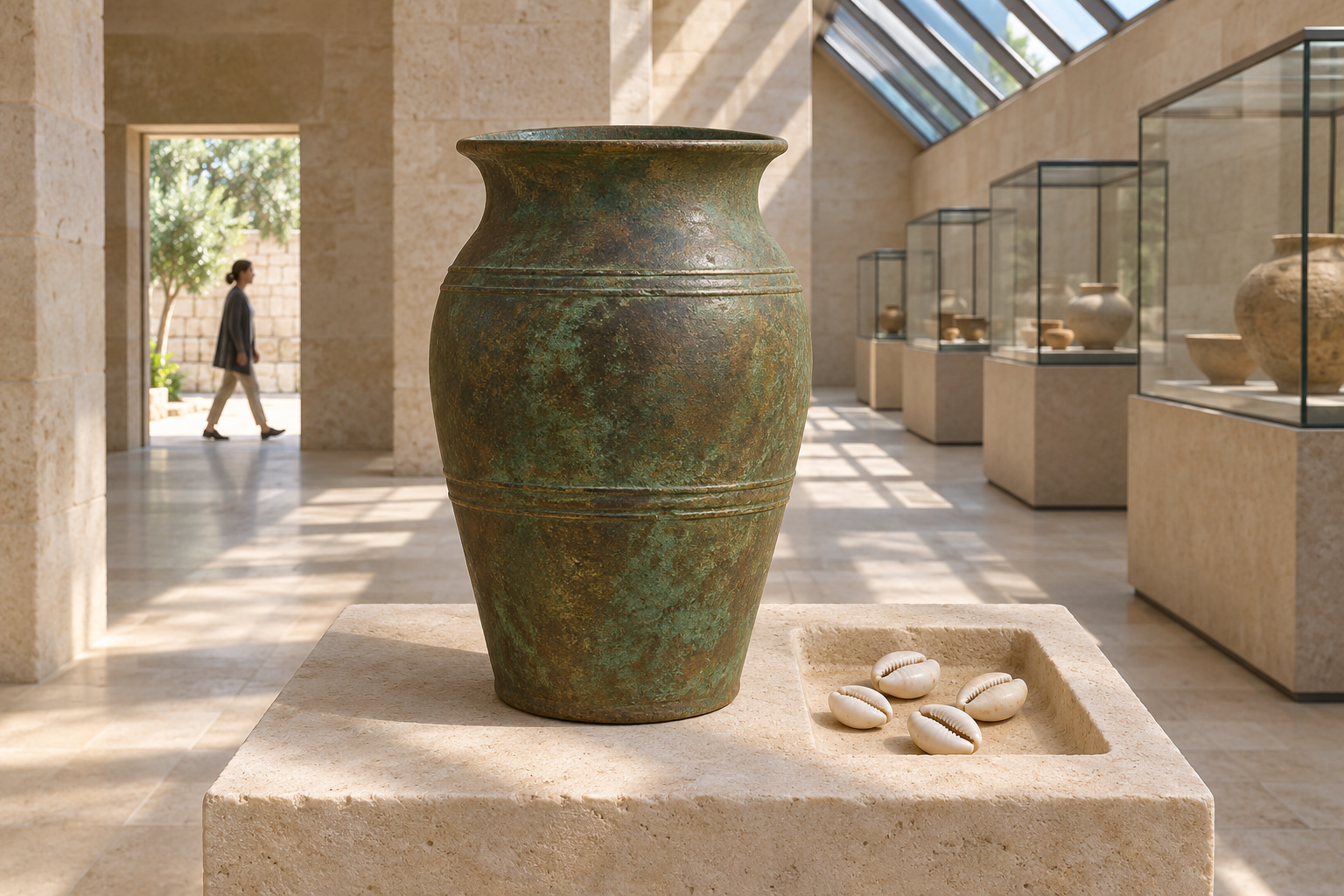
Start with a cowrie container, labeled 贮贝器, if one is available. First look at the shape of the vessel and the lid that fits it. Then give the small figures on the lid their own look. Are they arranged around a center, looking toward each other, or shown in a line? Some lids are crowded enough to reward more than one angle. Use the label to distinguish what the object held from the scene the artist modeled above it.
Next, compare the large shape of a vessel with a small bronze fastening ornament. Cattle, tigers and other animals appear in the collection. A second look at a fastener can reveal how an animal’s body, legs or head fit a shallow piece worn on clothing or equipment. Look for mounting information and excavation context before guessing its use. Agricultural tools make a useful comparison because their working shape is often easier to recognize.
If the 三骑士铜鼓, the Three Riders Bronze Drum, is displayed, look at the drum surface first, then at the riders and the small animal on top. The museum’s curator has described technical evidence that the drum and mounted figures were cast differently, with the figures added later. That makes two questions worth asking while you look. How did the drum work as an object, and what changed when figures were added to its surface? Use the viewing position the museum allows. There is no need to seek out a higher angle beyond the visitor route.
| Object or display | Look for | Ask or check |
|---|---|---|
| Cowrie container | Shape of the vessel and how the figures turn across its lid. | Context of the shells and the burial the object came from. |
| Bronze fastening ornament | Animal shapes and how the object fitted onto something else. | Label for purpose, mounting and findspot. |
| Three Riders Bronze Drum, if on view | Surface of the drum, riders above it and differences between cast elements. | Whether the piece, a reproduction or interpretation is available. |
Follow the object label before you follow the famous image
The bronze table with cattle and tiger figures, 牛虎铜案, was found at Lijiashan. The original belongs to the Yunnan Provincial Museum collection in Kunming. A copy, photograph or interpretation in Jiangchuan can still show how the figures fit around the tray, and the local museum is the place to put that design alongside other finds from the cemetery. If seeing the original matters to you, check with the provincial museum for the date you plan to go.
Check each label for a collection name, findspot and any word indicating a reproduction or loan. For a special item, ask at the information desk before walking through every room. The Jiangchuan museum sends objects to exhibitions elsewhere, so a permanent collection and the pieces currently on display can differ. If the Three Riders Drum is away, choose a cowrie container, an ornament and one everyday tool as your route through the collection.
Have lunch in Jiangchuan and choose whether to see the lake
Leave time for a seated lunch in town after the galleries. If you want a local fish meal, show 铜锅鱼 for fish cooked in a copper pot or 盐水鱼 for Jiangchuan’s local salted fish preparation. Ask what kind of fish is being served, whether there are small bones and how the stock is made. The menu name does not tell you where the fish was caught or raised. For a simpler meal, choose rice and cooked vegetables after checking the oil, stock and seasonings with the kitchen.
For a fuller day, transfer after lunch to a signed public approach in the Hezui community (河咀社区) on Xingyun Lake. Local visitor information describes a lakeside ecological path there. Choose one open stretch and return the same way to the pickup point. Leave the lake as an option if the wind, heat, rain or walking surface is unsuitable. Your museum visit and lunch can stand on their own. The lake walk is separate from both the museum courtyard and a trip to the archaeological site.
Plan the full return from your hotel
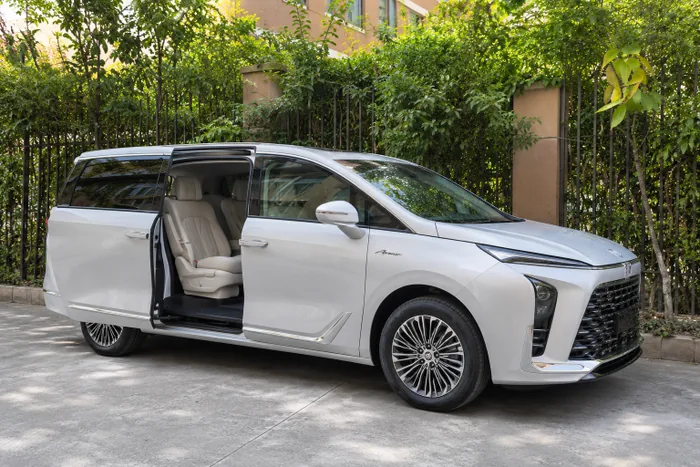
From a hotel in Yuxi’s Hongta district, arrange the ride to the museum’s town address after breakfast. A road round trip makes it easiest to account for the museum entrance, lunch and the last leg back. From a hotel on Fuxian Lake, tell the driver which shore you are staying on and use the exact address for both ends. Display the Chinese museum name on arrival. Before leaving for Xingyun Lake, tell the driver where you will turn and meet afterward.
Start in the main bronze display if standing time is limited. Ask about thresholds, levels, places to rest and the easiest return to the entrance. If you are going straight to a station afterward, keep the transfer time separate from the museum visit. For a same-hotel return, leave large bags at reception if the hotel agrees. If you are moving bases, confirm luggage room in the car and ask the venue about any bags you intend to take inside.
| Plan | Travel and lunch | How to end the day |
|---|---|---|
| Museum and town meal | Start in the main bronze gallery, then sit down for lunch in Jiangchuan. | Meet at the lunch address and return to your hotel. |
| Museum, meal and short lakeside walk | Transfer after lunch to a signed public approach in Hezui if conditions permit. | Return to the same lake pickup, then to Hongta, Jiangchuan or your booked lake hotel. |
| Lengthen the indoor visit instead | Read a second open display or move lunch earlier if the path is wet. | Keep the confirmed return and leave the lakeside leg out. |
Choose Hongta, Jiangchuan or a Fuxian Lake stay
Hongta is the simplest base if you want to spend the following day in Yuxi city or have an onward rail connection. Staying in Jiangchuan lets you give the museum and the lake shore separate parts of the day. A stay near Fuxian Lake suits a longer trip with a second outdoor day and a separately planned museum transfer. Confirm the hotel can register your original passport and check the exact pickup point, early or late meals, and luggage arrangements.
| Trip length | A workable order | Hotel nights |
|---|---|---|
| 3 days / 2 nights | Arrive in Hongta. Visit the museum and Jiangchuan at an easy pace on day two. Collect bags and depart on day three. | 2 in Hongta. |
| 4 days / 3 nights | Arrive in Hongta and use day two for the city. Move with bags to Jiangchuan on day three, see the bronzes, then depart from the district on day four. | 2 in Hongta and 1 in Jiangchuan. |
| 5 days / 4 nights | Arrive in Hongta. Visit Jiangchuan on day two. Transfer with bags to a Fuxian Lake hotel on day three and use day four for the shore. Depart on day five. | 2 in Hongta and 2 near Fuxian Lake. |
For the original cattle-and-tiger table, plan a separate Yunnan Provincial Museum visit in Kunming. The Yuxi area and hotel guide compares wider bases. If a Fuxian Lake stay is part of the trip, see the Luchong shore and Bijia Hill guide for a half-day outside, or the Chengjiang Fossil Museum for a different era and an indoor alternative on another day.
Questions about the Lijiashan Bronze Museum
Can I visit with an overseas passport?
Ask the museum which staffed entry or reservation process works for your original passport on the day. Check the open galleries and whether there is a separate procedure for a group or a temporary exhibition. A public opening announcement does not settle how every identity document is handled.
Is the cattle-and-tiger table in Jiangchuan?
The original is held by the provincial museum in Kunming. Look for the label on any copy or interpretation in Jiangchuan and ask about the original’s display in Kunming if you are making a special trip for it.
Can I skip the lakeside visit?
Yes. Use your time for the bronze galleries and a seated Jiangchuan lunch, then return to the hotel from the agreed pickup. You can also go directly to an onward station if the car and your luggage transfer have been arranged in advance.
Can Verotrip help put the day together?
Price on request. Tell your travel consultant which objects you especially want to see, where you are staying and where the trip ends. Ask for the outbound ride and full return, waiting time, admission procedure, guiding language and any meals or accommodation to be specified in writing.