Yunnan Provincial Museum works best as a focused introduction to the province: secure admission for your documents, choose a period that interests you, and leave time to look closely. You do not need to finish every gallery to have a worthwhile visit. A museum morning with an optional Guandu walk is usually a more useful plan than squeezing it between distant sightseeing stops.
The practical sequence is reservation, identity check, then gallery choice. Free general admission does not remove the reservation requirement, and purchasing commentary does not establish your right to enter. For overseas visitors, resolving the passport procedure before arranging a vehicle is especially helpful.
Make sure you have the right museum and date
Use the Chinese name 云南省博物馆 and the address 6393 Guangfu Road, Guandu District, Kunming when checking a booking or map. The provincial museum is a different destination from Kunming’s municipal museum. A search result for a museum elsewhere in the city is not confirmation for this venue.
The museum’s September 30, 2026 notice states that normal opening resumes from October 8: Tuesday–Sunday, 09:00–17:00, with last admission at 16:30. Its later National Day closing time applied to October 1–7. Check the latest official calendar for your actual date, especially Mondays and public holidays, rather than relying on an old holiday screenshot. See the museum-authored notice reproduced on Sohu.
For planning, allow roughly two to three hours inside for selected galleries, plus the journey and entry procedures. This is a suggested pace, not an admission rule. Arriving near last admission leaves little time to read labels or recover from a document problem.
Reserve admission separately from guides or transport
The museum’s official July 2025 reservation warning identifies Alipay’s 云南省博物馆 and WeChat’s 数字云博 as its reservation channels. It confirms free general admission with real-name booking and warns against treating third-party reservation or commentary sales as authorized museum admission.
Open the actual official service and follow the dates, document choices and instructions currently displayed. A search advertisement, a payment receipt for another service, or a conversation with a driver is not the museum’s reservation confirmation. Keep the confirmed date and visitor details available offline, while protecting the passport information they contain.
| What you have | What to check next | Planning consequence |
|---|---|---|
| An available date | Correct museum, visitor names, document type and accepted confirmation. | Arrange the journey after the admission procedure is resolved. |
| A full date | Another date or any spaces released through the official system. | Keep a different activity ready; avoid non-refundable arrangements based on hoped-for entry. |
| A paid guide or car | Separate admission confirmation and the actual scope of that paid service. | Transport and commentary cannot substitute for entry approval. |
The September 2026 notice explains that on-site same-day registration still depends on available online quota: a full quota does not create an extra walk-in allocation. Treat cancellation availability as a possibility, not a promise. Do not travel across Kunming assuming a person at the gate can override a full day.
If the form does not accept your passport
China Daily’s English visitor listing says a passport is required for entry. That dated listing supports bringing your original passport; it does not prove every current mini-program screen accepts foreign documents.
If you cannot find a suitable document option, ask the museum’s visitor services, using its official channel, how a visitor with your passport should reserve and enter. State the intended date and number of visitors. Obtain a usable procedure before committing the day. Do not enter a fabricated Chinese identity number or assume a screenshot can replace the original document.
Confirm children, older relatives and accompanying adults individually. A published rule referring to a Chinese identity card should not automatically be applied to a foreign passport. For a family, the useful outcome is a clear admission arrangement for every person, rather than one successful booking and several unresolved companions.
Choose galleries by a question, not by the number of rooms
The museum’s published permanent-exhibition overview organizes Yunnan’s history into six chronological sections across the second and third floors. Use these as a starting map, then follow the galleries actually open on your visit. The English labels below describe their subjects; Chinese names help you match signs.
| Floor and section | Historical focus | A useful viewing question |
|---|---|---|
| 2: 远古云南 | Prehistoric Yunnan. | What does the evidence reveal about changing environments and early lives? |
| 2: 文明之光 | Bronze Age and ancient Dian. | Which details suggest how people worked, traded or expressed status? |
| 2: 南中称雄 | Eastern Han to early Tang. | How are connections between Yunnan and other regions explained? |
| 3: 妙香佛国 | Tang–Song Yunnan, including Nanzhao and Dali. | How do objects connect belief, patronage and everyday society? |
| 3: 开疆戍边 | Yuan, Ming and Qing periods. | What changed through migration and new administrative relationships? |
| 3: 百年风云 | Modern Yunnan. | How does an individual story fit the wider historical timeline? |
For a first encounter with Yunnan: begin with the Bronze Age section, then choose one later period. Look at a small group of objects and compare material, purpose and decoration. Read a label before deciding that a striking object is religious, ceremonial or domestic; appearance alone can mislead.
Before travelling to Dali: prioritize the Tang–Song section. Note that the historic Dali kingdom and today’s city itinerary are different kinds of information. Use the museum to develop questions for later visits, rather than expecting it to explain every modern attraction or community through one dynasty.
With children or limited museum stamina: choose one section and a simple task: find an animal motif, compare two materials, or sketch an object’s outline. Let the child’s observation lead to a label. One remembered object is a better outcome than a rushed circuit followed by exhaustion.
Temporary exhibitions have their own dates and conditions. A past exhibition poster does not establish a current display, and a permanent-gallery overview does not guarantee that an individual object is on view. Check the day’s exhibition information before making one particular artwork the reason for your journey.
Plan the journey around your admitted visit
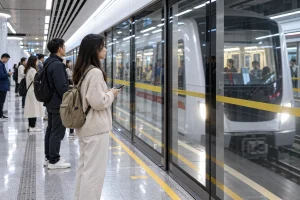
The museum is a separate outing from central Kunming’s Green Lake area. Save the correct Chinese destination and return address before leaving your accommodation. Compare a current public-transport route with the full taxi or car journey, including the walk from a stop to the entrance. Our Kunming metro guide explains how to check routes and station arrangements.
For a museum-first half-day, travel with enough margin for entry, visit one main section, take a seated break if available, and decide whether to add another gallery. Afterwards, make lunch the flexible part of the day. Keep the meal choice practical for your dietary needs instead of assuming food will be available inside an exhibition area.
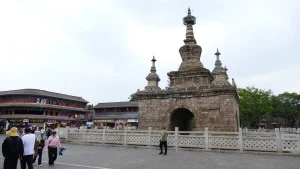
If you still have energy, consider a separate Guandu Ancient Town walk. Agree on the actual walking route and finish point; do not turn a nearby cultural stop into a compulsory second checklist. In rain, heat or fatigue, a longer museum visit followed by a meal may suit your group better.
Allow more room if you have an onward flight or train. Luggage storage, retrieval and a journey to a station are part of that connection. For choosing where this outing fits in a longer stay, use the one-, two- and three-day Kunming guide.
Handle bags, accessibility and interpretation before they interrupt the visit
The September notice describes staffed storage for large luggage near the forecourt’s eastern entrance and self-service lockers for smaller items. Ask staff which arrangement is operating, what fits, and when to collect it. If a locker uses a phone scan or deposit, resolve access and repayment before leaving belongings. Keep passports and essential medication with you, subject to security instructions.
For mobility or sensory needs, describe the requirement concretely: step-free entry, lift access to chosen galleries, a wheelchair, seating intervals or a quiet pause. Confirm current arrangements with visitor services. A museum address and indoor setting alone do not establish that every route will work for your group.
For interpretation, ask what language and format are available on your date, and whether any device or commentary service has a separate charge or deposit. If using a phone to translate labels, respect the gallery’s photography rules and other visitors’ space. A guide should help you understand objects while following museum rules; buying commentary remains separate from admission.
Questions worth settling before you go
Is this a useful rainy-day fallback?
Yes, if admission is arranged. Rain does not create availability. Keep an alternative from the Kunming parks and gardens guide for better weather, and a practical meal or rest plan if museum entry is unresolved.
What should I budget if general admission is free?
Allow for transport, meals and any optional interpretation, storage deposit or separately charged exhibition you actually choose. Confirm each item rather than treating “free museum” as a free day out. No current optional-service price is assumed here.
Can Vero Trip include the museum in a culture day?
The existing Yunnan Provincial Museum and Guandu culture day offers a route to discuss, with a focused museum visit and an optional Guandu walk. Price is on request. Admission arrangements and any guiding, transport, meals or other services must be confirmed in the written proposal; none follows automatically from this guide.
Send your travel date, hotel area, passport-booking difficulty if any, preferred historical period and walking needs through Plan My Trip. This gives Vero Trip a useful basis for a realistic day, including an alternative if admission is unavailable.
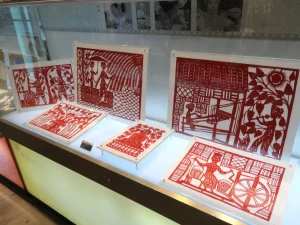
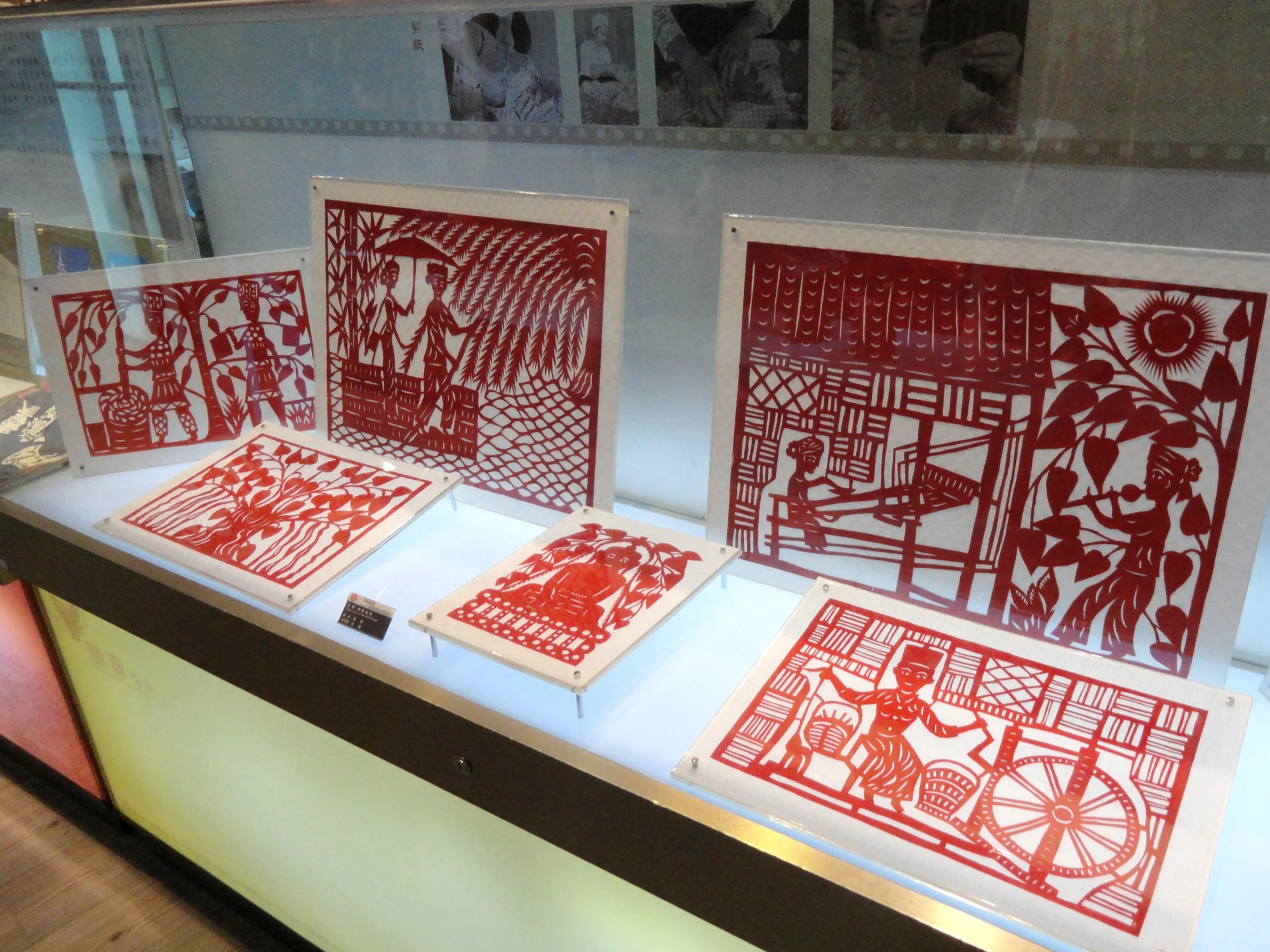
Image context: the featured image is an archival photograph of paper-cut exhibits at Yunnan Provincial Museum. It illustrates the collection’s craft context, not the current building or a guarantee that these objects are on display. Photograph: Daderot, 2011, public domain; original photograph and rights record.