Choose Double Dragon Bridge for one architectural countryside subject from Jianshui. See arches and pavilion roofs from the open visitor area, take an unrushed walk and return for lunch. The bridge can stand alone without a railway day or several house interiors.
Save Shuanglong Bridge / 双龙桥, Jianshui / 建水 with the agreed arrival pin. Double Dragon Bridge and Shuanglong Bridge are two names for this site. It is outside Jianshui’s old-town streets, and it is a different bridge from nearby Xianghui Bridge. A clear Chinese name helps prevent a photograph or a vague countryside pin from becoming the wrong drop-off.
The main reward is looking at the structure from more than one permitted position. You do not need sunset, a mirror-like reflection or access to a pavilion’s upper floor for the visit to make sense. For the wider southern Yunnan journey, use our Jianshui and Mengzi gateway comparison before choosing how many nights to keep in town.
Understand the span before looking at small details
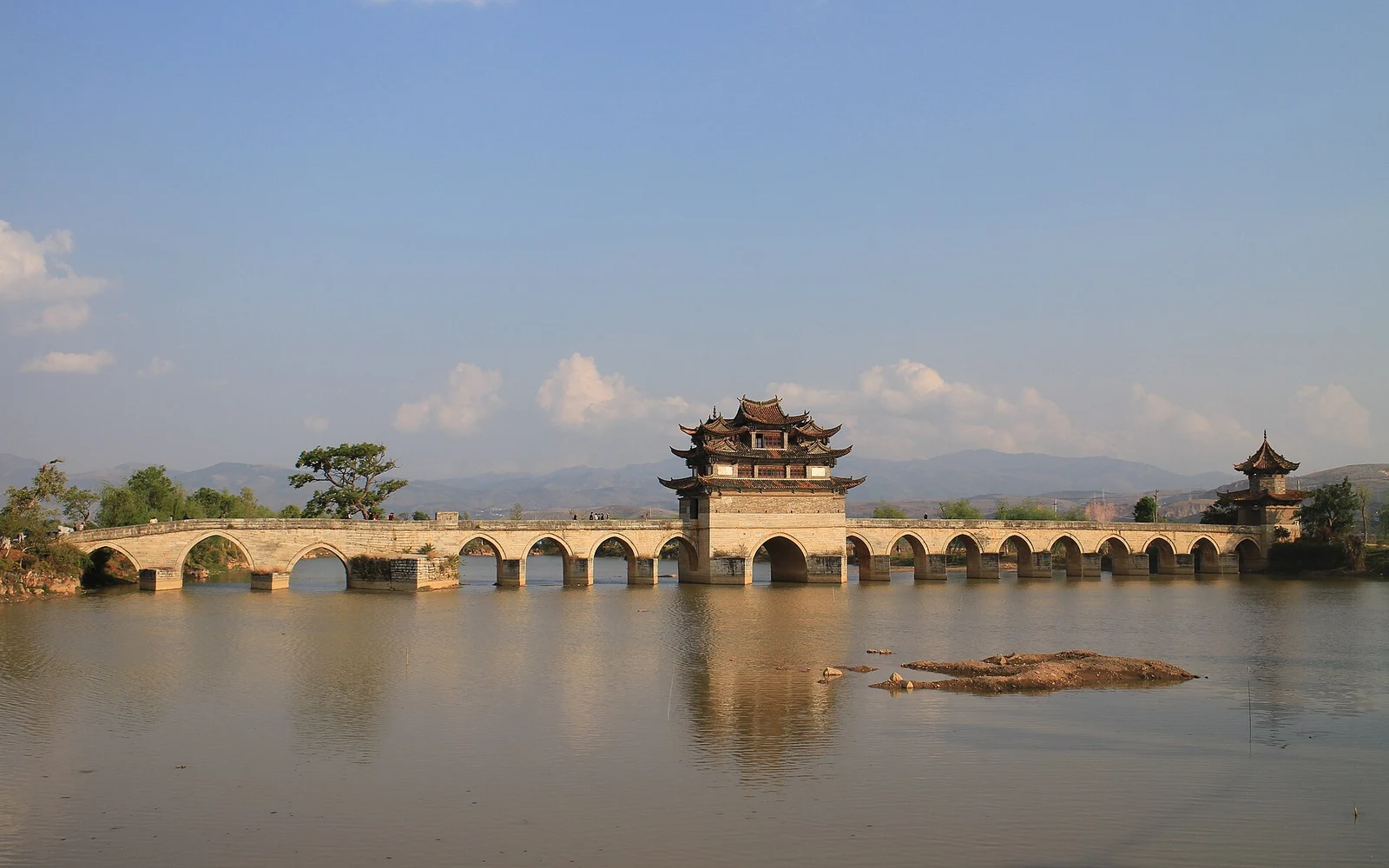
A county-contributed introduction to historic bridges identifies Shuanglong as a seventeen-arch stone bridge at the meeting of the Lujiang and Tachong rivers. That is a useful starting point: the arches carry a crossing, while the roofed structures above create a very different silhouette. The bridge is both a route through the landscape and a subject to look at from beside it.
Begin with the repeated arches and piers beneath the pavilion’s silhouette. Move between two permitted public views and notice how openings overlap. That change may explain the span better than approaching decoration immediately.
Let water, planting and actual paths determine what is visible instead of requiring a count of every opening. A photograph says nothing about current crossing access. Read the signs and barriers before deciding how far to continue.
For children, compare curved stone below and upturned roofs above, perhaps sketching both from a suitable path. Preserve passing space and keep parapets out of the activity.
Give the pavilion roofline a separate look
A May 2025 Xinhua account of Jianshui’s bridges describes Double Dragon Bridge’s seventeen arches and layered, upturned pavilion roofline. Its main story also discusses Xianghui Bridge, so read the names carefully: details about that other bridge’s three arches or Wenxing Pavilion should not be transferred to Shuanglong.
Compare the stone span’s visual weight with the layered roof above, then relate central pavilion and long arches. Where closer access is allowed, see how silhouette changes into eave or doorway detail. Current access sets the view.
Keep upper rooms and restricted portions separate from ordinary exterior viewing. A tall-pavilion image proves no public stair or open floor. Since this visit centres on the span and outline, an upper closure need not remove its purpose.
If historical interpretation is important, request someone able to explain the actual structure and distinguish documented history from local stories. This guide does not assign one construction date to every visible part. Repairs, rebuilding and visitor management are different layers, and a single old date should not be used to describe all the material seen today.
Choose a bridge visit that fits your interest
| Main interest | A useful plan | Keep flexible |
|---|---|---|
| Architecture | A broad side view, one closer permitted approach and time to compare stone arches with the roofline. | Access to the span, pavilion interiors and upper levels. |
| Personal photography | Two or three public viewpoints with time to change composition. | Water, reflections, light, crowds and the amount of visible riverbank. |
| A gentler countryside pause | The shortest confirmed approach, one viewing position and a return for lunch. | Longer paths, steps and additional stops. |
| A railway experience | A separately booked heritage-train outing with its actual bridge stop. | The time available away from the carriage and the return service. |
Start photographs with the whole span, then a roof or arch detail. Let people move naturally and ask before making an individual the subject. Present-day life need not be edited from every scene for the building to be appreciated.
Choose late light as a preference, not the itinerary’s condition. Wind, cloud and water may remove reflections, while waiting may add little. Retain a comfortable return; shorten exposed standing in strong light or choose another day in poor weather.
Use established visitor paths. Do not enter the water, exposed riverbed, fields or railway areas to reproduce an old photograph. A low viewpoint in someone else’s image is not evidence of a permitted route. Commercial portraits, large equipment and any drone work require separate confirmation rather than being assumed under ordinary sightseeing.
Road visit or heritage train: choose the reason for travelling
A road-based outing gives the bridge its own visiting time. A China Transportation News report from August 2024 places Shuanglong, Xianghui and Tuanshan along the Baituan tourism corridor and describes road and railway connections. It provides dated transport context, not a live timetable or proof that every path, parking area or business operates today.
For a car or taxi arrangement, send the exact bridge destination, legal drop-off and return pickup. Establish whether the vehicle waits, comes back at a specified time or provides only the outward journey. Save a contact method and the hotel address offline. A map pin on the bridge itself is not necessarily where a vehicle can stop.
If using public transport, verify the current service, boarding place, last practical return and the remaining walk before leaving town. Do not build the day around a route number copied from an older report. The important comparison is the complete hotel-to-hotel journey, including waiting and walking, rather than the apparent length of the outward ride.
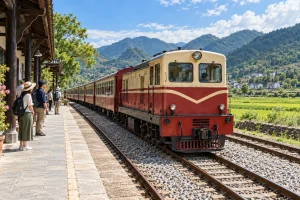
Choose the Jianshui narrow-gauge train when the carriage journey and its stopping rhythm are part of what you want. Confirm whether the selected service stops at the bridge and how long you may leave the train. Lin’an Station for the heritage excursion is distinct from Jianshui Station on an intercity booking. A bridge visit by road does not require a train ticket.
A complete outing, from breakfast to the hotel return
The following sequence is a suggested half-day structure, not an official duration or operating schedule. Begin after breakfast from your actual Jianshui accommodation. Leave large cases in agreed storage, carry water and your required original document, and check the weather and current public approach before setting out.
| Stage | Suggested sequence | Practical detail |
|---|---|---|
| Outward journey | Hotel pickup or the verified public-transport journey to the named bridge approach. | Legal stopping point, final walk, luggage and a usable contact method. |
| Bridge visit | Start with a broad view, add a closer permitted approach and pause for photographs. | Open areas, surfaces, shade and the group’s standing comfort. |
| Lunch | Return to Jianshui for a seated meal, or use a specifically agreed countryside venue. | Actual menu, dietary needs, seating and payment basis. |
| Finish | Complete the return to the same hotel and collect stored belongings if needed. | Waiting or return pickup, agreed finishing point and any later connection. |
A morning version can finish with town lunch and an open afternoon; an afternoon version can follow lunch and return for dinner. Neither requires sunset. Set the journey back before departing, including an early-finish option when needed.
On an arrival day, settle the station transfer, bags and hotel first. A delayed train may leave too little useful time for the bridge. On departure day, work backwards from the actual intercity train or onward drive, including luggage collection and station access. A short attraction visit can still create a poor connection when its final transfer is left vague.
Lunch and one optional second interest
A bridge outing should leave room to enjoy Jianshui’s food. Grilled tofu is a familiar local tasting interest described in international visitor writing, but a few pieces do not have to serve as the whole lunch. Choose a seated meal with the portions and ingredients your party needs, and keep the food stop independent of any particular old stall recommendation.
Ask about broth, sauces, meat, eggs and shared cooking when vegetarian, halal or allergy requirements matter. A dish’s name or a mild appearance does not settle those questions. Carry a clear Chinese explanation for an essential restriction and choose a venue able to discuss preparation. A photograph of riverside seating does not reserve a suitable table.
If the group wants another architectural subject, Tuanshan village offers lanes and courtyard houses, with its own admission and walking requirements. Make it an intentional longer outing with a proper meal and return, rather than treating a village visit as a few spare minutes after the bridge.
For a separate town block, Zhu Family Garden offers domestic courtyards and an ancestral precinct. Comparing one of its enclosed spaces with the bridge’s open landscape can be rewarding, but both deserve time. With a short stay, choose the subject that interests you most and leave the other for a future visit.
Keep a Jianshui base and count the nights
Three days / two nights: arrive and settle in on Day 1; use Day 2 for the bridge, lunch and a flexible town afternoon; depart on Day 3. Both nights stay in Jianshui. This protects one full local day without asking the arrival or departure connection to carry the main sightseeing.
Four days / three nights: keep the same arrival and departure pattern, with two full local days between them. Give one day a bridge-led outing and use the other for a chosen town interior or a separately planned village or railway experience. All three nights remain in Jianshui, avoiding an unnecessary hotel move.
Five days / four nights, returning through Kunming: spend the first night in Kunming, travel to Jianshui on Day 2, use Day 3 for the bridge-led local day, return to Kunming on Day 4 and depart on Day 5. The nights are Kunming one, Jianshui two, Kunming one. Add a Jianshui night if you want another full sightseeing day.
Choose the hotel by its actual location, room and vehicle access. An old-town stay can make meals and short street walks convenient, while an easier vehicle approach may matter more for heavy bags or limited mobility. Confirm stairs or a lift, room noise, breakfast, luggage storage and the named property’s registration arrangements for your passport.
How existing itineraries use the bridge
Our ten-day southern Yunnan itinerary places Double Dragon Bridge and Tuanshan on Day 3 before continuing to Yuanyang. It later travels through Pu’er and other southern bases and finishes in Jinghong. That is a one-way multi-base journey; its bridge stop is different from the complete Jianshui hotel-return outing suggested here.
The five-day Kunming and Jianshui heritage pre-wedding itinerary gives the bridge and Tuanshan a separate Day 4, with a Jianshui overnight before the return to Kunming. Its commissioned portrait session is a distinct arrangement. Ordinary sightseeing at the bridge does not confirm a photographer, styling, production permission or exclusive access.
Compare those routes by their actual sequence, nights and final destination. If your priority is simply an architectural visit, say so to the travel consultant. There is no need to adopt a longer terrace journey or a photography package merely because it includes the same bridge.
Walking, documents and costs to settle
A GoKunming writer’s first-person account from October 2013 describes an ordinary visit to Double Dragon Bridge. It is useful historical international-visitor context, not a current passport procedure, admission price or promise of quiet paths. Confirm the public areas available on your date and any applicable entry or paid-service process for the original document you hold.
Describe walking and standing limits separately. Looking at a bridge can involve standing still, while reaching the chosen viewpoint may involve uneven paving, steps or a longer approach from the vehicle. For a wheelchair or stroller, request the actual route, resting places and toilet arrangements. Do not infer step-free access from a wide landscape photograph.
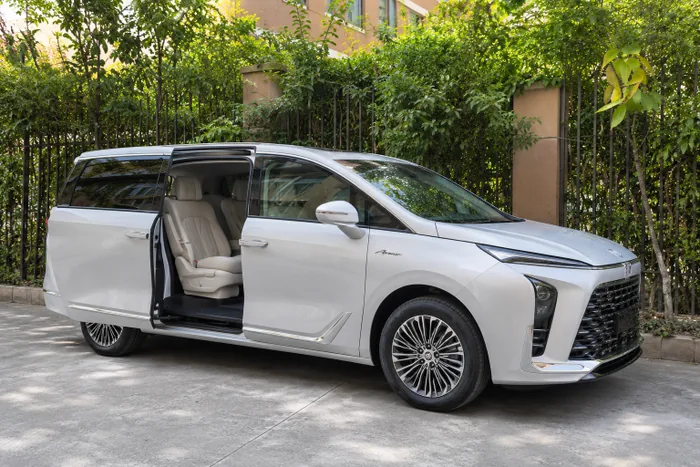
Wear shoes with grip and shorten the walk when surfaces are wet. Keep children close near water and respect barriers. Carry a light layer, sun or rain protection suited to the forecast, medication and valuables. If checking out before the outing, establish who holds the luggage and when it must be collected; passenger capacity alone does not establish space for large cases.
| Part | Specify in the written plan | Separate unless listed |
|---|---|---|
| Access and interpretation | Date, public areas, applicable document or ticket process, language and accompanying time. | Restricted interiors, specialist sessions and commercial photography. |
| Transport | Actual hotel, legal pickup, vehicle waiting or return booking, bag custody and full finish. | Station or airport transfers and unplanned extra stops. |
| Meals and accommodation | Meal arrangement, dietary requirements, named hotel, room and number of nights. | Personal purchases, drinks, extra nights and insurance. |
Price on request. Services supplied through Verotrip are those identified in the accepted dated proposal. A suggested bridge visit does not by itself include a vehicle, English-speaking companion, admission, lunch or accommodation. Ask for the complete return to be stated as clearly as the outward journey.
Questions before visiting Double Dragon Bridge
Is Shuanglong Bridge the same as Double Dragon Bridge?
Yes, these names refer to the Jianshui bridge discussed here. Save 双龙桥 with the Jianshui location and exact meeting pin. Xianghui Bridge is another site and should not be used interchangeably.
Do I need to ride the small train to visit?
No. A separately arranged road visit can focus on the bridge itself. Choose the heritage train when the ride is an important part of the day, and verify its actual stop and return before booking.
Is sunset the only worthwhile time?
No. The arches, pavilion silhouette and change of viewing angle provide an architectural interest in ordinary daylight. Treat warm evening light and reflections as possibilities, with a sensible return time and a weather alternative.
Can I climb the pavilion or photograph anywhere?
Only use the areas and activities currently permitted. Exterior viewing does not imply access to upper floors, the riverbed, private fields or railway tracks. Commercial shoots and equipment need their own confirmed arrangements.
Plan a bridge visit with a comfortable finish
Tell your Verotrip travel consultant whether architecture, a short countryside pause or personal photography matters most. Send your dates, Jianshui hotel or arrival details, language, walking comfort, bags and food requirements through Plan My Trip. The useful result is a clear visit, a proper meal and a complete return that fits the rest of your stay.
Cover photograph: Xin, taken 28 March 2015; Shuanglong Bridge Jianshui, CC BY-SA 4.0. Cropped, resized and converted to WebP; the adapted image remains under the same licence. This historical photograph does not establish today’s access, water or weather conditions.