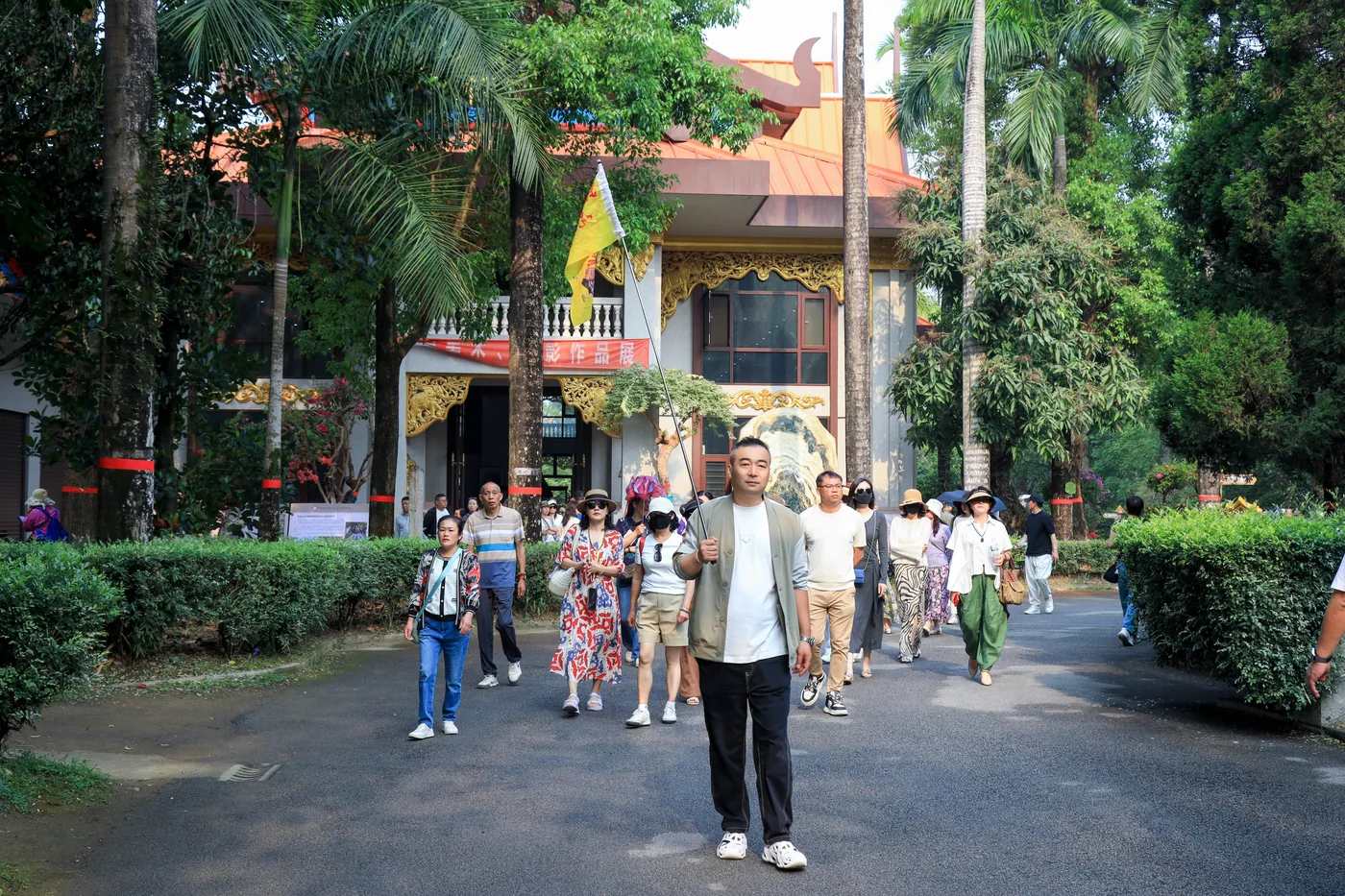
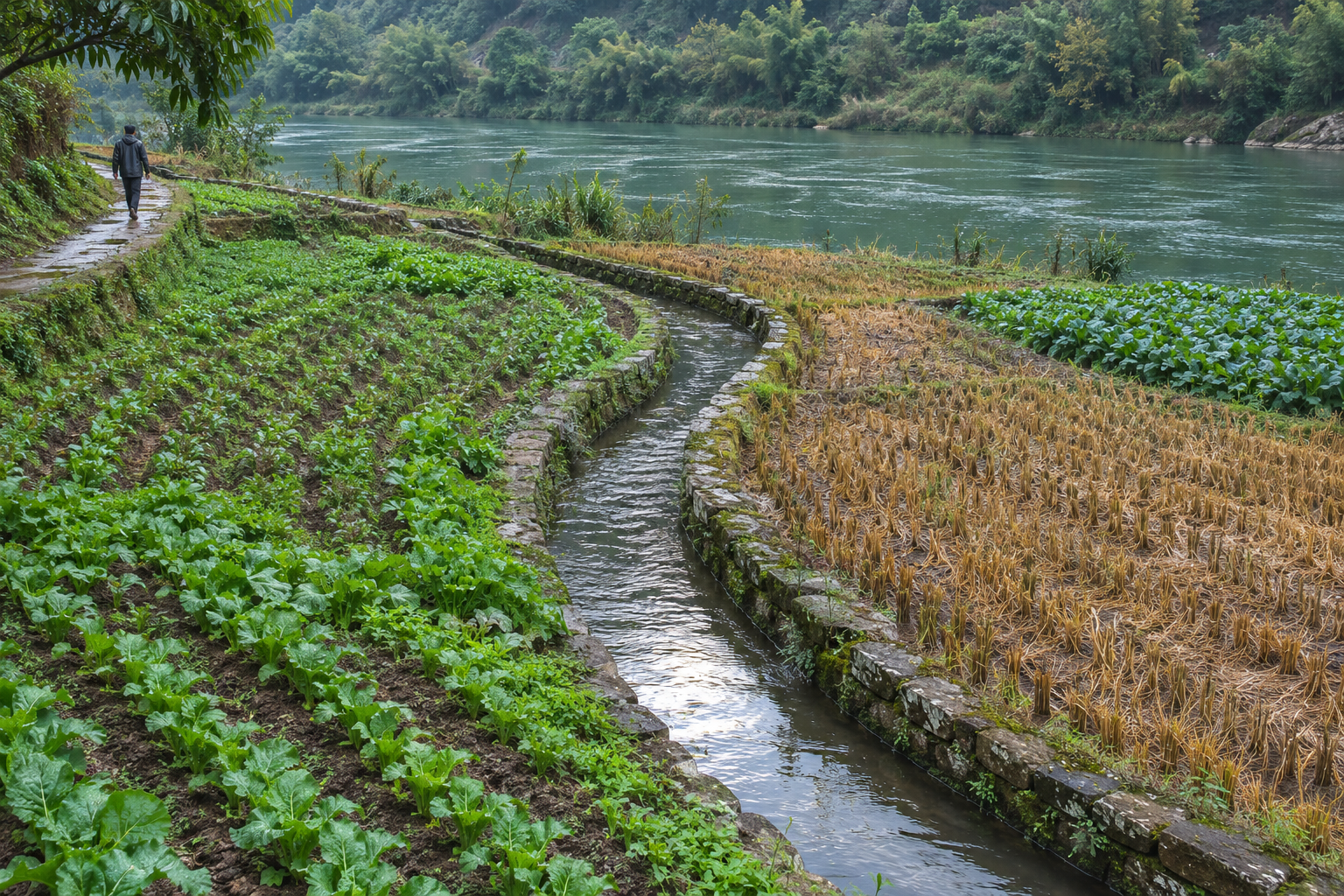
Spend a half-day at Dongfeng Weir if you want to see how the Qingyi River was put to work in Jiajiang. Start at the visitor centre for Dongfeng Weir–Thousand Buddha Rock, then ask which canal-side or river viewpoint is open. Read the water system first. Add a few rock-carved niches if the path and steps suit you, then head into Jiajiang for lunch before returning to your hotel in Leshan.
Follow the water from the river to the canal
Dongfeng Weir (东风堰) diverts water from the Qingyi River (青衣江) into canals for the Jiajiang plain. The system began in 1662 and has been altered over time as the intake and channels were maintained or rebuilt. The International Commission on Irrigation and Drainage added it to its register of heritage irrigation structures in 2014. That listing recognizes a working system of waterways. The riverbank stroll gives you a small piece of a system that also serves fields well beyond the scenic area.
At an open viewpoint or on a map or diagram if one is on display in the water-culture exhibition hall, look for the difference between the broad river and the narrower route built to carry part of its flow. The main canal distributes water to smaller canals. Gates regulate the flow, and the system uses tunnels and aqueducts to pass through or over obstacles. Early builders used local materials, including cobbles held in bamboo baskets, at the intake. Treat those as part of the engineering story. The structures you see can belong to later phases and the operating intake is outside the scope of this walk.
Look for the point where the landscape forces a change of direction. Along the Thousand Buddha Rock segment, there is a tunnel through the rock. Read the explanation or view the area from an authorized visitor position. Save time for a stretch where you can stand back and compare the height of river, canal and path. Even when the channel is quiet, its alignment shows why a single view of rushing water tells only part of the story.
| Feature | Look for | Visit choice |
|---|---|---|
| River and intake story | How part of the river flow can enter a much narrower course. | Compare the two from a marked viewpoint or on the hall diagram. |
| Canal and tunnel | The direction of the channel as it passes the cliff. | Look from an open visitor section. Keep clear of working infrastructure. |
| Cliff niches | Differences in scale and grouping among the rock-carved figures. | Choose one open, manageable stretch and return the same way if directed. |
Choose a short walk at Thousand Buddha Rock
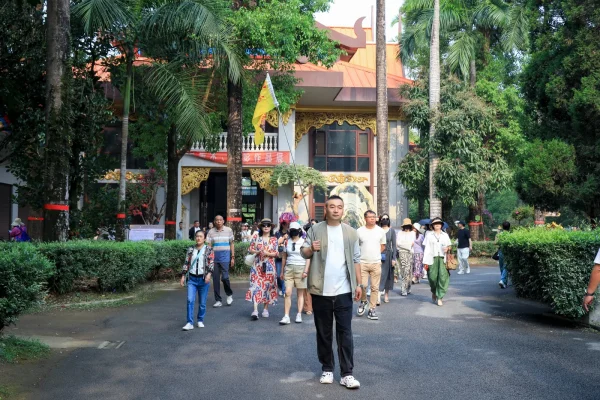
The ticketed scenic area appears on maps as 东风堰-千佛岩景区. In the morning, go by road to its visitor centre (游客中心) and ask which entry and exit are in use and whether the exhibition hall is receiving visitors. The core scenic area and visitor centre were announced as reopened in August 2026 after work on unstable rock and water damage. Section-level access can still change. On the day, take direction from the gate and signs rather than following an old trail screenshot to the far side.
At Qianfoyan (千佛岩), use one stretch of the marked public route and look at a few niches instead of trying to count figures. Compare a niche with a single prominent figure and a recess with smaller companions when both are visible. The local heritage record dates early carvings here to the Tang period. Weathering can make outlines hard to pick out, so give your eyes time to adjust in the shade. Ask about photography rules, and keep your hands away from the rock face and inscriptions.
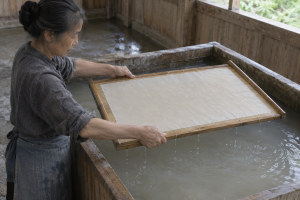
After heavy rain, ask whether any river views are still available from the approved approach. Damp steps, uneven surfaces and crowding can make the cliff section slow. A group with one person who prefers less walking can limit the visit to a confirmed viewpoint or the hall if accessible. If the outdoor section is closed, choose a separately verified paper museum or move straight to the county town for a seated lunch. Our Jiajiang bamboo paper guide explains the different venues and why an exhibition and a hands-on session should be arranged separately.
| Conditions | First stop | Lunch and return |
|---|---|---|
| Good footing and open paths | Start with the water story and add a few niches. | Sit down in Jiajiang town before returning to Leshan. |
| Limited steps or time | Choose a signed viewpoint or the open hall and leave out the cliff steps. | Tell your driver when and where to collect you. |
| Rain or path closure | Confirm an indoor option before setting out. | Go straight to town if both the hall and outdoor paths are unavailable. |
Eat in Jiajiang and plan the full return
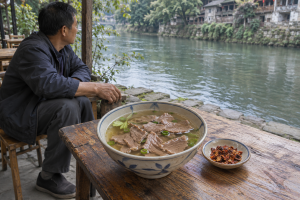
Leave the river area for a seated lunch in Jiajiang county town. Order doufunao (豆腐脑) if you want a soft tofu bowl, or chaoshou (抄手) if you prefer filled wontons. Ask how the tofu is served and what is in its broth and toppings. You can say 请问,汤里有肉吗?可以不放辣椒吗? to ask whether the broth contains meat and whether the kitchen can leave out chili. Ask about the filling separately if you order wontons. Staying in Leshan makes it easy to leave the afternoon free and have dinner near the hotel. See the Suji guide if a bridge walk and a qiaojiao beef lunch suit another day.
Base yourself in Leshan for a day out and back. Ask the driver to wait or agree a new meeting place after lunch, with a map pin for the restaurant or a named street. If you change hotels around the visit, arrange where the bags will be held while you are walking and confirm the final check-in or station drop-off. If you are continuing by rail, use the name on your booking and protect your station buffer separately. Don’t carry an overnight bag on the steps.
| Trip | Hotel nights | Pace and final transfer |
|---|---|---|
| 3 days / 2 nights | Leshan × 2 | Day 1 arrive. Day 2 visit Dongfeng Weir and Jiajiang, then return to the hotel. Day 3 depart from your agreed station or hotel pickup. |
| 4 days / 3 nights | Leshan × 3 | Day 1 arrive. Day 2 see Dongfeng Weir and return. Day 3 visit the Giant Buddha by land or river. Day 4 transfer to the booked departure point. |
| 5 days / 4 nights | Leshan × 4 | Day 1 arrive. Day 2 Dongfeng Weir and Jiajiang lunch. Day 3 Giant Buddha. Day 4 Suji or a confirmed papermaking venue, followed by a hotel return. Day 5 depart. |
Read our Emeishan and Leshan planning guide if you are adding another day for the Giant Buddha or the mountain. If you have one day from Chengdu and want the Giant Buddha itself, Verotrip’s Leshan Giant Buddha land-or-river day tour goes back to Chengdu and does not include Jiajiang. A Dongfeng Weir visit works as a separate half-day from a Leshan base.
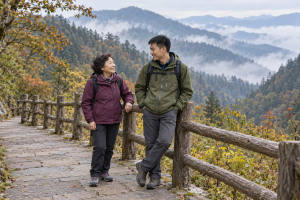
Price on request. Give your Verotrip travel consultant the date, your hotel or actual arrival point, the amount of walking you want and your final stop. Confirm which ticket channel accepts your original passport for that date and which visitor sections it covers. Ask for a written breakdown of admission, waiting and round-trip transport, English support, lunch and any accommodation. Set out with a day bag, water and shoes with grip, and allow a weather alternative before booking an onward connection.
Questions about visiting Dongfeng Weir
Can I see the opening of the gates?
A spring release was reported in March 2026 as a dated irrigation event. Normal sightseeing is about tracing the layout and reading the water story. Arrange your day so it still works when no opening or ceremony is scheduled.
Can I walk through the irrigation tunnel?
Use visitor paths, authorized viewpoints and displays. The irrigation tunnel carries water and sits within a working system. Ask staff which visitor route is open and follow the marked turnarounds.
Is this the same as the Giant Buddha in Leshan?
Dongfeng Weir and Thousand Buddha Rock are in Jiajiang. The Giant Buddha is a separate site in urban Leshan. Plan them separately if you want time for the cliff walk, the canal and a proper lunch.
Where should I go in wet weather?
Check the river and cliff sections before leaving your hotel. A confirmed indoor visit at the water-culture hall or paper museum, followed by lunch in Jiajiang, is a workable alternative. Have the driver collect you at the agreed place for the complete return.