Choose a Chengdu Sichuan opera outing by the programme first, then the venue, seat and complete journey home. A face-changing variety show, selected opera scenes and a full drama are different experiences. For a first evening, decide whether you mainly want a visual introduction or time with singing, characters and a story before comparing ticket categories.
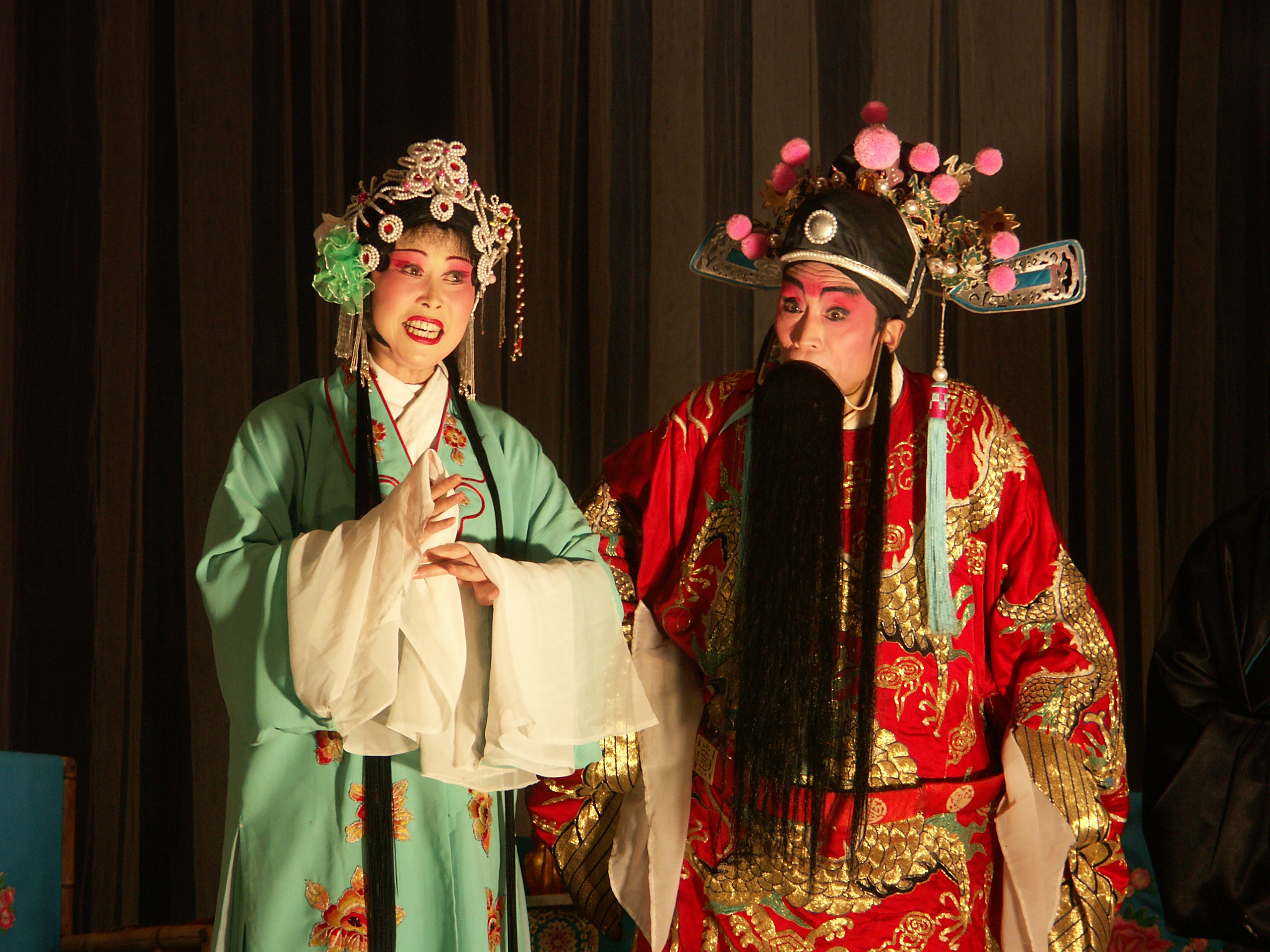
Lead photograph: two Sichuan opera performers in Chengdu, photographed by Zoharby on 27 May 2005, CC BY-SA 3.0. The original JPEG is reused; website-generated sizes and responsive display crops may apply under the same licence. This archival photograph does not identify a current venue, cast, programme, included ticket or Vero Trip departure.
A useful evening has time to eat, find the correct entrance, collect the actual ticket and settle into the booked seat. It also has a workable return after the performance. The theatre should be the main purpose of that evening, rather than the last compulsory stop after an uncertain mountain-day return.
Updated 5 November 2026.
Face-changing is one reason to go, rather than the whole art form
The national intangible-cultural-heritage site’s interview with Sichuan opera practitioner Xia Tingguang explains a tradition with several vocal styles and acting techniques. It places face-changing in the expression of a character’s feelings. Watch the relationship between movement, costume, music and the scene rather than expecting every moment to be another mask change.
That distinction helps with booking. A varied programme can introduce several visual skills without asking a newcomer to follow one long plot. An opera excerpt gives a particular scene room to develop. A complete drama asks for a different attention span and benefits from knowing the story beforehand. None is a universal best choice for every visitor.
| Format | A useful reason to choose it | What to establish before booking |
|---|---|---|
| Face-changing and folk-arts variety programme | You want a visual introduction within a broader Chengdu city stay. | Actual items, duration, seat and whether the advertised extras belong to that ticket. |
| Selected opera scenes or excerpts | You are interested in voices, gestures and character acting, even without understanding every word. | The dated repertoire, spoken or sung language, any introduction and available synopsis. |
| A complete staged drama | The story and sustained theatrical performance are the main attraction. | Actual city, theatre, running time, interval and the language support for that production. |
| A short restaurant or street performance | You want a brief addition to a meal or walk. | Whether a specific performance is genuinely scheduled; it does not establish a theatre reservation. |
Even a title containing Bian Lian, meaning face-changing, may refer to a drama with characters and a narrative. The Sichuan provincial troupe’s Bian Lian listing at Peking University is an example of a story-led production—and its host venue is in Beijing. A troupe’s Sichuan name does not make every touring date a Chengdu performance. Check the city on the actual ticket before using a search result in your itinerary.
Qintai Road and Huaxing Street lead to different evenings
Shufeng Yayun: build around the Qintai Road venue
The Shufeng Yayun operator’s venue page places it at 136 Qintai Road in Qingyang District and describes a traditional-arts setting. Save the Chinese name 蜀风雅韵 and the entrance or ticket-desk pin from the dated confirmation. A nearby park or Qingyang Palace pin is not automatically the correct theatre entrance.
The operator’s ticket page, checked for this guide, describes 20:00 for the normal single-performance evening and ticket collection beginning one hour beforehand; added performances follow separately notified times. This is the published normal arrangement, not a guarantee for every date. Confirm the actual performance, availability and collection method before setting dinner or the return pickup.
The same page distinguishes a snack-package ticket from other categories, and distinguishes seat choice from seats allocated by the booking arrangement. Its refund wording also varies by ticket type. Compare the terms attached to the actual purchase instead of treating every listing as the same seat, meal and cancellation policy. This guide imports no supplier price or included service into a Vero Trip promise.
Huaxing Street: identify the exact theatre and programme
Huaxing Street is a different central-city setting. A Sichuan Daily reporter’s account of the local street programme identifies Jinjiang Theatre, Yuelai Teahouse and other opera activity in that area. The place names provide cultural context; the 2025 report is not a current performance calendar.
Save 锦江剧场 or 悦来茶园 as appropriate, then match it to the specific room and ticket you book. An afternoon tea visit, an excerpt performance and a theatre show need not use identical seating or entry arrangements. Do not assume a weekly slot from an old travel account still operates on your travel date. If repertoire matters more than visual variety, ask for the actual programme before selecting the venue.
Choose a seat by sightline and comfort
Begin with the part of the stage you need to see. A seat close to the front may make costume details easier to notice, but proximity alone does not settle the angle, obstructions or comfort. Ask for the plan of the actual room and which seat or zone the booking secures. A category name such as VIP is meaningful only alongside that information.
For a group, confirm whether seats are together and whether children have their own places. Do not assume a free or reduced child ticket includes an independent seat. Ask about the particular performance’s age or height rules, loud sound, effects and whether a child who needs a break can leave and re-enter without disturbing the audience.
If steps, narrow rows or long sitting are difficult, ask about the complete approach from drop-off to seat, the nearest suitable toilet and the exit route. A photograph of an open courtyard does not establish level access throughout the room. Request a concrete arrangement before purchasing a category that cannot be changed.
Plan the afternoon, dinner and show as one manageable evening
Keep one daytime anchor and one evening performance. A western-city walk and a Qintai Road show can form a simpler outing than crossing back and forth between distant stops. For a Huaxing Street booking, choose a central-city afternoon and dinner that leave an easy approach to that theatre. The particular restaurant and show remain separate reservations.
For a relaxed daytime component, the People’s Park and tea guide explains how to choose a manageable park visit. If Qingyang Palace is part of your interest, use the separate temple guide and confirm its own entry arrangements. Neither daytime visit includes an evening show, reserved tea table or a transfer between them.
| Part of the outing | A practical order | Decision that protects the evening |
|---|---|---|
| Afternoon | One park, neighbourhood or separately accepted cultural visit. | Finish while there is still time to return to the room if anyone needs rest. |
| Early dinner | A seated meal convenient for the theatre approach. | Agree dietary needs and the bill; a snack ticket is not automatically a suitable full meal. |
| Before the performance | Find the actual desk, complete the stated ticket procedure and reach the booked seat. | Use the confirmed collection window, original booking details and any required document. |
| Performance | Follow the actual programme and venue rules. | Check language support, photography rules and re-entry before the lights go down. |
| After the performance | Use a named pickup point or your separately planned journey to the hotel. | Get the actual finish time and current transport options, rather than assuming a late service. |
Finish dinner before concentrating on ticket collection. Leave time for the actual approach, and follow the instructions for your performance rather than arriving with only a generic venue screenshot. An added afternoon show may need a completely different meal and transfer plan.
A day returning from Dujiangyan, Qingcheng or Leshan needs particular care. Traffic, descent queues and the station-to-theatre leg can absorb the apparent gap before the show. If the return is uncertain, move the performance to a city day rather than treating a non-refundable ticket as a reason to rush a mountain descent.
For luggage, establish storage and collection with the actual hotel or provider. Do not assume a theatre can take full-size suitcases or a driver will wait through the show. A passenger leaving Chengdu afterwards also needs enough time for the correct airport or station; the end of the performance is not the beginning of boarding.
Language, tea and optional extras
Visual acting and face-changing can be rewarding without understanding every word. A full dramatic scene is easier to follow with a short account of the characters and situation. Ask whether that particular show provides an English synopsis, captions, an introduction or none of these. A translated booking page does not establish English narration on stage or a personal interpreter.
If tea is included, identify the drink, serving arrangement and whether it is available during the performance. A snack, costume experience, photograph, makeup session or other add-on belongs to the specific ticket. Ask about charges and time before accepting it; optional activities should not make you miss the performance itself. Check ingredients separately when food is part of the package.
Follow the room’s photography and recording rules. Other visitors holding up phones do not establish permission. Keep the screen dark, avoid blocking the next row and use the audience areas as directed. An organised costume photograph or backstage visit needs its own express acceptance; ordinary admission is not access to dressing rooms or rehearsals.
Fit the show into an existing Chengdu itinerary
The existing Chengdu old-town, food and opera day proposal is the closest thematic match. Its outline names tea, crafts, food interests and opera. Ask which daytime anchor and performance are actually retained for your party, with the host, venue, language, transfers and meals itemised. The programme should leave time to eat and reach the theatre rather than promising every workshop and heritage stop in one rushed day.
The five-day Chengdu regional proposal also mentions opera after a Dujiangyan–Qingcheng day, conditional on a booked performance. Discuss a city-evening alternative if the excursion return is too uncertain. Neither itinerary title confirms Shufeng Yayun, a particular cast, an English guide, a seat upgrade or the extras in a supplier’s package.
Questions before booking a Chengdu opera outing
Is face-changing the same as a full Sichuan opera?
It is a performance technique that may appear in different kinds of programme. Choose between visual variety, selected scenes and a complete drama by what you want to watch and how much story context you would enjoy.
Should I automatically choose the most expensive category?
Compare the actual view, room and seat allocation first. Check what changes between categories and whether extras matter to you. A category name alone is not a sightline or service guarantee.
Can I rely on a foreign card or a non-Chinese phone number?
Establish the actual booking channel’s acceptance and ticket collection method before paying. The operator page requests a real booking name and phone details; it does not establish that every international number or payment method works. Carry the confirmation and any document required for the specific ticket.
Does Vero Trip confirm the show through this guide?
Price on request. Any arrangement needs a dated written proposal separating performance tickets, seat category, guiding, meals, transfers and optional activities. The operator’s published terms and supplier descriptions do not become Vero Trip’s included services.
Request an evening with a clear beginning and return
Send the date, hotel area, party ages, walking or seating needs and whether you want visual variety or story-led opera through Vero Trip’s planning enquiry. Include the daytime plan and any onward travel. The main Chengdu guide helps place the outing within a longer stay. Agree the venue, actual ticket and route home before treating the evening as booked.