A rewarding Abuji Tso photography plan begins with the kind of mountain landscape you want to spend time with: forest and pasture, the sparse upper mountain or a lake framed by rock. It then needs a permitted route, suitable conditions and enough time to return without rushing. A single photograph of blue water cannot settle the best date or route for your trip.
Check exact-date access before planning around a season. The Xilianpen approach is restricted under Diqing’s September 2026 notice. The suggestions below concern landscape interests and wider trip planning, not a promise of access or a future departure.
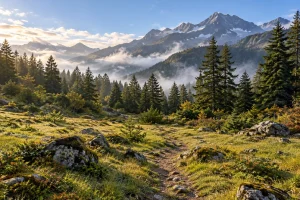
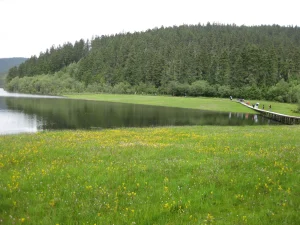
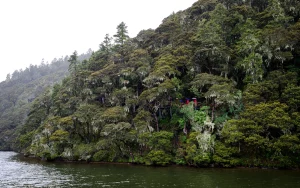
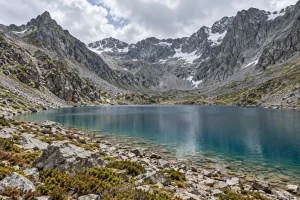
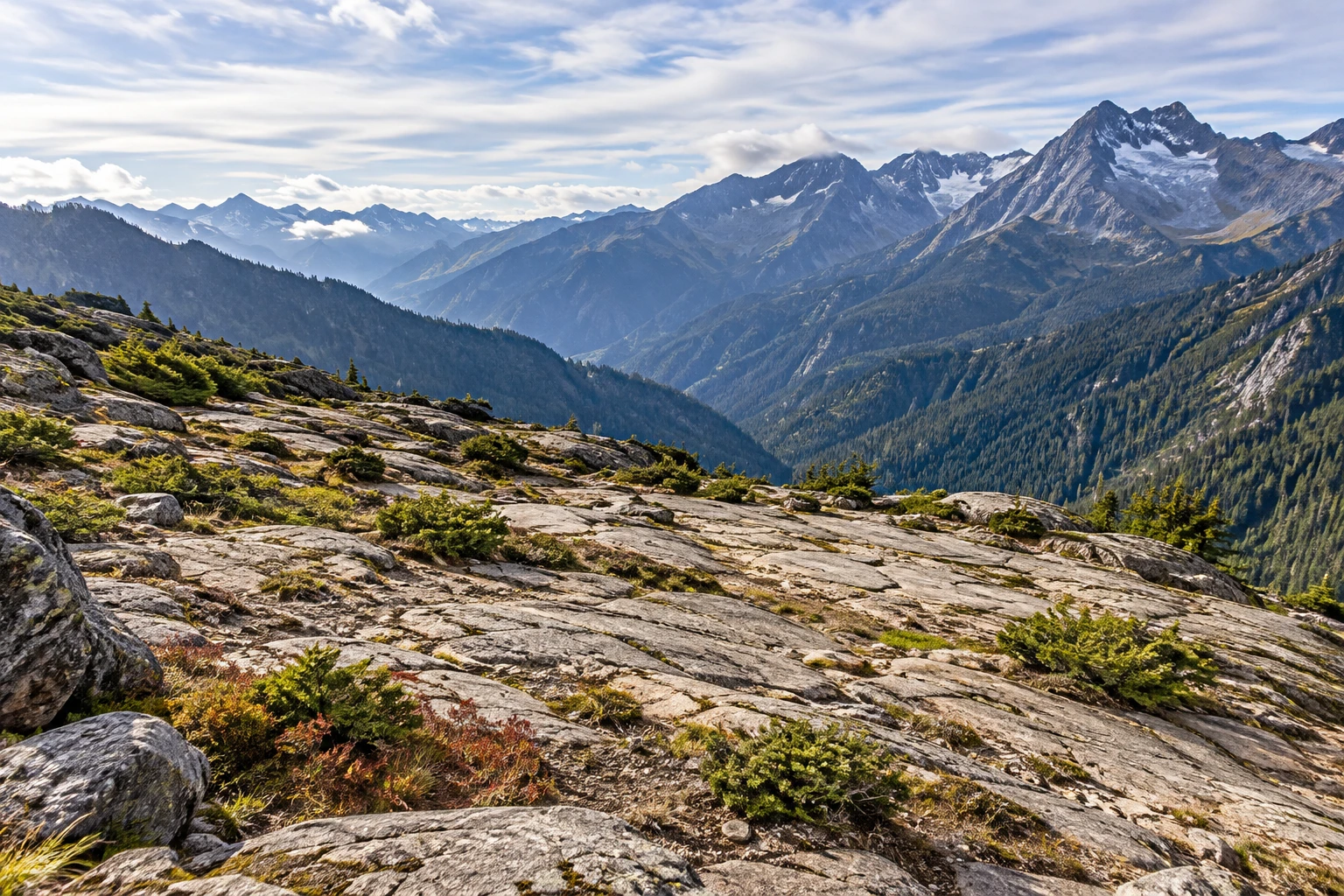
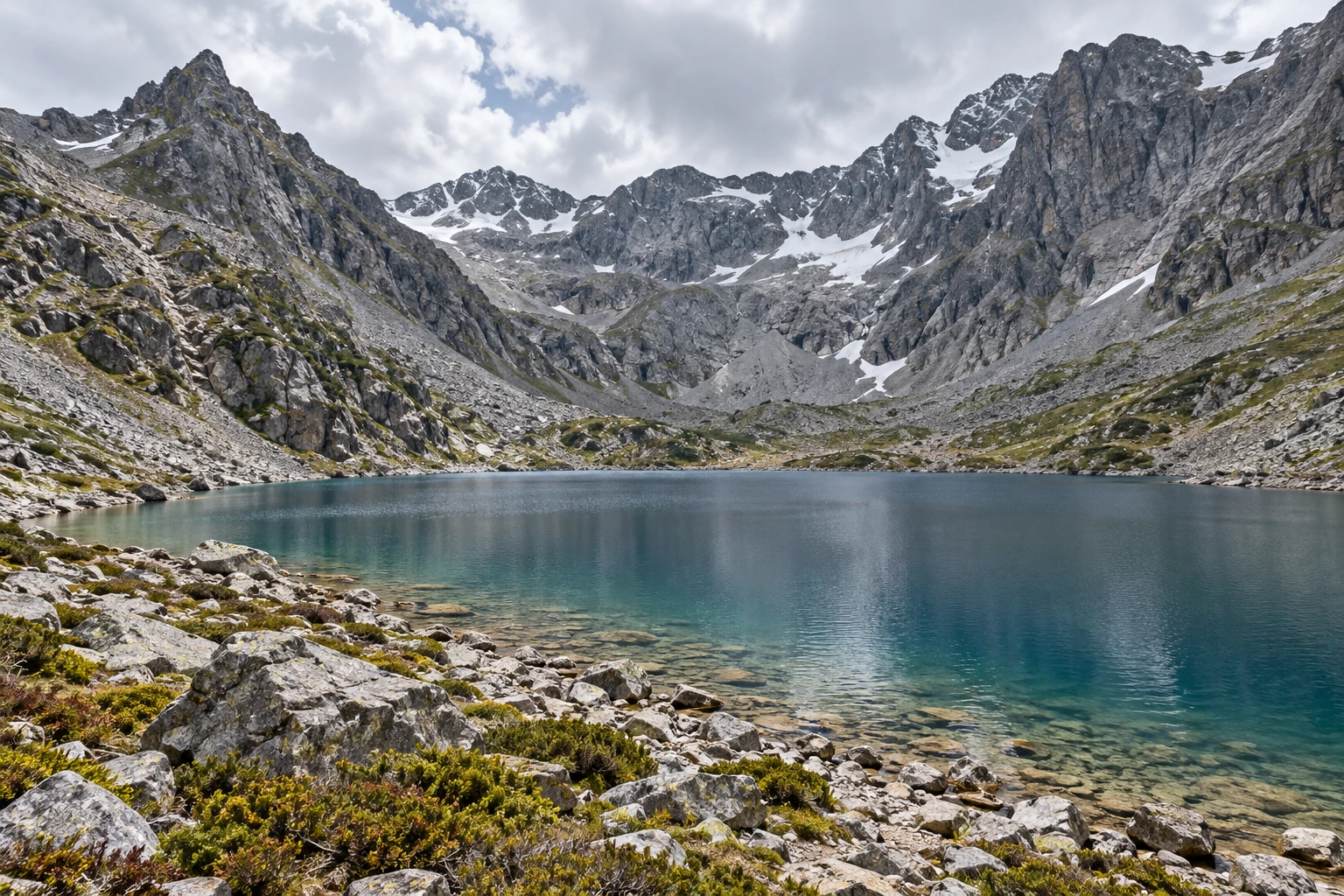
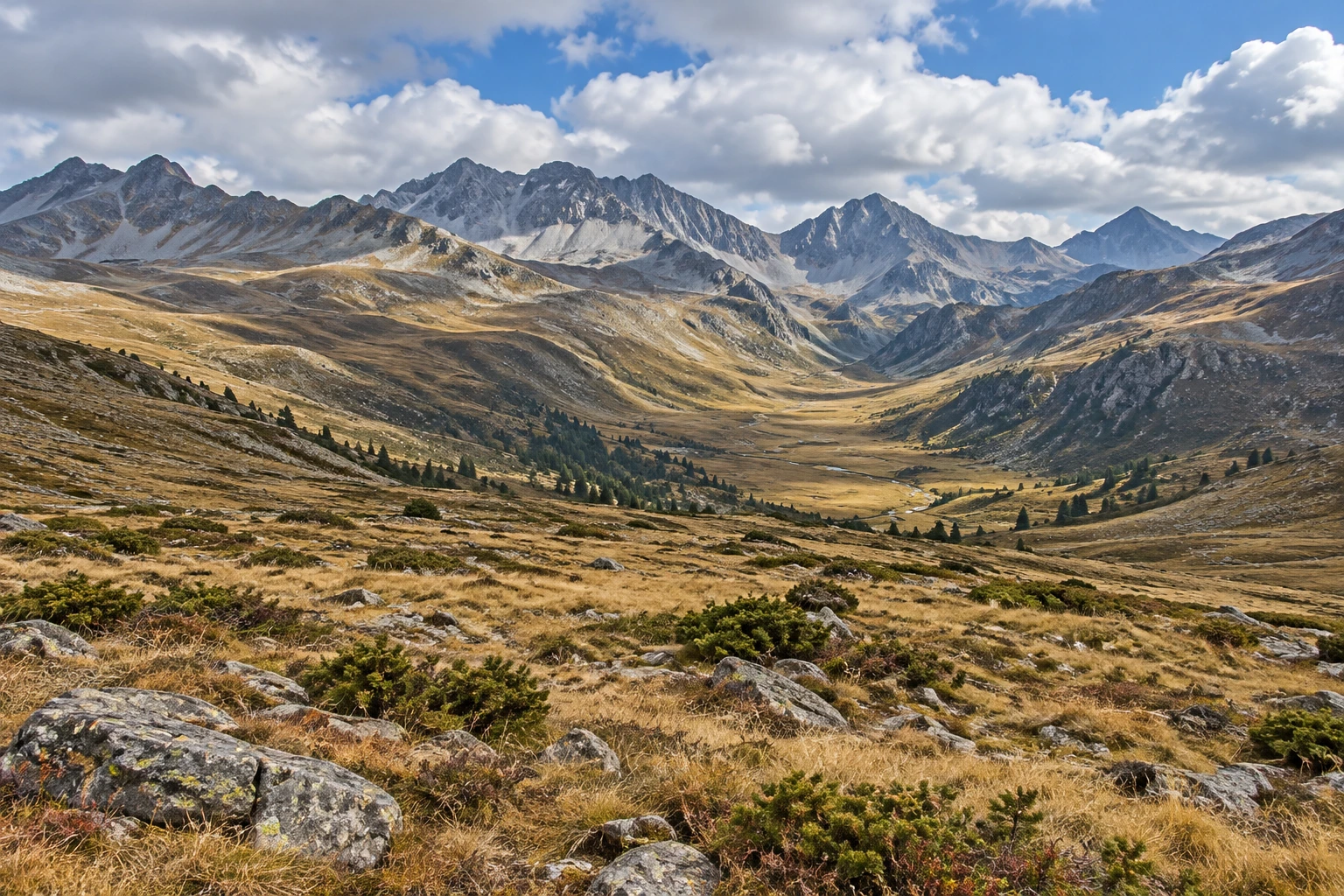
All pictures on this page are illustrated landscape illustrations. They are not evidence of seasonal colour, snow cover or current conditions at Abuji Tso.
Choose a landscape interest before choosing a month
Spring flowers, summer vegetation, autumn grass and winter snow offer different visual possibilities. The April 2026 local overview highlights late-spring rhododendrons and autumn colours, but those broad seasonal descriptions are not a forecast. Weather, altitude and the actual year influence what you see.
If the lake is your priority, consider whether you would still enjoy a day with cloud over the surrounding mountain. If your interest is in texture and smaller scenes, mist can produce a satisfying photograph of vegetation or rock without a panoramic view. Be clear about what would make the outing worthwhile before tying the trip to a particular image.
| Landscape interest | What to think about | Avoid assuming |
|---|---|---|
| Flowers and fresh vegetation | Seasonal timing varies with the year and elevation | A fixed bloom date or guaranteed open approach |
| Green pasture scenes | Cloud, rain and the complete return window | That a pleasant photograph establishes easy ground |
| Autumn grass and mountain texture | Light, visibility and layered clothing | Permanent clear skies throughout a named month |
| Snow or ice scenery | Special conditions and suitability require separate assessment | Winter access or a normal summer walking surface |
Plan for light without planning a rushed descent
Morning and afternoon light can feel very different, but a remote mountain itinerary should not be pushed later simply to wait for a colour in the sky. Choose photography stops that fit within the agreed walking and return window. A viewpoint that only works if you stay beyond the turnaround margin is the wrong objective for that day.
Build short pauses into the route rather than stopping the whole group unpredictably whenever a camera comes out. Agree whether you are joining a walking day with occasional photographs or a photography-focused outing with a slower pace. Those are different expectations even when they visit the same region.
Make a useful shot list
A small list helps you notice variety without carrying excessive equipment. Think in terms of a wide landscape, a mid-distance scene and a close detail. A lake or ridge provides scale; pasture, stones and vegetation provide texture. You can build a coherent travel story without collecting a photograph at every possible angle.
Keep the camera accessible while moving with both hands available when necessary. A single familiar lens or a phone may suit the walk better than a heavy collection of equipment. Practise changing settings before travel so a fleeting patch of light does not become a long delay for everyone else.
| Photograph | A useful approach |
|---|---|
| Wide mountain scene | Include scale and leave time to look before composing. |
| Lake and rocky shore | Choose stable permitted ground; accept changing water colour. |
| Pasture or forest detail | Use vegetation and texture without leaving the allowed route. |
| People and working landscapes | Ask permission and respect anyone who declines. |
| Weather and atmosphere | Work with cloud and subdued light instead of chasing a guarantee. |
Use numbered pastures as context, not a checklist
The new-route sequence names three pastures before Snowline Camp and the lake. In a future permitted itinerary, those names can help describe changes through the day, but a picture alone may not identify which numbered pasture it shows. Record the actual location with your guide rather than assigning a confident label later.
The old route’s Jiye Camp, Despair Slope and Big Platform names also need care. A “platform” does not necessarily mean a built deck, and a “camp” does not guarantee accommodation. Travel photographs are more useful when captions describe what is known, including whether a landscape is regional or an exact checkpoint view.
Photograph with care for the place and other people
Stay within the permitted visitor area and use stable ground. Do not move onto a fragile shoreline, vegetation or loose slope to imitate an image. Keep food and packaging with you, give grazing animals space and avoid disturbing a scene to make it look more “natural.”
Ask before photographing people closely, including guides, herders and other visitors. A wide landscape frame can still include identifiable people, so notice who is in the scene before sharing it. Do not assume a local person is part of an experience you have purchased.
Drone use requires a separate check of current rules and local restrictions. A mountain setting or the absence of other visitors does not establish permission to fly. This guide does not include a drone activity or promise aerial access.
Give the wider Shangri-La trip breathing room
Keep the first day gentle after arrival and leave space to reassess a mountain plan. Base yourself where meals, rest and the next day’s meeting arrangements work for your group. A convenient base is more valuable than changing hotels for a photograph that depends on uncertain conditions.
Plan a flexible sightseeing day as well as the main outdoor interest. Compare Pudacuo’s managed visitor itinerary and a wider Shangri-La stay, checking current access and operating arrangements. An alternative should have its own appeal rather than being treated as a failed version of the lake hike.
Keep the final travel day separate from a demanding outdoor objective. Packing, checking out and reaching a station or airport deserve their own margin. This also leaves room to enjoy the previous evening instead of rushing from the mountain into an intercity departure.
Common photography questions
Which month guarantees blue water and clear peaks?
No month guarantees the colour or visibility shown in a photograph. Use seasonal interests to guide a trip, then check access and conditions close to the date.
Is the longer route always better for photography?
More distance can offer more changing scenery, but it also uses walking time and energy. A shorter, suitable permitted outing with thoughtful stops may suit your work better than a longer route taken at the wrong pace.
Can we stay at Snowline Camp for sunrise?
The checkpoint name does not establish a legal or operating overnight camp. Camping, accommodation and access would need a separate confirmed arrangement. No sunrise overnight is offered here.
Can you plan around a photography interest?
Tell Vero Trip the scenes you enjoy, your equipment load, walking experience and travel dates through Plan My Trip. Read the route comparison and preparation guide before selecting an objective.
Reviewed 28 October 2026. Seasonal context: April 2026 local landscape overview. Access context: Diqing visitor notice. Seasonal descriptions are illustrative, not forecasts or opening dates.