
For Muslim travel in Yunnan, choose your hotel around a workable meal and prayer plan, then fit sightseeing around it. In Kunming, Dali and Lijiang, the useful question is not simply whether a place is described as “Muslim-friendly”. Ask which restaurant will serve each meal, how breakfast works before an early departure, where you can pray, and how you will reach your room with luggage. A lake-view hotel and a city-centre hotel can create very different days.
Lead image: family travel illustration.
This guide helps you make those decisions for a Kunming–Dali–Lijiang trip. Restaurant kitchens, mosque access and hotel services need confirmation for your dates and requirements. For route options, start with our Muslim-friendly Yunnan tours.
Updated 10 October 2026.
Choose a base that makes everyday meals easier
Put your hotel, two suitable meal options and your intended prayer location on the same map before paying for a non-refundable room. Check the walking route, not just the straight-line distance. A short-looking journey can include steps, a vehicle-free lane or a road crossing that changes its usefulness for a family.
| Where you stay | What to plan around | Check before booking |
|---|---|---|
| Central Kunming | The Shuncheng area is a starting point for finding qingzhen food and locating Shuncheng Mosque. | The exact restaurant branch, breakfast arrangements and the walk from your hotel entrance. |
| Dali Old Town | Choose a base after locating your preferred restaurants; different gates and streets give different daily routes. | Early meals, access with suitcases and whether your next day’s driver can collect you nearby. |
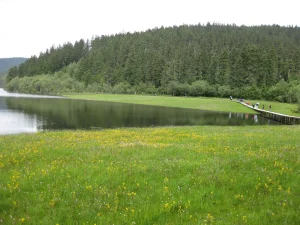
| An Erhai lakeside stay | Choose it when the lake setting matters enough to arrange meals and transfers separately. | Each meal at the property or a named alternative, plus transport back after dinner. |
| Lijiang: Dayan, Shuhe or Baisha | Treat these as separate accommodation choices. Match the base to your actual evening and departure plans. | Restaurant location, last vehicle access point, luggage help and breakfast before excursions. |
Kunming’s official local reporting identifies Shuncheng Street as a qingzhen food area. That is a useful search starting point, not a statement about every shop or its current kitchen. On a map, use the Chinese name 顺城清真寺 for Shuncheng Mosque; the map listing gives Dunren Lane 9, Kunming. Confirm the appropriate entrance and arrangements directly before a worship visit.
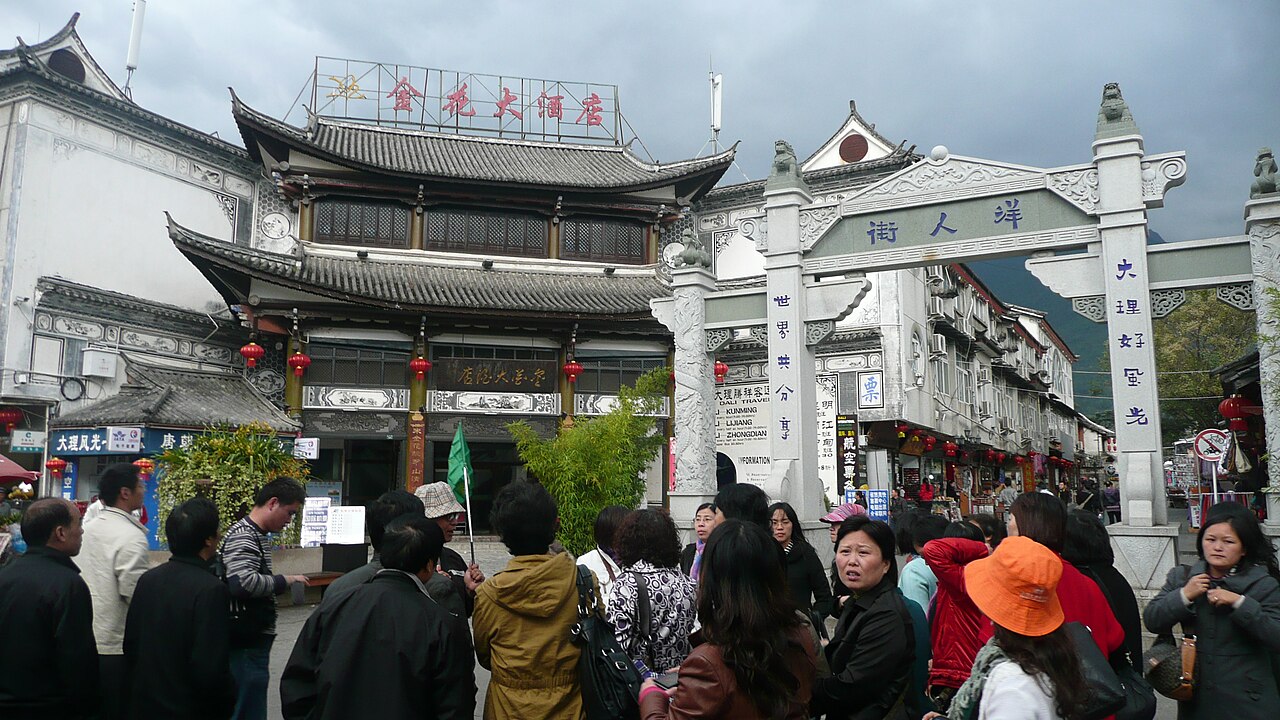
For a short first visit, keeping one base in each city usually makes everyday arrangements simpler than changing hotels for different photo spots. If you move from Dali Old Town to the lakeside, treat it as a move with a new meal plan. Do not assume a restaurant near the first hotel will remain convenient.
Agree what halal arrangements mean for your party
Explain your requirements in practical terms. Some travellers require current certification they recognise; others want direct confirmation from a Muslim-run restaurant about sourcing and preparation. State your own standard instead of asking a booking platform’s broad “Muslim-friendly” label to do that work.
| What you are told | What it establishes | What to ask next |
|---|---|---|
| “There is a halal restaurant nearby.” | A possible place to eat outside the hotel. | Which branch, how to get there, whether it serves your required meal, and its current food arrangements. |
| “Breakfast has no pork.” | A limited statement about one ingredient. | Meat sourcing, stock, cooking wine, oils and shared preparation, according to your requirements. |
| “Vegetarian dishes are available.” | A menu option to discuss. | Stock, sauces, cooking alcohol and utensils; decide whether the answers meet your standard. |
| “Our kitchen is halal-certified.” | A claim about a particular kitchen. | The current certificate, issuing body, location and scope. Check that it covers the branch and meal being offered. |
清真 (qingzhen) is the useful Chinese term when searching for halal food. Start there, then speak to the restaurant. A photograph of a sign, a popular review or a similar-sounding branch name does not answer detailed questions about your meal. Save the business’s Chinese name and address so the driver takes you to the same place you contacted.
Ask about dishes individually when needed: a plain-looking noodle soup still has stock; a vegetable dish still has oil and seasoning. Explain allergies separately from religious dietary requirements, and ask for mild food explicitly if children or older relatives prefer it. “No chilli” and “less salt” are different requests.
If a restaurant cannot answer a requirement that matters to you, use your second option. For regional dishes and market visits, see our Yunnan food guide; choose a suitable preparation rather than assuming every version of a dish is halal.
Book the room and breakfast as two separate decisions
A good room near suitable restaurants can be more useful than an attractive breakfast package with unclear food preparation. Compare room-only and breakfast-inclusive rates after you know what you can actually eat. Ask whether an early packed breakfast is possible, what it contains and whether it meets your requirements; do not assume a hotel breakfast box does.
For a snow-mountain morning, compare the planned pickup with the breakfast opening time. If they conflict, arrange food the evening before or move the meal to a suitable stop agreed with your driver. Avoid turning a fixed attraction booking into a rushed search for breakfast.
For the room itself, ask about lift access, steps from the street, bed configuration, usable floor space and the bathroom. If a handheld water spray or another specific washing arrangement matters to you, request a current bathroom photograph and description. Bring personal prayer essentials unless the property has confirmed the items you need.
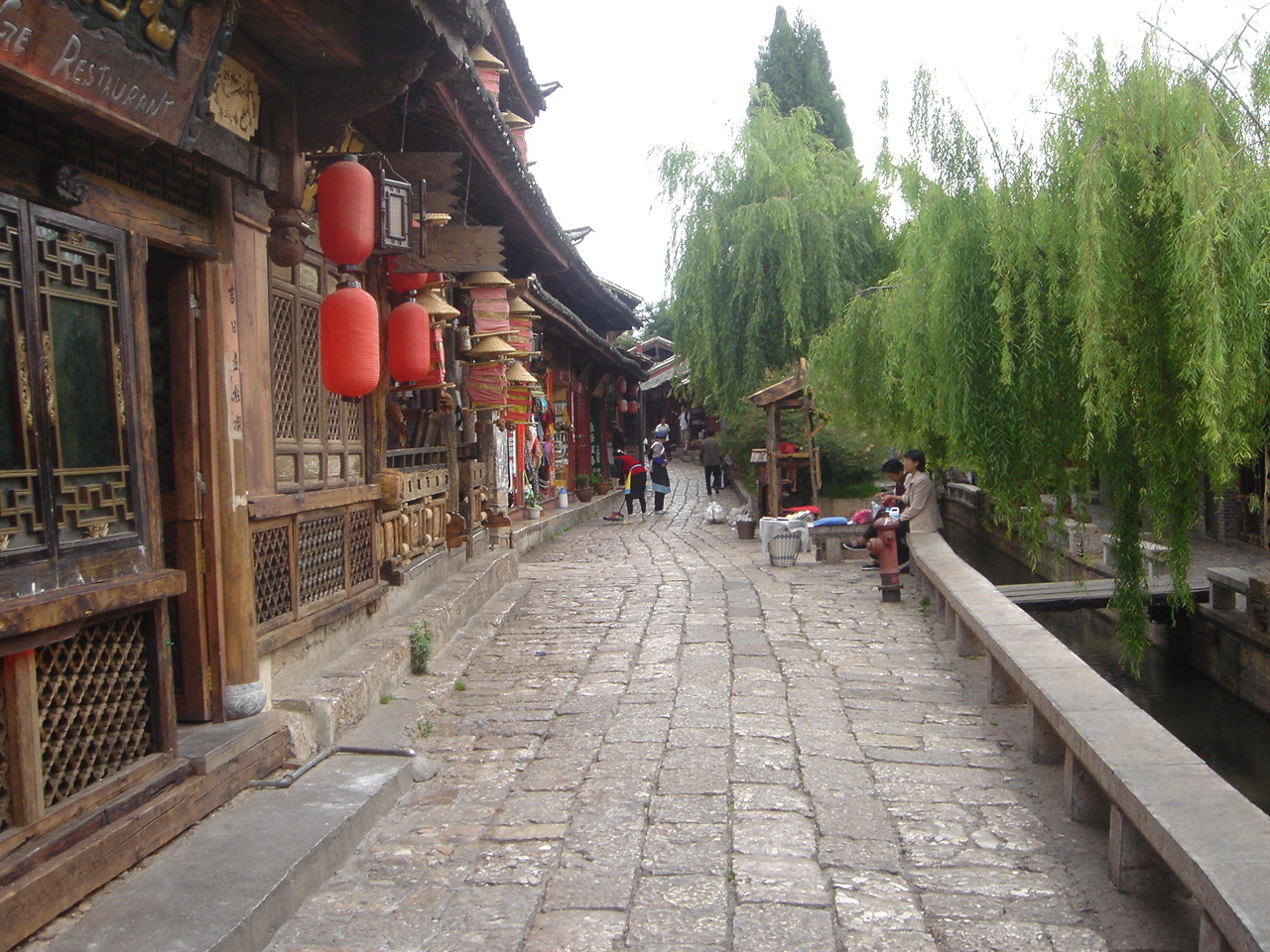
In an old-town stay, send the hotel your arrival time and suitcase count. Ask for the exact pickup pin and whether anyone can assist between the vehicle stop and the room. Get the return arrangement as well: a friendly arrival transfer does not automatically establish help with luggage before an early departure.
Foreign guests should carry the original passport or applicable travel document for check-in. China’s official foreign-visitor guide explains hotel check-in and accommodation registration. The 2024 accommodation measures address barriers to receiving overseas guests. Before arrival, send the property your nationality and document type through its booking channel and ask it to confirm the check-in procedure. There is no need to send passport details in a public review or comment.
Build prayer time into the day before choosing departures
Use a timetable for the correct city and travel date, following the method you normally use. Then confirm local congregation arrangements with the mosque. A time in a social-media comment, or a timetable from another month, is not enough for a Friday visit.
Ask about the relevant entrance, congregation time, women’s prayer facilities, ablution facilities and any access arrangements. If these are essential to your plan, obtain a clear answer before reserving a tight onward train. Allow time for the walk from the drop-off point and for leaving afterwards, rather than scheduling the car to depart as soon as worship ends.
Foreign visitors may participate in religious activities at places of worship under China’s regulations on foreigners’ religious activities. Separately, foreign-organised collective religious activities are subject to the venue arrangements in the 2025 implementing rules. If arranging a special group service, discuss it with the mosque and the appropriate local organiser; do not assume a hotel meeting room is an authorised venue.
For everyday travel, tell your planner which stops and facilities you need. A driver can work around an agreed schedule, but a generic “prayer stop” in a proposal should be made specific: location, access and the time available. Do not assume every attraction has a prayer room.
Handle mountain days, lake days and long transfers differently
Make the longest outing the most carefully planned food day. Decide where breakfast happens, what you carry, where lunch comes from and what happens if the trip returns late. A city dinner can be a fallback only if the restaurant will still serve you.

| Type of day | Practical arrangement | If the plan changes |
|---|---|---|
| City sightseeing | Use a suitable restaurant near the day’s stops and confirm any mosque visit in advance. | Keep a second meal option in the same area, so a closure does not require crossing the city. |
| Erhai outing | Choose east or west shore priorities first, then fit a named lunch stop into that route. | Shorten sightseeing rather than adding a large cross-lake detour just to find food. |
| Jade Dragon Snow Mountain | Arrange breakfast before pickup and suitable portable food. Coordinate the excursion with your prayer needs. | Confirm ticket-change conditions and a lower-altitude or town-based alternative if the booked activity cannot operate. |
| Intercity train or road transfer | Eat before departure when practical, carry suitable food and water, and identify the next realistic meal. | Keep the arrival evening flexible. Tell the hotel and meal provider if the arrival time moves. |
Choose portable food that can be stored safely for the journey. Check the railway or airline’s baggage rules before carrying heating packs, liquids or specialist equipment. Follow food-label storage instructions; a long sightseeing day is not a reason to keep a cooked meal warm in a bag for hours.
For train travel, make passport details and station choice part of the plan. Kunming’s city accommodation and your booked departure station may require a separate transfer. Our Yunnan train booking and station guide explains the practical steps. Keep time for station entry instead of relying on a last-minute food purchase inside.
With older relatives or children, choose fewer major stops and protect a seated lunch break. Explain walking limits, stair difficulties and the amount of luggage before a vehicle is selected. For rain, choose a shorter local day around your established food base rather than moving the group to another distant attraction just to fill the timetable.
Useful Chinese questions to show a hotel or restaurant
Save these on your phone and add your own requirements. Ask staff to write or type the answer so you can translate it carefully. These questions start a conversation; they do not certify a business.
| What you need to establish | Chinese wording | Follow up with |
|---|---|---|
| Halal kitchen and current evidence | 请问这家店是清真餐厅吗?可以看一下现行的相关证明吗? | The exact branch and the standard your party requires. |
| Ingredients and preparation | 这道菜的汤底、油和调料是什么?有没有猪肉、猪油或料酒? | Questions about sourcing and shared utensils where relevant to you. |
| Food before an early departure | 我们明早很早出发。早餐几点开始?可以提前准备符合我们饮食要求的食物吗? | Your pickup time and the exact proposed food. |
| Prayer access and facilities | 请问当天聚礼几点?女士礼拜和小净设施如何安排? | Your date, party size and the entrance to use. |
| Foreign-passport check-in | 我们持外国护照,请确认入住登记流程和需要的证件。 | The property booking channel, arrival time and document type. |
| Mild food for a child or older guest | 请不要放辣椒,少盐。过敏食材是:____。 | List any allergy in writing; discuss preparation separately. |
Set up translation, maps and payment before leaving the hotel. Save addresses as Chinese text as well as a map pin, and keep a payment alternative if a phone payment fails. Our China arrival and essential-app guide covers the wider setup.
Choose the route, then request a specific proposal
A Kunming–Dali–Lijiang route is a useful starting point when you want city meals, old towns and a mountain excursion. See the six-day Yunnan small-group itinerary. Compare the Shangri-La itinerary if that destination is a priority, or the Najiaying itinerary if you want that additional focus. Read the individual route before choosing; these extensions change the daily travel pattern.
For a wider comparison, the Muslim small-group tour collection includes the Lugu Lake and Shadian options. A published itinerary is a starting point for checking a departure or requesting a tailored plan. Use the written offer for your dates to establish the actual hotel, vehicle, meals, guide language, tickets and exclusions.
To request a Yunnan proposal, send VeroTrip your dates, number of adults and children, arrival and departure points, preferred cities, walking limits and luggage count. Add your dietary standard, allergy details, room requirements, Friday-prayer priorities and any fasting-related meal timing you want considered. Use the enquiry option on the relevant tour page, or WhatsApp or WeChat at +86 15288462326.
Before confirming, ask for a meal-by-meal outline, breakfast arrangements, named pickup points and the proposed prayer stops. This makes it possible to compare what is actually arranged, rather than choosing between broad promises with different meanings.