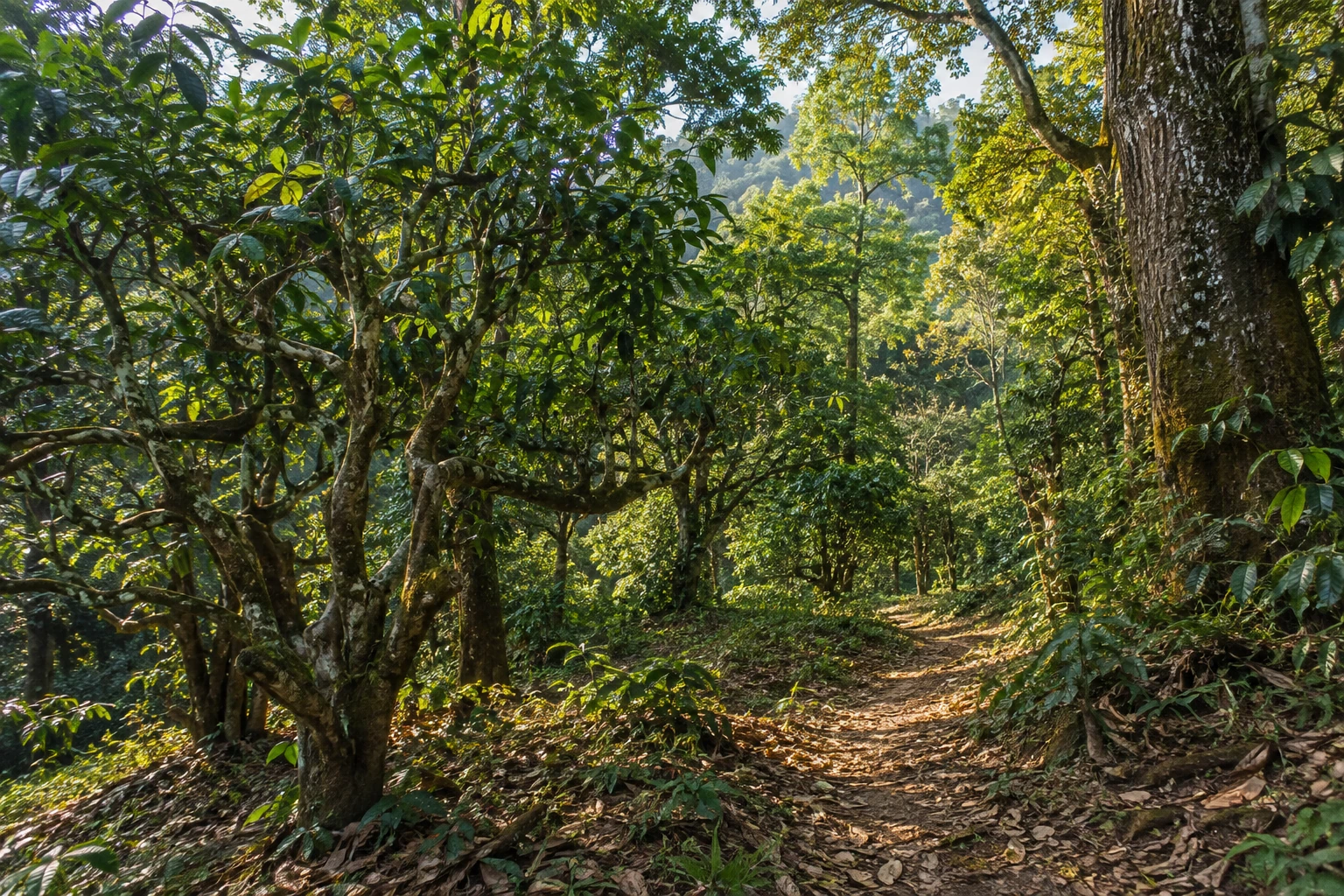
Updated 7 October 2026. Cover and tea-travel scenes are illustrations.
Give Jingmai two mountain nights for one full day between the road transfers. Three or four leave more room for families, village visits and another photography weather window. A local day tour fits when you are already on the mountain, rather than replacing the travel from Pu’er or Jinghong.
How many nights match your priorities?
| Time on the mountain | Best use | Main compromise |
|---|---|---|
| One night | A short village visit and one light forest outing | Arrival and departure leave little weather flexibility |
| Two nights | One full tea-forest and village day | Choose a small number of experiences |
| Three nights | A forest day and a separate village day | More rural lodging time and fewer city conveniences |
| Four nights | Slow family pacing or repeated photography windows | Worthwhile only if you enjoy staying put |
Compare the nights at the mountain guesthouse, not only advertised trip days. A four-day route may include gateway rooms and long transfers. A night-by-night location table shows how much local time the stay actually offers.
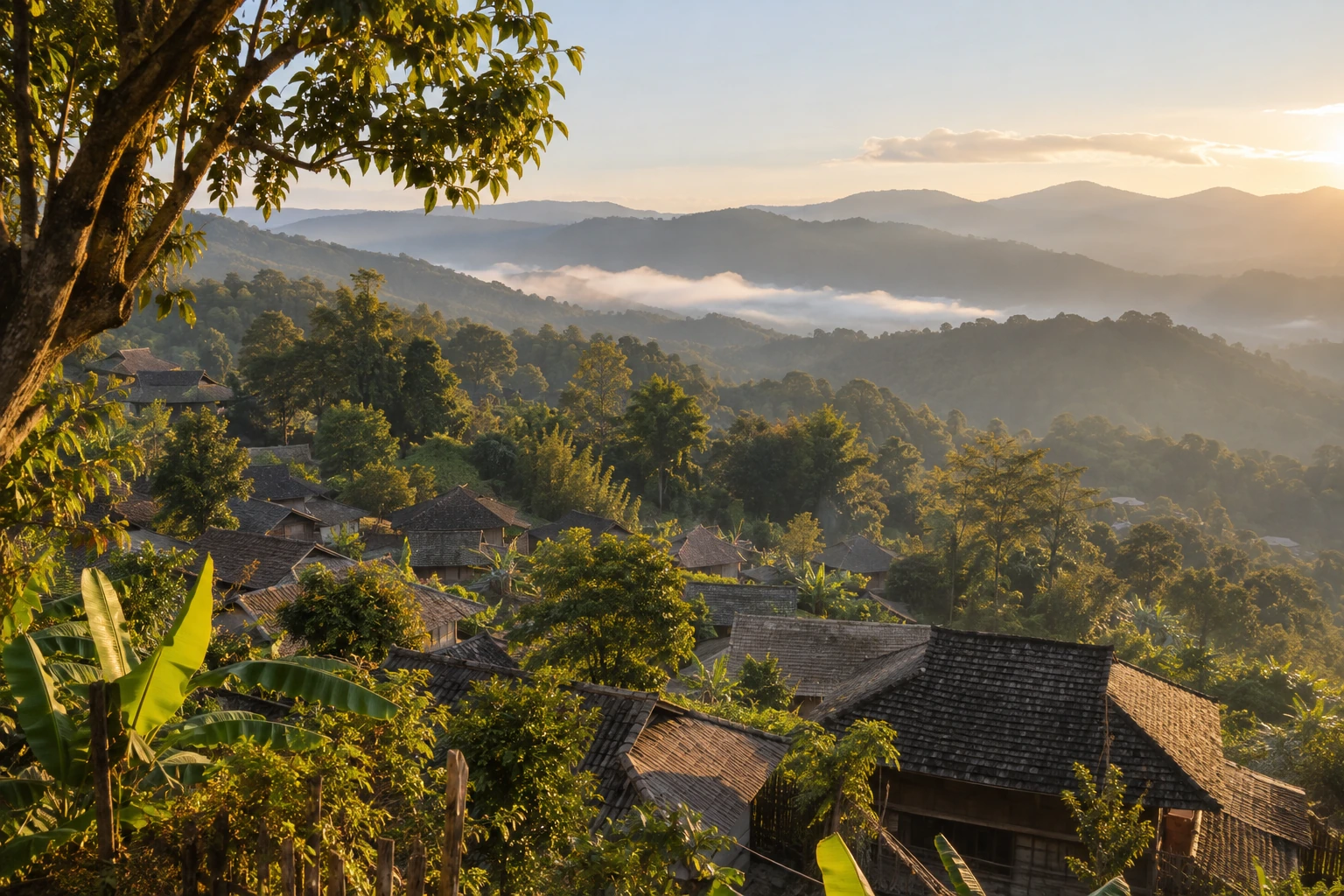
A practical three-day mountain visit
| Day | Main action | Decision to make |
|---|---|---|
| Arrival | Reach the guesthouse, then walk nearby if daylight allows | Which gateway and exact pickup time make this realistic? |
| Full day | An established tea-forest walk, lunch and a hosted tasting | Do you prefer more walking or more time with the tea host? |
| Departure | A short local morning if possible, then the road transfer | What check-in buffer does your onward ticket require? |
Protect the departure connection and one unhurried local day. A late incoming flight may call for a gateway night or a lighter first afternoon. Leave distant villages and workshops off the last morning when they could put the return at risk; avoid recovering a missed stop by compressing everything that follows.
Pick the base before adding more villages
Choose a village base for its lanes, atmosphere and host, then check the particular guesthouse. Save its Chinese name and map pin, and establish vehicle access, stairs, heating or ventilation, meals and bag assistance. A listing’s view may apply to only some rooms.
Use the Wengji versus Nuogan accommodation comparison to narrow the base. Do not move hotels each night simply to collect village names. A prearranged daytime drive often lets you visit another village while keeping the same room. The useful question is how the base supports your chosen activities and return journey.
Choose the season around the experience, not one photograph
| Main interest | Plan around | Backup |
|---|---|---|
| Tea learning | A host and a specific activity on your dates | Finished-tea tasting and a process explanation |
| Photography | Several flexible light windows | Village detail and sheltered tea scenes |
| Walking | Current path and rain conditions | A shorter route or seated village activity |
| Family rest | Comfortable rooms and manageable transfers | One modest outing per full day |
Plan for the landscape and work likely around your dates, while keeping the visit worthwhile if cloud, light or picking differs from a photograph. Leave flexibility instead of building non-refundable travel around a promised sunrise or harvest demonstration.
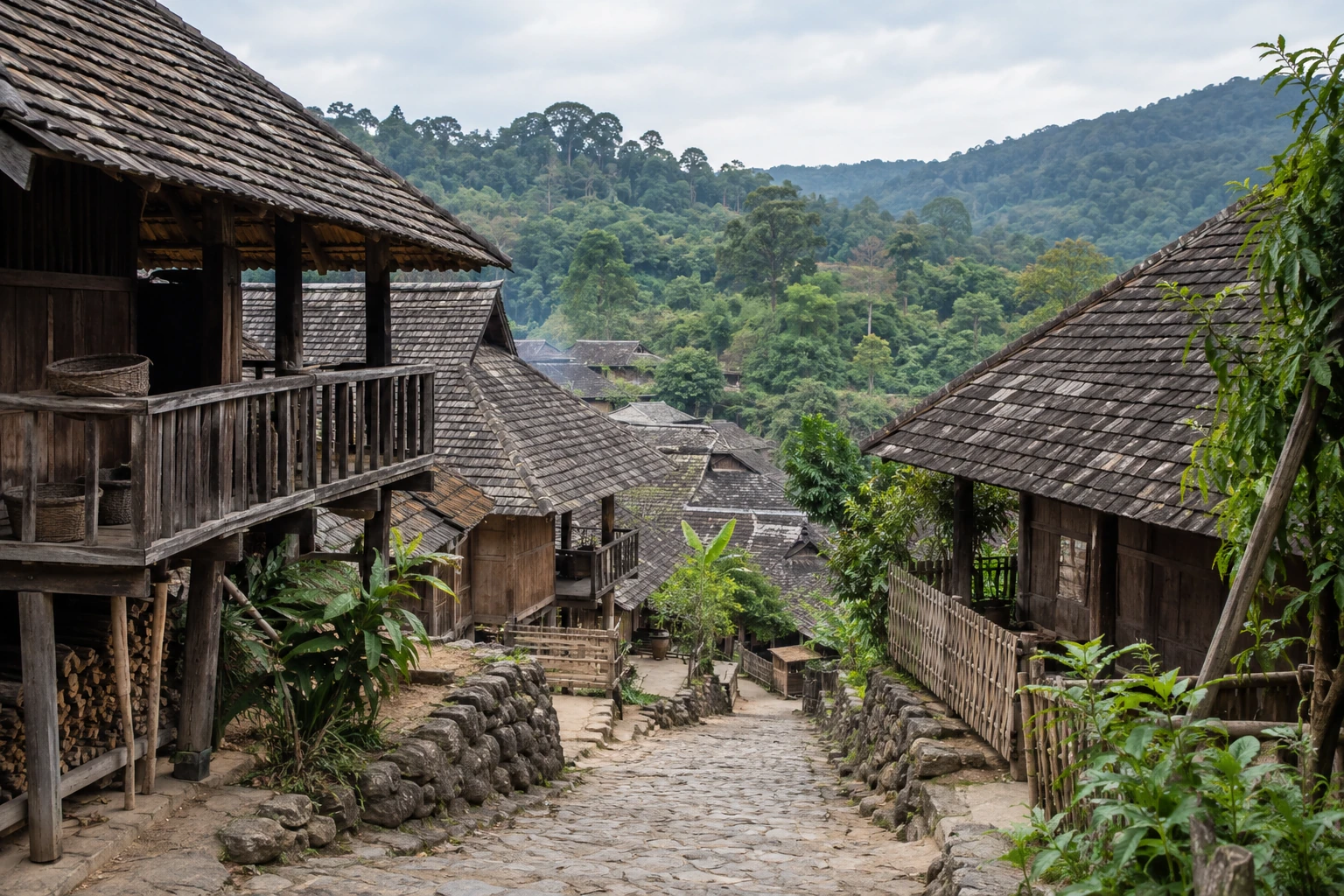
For families and travelers who prefer less walking
Describe comfortable walking time, steps and rest needs before choosing a route. Village-to-village transport cannot remove every local walk. Agree a short outing and turnaround, carrying water, a layer and suitable snacks.
With children, choose one main outing a day and protect lunch and rest. Tea sessions can be short without children drinking caffeine. Discuss allergies, dietary preferences and halal requirements with the actual host or meal provider; available rural ingredients and preparation vary.
For photographers
Scout a permitted viewpoint in daylight, confirm the meeting point and keep a rain alternative. Obtain consent for portraits and avoid blocking paths with equipment. Ground photography is sufficient for a rewarding trip. Unauthorized drone flights are prohibited across the heritage area under the local heritage authority’s notice.
What to send when requesting a route
Provide the arrival hub and time, onward hub and ticket window, number of travelers, preferred village or room style, walking needs and your main tea interest. Say whether you need an English-speaking guide throughout or interpretation for specific visits. Ask for the transport, rooms, meals, tastings and optional workshops to be itemized.
Read how to reach Jingmai Mountain before booking transport. If you are choosing between a city coffee stay and a mountain tea stay, compare Pu’er city and Jingmai. A balanced trip gives each place its own base rather than treating Jingmai as a quick stop beside Simao.
Build your route with Verotrip
Tell us whether you want a compact tea visit, a walking stay, family pacing or several photography windows. Send your dates and preferences. We can shape a written proposal around available hosts and transport. The quotation lists the services, dates, booking terms and alternatives you accept before payment.
Matching routes
6-Day Pu’er and Jingmai Family Tea Journey · 5-Day Jingmai Village and Tea Forest Photography Tour · 4-Day Jingmai Tea Forest Walking Tour
Frequently asked questions
How many nights match your priorities?
Count nights at the actual mountain guesthouse, not total trip days. An itinerary sold as four days may include gateway accommodation and long transfer stages. Ask for a table showing the overnight location for every night.
What should I know about walking, luggage and access?
Explain the maximum comfortable walking time, tolerance for stairs and whether anyone needs regular rest or toilets nearby. A vehicle can shorten road travel between villages but cannot remove all walking inside them. Agree a short outing with a clear turning point.