6-Day Wuhan Aviation, Science & Future Mobility Study Tour
Overview
Quick answer: A six-day Wuhan educational tour that moves from flight principles and drone engineering to architecture, autonomous transport, suspended rail and university laboratories.
Your Route Map
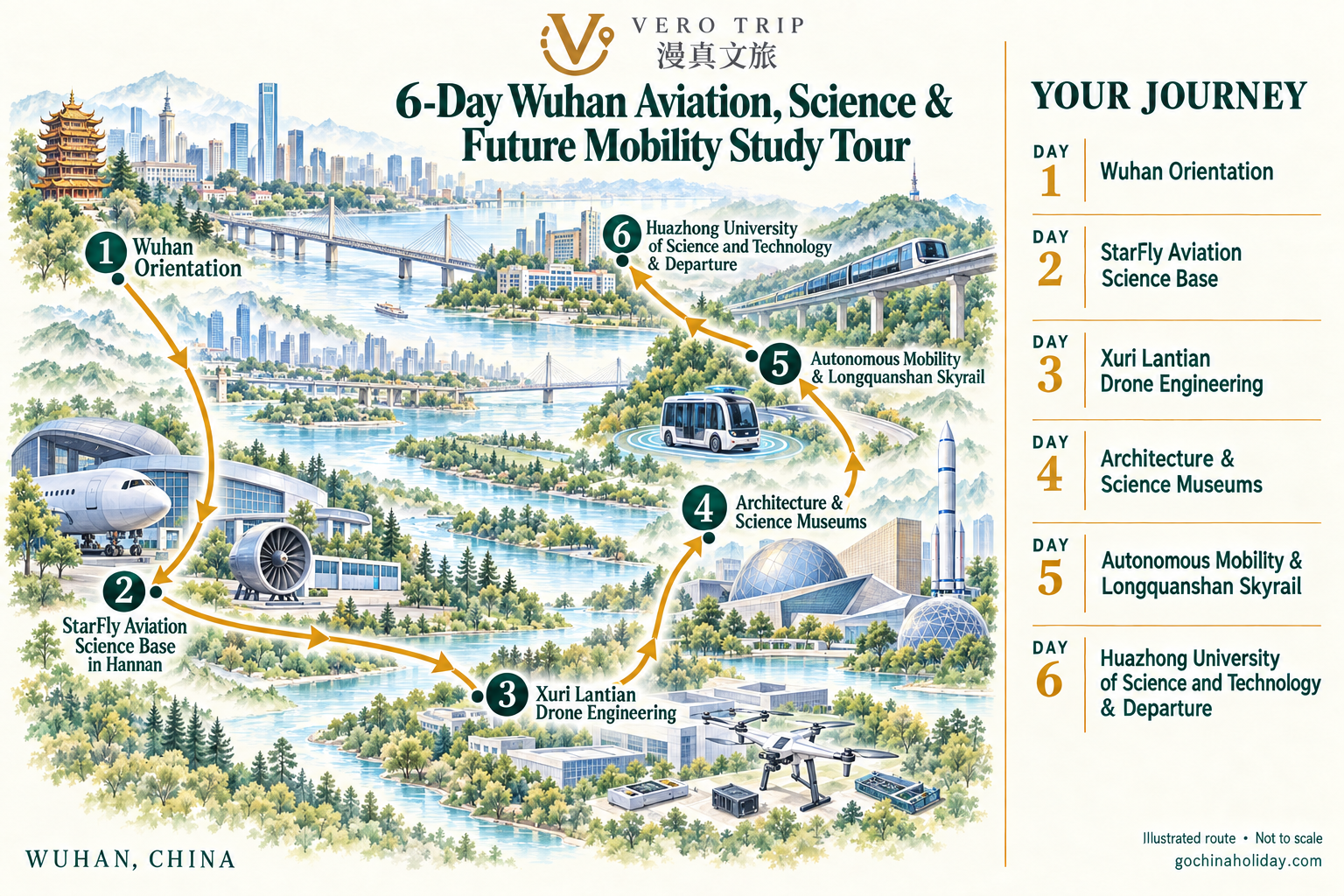
Route at a Glance
| Duration | 6 days / 5 nights |
|---|---|
| Route | Wuhan – Hannan – Optics Valley – Longquanshan – Wuhan |
| Format | Private, date-specific educational program |
| Best for | Secondary schools, universities and family groups seeking a structured science and engineering program with practical activities. |
| Working language | English, with local interpretation where required |
Why This Route Works
Wuhan combines aviation facilities, national science venues, transport projects and major universities within one metropolitan area. The program gives each technology a clear learning question and avoids placing two long factory visits on the same day.
Learning and Visit Highlights
- Use flight simulation to understand lift and control
- Assemble or program a supervised drone task
- Compare ancient, modern and future building systems
- Study autonomous vehicles and elevated urban rail
- Meet a university laboratory or maker team
Daily Program
- Day 1: Wuhan Arrival and Program Orientation
- Day 2: StarFly Aviation Science Base
- Day 3: Xuri Lantian Drone Engineering
- Day 4: Architecture and Science Museums
- Day 5: Autonomous Mobility and Longquanshan Skyrail
- Day 6: Huazhong University of Science and Technology and Departure
How Company, School and Community Access Works
Visits are arranged for the specific group and date. The final proposal names the host, visitor route, discussion topic, group size, photography rules and any age or identification requirement. If a requested host cannot receive the group, we discuss a relevant alternative before the itinerary is issued.
Pace, Transport and Supervision
Each full day uses one main visit or two compatible half-day sessions. Road, rail and meal time are included in the working schedule. Student groups must provide participant ages, staff ratios, accessibility needs, allergies and emergency contacts before services are finalized.
What Is Included
- Private ground transport listed in the final program
- English-speaking local coordination and subject specialists as confirmed
- Admission and scheduled learning activities named in the final quotation
- Selected accommodation with breakfast for multi-day programs
What Is Not Included
- International and domestic flights or trains unless specifically quoted
- China entry documents, travel insurance and personal purchases
- Meals, talks, workshops or site access not named in the final quotation
- Optional activities and schedule changes requested during the trip
Frequently Asked Questions
Can students fly a real aircraft?
No. The standard course uses ground instruction, simulators and supervised equipment. Any separate aviation activity would require its own operator and conditions.
Will the autonomous vehicle ride operate for our group?
Public operations and group access can change. The final program names the confirmed demonstration, with a technical briefing as the fallback.
What age range suits the drone workshop?
Upper-primary students can use simplified tasks; older groups can work with flight-control and application questions. Group age must be shared in advance.
Is the skyrail part of public transport?
The Longquanshan line operates as a real urban transport attraction with its own operating calendar. The schedule is set around current service.
Can we meet university students?
Yes, when the university can host the exchange. Academic calendars, examinations and campus events affect availability.
Plan This Program
Send the travel window, participant ages or professional roles, group size, learning goals and preferred accommodation through Plan My Trip. Compare related programs in China Educational Study Tours.
Daily Itinerary
Meet in Wuhan, transfer to the hotel and introduce the city’s transport, university and manufacturing geography. The group sets engineering questions and safe workshop roles for the week.
Learning focus: Set engineering questions and workshop roles for the week.
Travel to the Hannan aviation area for a scheduled session on aircraft structure, flight forces and cockpit systems. Use simulators or training equipment under instructor supervision; actual flying is outside the standard program.
Learning focus: Use aircraft structures and simulation to understand flight forces and control.
Study industrial drone components, flight-control logic and practical uses, then complete an age-appropriate assembly or simulator task. Outdoor operation depends on weather, airspace rules and site arrangements.
Learning focus: Study drone components and complete the supervised assembly or simulator task.
Use the China Architecture Science and Technology Museum or a confirmed science venue to compare structures, materials and city systems. A workshop turns observation into a small model or design response.
Learning focus: Compare building systems and develop a small model or design response.
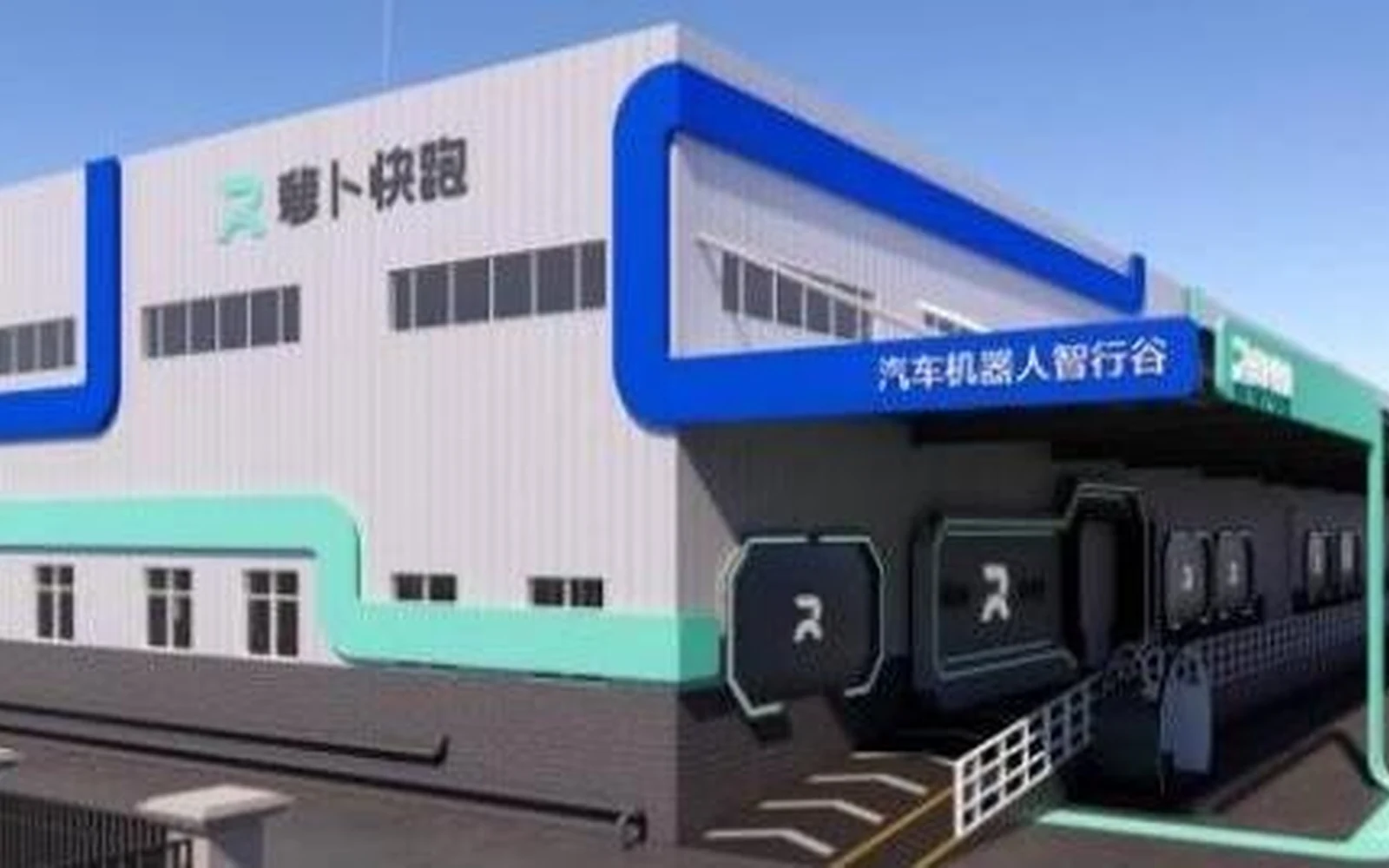
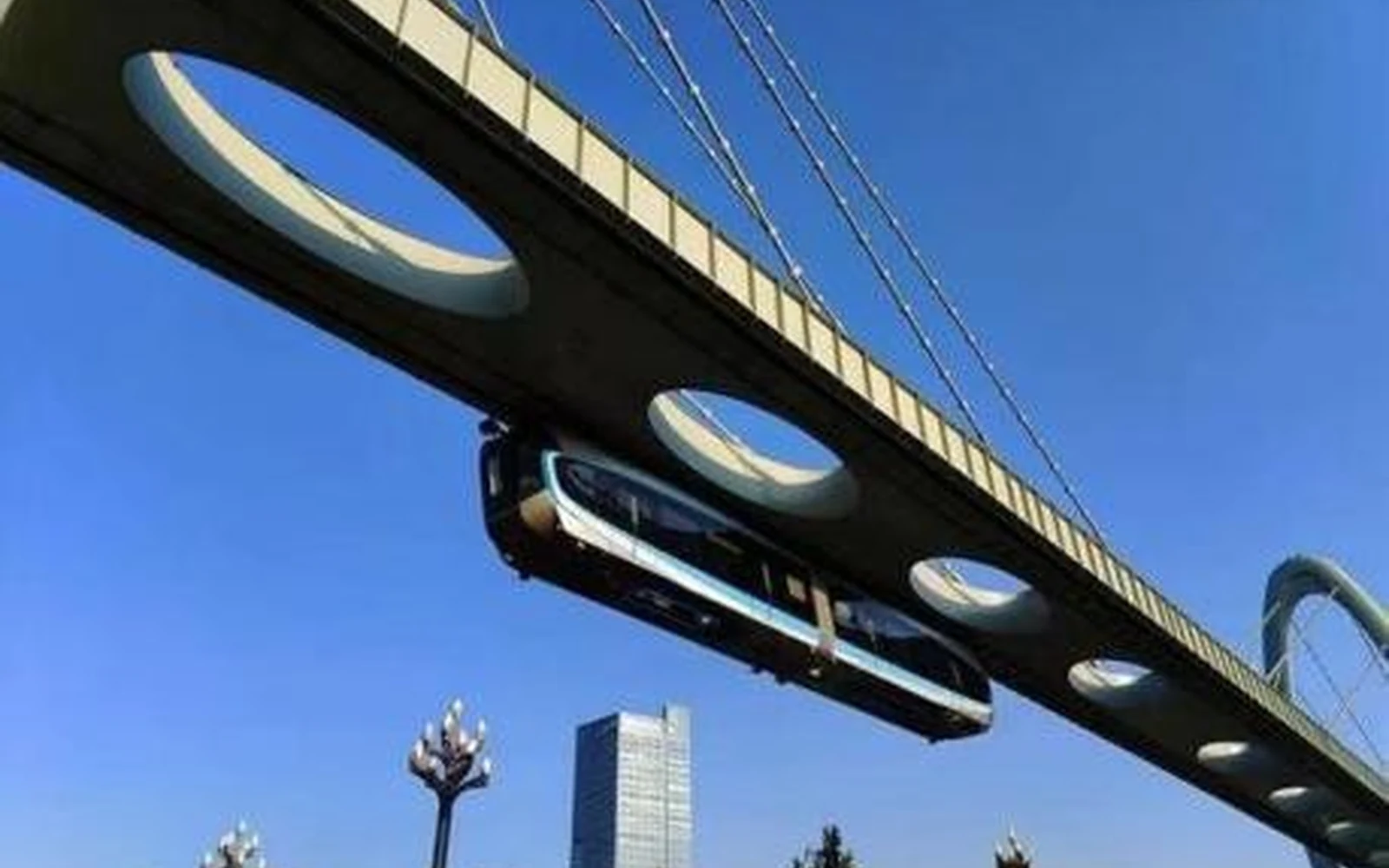
Visit an agreed autonomous-mobility demonstration site, then ride or study the Longquanshan suspended rail when operating. The day compares vehicle sensing, route control, passenger flow and public-space design.
Learning focus: Compare autonomous-vehicle sensing with the control and passenger systems of suspended rail.
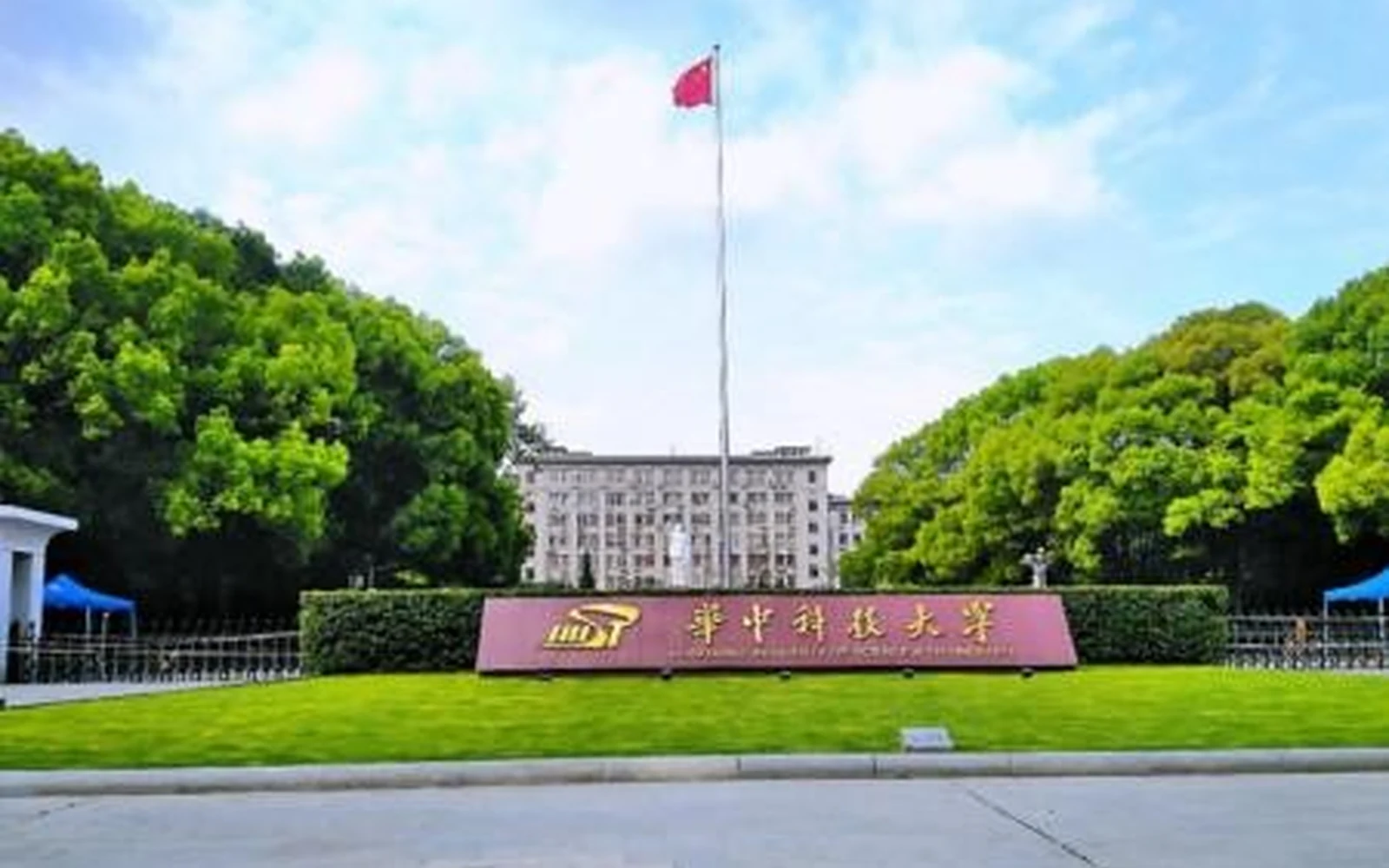
Join a campus introduction and a laboratory, maker-space or student exchange confirmed for the group, then transfer to the airport or station. Campus access and room visits depend on the university calendar.
Learning focus: Discuss university research, maker practice and the engineering learning from the week.