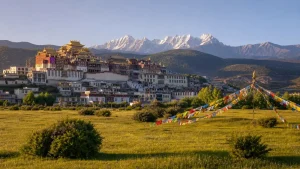
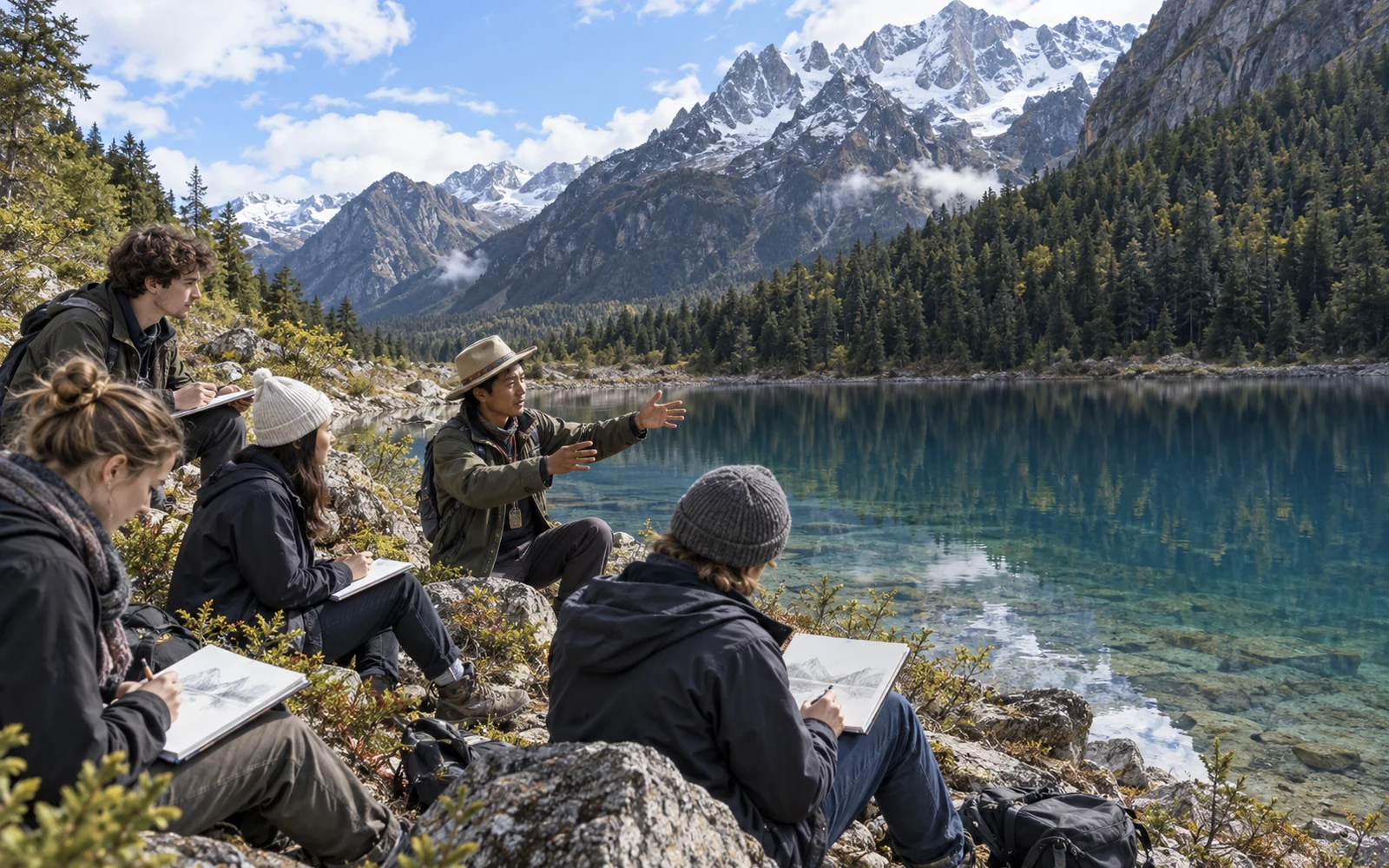
6-Day Shangri-La Tibetan Art & Landscape Study Tour
Overview
Quick answer: A six-day highland art program using Songzanlin, Tibetan village architecture, Wudi Lake, Pudacuo and the Meili corridor as settings for observation and landscape practice.
Your Route Map
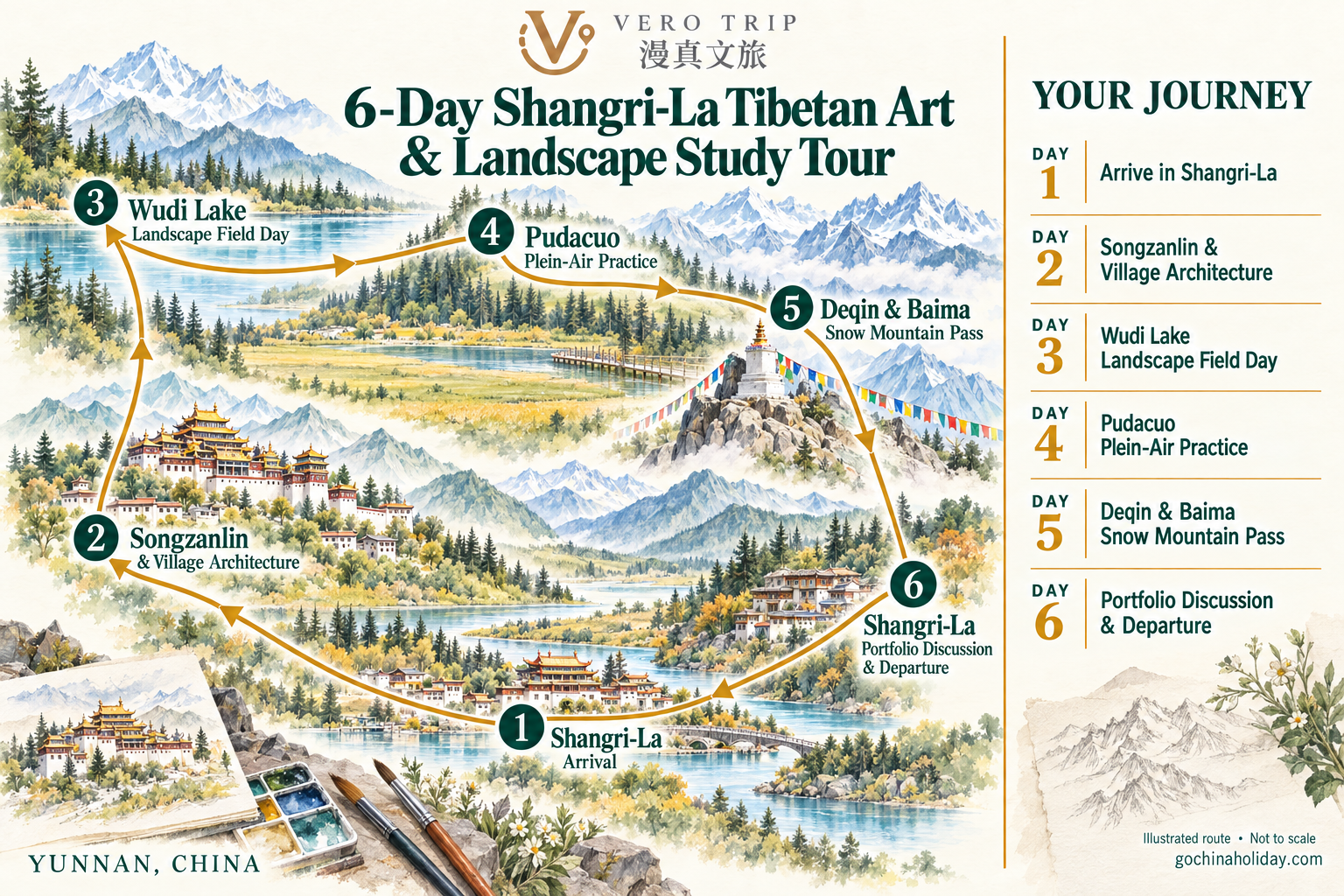
Route at a Glance
| Duration | 6 days / 5 nights |
|---|---|
| Route | Shangri-La – Songzanlin – Wudi Lake – Pudacuo – Deqin – Shangri-La |
| Format | Private, date-specific educational program |
| Best for | Art schools, architecture groups, photographers and older students able to work outdoors at elevations above 3,000 meters. |
| Working language | English, with local interpretation where required |
Why This Route Works
The route treats drawing as a way to look closely at structure, light and cultural context. Studio prompts alternate with short guided walks, while the schedule keeps altitude, road time and changing mountain weather in view.
Learning and Visit Highlights
- Architectural sketching at Songzanlin
- Quiet landscape practice beside a remote alpine lake
- Forest and water studies in Pudacuo
- High-mountain composition work along the Deqin corridor
Daily Program
- Day 1: Arrive in Shangri-La
- Day 2: Songzanlin and Village Architecture
- Day 3: Wudi Lake Landscape Field Day
- Day 4: Pudacuo Walking and Plein-Air Practice
- Day 5: Deqin and Baima Snow Mountain Pass
- Day 6: Portfolio Discussion and Departure
How Company, School and Community Access Works
Visits are arranged for the specific group and date. The final proposal names the host, visitor route, discussion topic, group size, photography rules and any age or identification requirement. If a requested host cannot receive the group, we discuss a relevant alternative before the itinerary is issued.
Pace, Transport and Supervision
Each full day uses one main visit or two compatible half-day sessions. Road, rail and meal time are included in the working schedule. Student groups must provide participant ages, staff ratios, accessibility needs, allergies and emergency contacts before services are finalized.
What Is Included
- Private ground transport listed in the final program
- English-speaking local coordination and subject specialists as confirmed
- Admission and scheduled learning activities named in the final quotation
- Selected accommodation with breakfast for multi-day programs
What Is Not Included
- International and domestic flights or trains unless specifically quoted
- China entry documents, travel insurance and personal purchases
- Meals, talks, workshops or site access not named in the final quotation
- Optional activities and schedule changes requested during the trip
Frequently Asked Questions
Do participants need advanced drawing skills?
No. The program can support beginners or experienced students, but the instructor needs to know the group level before setting exercises.
What art materials should we bring?
A compact sketchbook, pencils, water-soluble color, clips and a weatherproof bag work well. Solvents and large equipment are impractical for shared transport.
How does altitude affect the schedule?
The first day is deliberately light. Students should hydrate, avoid intense exercise on arrival and tell the leader promptly if they feel unwell.
Is Wudi Lake always accessible?
No. Road and weather conditions can change. A comparable alpine landscape session near Shangri-La replaces it when access is unsuitable.
Can we photograph inside religious buildings?
Rules vary by space and day. The guide explains where photography or sketching is permitted, and the group follows local instructions.
Plan This Program
Send the travel window, participant ages or professional roles, group size, learning goals and preferred accommodation through Plan My Trip. Compare related programs in China Educational Study Tours.
Daily Itinerary
Transfer to the hotel and keep the first afternoon light for altitude adjustment. The instructor introduces the visual journal, materials and respectful practice around religious and community spaces.
Learning focus: Set sketching goals and prepare equipment while keeping arrival day light.
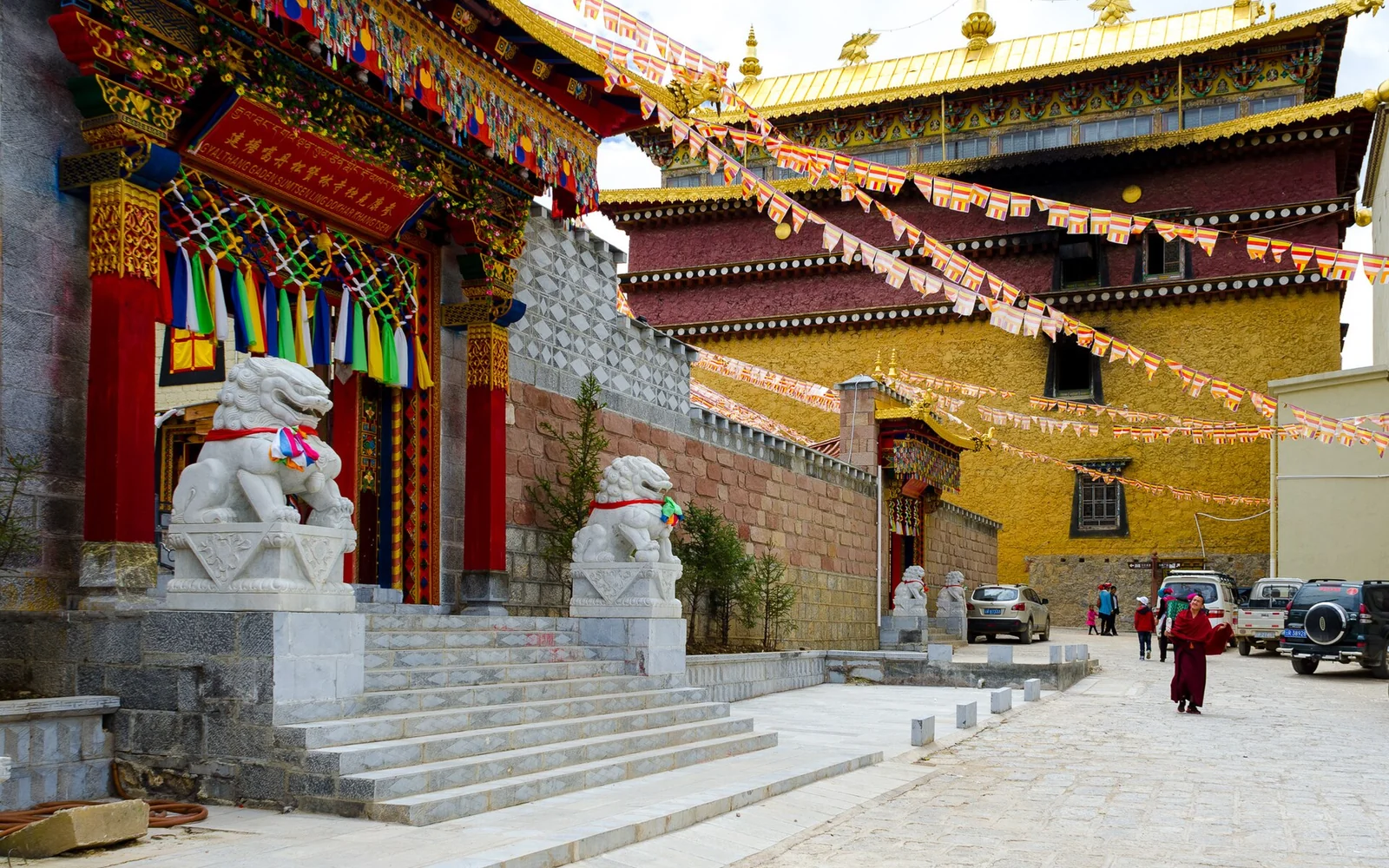
Use designated viewpoints and courtyards for guided architectural sketching at Songzanlin, then continue to a nearby Tibetan village for an agreed introduction to building materials and settlement form.
Learning focus: Use architectural sketching to study Songzanlin and village buildings.
Travel to Wudi Lake, also called Bottomless Lake, when road and weather conditions allow. Students work in short outdoor sessions on scale, reflection and mountain edges, with warm breaks built into the day.
Learning focus: Practise landscape observation and composition beside Wudi Lake.
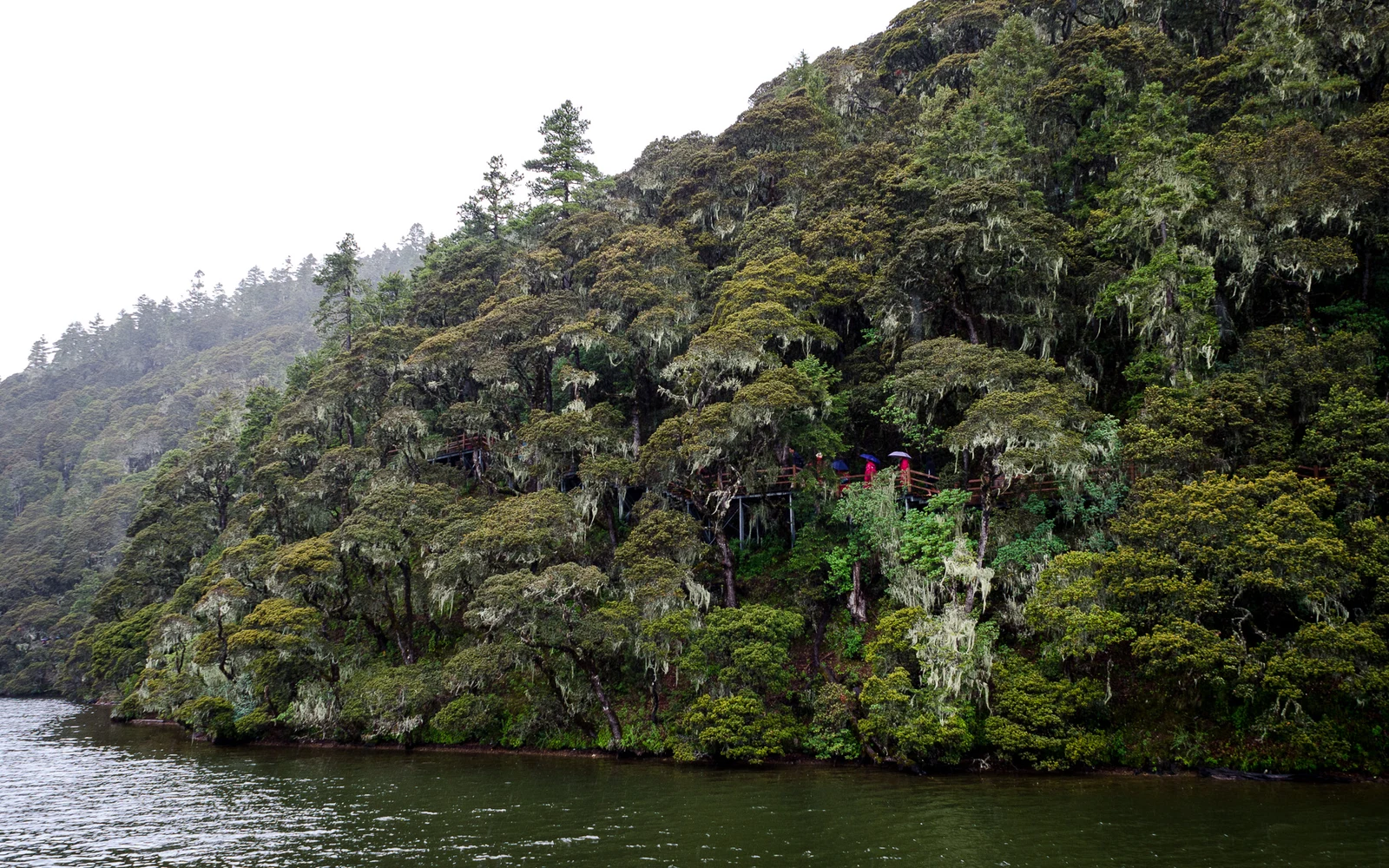
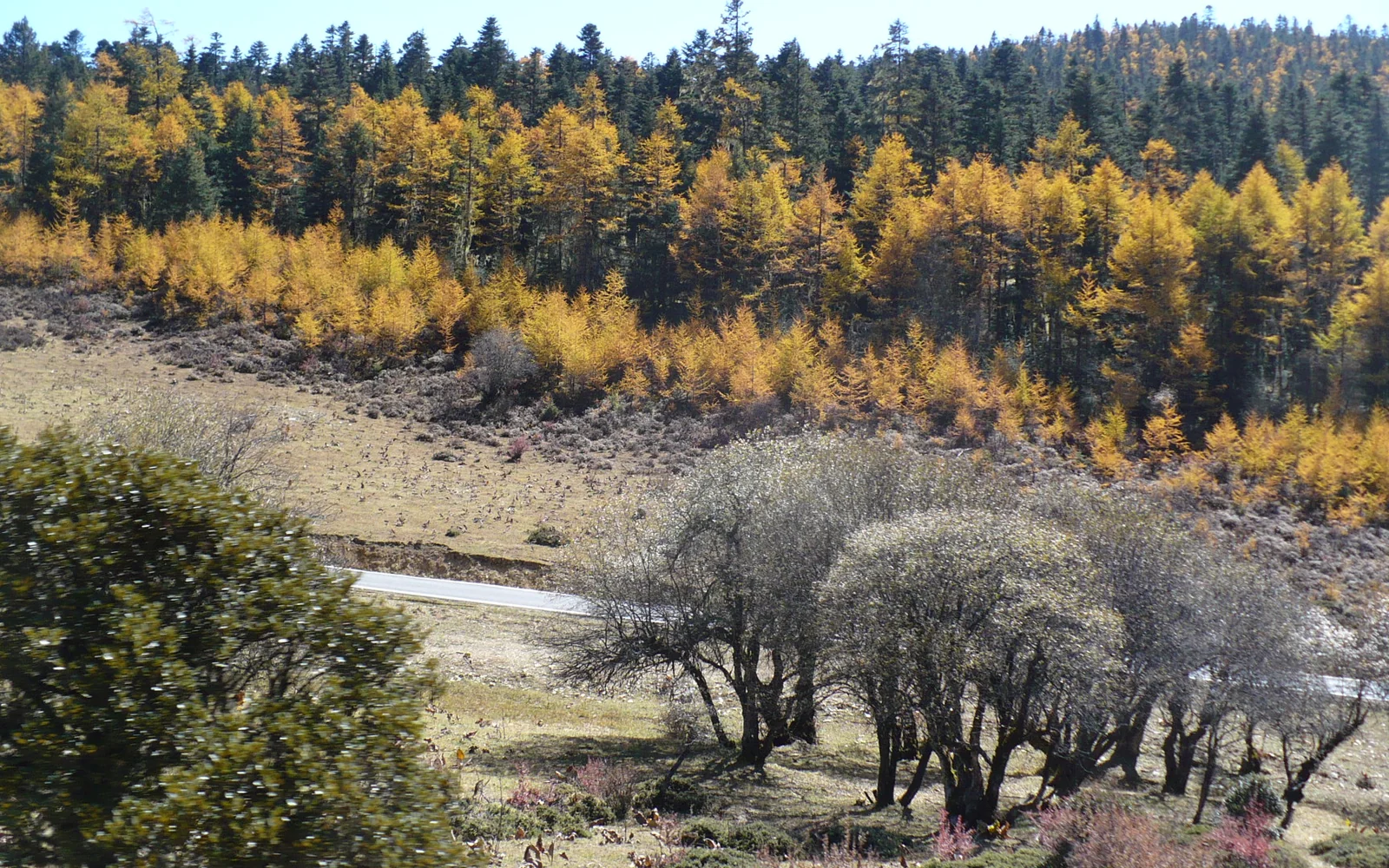
Follow an open park route suited to the group, using forest, meadow and lake transitions as drawing subjects. The day avoids rushing between distant park sectors.
Learning focus: Study forest, water and light through plein-air work in Pudacuo.
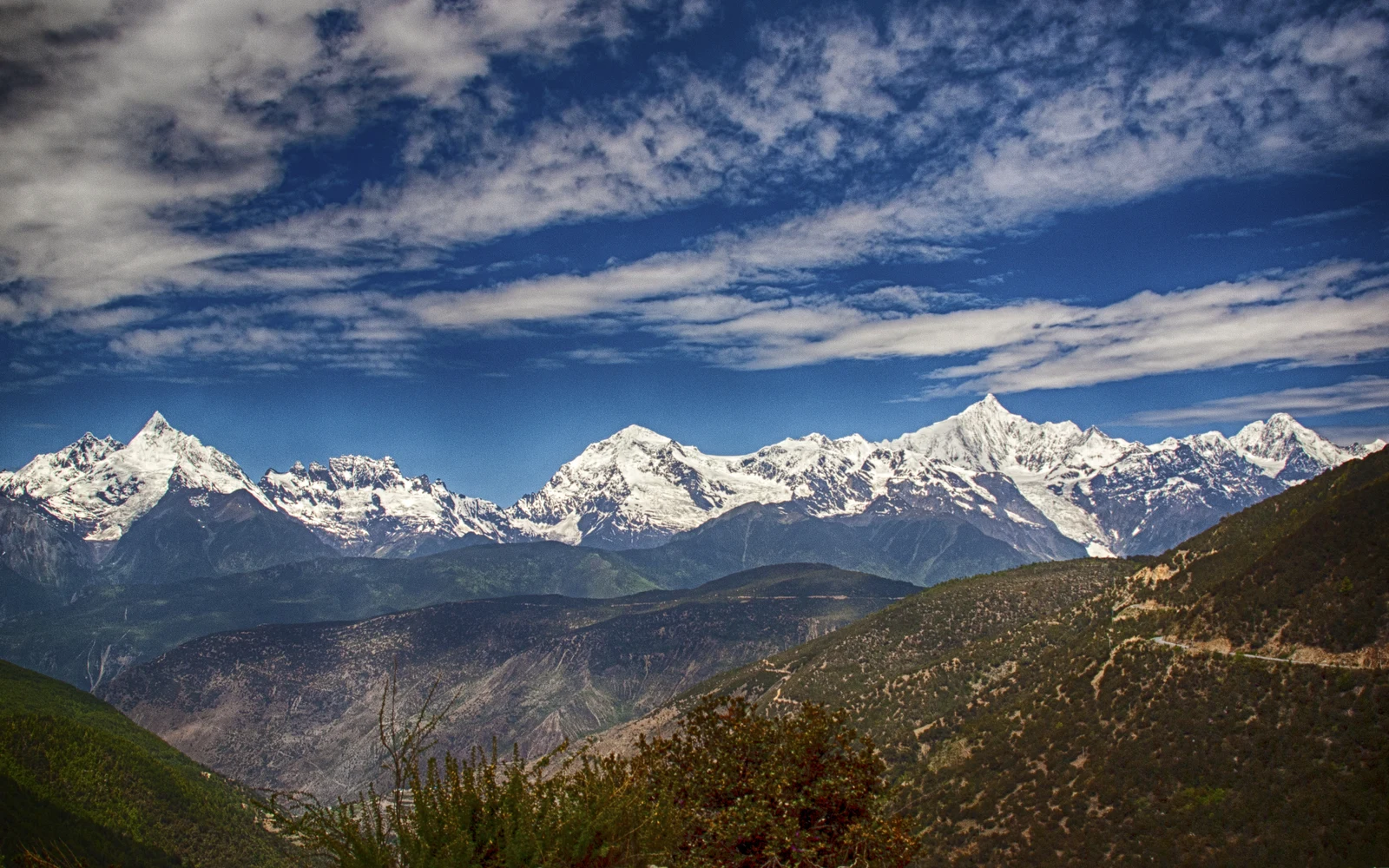
Drive toward Deqin and use safe stopping points for high-mountain composition work. Visibility of Meili Snow Mountain is weather-dependent, so the learning goal remains observation rather than a promised sunrise view.
Learning focus: Develop high-mountain compositions along the Deqin and Baima corridor.
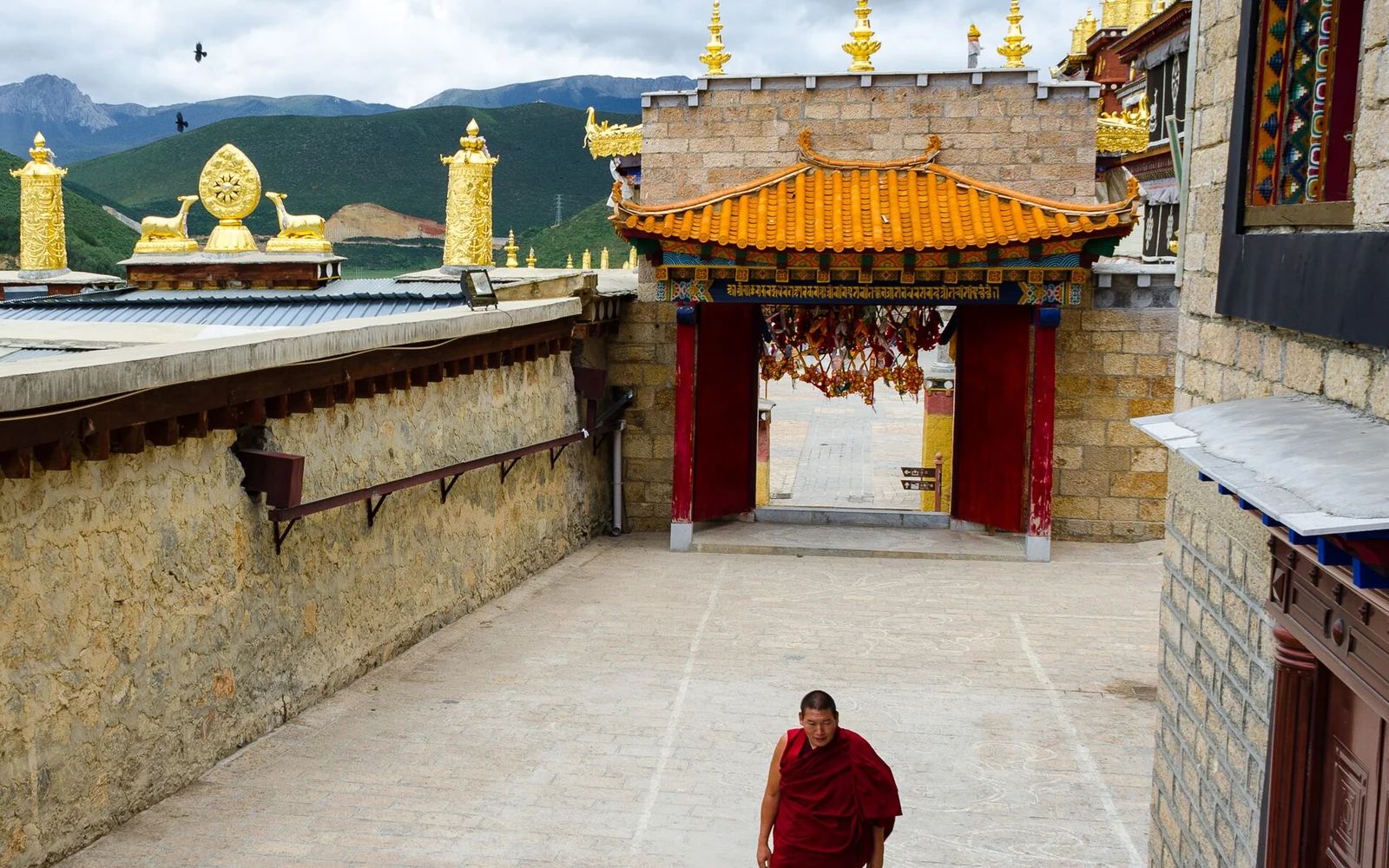
Organize the week’s studies, discuss process and select work for a short group presentation. Transfer to the airport according to the confirmed flight time.
Learning focus: Discuss the completed portfolio and compare the approaches used during the journey.