6-Day Xishuangbanna Biodiversity & Dai Medicine Study Tour
Overview
Quick answer: A six-day Xishuangbanna study tour built around rainforest biodiversity, Dai plant knowledge, traditional papermaking and Pu’er tea rather than a rapid checklist of attractions.
Your Route Map
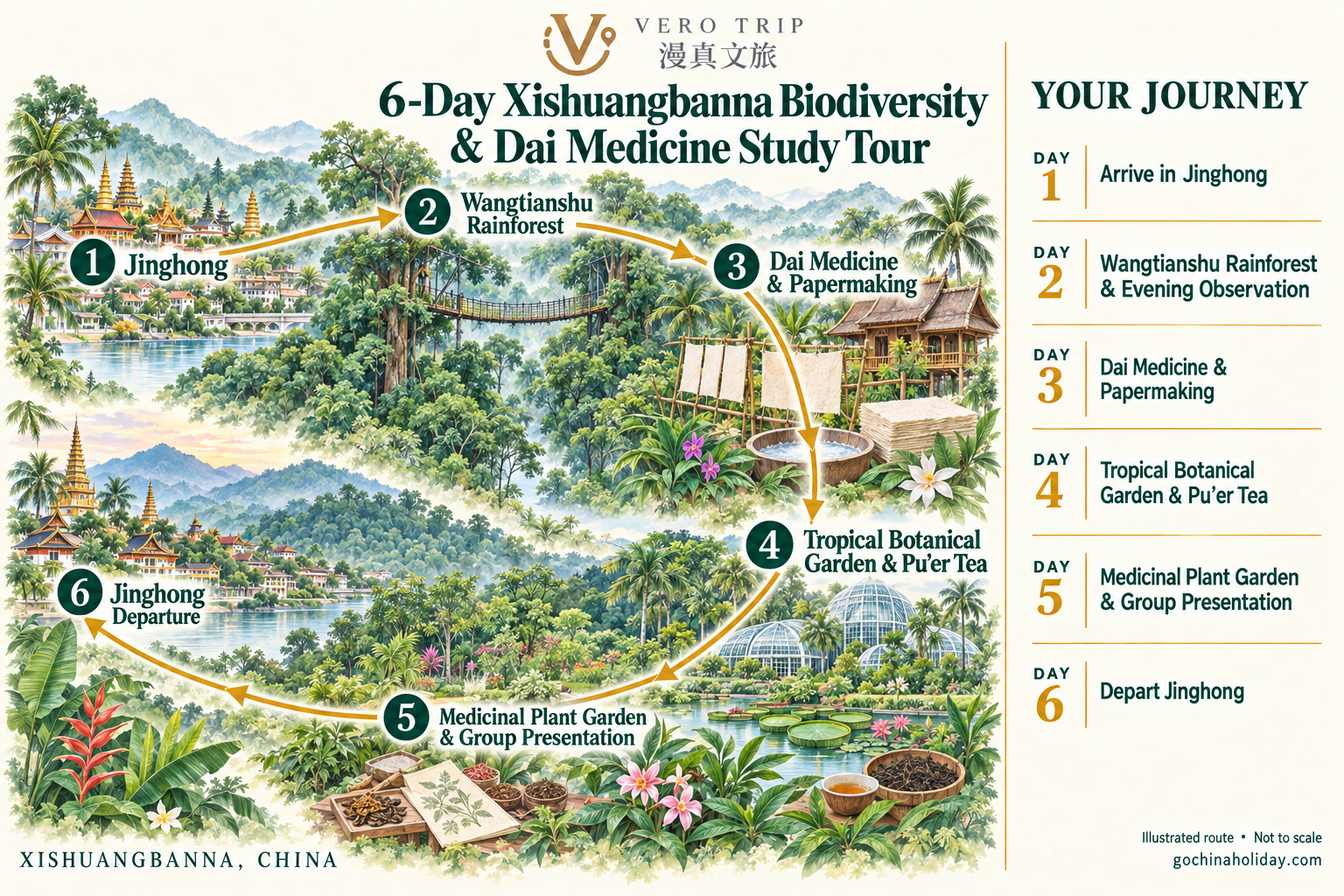
Route at a Glance
| Duration | 6 days / 5 nights |
|---|---|
| Route | Jinghong – Mengla – Menghai – Jinghong |
| Format | Private, date-specific educational program |
| Best for | Biology, ethnobotany, public-health and cultural geography groups seeking a tropical field program with practical sessions. |
| Working language | English, with local interpretation where required |
Why This Route Works
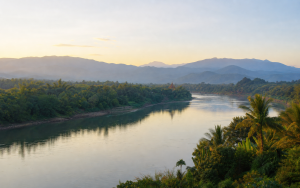
Xishuangbanna places protected rainforest, botanical research and living Dai traditions within a workable road circuit. The sequence moves from ecosystem observation to plant use and craft practice, so students can compare scientific classification with community knowledge.
Learning and Visit Highlights
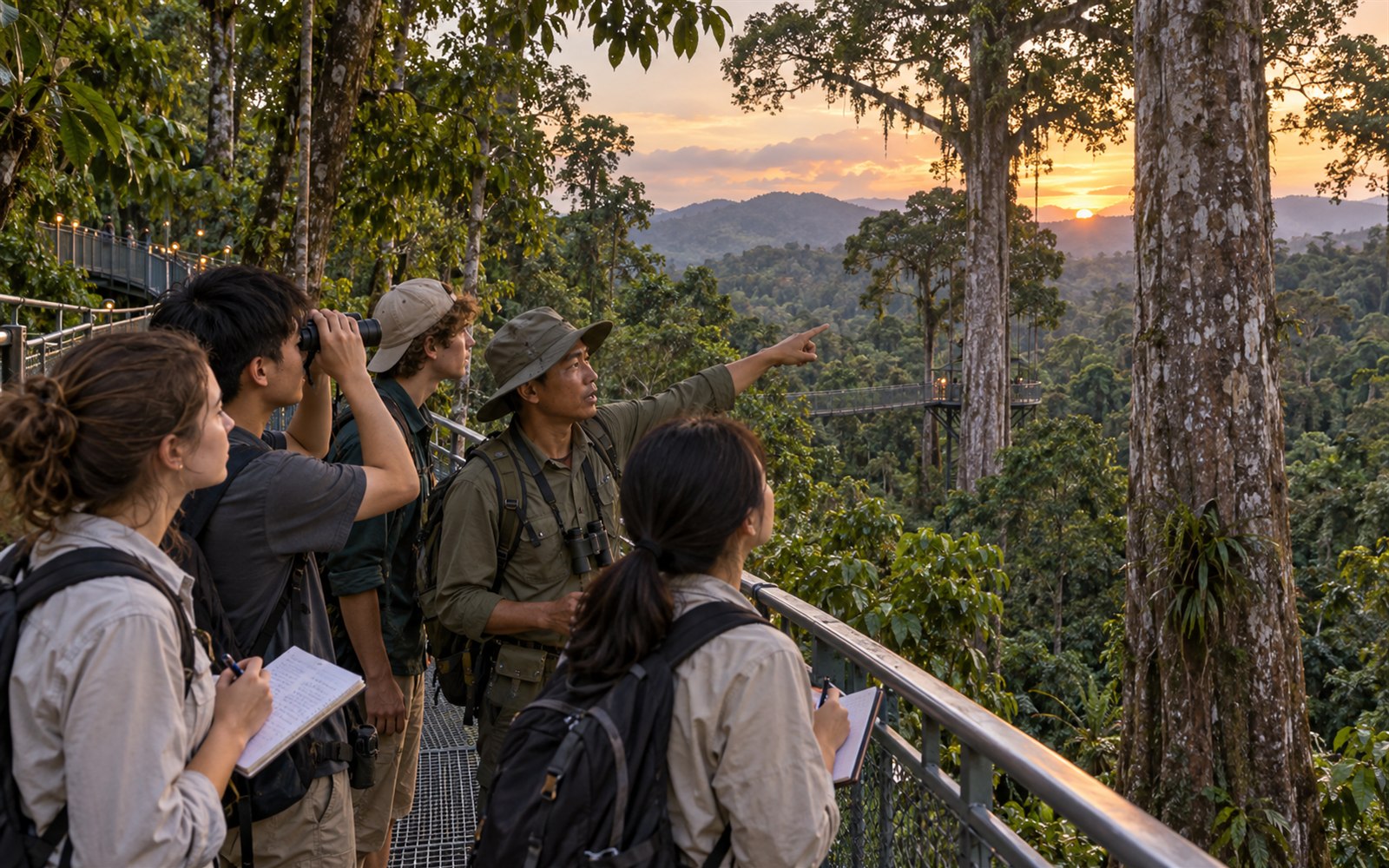
- Canopy and forest-floor observation near Wangtianshu
- Dai medicinal-plant interpretation with a local practitioner
- Traditional Dai papermaking in a community setting
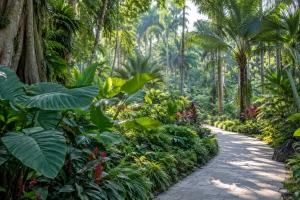
- Plant diversity study at the tropical botanical garden
Daily Program
- Day 1: Arrive in Jinghong
- Day 2: Wangtianshu Rainforest and Evening Observation
- Day 3: Dai Medicine and Papermaking
- Day 4: Tropical Botanical Garden and Pu’er Tea
- Day 5: Medicinal Plant Garden and Group Presentation
- Day 6: Depart Jinghong
How Company, School and Community Access Works
Visits are arranged for the specific group and date. The final proposal names the host, visitor route, discussion topic, group size, photography rules and any age or identification requirement. If a requested host cannot receive the group, we discuss a relevant alternative before the itinerary is issued.
Pace, Transport and Supervision
Each full day uses one main visit or two compatible half-day sessions. Road, rail and meal time are included in the working schedule. Student groups must provide participant ages, staff ratios, accessibility needs, allergies and emergency contacts before services are finalized.
What Is Included
- Private ground transport listed in the final program
- English-speaking local coordination and subject specialists as confirmed
- Admission and scheduled learning activities named in the final quotation
- Selected accommodation with breakfast for multi-day programs
What Is Not Included
- International and domestic flights or trains unless specifically quoted
- China entry documents, travel insurance and personal purchases
- Meals, talks, workshops or site access not named in the final quotation
- Optional activities and schedule changes requested during the trip
Frequently Asked Questions
Does the Dai medicine session provide medical treatment?
No. It is a cultural and ethnobotanical learning session. Personal diagnosis, prescriptions and claims of treatment are outside the program.
Is an evening rainforest walk always available?
No. Weather, site rules and guide availability determine whether it can operate. A daytime observation block replaces it when needed.
Which months are best for biodiversity study?
Different seasons show different plants, insects and rainfall patterns. The group should choose dates based on its research question and tolerance for heat and rain.
Can younger students join?
Yes, with shorter walks, stronger supervision and simpler field tasks. The standard academic format is best for older secondary or university groups.
Are community workshops private demonstrations?
They are scheduled with the host for the group. The final plan names the activity, group size and materials so expectations are clear.
Plan This Program
Send the travel window, participant ages or professional roles, group size, learning goals and preferred accommodation through Plan My Trip. Compare related programs in China Educational Study Tours.
Daily Itinerary
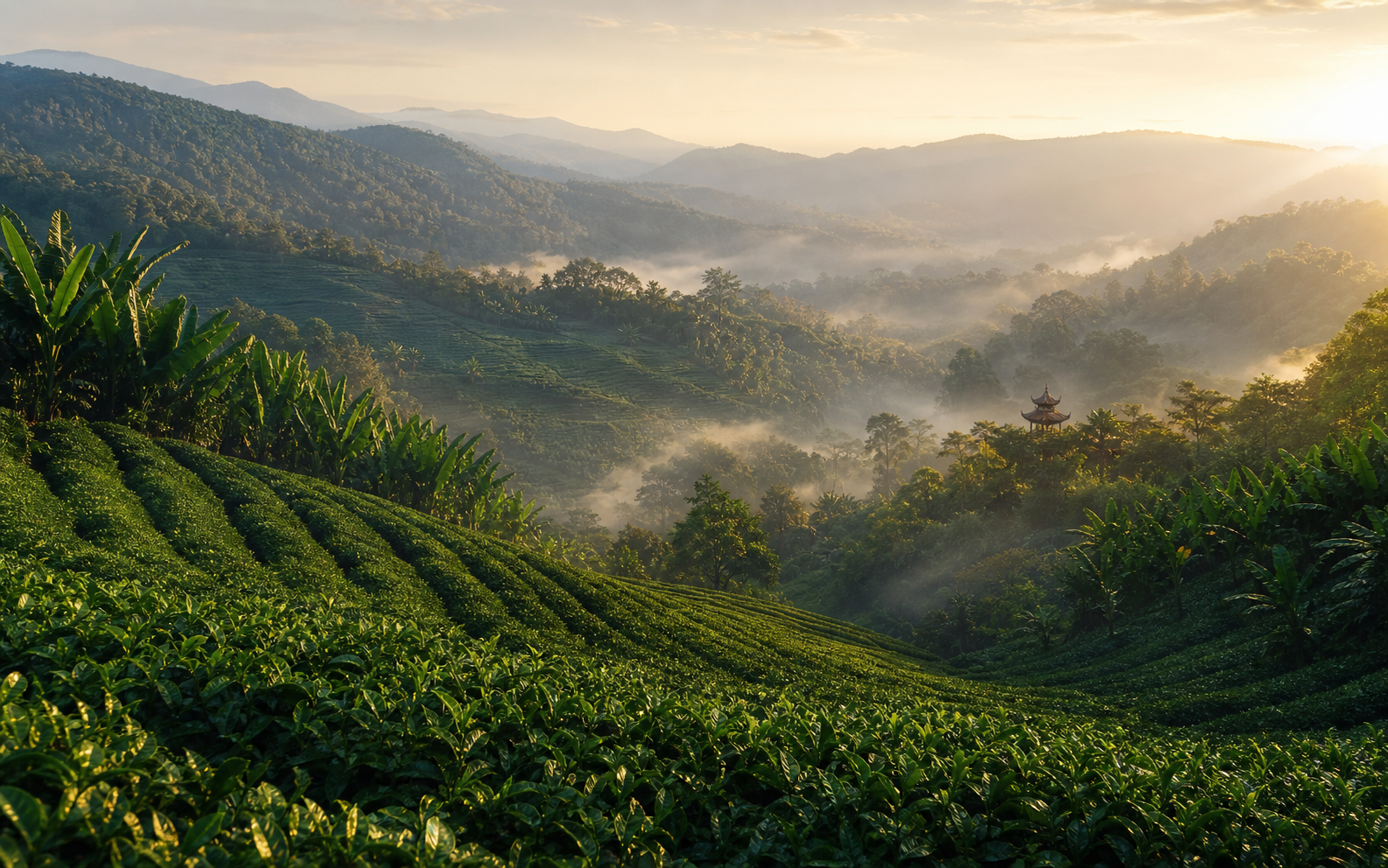
Meet the group in Jinghong, settle into the hotel and hold a short orientation on tropical field conditions, respectful photography and the week’s observation questions.
Learning focus: Introduce the biodiversity and Dai cultural themes for the journey.
Travel to the Wangtianshu area for a guided canopy and forest-floor walk. If conditions and site rules permit, add a controlled evening observation session focused on sound, insect behavior and safe use of light.
Learning focus: Compare canopy and forest-floor habitats through guided rainforest observation.
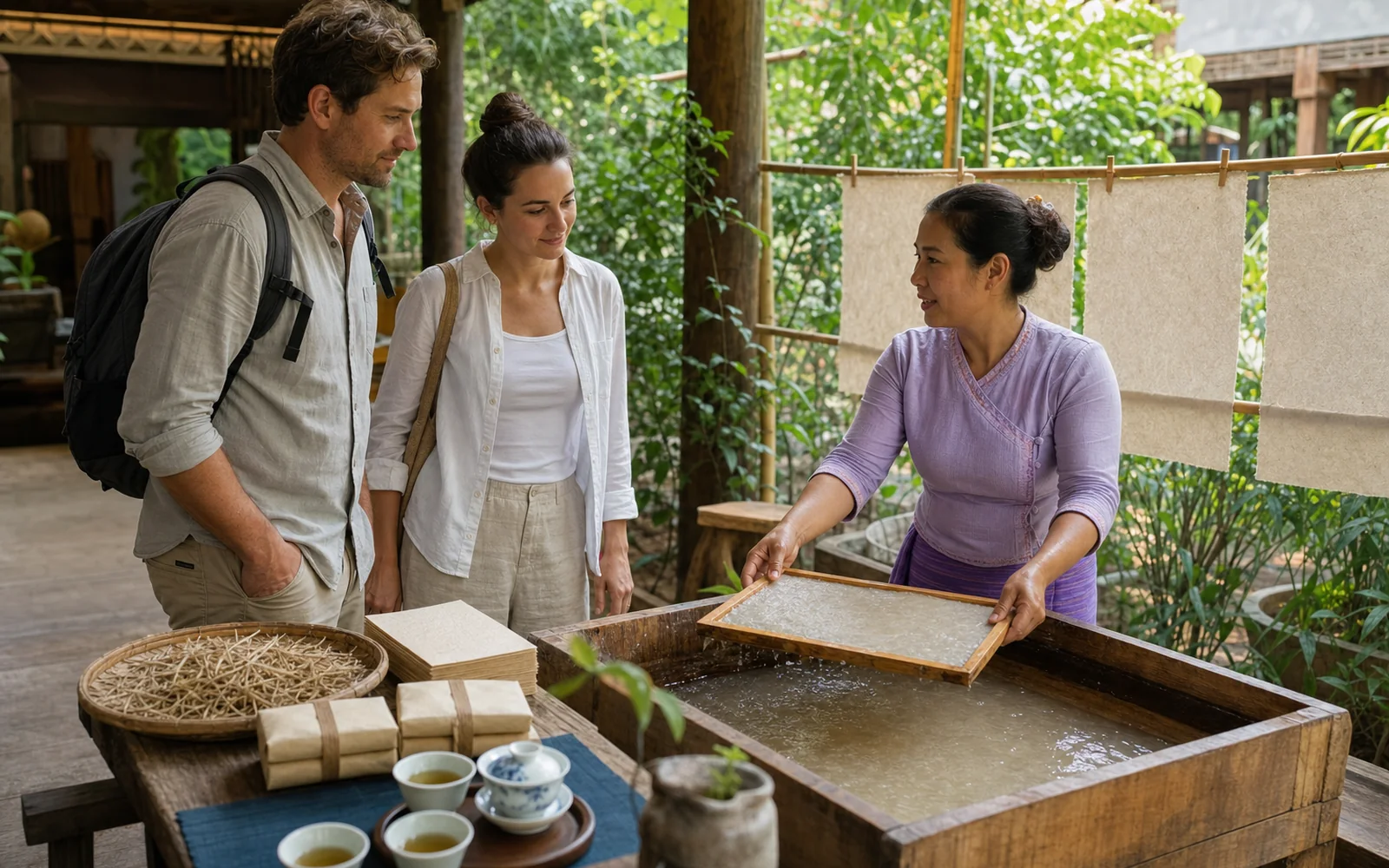
Meet an agreed Dai medicine practitioner or interpretation center to discuss plant identification, preparation traditions and the boundary between cultural learning and medical advice. Continue to a Dai community for a hands-on papermaking session.
Learning focus: Traditional Dai papermaking in a community setting.
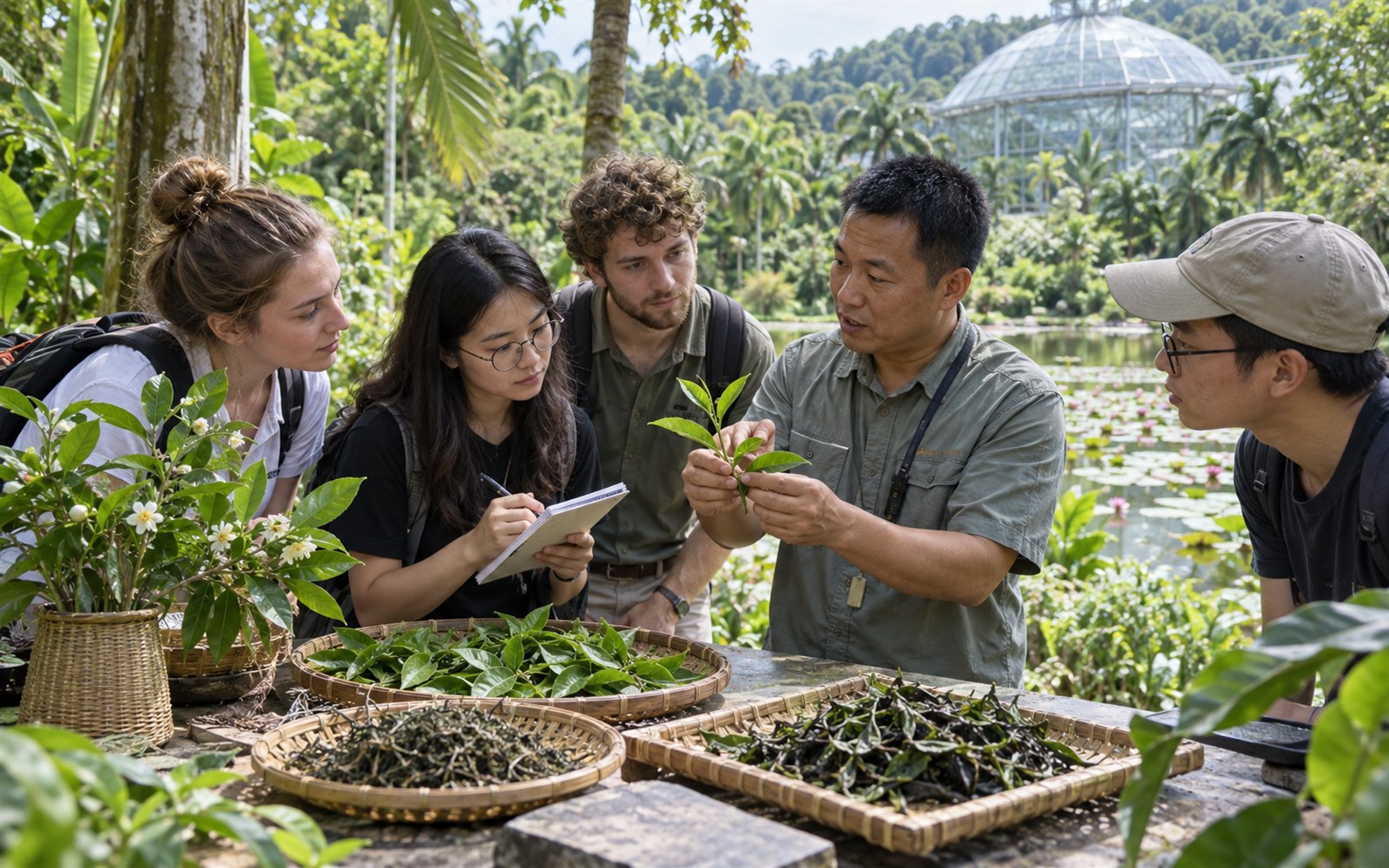
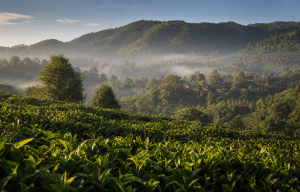
Use the garden’s collections to compare tropical plant families and conservation work, then join a scheduled Pu'er tea workshop that explains leaf handling, oxidation and tasting vocabulary.
Learning focus: Plant diversity study at the tropical botanical garden.
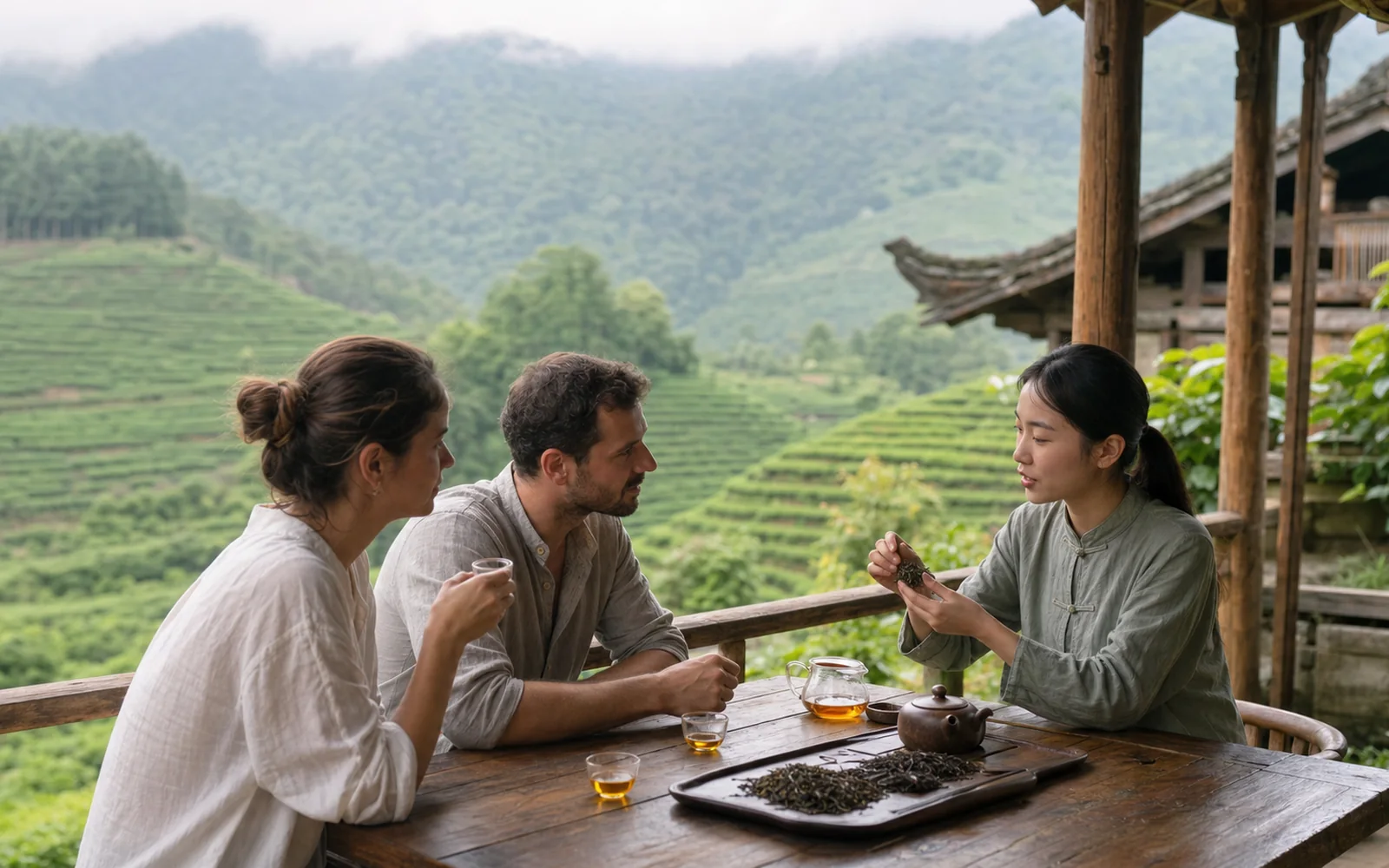
Visit a medicinal plant garden or comparable institution confirmed for the date. Students organize field notes into a short presentation comparing research, community practice and responsible tourism.
Learning focus: Connect medicinal-plant interpretation with the group presentation.
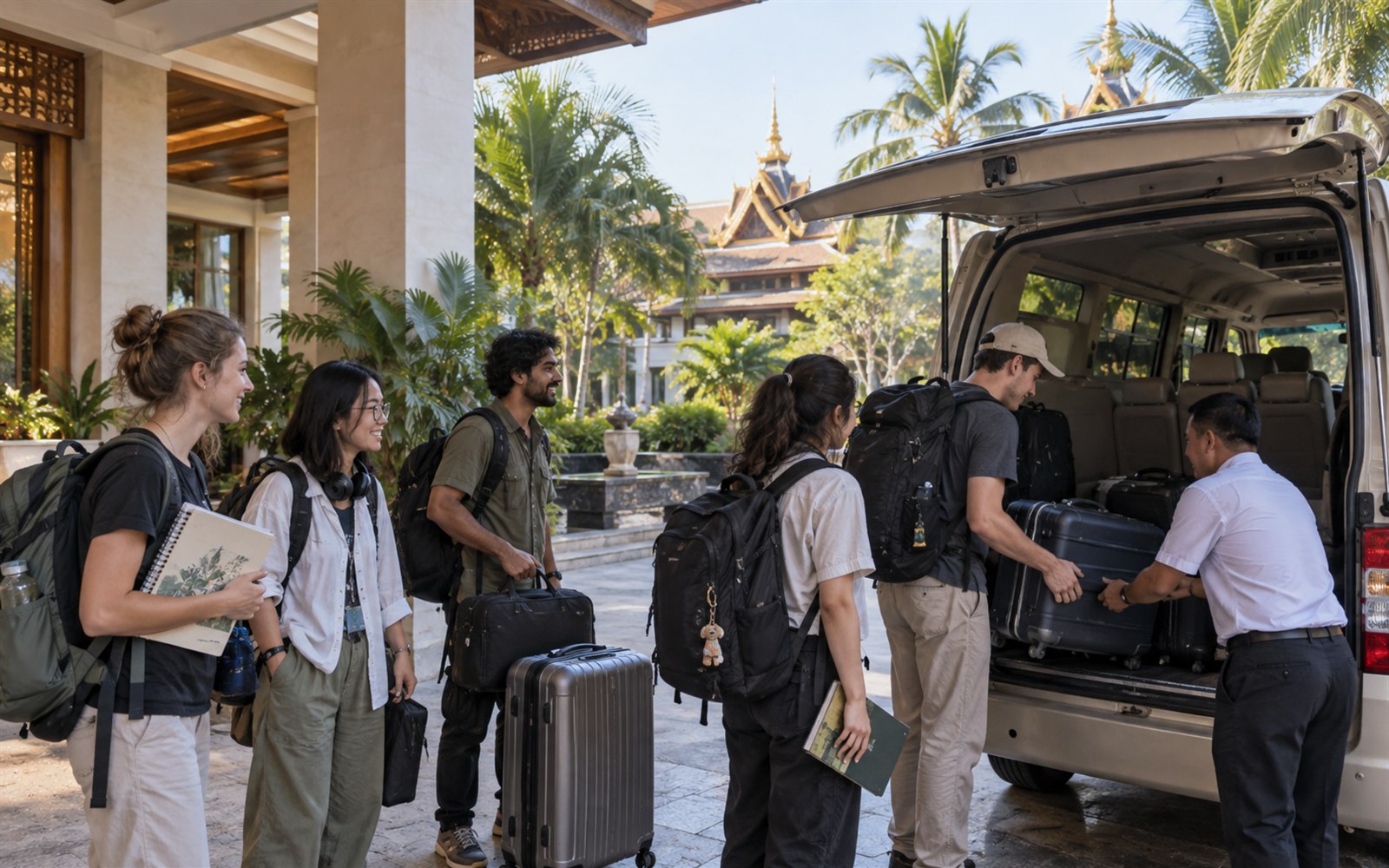
Transfer to the airport or station. Groups extending to Pu'er can replace the departure transfer with a private road connection.
Learning focus: Review the field notes and cultural observations before departure.