15-Day Northeast China Self-Drive Tour
Overview
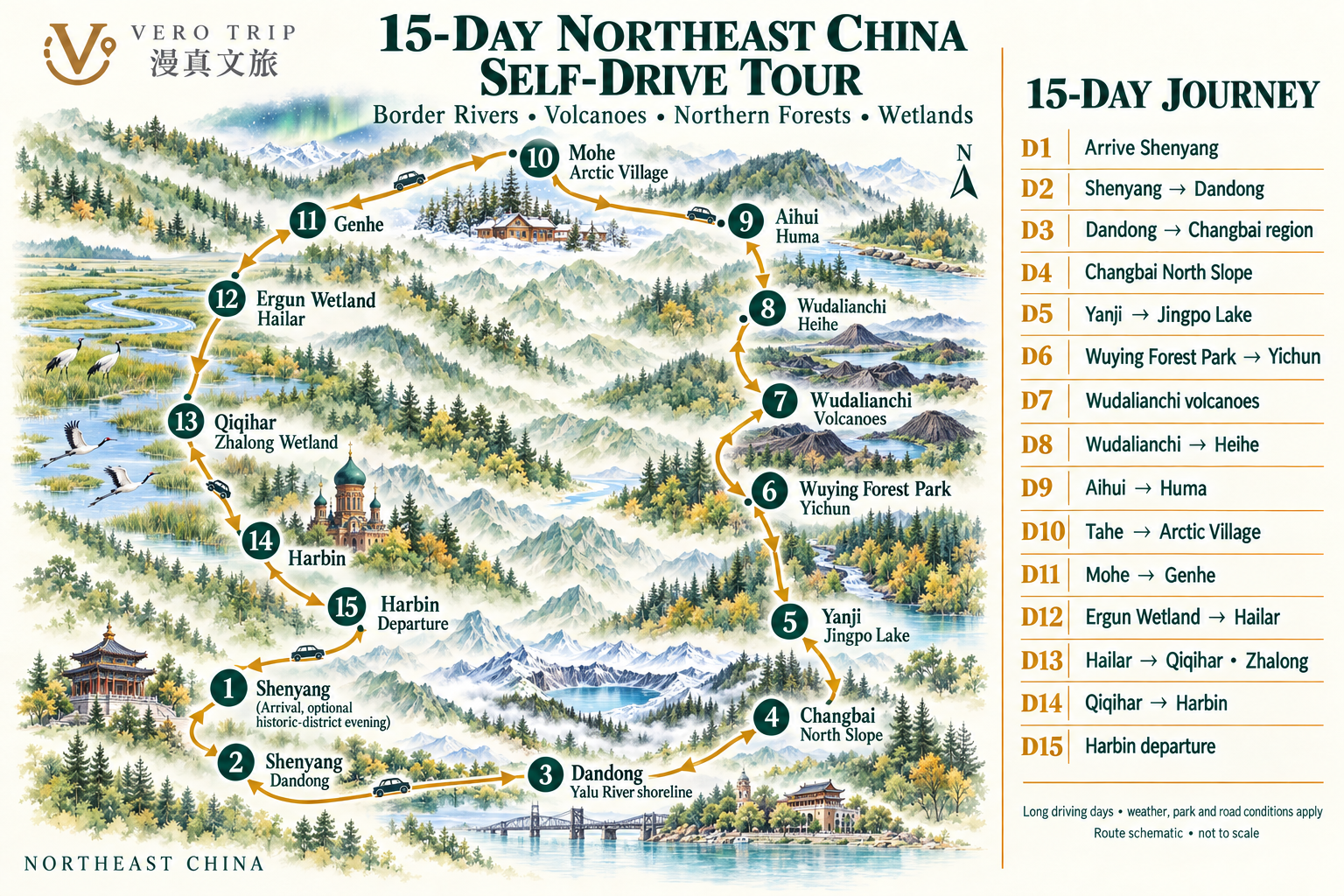
This fifteen-day northeast China road journey covers a large region from Shenyang and Dandong to Changbai Mountain, Mohe and Hulunbuir before finishing in Harbin. Several stages are intensive driving days, especially the move into Yichun’s forests and the northern crossings. Confirm the driving arrangement, longest stages and overnight bases; scenic walks on those days must fit the actual road timing.
Your Route Map
Before you book
The dated proposal confirms the transport, guiding, accommodation, included admissions and meals. Share walking preferences and arrival or departure details before that plan is finalised, particularly where sightseeing and a long transfer share the same day.
Explore the destinations
Shenyang travel guide · Dandong travel guide · Baishan travel guide · Yanji travel guide
Daily Itinerary
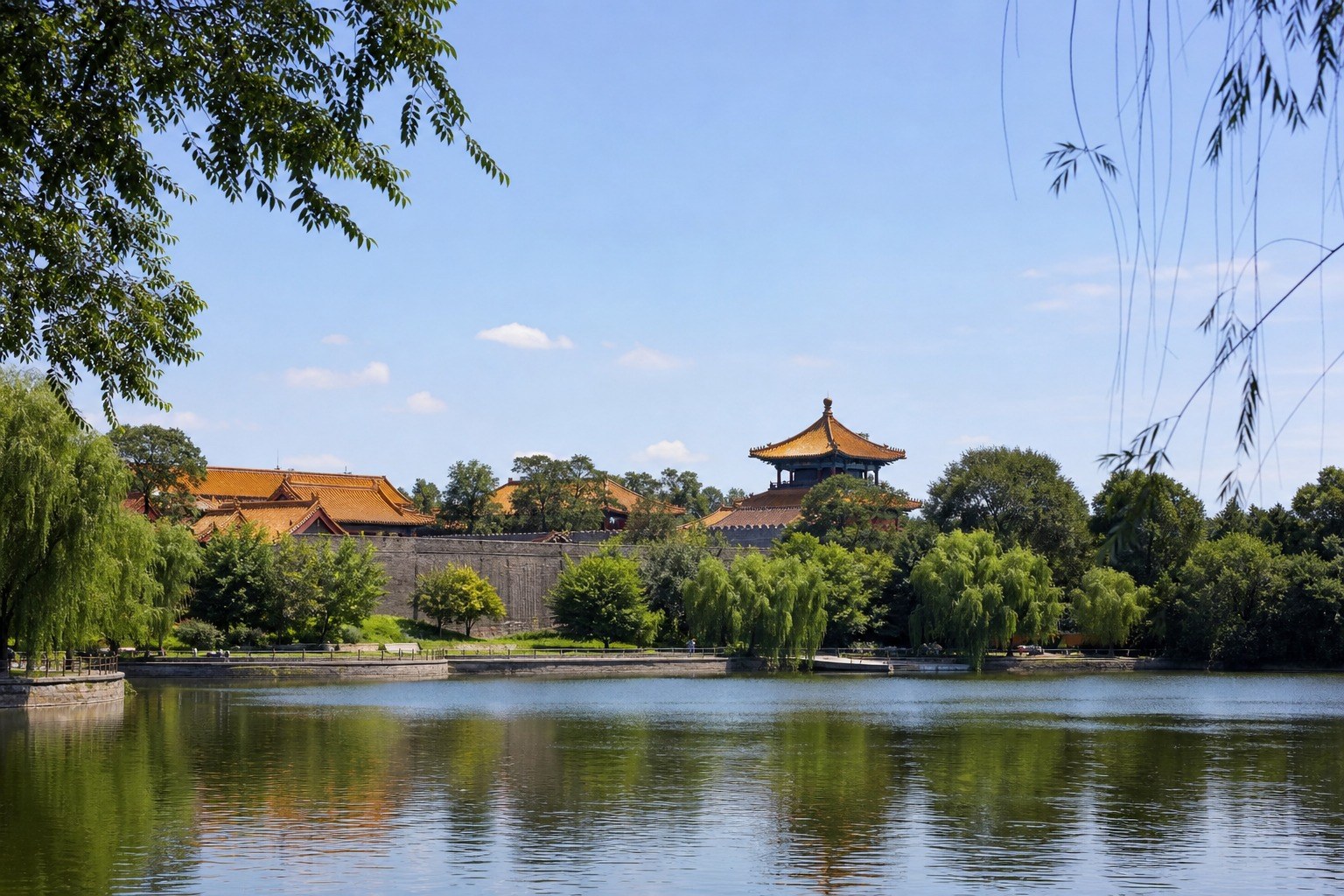
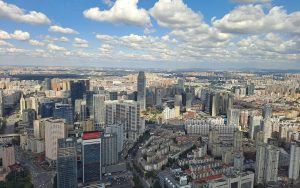
Arrive in Shenyang and meet the local support team. A professional driver is provided only if that version is included in the confirmed proposal. Settle in before an optional evening walk in the historic commercial district.
Before the road journey begins, confirm the vehicle, luggage space and driving arrangement in your proposal. Keep the evening optional so a late flight does not interfere with the next day's departure.
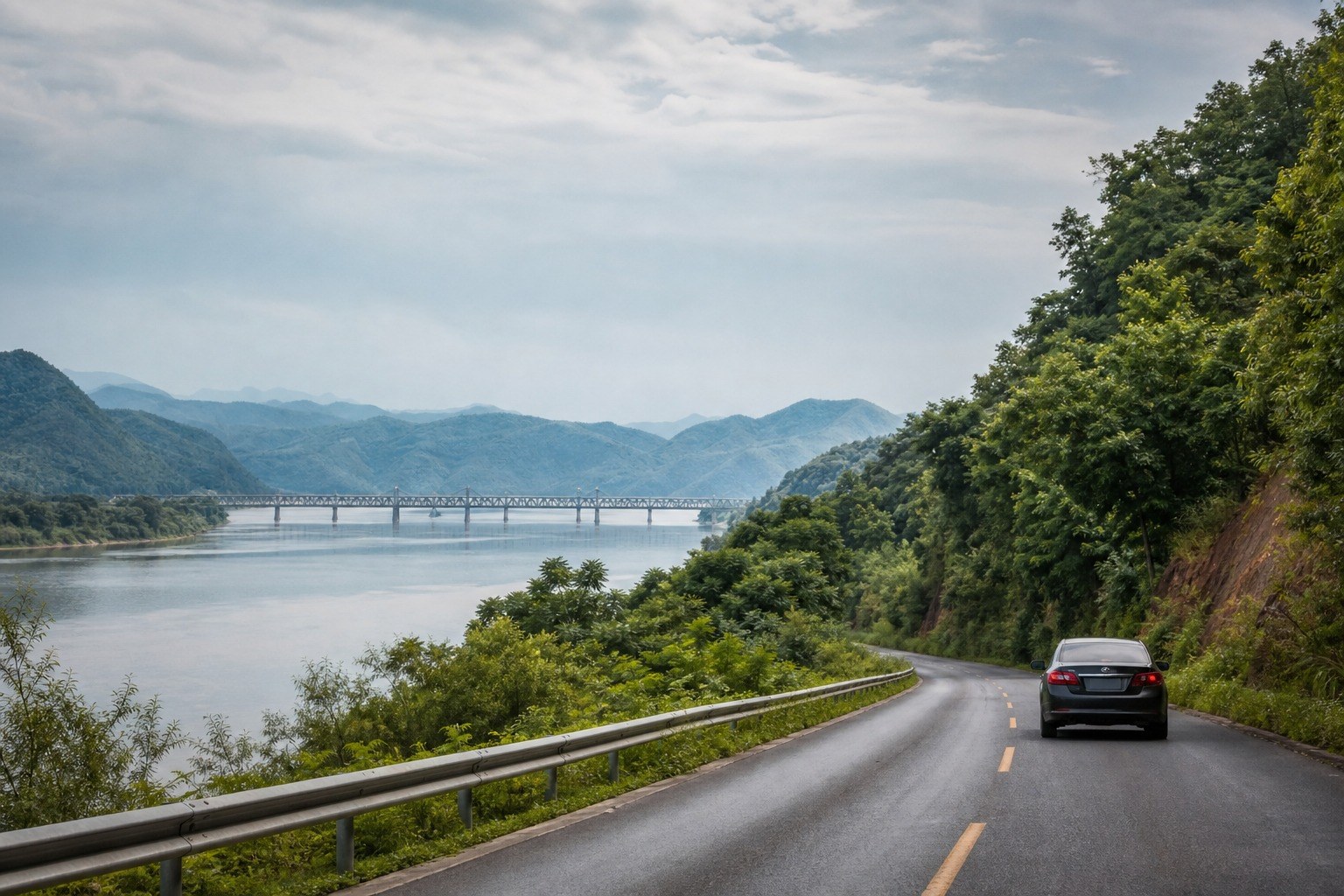
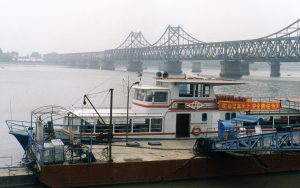
Travel to Dandong, with time to discover the city’s riverside setting and relaxed local streets.
Use the afternoon for a manageable waterfront walk after the transfer. The riverfront programme stays on the Chinese side; no cross-border visit or river activity is assumed without a separately confirmed arrangement.
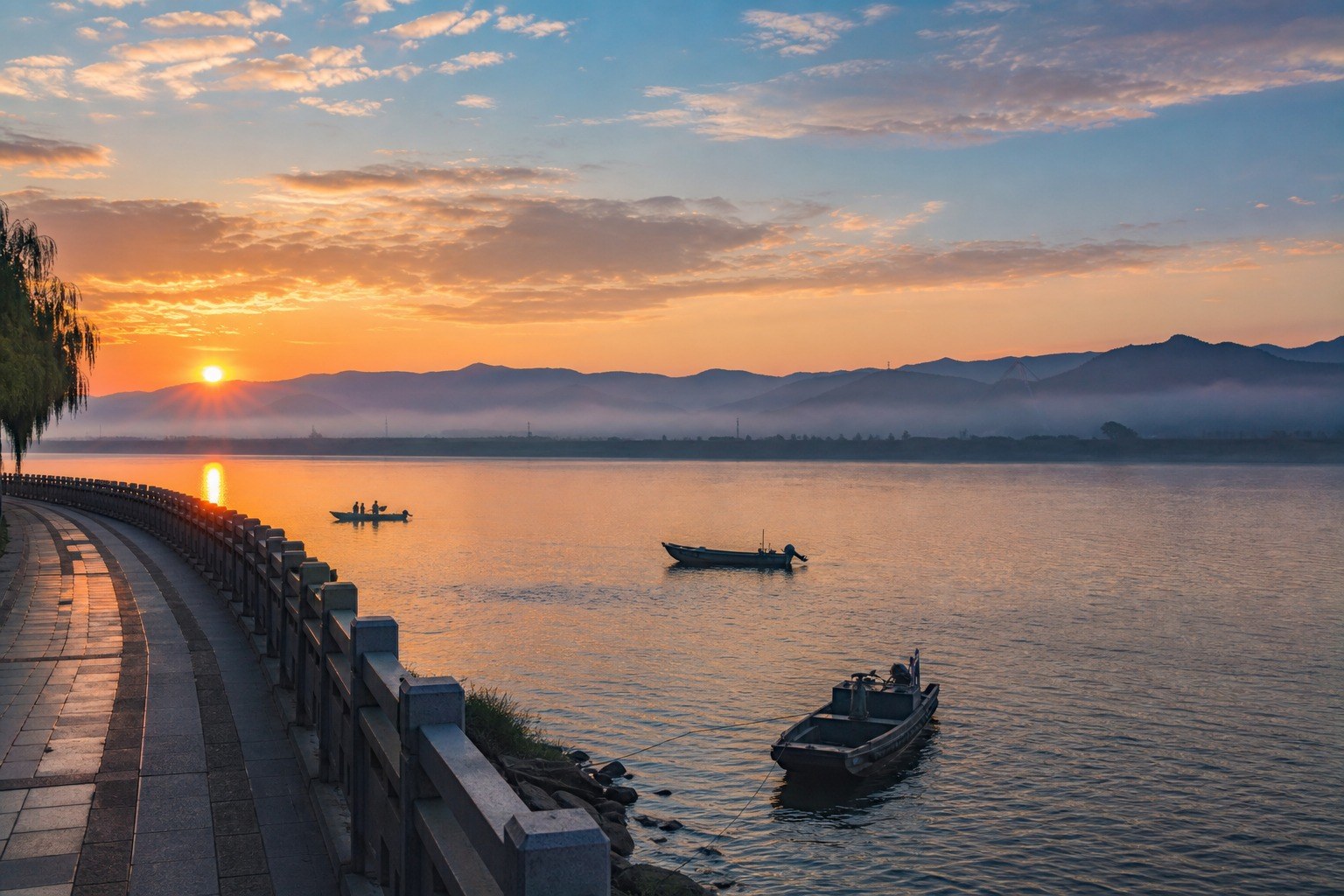
Explore the Yalu River shoreline and Dandong’s border landscapes, then continue north toward the Changbai Mountain region.
This combines sightseeing with a substantial onward road stage. Agree the priority waterfront stops before departure and keep the evening flexible; the overnight base near Changbai Mountain must be specified in the final driving plan.
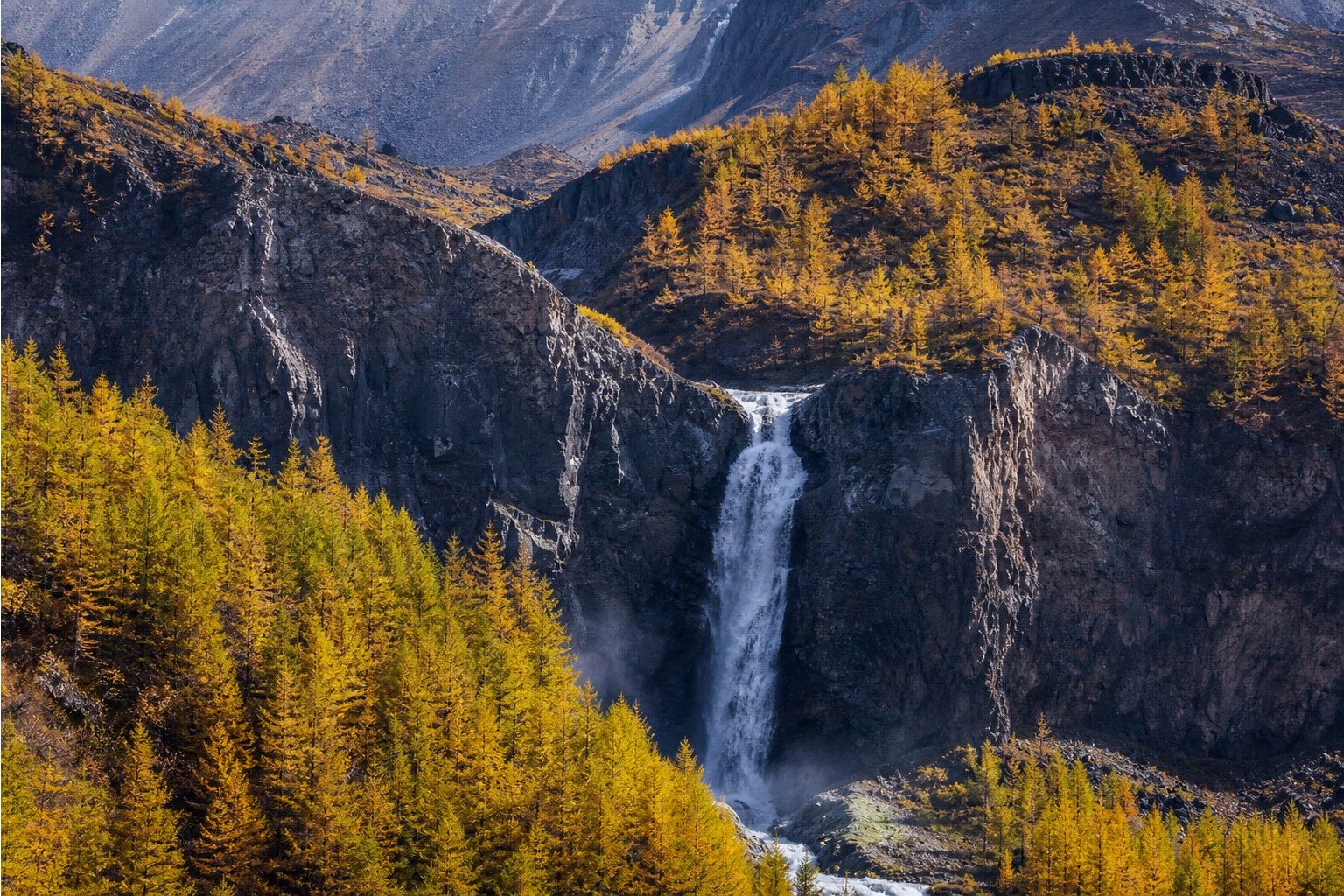
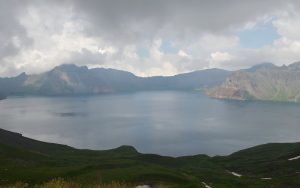
Visit Changbai Mountain’s North Slope, including Tianchi viewpoints, waterfalls, volcanic forest and geothermal features where conditions allow.
The scenic area uses controlled access and local transport, and Tianchi visibility is weather-dependent. Select a practical sequence for the group rather than promising every feature. A closed viewpoint should be replaced with an available lower-level visit.
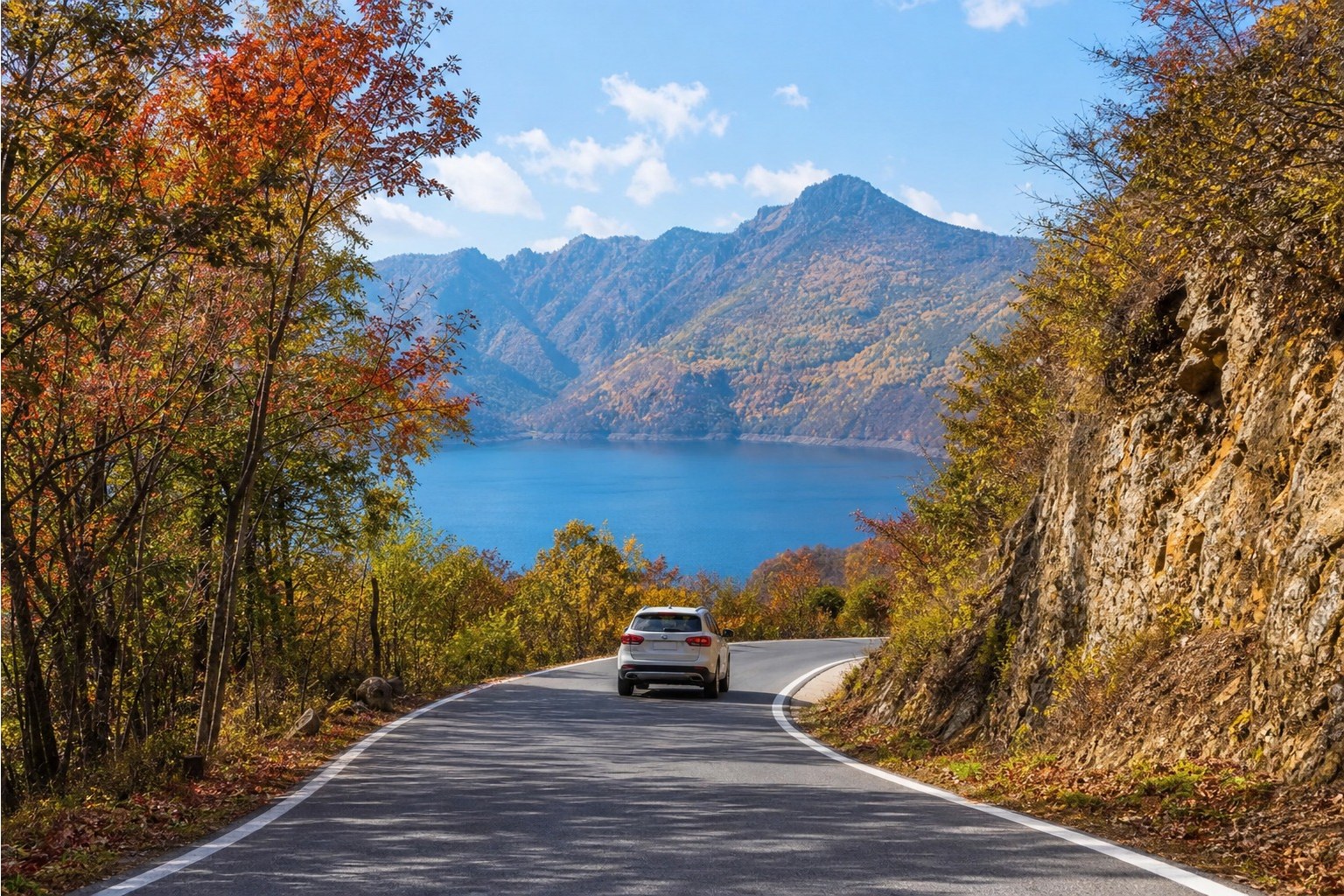
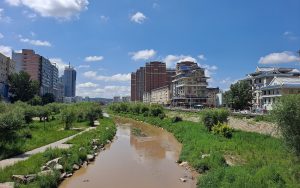
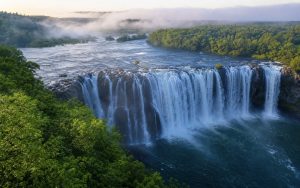
Travel via Yanji to Jingpo Lake, stopping for volcanic shore scenery and the Diaoshuilou Waterfall area.
Leave sufficient time for the road journey and choose the lake stop according to the arrival time. Waterfall flow and accessible paths vary by conditions, so the visit should not rely on a particular water level or display.
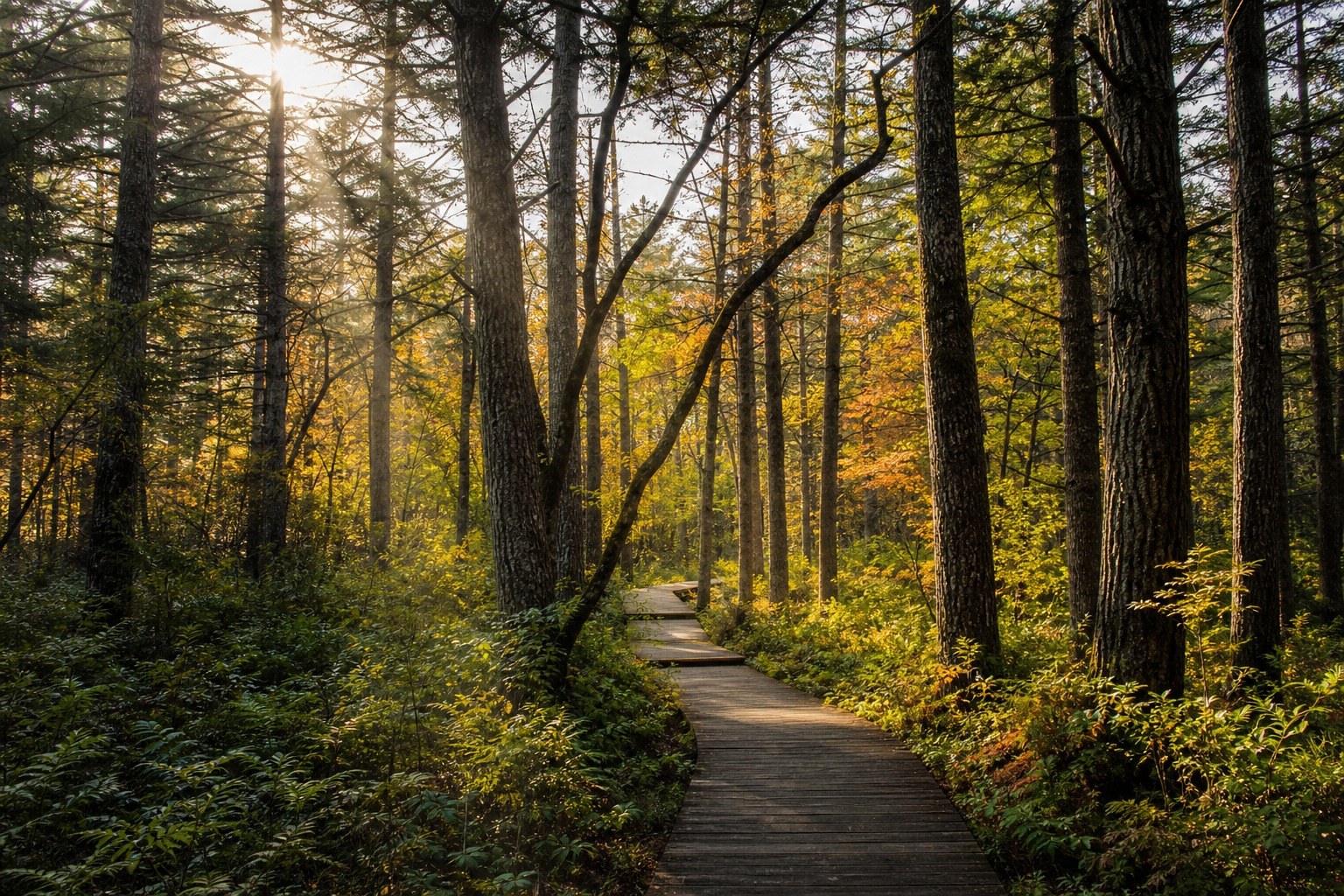
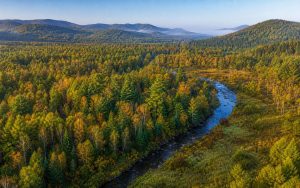
Drive through the Xiaoxing’anling range to Wuying Forest Park and enjoy its ancient Korean pine forest before continuing to Yichun.
This is one of the route's intensive driving stages. The Wuying walk should depend on arrival time and park access; if the transfer runs late, shorten or reschedule the forest visit in the final proposal rather than promise a rushed full circuit.
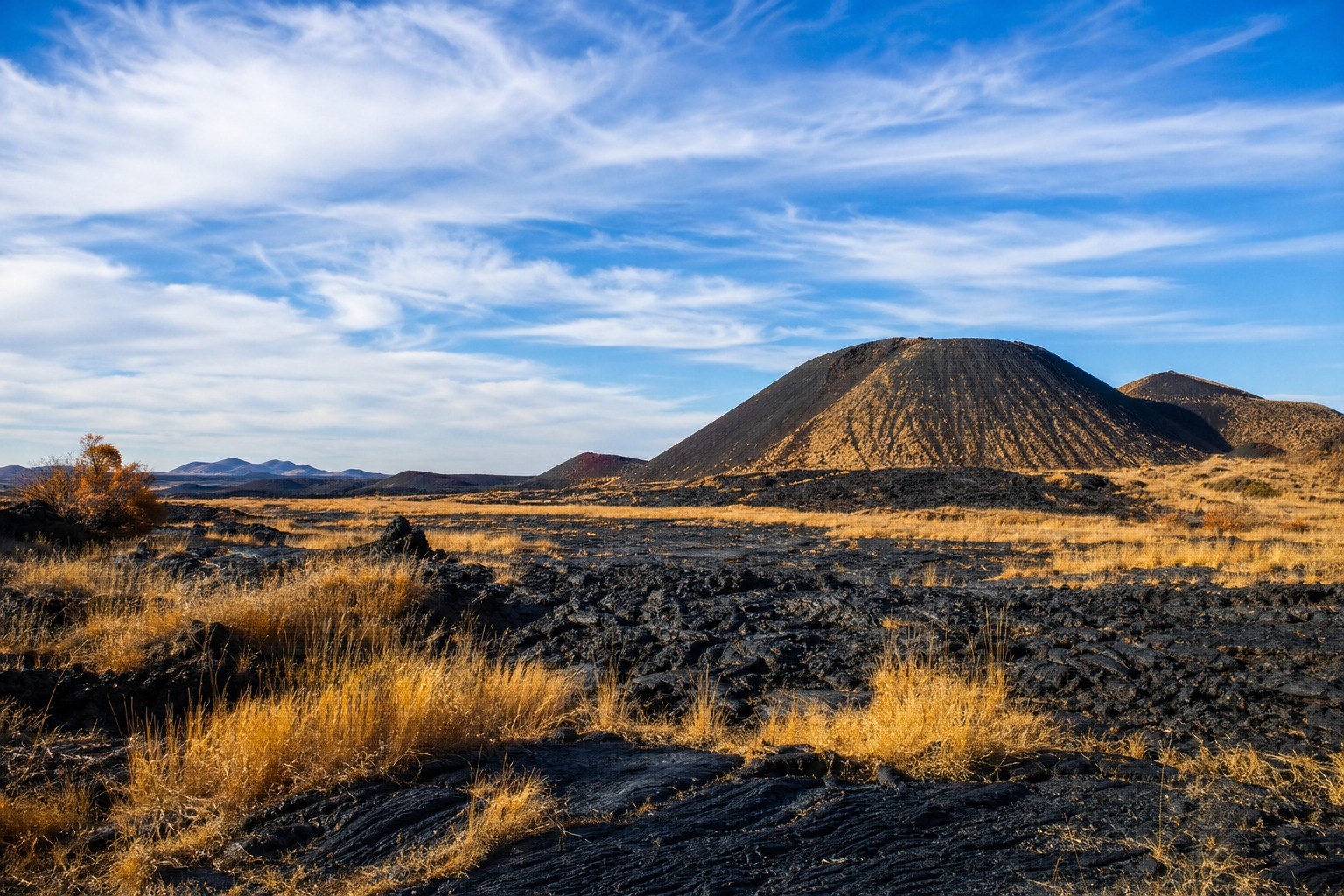
Discover Wudalianchi’s dormant volcanic cones, mineral springs and lava landscapes.
Agree the scenic areas and walking routes before entering, as the volcanic landscape covers more than one possible stop. Mineral-spring references describe the landscape and local heritage, without making health or treatment claims.
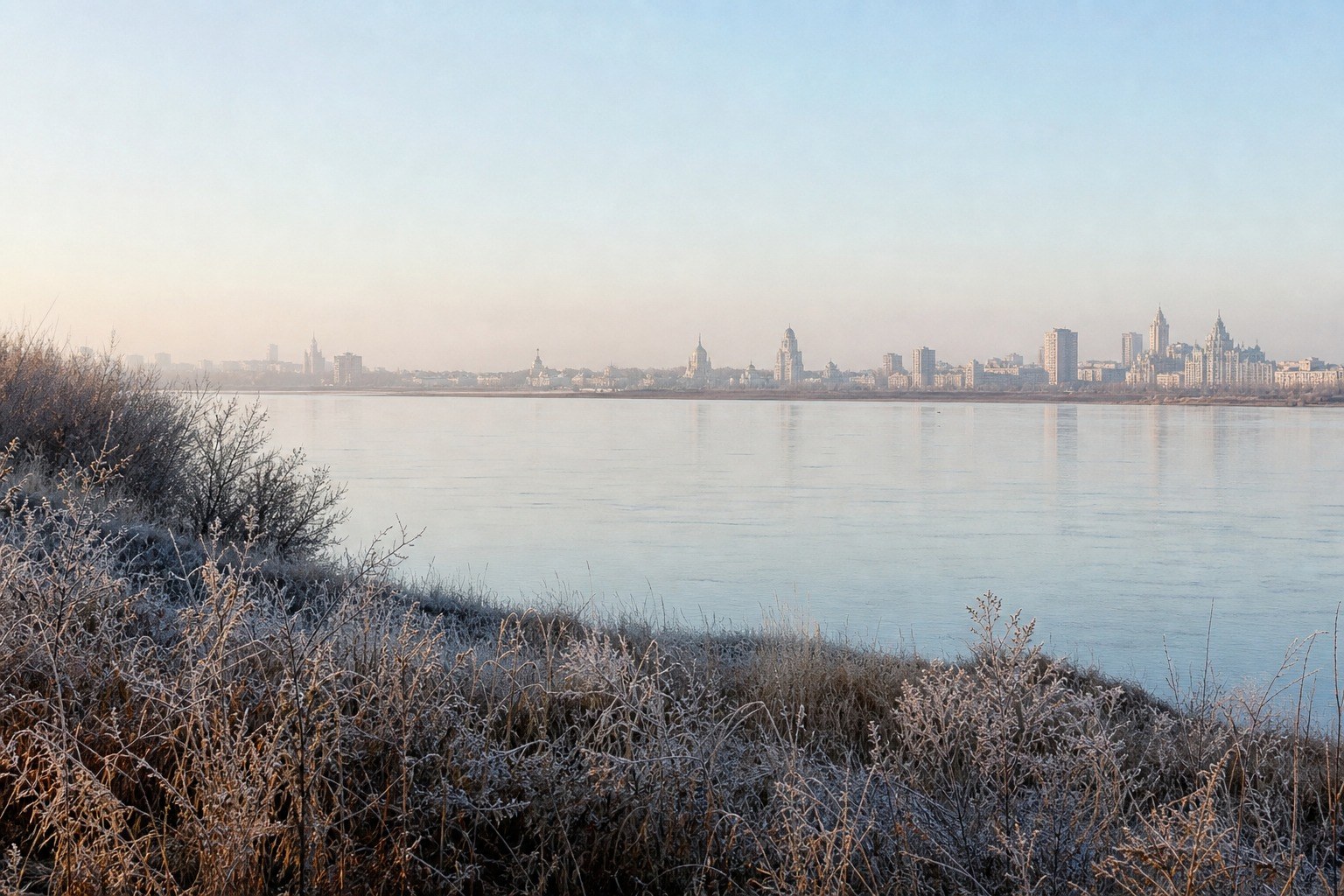
Explore additional Wudalianchi viewpoints before driving north to Heihe.
Balance the additional viewpoints with the northbound transfer time. Keep luggage ready for the hotel change and leave space for road breaks, so arrival in Heihe does not depend on completing every optional stop.
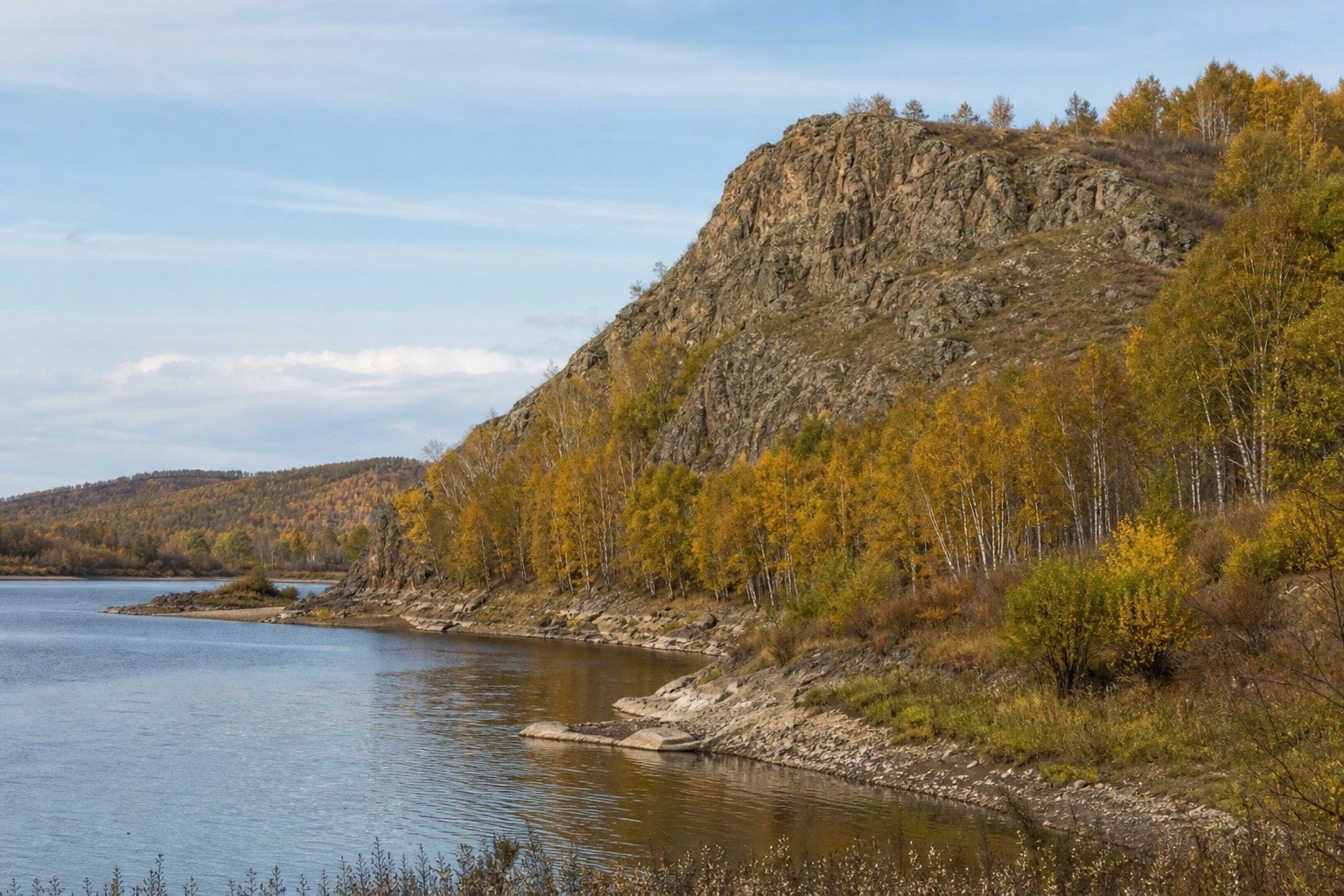
Visit historic Aihui and the Heilongjiang borderland on the way to Huma.
Allow time for the heritage visit before continuing along the road route toward Huma. The final plan should name the actual sightseeing access and overnight base; border-river scenery does not imply entry into restricted or international areas.
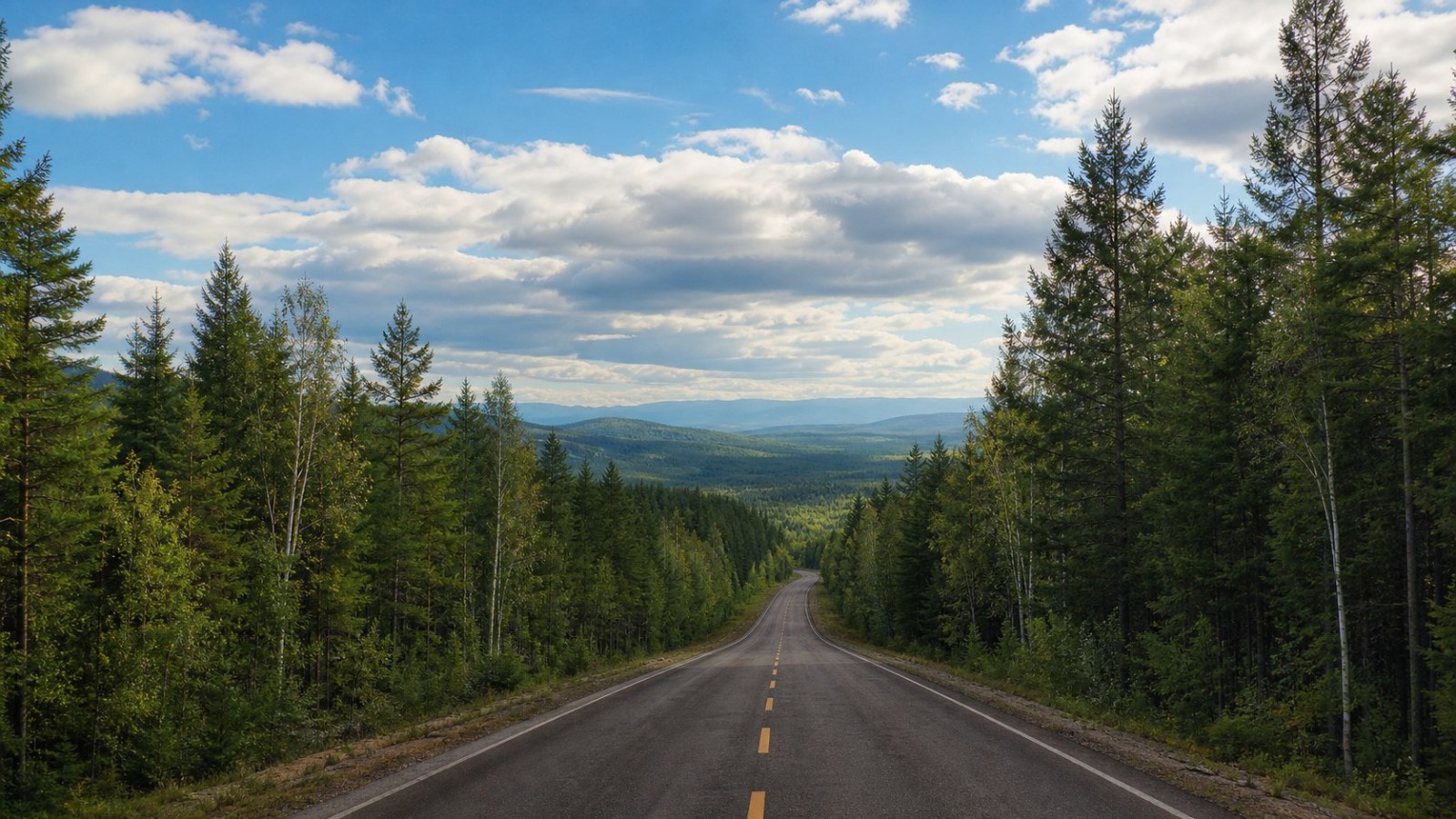
Follow the northern route through Tahe to Mohe Arctic Village, with time at the riverbank and northernmost landscapes.
This is a long northern travel stage, so the amount of sightseeing on arrival depends on the road journey. Keep expectations focused on the river and settlement landscape; northern lights or other rare natural events are not promised.
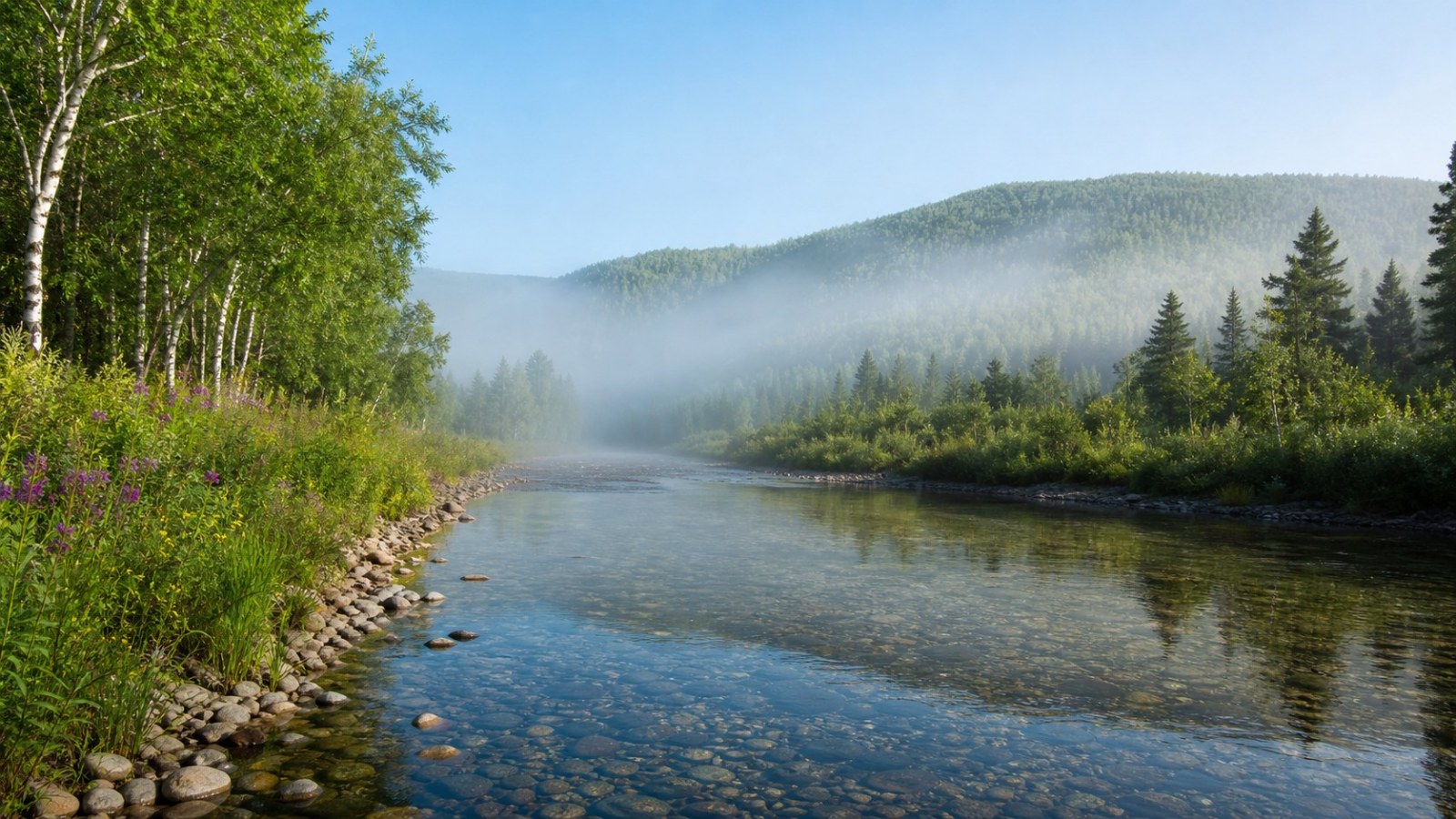
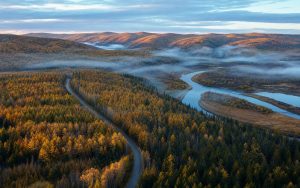
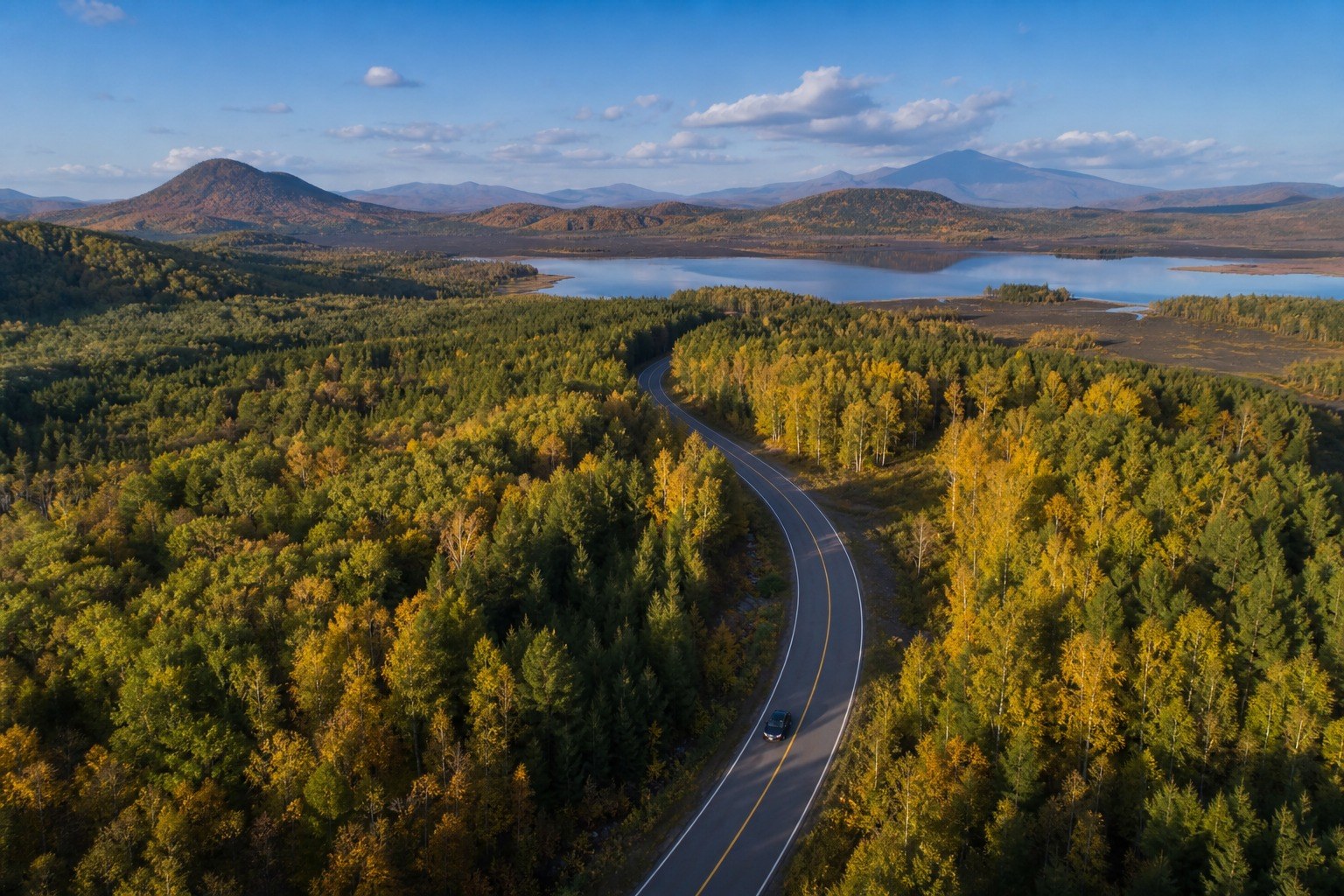
Travel through birch forest and river-country scenery from Mohe to Genhe.
Treat the forest crossing primarily as a driving day with planned fuel, meal and comfort stops. Stop only at suitable accessible viewpoints, and leave the arrival evening free rather than adding a fixed activity after the journey.
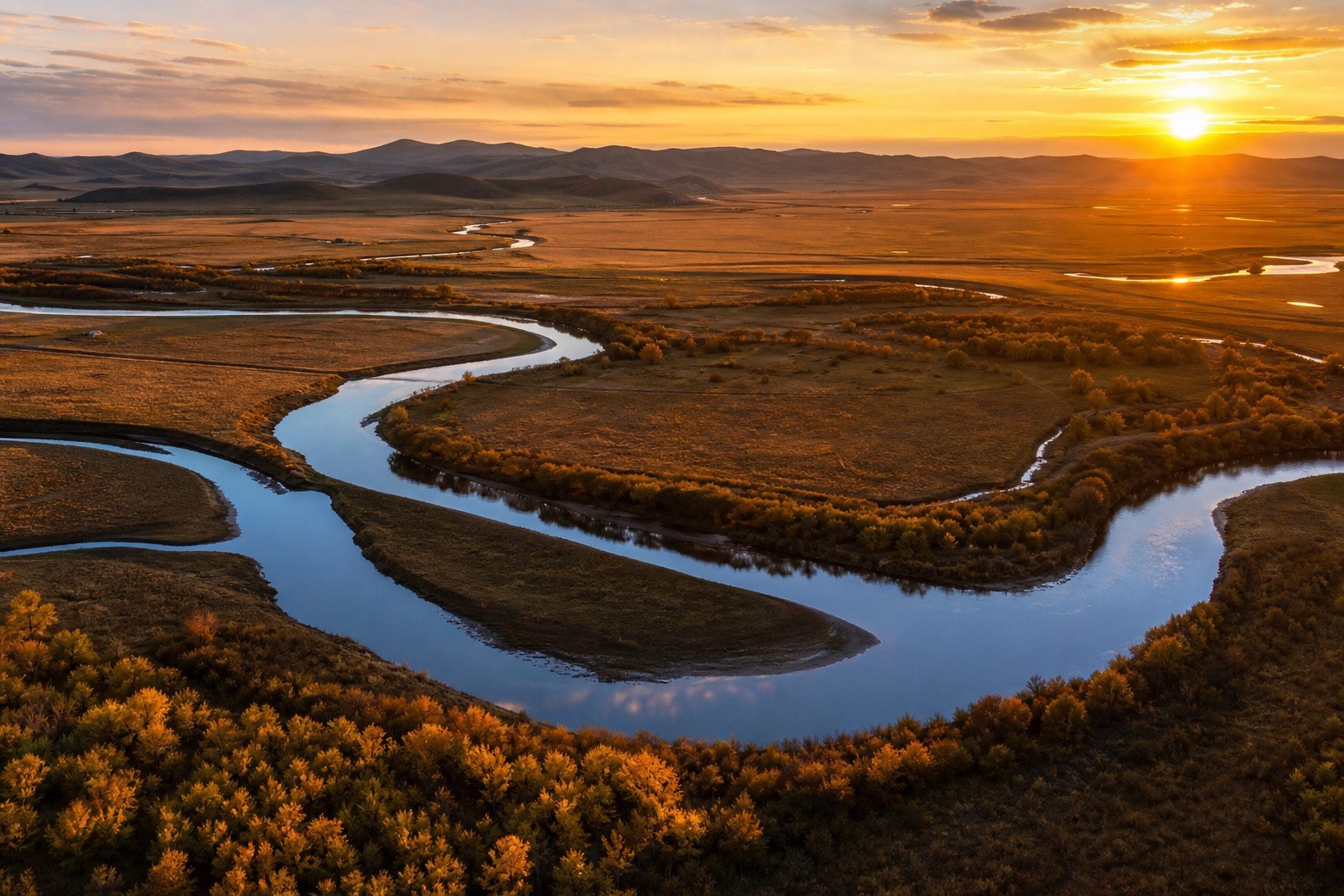
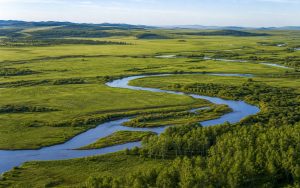
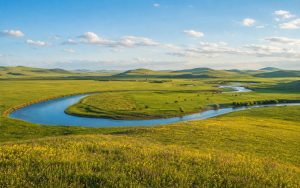
Cross the Hulunbuir interior via Ergun Wetland and arrive in Hailar.
Check the wetland viewing route and any scenic transport before arrival. The day shares time between sightseeing and the transfer to Hailar, so select a manageable viewpoint walk and leave a margin for the final road section.
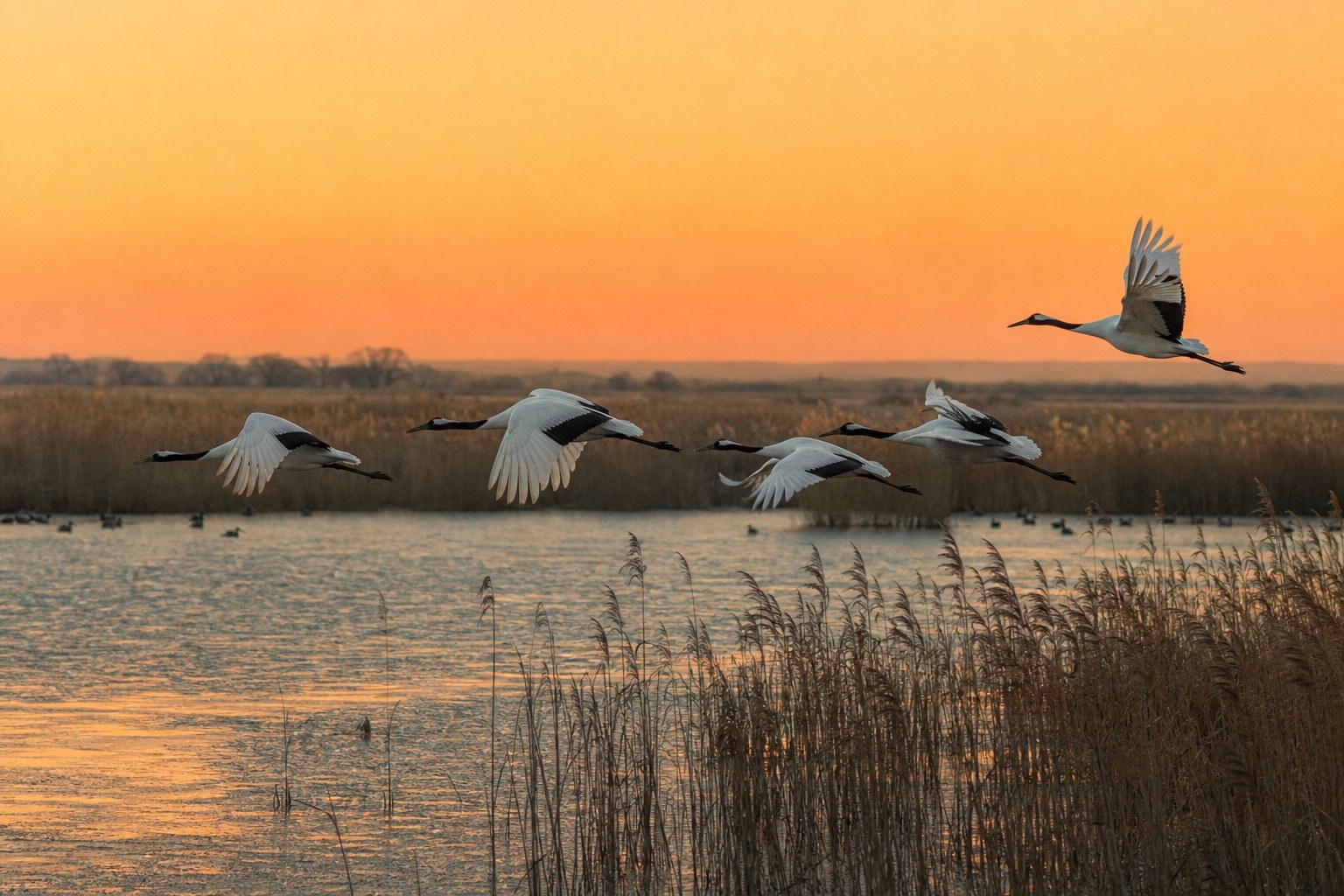
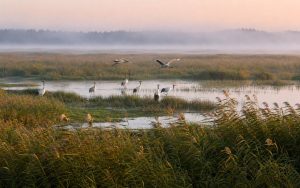
Continue south-east to Qiqihar and visit the Zhalong wetland landscapes when seasonal conditions permit.
The transfer should come first when setting the day's timing. A Zhalong visit depends on a suitable arrival and the available viewing arrangements; birds are wildlife, and a particular sighting or display is not guaranteed.
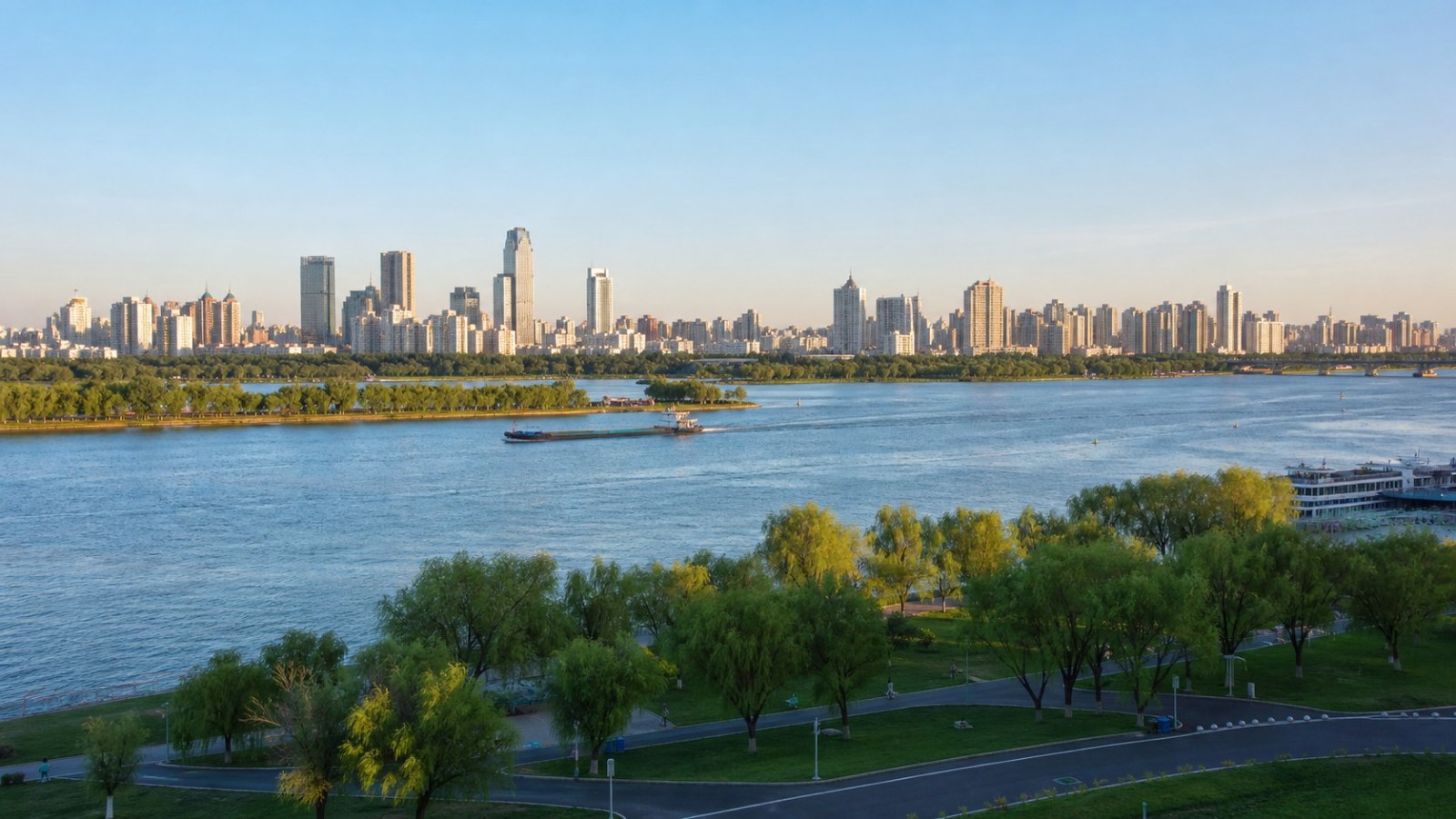
Travel to Harbin for an unhurried final evening in the city.
Use the drive to conclude the regional road section, with rest stops along the way. Any evening walk in Harbin remains flexible after check-in; a named attraction or meal is included only when confirmed in the proposal.
Your private road trip ends in Harbin with a transfer to the airport or railway station.
Share the onward ticket details before the final programme is issued. Allow time for luggage and the airport or station transfer, and arrange any additional Harbin sightseeing as an extension rather than fitting it into a tight departure window.