Weishan Ancient Town works best as a dedicated cultural day from Dali, with enough time for a street walk, a bowl of rice noodles and a courtyard break. Stay overnight if breakfast and an unhurried second walk matter more than returning to the lakeside. Adding Weibaoshan changes the trip: give the mountain its own substantial block rather than squeezing it between lunch and a tightly booked return train.
This guide covers the old town in Weishan County, south of Dali. It is a different destination from Dali Old Town. Use the town as the main purpose of your outing, then choose transport around your accommodation and return plans. A short rail journey, where available, is only one part of the hotel-to-town journey.
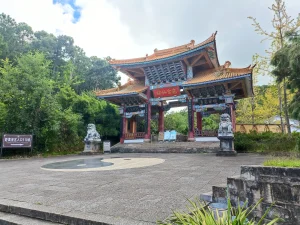
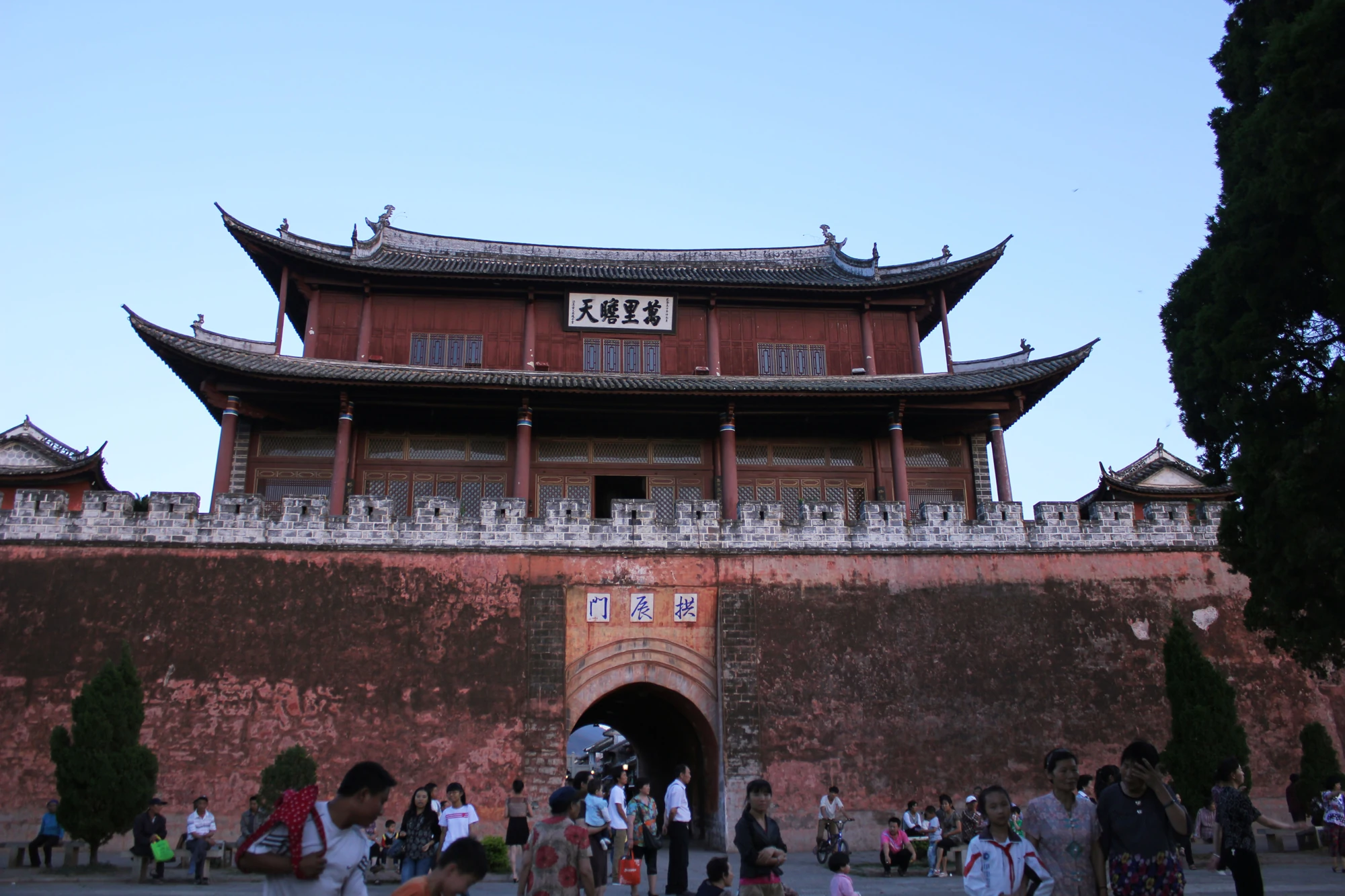
About the photograph: Gongchen Gate photographed by Zhangmoon618 on 12 June 2013, before the tower’s 2015 fire and subsequent reconstruction. This archival image shows its appearance at that time, not the current condition of the building. Original photograph and provenance, licensed under CC BY-SA 3.0. Existing adaptation: proportional resize to 2000 × 1333 pixels and WebP conversion; no scene alteration. The adapted photograph is shared under the same license.
Choose a day trip, an overnight stay or a mountain extension
Start with the experience you want to keep. If that is walking the town and trying its food, one well-planned day can be satisfying. If it is watching the morning routine without travelling first, an overnight stay gives that routine room. Neither choice requires collecting every temple, shop and lane.
| Visit style | Suggested rhythm | Main planning boundary |
|---|---|---|
| Old-town day from Dali | Arrive, walk between the town landmarks, eat a seated meal, then choose one courtyard or craft stop. | Allow both station or road transfers and a return margin. Cut a stop before cutting the connection buffer. |
| One night in Weishan | Explore after arrival; keep the following morning for breakfast and a shorter walk before departure. | Check the actual room location, access with luggage and departure transfer. A courtyard photograph does not establish room facilities. |
| Town plus Weibaoshan | Use separate blocks for the town and mountain; an overnight stay can make this easier to arrange. | Mountain transport, walking effort and temple visits need their own plan. Do not assume the old-town transfer covers them. |
These are suggested ways to organize the visit, not fixed departures or promises about opening hours. If your only available day already contains an Erhai outing, a hotel move and an evening train, keep Weishan for another day. For your wider base and accommodation choices, see our Dali travel guide.
A practical walk: Gongchen Gate, the street axis and a courtyard pause
Use Gongchen Gate, 拱辰门, and Xinggong Tower, 星拱楼, as orientation points. They are separate landmarks. Identify both on your map before walking so that a meeting point described simply as “the tower” does not send your party to different places.
- Begin at Gongchen Gate. Look at the gateway from the public street and agree where to meet if you separate. A street-level visit is a sound starting point; do not build the day around an assumed climb to the upper floor.
- Follow the main street toward the Xinggong Tower crossroads. Walk a manageable section, looking at shopfronts and the street layout rather than rushing to photograph every facade. Keep the walking route clear when stopping.
- Take one public side lane. This gives the walk a change of scale. Turn back at residential entrances, locked gates or signs restricting entry; an attractive doorway is not an invitation into a home.
- Choose a cultural or courtyard stop. Wenhua Academy is one option to investigate on arrival. Check which areas are currently receiving visitors, then decide whether to sit, explore an accessible exhibition or continue walking.
- Finish with a meal and an optional craft stop. Make this the flexible part of the route. If arrival was delayed, enjoy lunch and return without trying to recover every omitted stop.
This is an adaptable town walk, not a measured circuit with a guaranteed walking time. Your pace will depend on the exact drop-off, shop visits and how long you sit down. Save the return pickup location in Chinese and as a map pin, and photograph the meeting point rather than relying on a broad place name.
Read the history without mistaking reconstruction for untouched fabric
The county government’s current profile connects Weishan with the origins of Nanzhao and dates the present town’s planned layout to 1390 in the Ming period. Those are different layers of history. A connection with Nanzhao does not mean every building you see was constructed during that kingdom.
There is also a specific distinction at Gongchen Tower. A 2015 report records reconstruction after that year’s fire. Describe the landmark as historic, with later rebuilding; do not assume all visible timber has survived unchanged from the Ming period. The photograph above predates the fire, which is why its capture date matters.
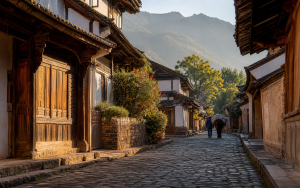
For a rewarding visit, look for relationships: how the landmark organizes the street, how shops meet public lanes, and where everyday residential life continues behind the commercial frontage. You do not need unrestricted access to private courtyards to appreciate that pattern. Ask before entering or photographing people at close range.
Wenhua Academy, crafts and places to sit
A People’s Daily report published on 26 October 2026 describes Wenhua Academy and its courtyard tea setting, alongside tie-dye and wamao craft shops in town. These observations offer useful leads for a visit, not a guarantee that a particular room, host or workshop will be available.
Choose one stop that fits your interest. For architecture, ask which public areas can be visited. For crafts, distinguish browsing or watching an artisan from joining a class. Before paying for a workshop, confirm its duration, teaching language, what you make, what is included and whether the finished item needs drying or collection later. A demonstration should not automatically be described as a hands-on session.
A tea or coffee break can also be the activity itself. Check the menu and any minimum spend before sitting, especially if you want to use a courtyard mainly for photographs. Give staff and other visitors space, and keep equipment away from circulation routes. Do not plan your return connection around an assumed performance or festival: occasional events need their own dated confirmation.
What to eat: ersi and a slower breakfast
Ersi, 饵丝, are rice noodles and a useful starting point for a Weishan breakfast. A Xinhua food feature describes local preparations with braised pork and meat-based broth. In guojiang ersi, 过江饵丝, the noodles and broth are served separately, with portions of noodles moved into the broth to eat. Ask the shop how its version is served rather than expecting every bowl to follow one recipe.
An August 2026 CNR report also mentions guojiang ersi and qingdou xiaogao, 青豆小糕, among local breakfast choices. You can use these Chinese names to ask what is available that day. Order a manageable amount first; choosing a few things you can comfortably eat is better than making breakfast a compulsory tasting list.
Rice as the noodle ingredient does not make the finished dish vegetarian, vegan or suitable for a particular dietary restriction. Ask separately about the stock, meat topping, animal fat and condiments. Show your specific restriction in Chinese and seek a clear answer; if staff cannot confirm, choose another dish. Do not infer halal preparation from the county’s ethnic composition or from the absence of visible pork in a bowl.
For a day trip, leave room for a seated lunch even if you arrive too late for breakfast. For an overnight stay, keep the first morning deliberately light: breakfast, one street section and a drink can be enough before travel. Shop availability, recipes and prices vary, so this guide does not promise a particular stall, portion or set price.
Getting from Dali to Weishan: plan the whole connection
Weishan has rail and road connections with the wider Dali area. The county’s transport feature explains the arrival of the Dali–Lincang railway and subsequent road improvements. It is background on connectivity, not a current train timetable or a guaranteed driving time.
For rail travel, search the actual date and station pair in the booking system. Dali Old Town and Dali railway station are different places; likewise, arriving at Weishan station still leaves the transfer to your old-town destination. Check the complete sequence before choosing an early outward or late return service.
| Journey part | Confirm before committing | Keep flexible |
|---|---|---|
| Accommodation to departure station | Which Dali-area station, pickup point and departure date your ticket actually uses. | Allow collection, traffic, station procedures and walking with luggage. |
| Weishan station to the town | Your destination’s Chinese name, map pin and the available onward transport. | Leave time to arrange or locate the transfer; the rail arrival is not the walking-tour start. |
| Road visit or overnight transfer | Pickup address, town drop-off, waiting arrangement, return endpoint and quoted inclusions. | Conditions can change. Confirm whether a mountain extension or extra waiting is charged separately. |
| Return journey | Where and when you meet, which station or hotel you are returning to, and the relevant cancellation terms. | Protect the return margin. Skip the final shop rather than relying on an unrealistically tight connection. |
Ask how your passport details will be used for the actual ticket and what document to carry for the booked service. Do not substitute another traveler’s account of a domestic ID process for the instructions applying to your reservation. This guide does not quote an unverified fare, train frequency or “door-to-door” journey time.
Costs, walking comfort and the Weibaoshan choice
Build your budget from transport, any individual venue admission, meals, drinks, optional workshops and accommodation if staying. Walking through public streets does not establish that every courtyard, exhibition or tower interior is free or open. Check the price and access conditions of each optional stop before paying.
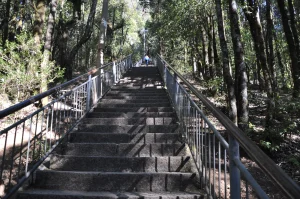
For walking comfort, ask about your exact route’s paving, thresholds, steps and distance from the drop-off. Break the visit into short sections with seated stops. A generally level town setting does not establish a step-free route into every building. If travelling with a wheelchair, pushchair or someone who tires easily, obtain specific access information for the intended stops.
Weibaoshan is a separate mountain outing, with different transport and walking decisions. Use our Weibaoshan planning guide to decide whether it deserves another day or a dedicated block during an overnight stay. Keep an old-town-only alternative if the mountain plan does not suit your group’s pace or the day’s conditions.
Questions before you go
Is Weishan the same place as Dali Old Town?
No. Treat Weishan as its own destination and check the transfer from your actual Dali-area accommodation. A booking described simply as “Dali” needs a more precise pickup address.
Can I visit without climbing a tower or joining a workshop?
Yes. A public-street walk, a meal and a suitable place to sit can form the core of the day. Interior visits and paid activities are optional choices subject to their current conditions.
Should I stay overnight just to see the town?
Choose the overnight option if it gives you the morning rhythm you want or makes the onward journey easier. A day trip is reasonable when the complete return connection leaves a comfortable visit. Compare actual connections before deciding.
Can Vero Trip include Weishan in a Yunnan itinerary?
Share your accommodation, travel dates, group pace and whether you want town time, food, crafts or a separate mountain outing through Plan My Trip. Ask for a written proposal confirming the route, transport, language arrangements, admissions and any meals or workshops. Price is on request; this guide does not establish that those services are included in an existing package.
Sources and checking dates
Checked on 31 October 2026: Weishan County’s destination profile; People’s Daily, 26 October 2026, for recent town and courtyard observations; CNR, 18 August 2026, for breakfast and slow-visit context; China News, 22 November 2015, for Gongchen Tower’s reconstruction; Xinhua’s 2019 ersi feature via Kunming Information Hub; and the county’s transport feature. Historical reports explain context; current prices, opening arrangements and transport must be checked for your date.
Related Journeys to Compare
These existing routes offer starting points for the region or travel interests discussed above. Read the full daily itinerary to see what is included. A visit described in this guide, a specialist session or an international border crossing is added only when confirmed in your own programme.