There are plenty of non-alcoholic drinks to try in China beyond bottled water: freshly brewed tea, breakfast soy milk, sour plum drink, fruit juice and milk tea all offer different ways to explore everyday food culture. Start with plain tea at a meal, try doujiang with breakfast and save a sweeter drink for an afternoon break. If you need a drink with absolutely no alcohol, check its ingredients and label rather than relying on the English menu category alone.
This guide helps you choose by flavour, order in Chinese and ask about sugar, milk and fermentation. Availability and recipes vary by shop; the Chinese names below are useful starting points for a conversation.
Which Chinese drink should you try first?
Choose one drink that fits the meal or part of the day. A small tea tasting is a different experience from a takeaway cup, while a bowl of savoury soy milk can feel closer to breakfast than a refreshment. You do not need to try everything on the same afternoon.
| Drink and Chinese name | What to expect | What to confirm |
|---|---|---|
| Plain brewed tea · 茶 / 纯茶 | Leaf aroma and a range from delicate to stronger flavours | Tea type, serving size and whether it comes plain |
| Soy milk · 豆浆 (doujiang) | A breakfast choice that may be plain, sweet or savoury | Sugar and toppings; savoury versions can contain dried shrimp |
| Sour plum drink · 酸梅汤 (suanmeitang) | A tart, usually sweetened plum drink | House recipe or packaged product, sweetness and temperature |
| Fruit juice · 果汁 (guozhi) | Orange, watermelon and other fruit flavours | Freshly squeezed or packaged; added syrup, water and ice |
| Milk tea · 奶茶 (naicha) | Tea with a milk or creamer component; toppings may be optional | Base ingredients, added sugar, cup size and any toppings |
| Water or sparkling water · 水 / 气泡水 | A simple choice between richer or sweeter drinks | Still or fizzy, flavoured or plain, cold or room temperature |
Tea: give one pot time to open up
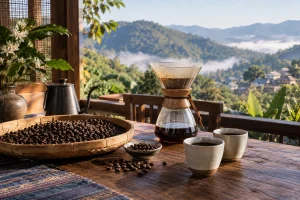
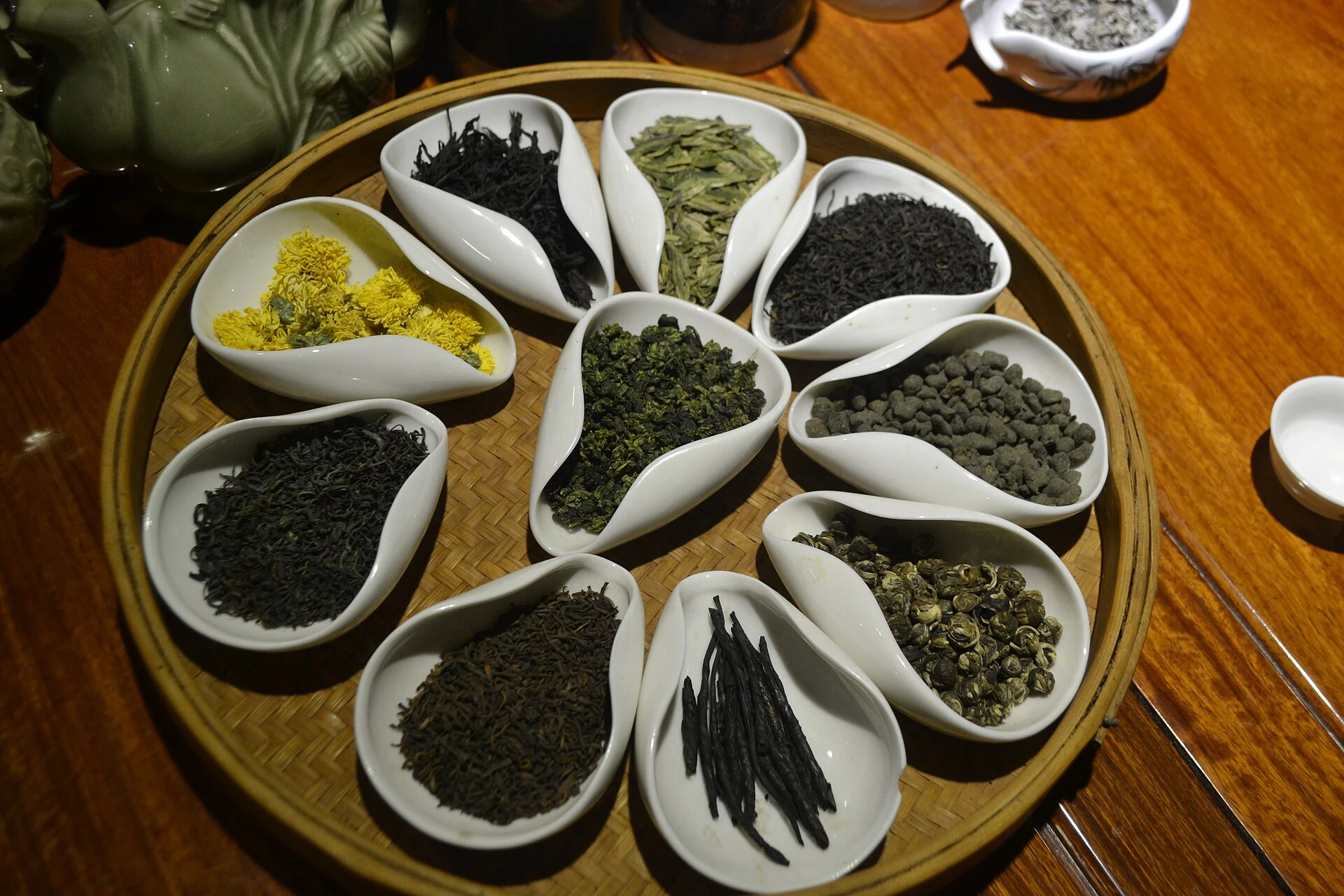
Tea is a good first choice when you want a drink connected to the place you are visiting. China’s tea traditions include six broad categories: green, yellow, dark, white, oolong and black tea, alongside reprocessed products such as scented teas. UNESCO’s description of the tradition also places drinking and sharing tea in ordinary homes, restaurants and teahouses. You can enjoy that everyday setting without booking a formal ceremony.
At a teahouse, ask to see the tea name and price before it is brewed. Check whether the charge is for a pot, a person or a tasting, and whether additional water is included. If you are curious about flavour, ask for two contrasting teas in modest servings rather than the largest or most expensive option. Let the host explain what you are drinking; a lighter colour does not automatically mean a weaker taste.
On a restaurant menu, plain brewed tea and a bottled sweet tea can sit close together. Ask for chun cha (纯茶, plain tea) and clarify that you do not want milk or syrup. If you are limiting caffeine, tell the server directly: choosing a drink without alcohol does not make it caffeine-free.
Doujiang: order it with breakfast
Soy milk is especially rewarding as part of a breakfast stop. Shanghai’s municipal visitor information describes sweet, plain and savoury versions; the savoury bowl may contain fried dough pieces, seaweed, dried shrimp, scallions and soy sauce. Check which version you are ordering before assuming it will resemble a carton of plain plant milk.
For a simple first order, ask for a small plain soy milk and choose breakfast food separately. Say whether you want sugar and whether you want it hot. If the shop only has a prepared sweet batch, the staff may be unable to remove the sugar; ask before paying. For a savoury bowl, point to the toppings and confirm anything you avoid. A soy base alone does not establish that the finished bowl is vegan or suitable for your dietary needs.
A breakfast visit also gives you a reason to slow down before sightseeing. Sit where possible, allow time for a hot drink to cool and leave a little room to try the accompanying food. Our guide to what to eat in China can help you plan the meal around it.
Sour plum drink, juice and milk tea
Suanmeitang: look for 酸梅汤
The English word “soup” in a literal translation can be misleading: suanmeitang is a sour plum drink. Expect a tart-sweet flavour, with the balance depending on the recipe. A restaurant may serve a house preparation or a packaged version, so ask which you are getting. Try a small serving first if you are unsure about sweetness. At a shared meal, confirm the jug size before ordering one for the table.
Juice: ask how it is made
Freshly squeezed juice is xianzha guozhi (鲜榨果汁). Orange juice is 橙汁 and watermelon juice is 西瓜汁. A fruit photograph on a menu does not tell you whether the drink is squeezed to order, blended with ice or poured from a package. Ask about the preparation, then specify any added-sugar preference. “No added sugar” still leaves the sugar naturally present in fruit.
Milk tea: make three choices first
Start with the base drink, then choose sweetness and temperature before adding toppings. A short, clear order is easier to check than several changes made after payment. Ask what the milk component is if ingredients matter to you: the menu name alone may not distinguish fresh milk, creamer or a plant-based alternative. Removing a topping does not necessarily remove that ingredient from the drink itself.
For an afternoon break, choose a cup size you can finish comfortably. If you want to appreciate the tea flavour, ask whether a plain tea version is available. If you prefer coffee, our Kunming coffee guide offers a separate way to plan a café stop.
Useful Chinese phrases for ordering drinks
Save these phrases on your phone and show the relevant line to the server. Begin with the drink name and quantity, then add one request at a time. For an ingredient restriction, ask a question and wait for the answer; a translated instruction by itself is not confirmation that a shop can meet it.
| What you want to say | Show this in Chinese |
|---|---|
| I don’t drink alcohol. Does this contain any? | 我不喝酒。这个含酒精吗? |
| One cup of plain tea, please. | 请给我一杯纯茶。 |
| No added sugar, please. | 请不要加糖。 |
| Less sugar, please. | 请少放糖。 |
| No ice, please. | 请不要加冰。 |
| Room temperature, please. | 请给我常温的。 |
| Hot, please. | 请给我热的。 |
| Is the juice freshly squeezed? | 果汁是鲜榨的吗? |
| Does this contain milk or creamer? | 这里面有牛奶或奶精吗? |
| Does this contain tea or coffee? | 这里面有茶或咖啡吗? |
| How much is it? Is that per cup or per pot? | 多少钱?是每杯还是每壶的价格? |
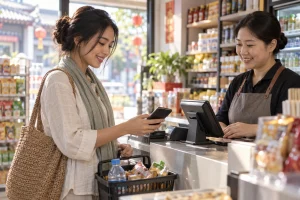
Some takeaway menus offer fixed sweetness levels rather than an open-ended request. Confirm the option selected on the order screen. For a premixed drink, “no sugar” may not be possible; choosing something else is often simpler. See paying in China if you also need help preparing for small purchases.
When you need to avoid alcohol completely
Be more precise than asking for a “soft drink.” Fermented products need a separate check: kombucha, for example, can contain alcohol. Food Standards Australia New Zealand has documented undeclared alcohol in some fermented soft drinks in its market. That finding does not measure every product sold in China; it explains why a fermented drink should not be assumed to contain zero alcohol.
Read the product label or ask the venue about the actual preparation. If staff cannot confirm that a fermented or mixed drink meets your requirement, choose an alternative whose ingredients you can establish. A cocktail-style presentation, a fruit name or the word “tea” is not enough information. Equally, ordinary brewed leaf tea should not be confused with a fermented beverage simply because some tea leaves undergo processing described as fermentation.
If halal suitability matters, check that separately from alcohol content. Ingredients, preparation and certification are additional questions. Our Muslim-friendly China planning guide explains how to communicate those needs before a trip.
Make drinks part of the day, not another checklist
A simple first-day rhythm is soy milk with breakfast, water between sightseeing stops and a seated tea break in the afternoon. Choose a sour plum drink or juice with a meal if it appeals to you. Treat this as a suggested rhythm, with alternatives for your taste and dietary needs, rather than an expectation that every shop sells each drink.
If you want to explore origins as well as menus, Vero Trip’s one-day Pu’er coffee and tea tasting route is an existing option based around Simao. The exact host, tasting format, language support and included services need to be agreed for your date. It is a focused Yunnan experience, rather than a tour covering all the drinks in this guide. Share your interests and ingredient requirements through Plan My Trip.
Common questions
Can I order a non-alcoholic drink at an ordinary Chinese restaurant?
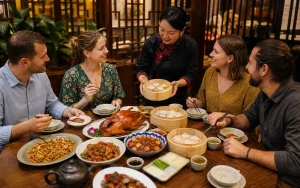
Start by asking for water or plain tea, then look at the drinks list for other choices. Confirm the serving size and price. A restaurant’s selection may be quite different from a specialist tea shop or takeaway counter.
Does “no ice” mean the drink will be hot?
No. Ask separately for room temperature or hot if that is what you want. Removing ice from an already chilled drink does not make it warm.
Is soy milk always dairy-free and vegetarian?
Ask about the finished drink and toppings. Plain soy milk and a savoury breakfast bowl can have very different ingredients, and a shop may offer blends. Explain the specific ingredients you avoid.
Should I book a tea tasting before a trip?
Book ahead if you want a particular host, language or detailed session. For an ordinary teahouse break, check the menu and charges before ordering. Buying a drink does not require buying packaged tea to take home.
Editorial information reviewed on 28 October 2026. References: UNESCO: tea processing and social practices in China; Shanghai municipal guide: breakfast and doujiang; Shanghai municipal visitor portal: Chinese drink names; FSANZ: fermented soft drink survey. Menus, recipes and product labels should be checked at the time of ordering.
Tea leaves and flowers displayed in a tea shop in Xi’an. Photo: Matt Black · CC BY 2.0. Resized and converted to WebP.