Choose Lashihai for a focused look at a highland wetland near Lijiang, using currently authorised visitor facilities and keeping the protected habitat off your walking route. Decide first whether you want patient bird observation, a shorter landscape visit or a separately arranged horse ride. These are different outings, even when a seller uses the same destination name.
The most important planning distinction is between Lashihai Wetland Park and the wider nature reserve. An advertised attraction or an old lakeside photograph does not give you access to every shore, marsh or patrol path. Start with a named visitor entrance and a clearly permitted route, then arrange your transport and any activity around that choice.
Understand the reserve boundary before choosing a route
A notice issued by the Lashihai reserve management bureau on 29 September 2026 explicitly prohibits recreational activity in the core protected area, including walking through, horse tourism, camping, bird photography and portrait shoots. It also restricts unapproved tourism and requires advance approval for specified educational or officially designated activities in the general control area. Do not treat a general sightseeing booking as permission to enter either zone.
The practical choice for an ordinary visit is a currently authorised public visitor facility, with its own entrance and instructions. The scenic operator’s website lists Lashihai Wetland Park and a wetland museum, alongside surrounding villages. Those listings help identify what to ask about; they do not establish that every path, exhibition or activity is operating on your date.
Ask exactly where the proposed viewing point is and which visitor route serves it. If the answer is a gap in a fence, an informal shoreline track or a promise that nobody checks, choose another outing. A guide, hotel recommendation or transport ticket cannot replace the responsible site’s access rules.
Choose one purpose for the visit
| Your purpose | What to arrange | What to keep separate |
|---|---|---|
| Bird observation | A currently authorised viewpoint, binoculars and time to stay still. | Protected habitat access and a guaranteed species. |
| Wetland scenery | A manageable public visitor route and a clear return point. | Walking along any shore visible on a map. |
| Village surroundings | Public lanes or a host who has agreed to receive you. | Private courtyards, farm tracks and wetland shortcuts. |
| Horse riding | A registered operator, its approved route and written activity terms. | A birdwatching visit or access inside the reserve’s core area. |
A landscape visit suits travellers who want a change from old-town lanes without an intensive specialist session. A birding visit needs more patience and may involve less walking than you expect. If riding is the main attraction, assess it as an activity in its own right rather than accepting it as the compulsory entrance to the wetland.
A practical plan from Lijiang
Before leaving the old town
Save the exact destination in Chinese, not just 拉市海. For a park visit, use 丽江拉市海湿地公园 and confirm its current visitor entrance. For another authorised facility or a riding operator, obtain that place’s full name and map location. A broad lake pin can leave you at a different business or an access point that does not suit the activity you chose.
Tell your transport provider the actual hotel and where a vehicle can meet you. Staying inside pedestrian lanes can add a walk before the road journey starts. Ask whether the return is a waiting vehicle, a booked collection or transport you must arrange yourself. Agree one meeting point and a way to contact the driver.
At the named visitor facility
Check the current route, admission arrangements and closing instructions before paying. Ask which areas your ticket covers, whether a museum or other optional stop is included, and what surfaces or steps you will encounter. If you need seating or step-free access, get an answer about this entrance and route, not the lake in general.
Use the first part of the outing to understand the view and visitor boundaries. Choose a short section and one place to pause rather than trying to circle the lake. If a sign, barrier or staff instruction changes the plan, follow it and reassess the remaining visit. Do not use agricultural land as a bypass.
Leave time to observe and return
For a relaxed outing, reserve a flexible half-day block including hotel access, road transport, the visit and a rest. This is our planning suggestion, not a verified travel time or a fixed site duration. A specialist session, a lesson or a ride can need a different allocation.
Choose at most one additional cultural stop when the route and energy allow. If you have a fixed train or flight, calculate the full departure connection first, including luggage collection. Shorten optional sightseeing rather than leaving the return dependent on finding an immediate vehicle at an unnamed shore.
When birdwatching is the main interest
Lashihai’s conservation value comes from its varied wetland habitats. China Daily’s reserve profile describes a plateau freshwater lake with marsh meadows and other habitat types, recognised as a Ramsar wetland in 2004. That ecological importance is a reason to observe carefully from authorised places, rather than seeking the closest possible approach.
An InKunming report based on reserve monitoring describes autumn arrivals and wintering birds, with January and February typically offering stable winter numbers and variety. Use this as seasonal context. It is not a forecast for the day you visit, and neither a photograph nor a past survey guarantees a particular flock, water level or species.
Bring binoculars and spend time watching movement across the view. Look for differences in size, posture, swimming and feeding rather than pursuing a checklist at any cost. For specialist interests, ask about an appropriate bird guide and the observation method. A driver who knows the road may not provide bird identification or ecological interpretation.
The reserve’s published advice includes quiet behaviour, subdued clothing, observing from a distance and avoiding feeding or disturbing birds. We also recommend leaving recorded calls and bait out of the visit. Keep children beside you, avoid blocking other observers and pack away food and rubbish.
Some older birdwatching articles recommend a named shoreline or a patrol path. Those recommendations predate the September 2026 notice. Do not assume they remain public visitor routes. We have deliberately left them out of this itinerary; use the current authorised viewing arrangements instead.
Horse riding needs its own decision
The scenic-area management bureau’s announcement dated 9 July 2026 lists registered ecological riding operators and requires rides to stay within their approved routes, outside the core protected area. It also calls for routes, durations and prices to be displayed. Check the current registration and the actual route offered rather than relying on a vague “Tea Horse Road experience” label.
Before starting, establish the riding duration, terrain, equipment, supervision and the point at which you can decline or stop. Explain your experience, any difficulty mounting and the ages of participating children. Ask what the operator will do if the route or weather becomes unsuitable. Decline if you cannot understand the arrangements or do not feel comfortable with the horse or supervision.
Agree the total charge and keep the accepted description. Transport, a meal, photographs, extra riding time and guiding may be separate. A low headline price is not enough information to compare offers, and a ride is not a substitute for a protected-wetland observation visit.
Boating, kayaking and lakeside portrait packages appear in older promotions. This guide does not confirm their current availability or authorisation. Do not infer permission from an old advertisement, a boat in a photograph or a salesperson’s claim that an activity is included.
Costs and inclusions to compare
| Cost or service | Ask for | Do not assume |
|---|---|---|
| Road transport | Meeting point, destination, waiting or return collection and total charge. | Every lakeside business has the same pickup arrangement. |
| Visitor admission | The named facility, route and included areas. | A ticket grants access to the wider reserve. |
| Interpretation or equipment | The guide’s role, language and any binocular provision. | A driver or general guide supplies specialist birding. |
| Optional activity or meal | Its operator, duration, scope, price and cancellation conditions. | Riding, food or photographs come with a park visit. |
We have not published a current entrance price, bus timetable or single opening-hours range for the whole Lashihai area. Different facilities and activities require separate checks. The operator’s site contains older transport and activity material as well as visitor listings; a general footer time should not be used to schedule every component of your day.
Weather, walking and a useful alternative
At an open viewpoint, wind and a period of standing still can feel different from walking in town. Carry a layer, water, sun protection and rain protection, with shoes suited to the authorised path. Keep the route within your group’s walking comfort and include a seated break.
Cloud may hide the mountain backdrop, and rain can change visibility or make surfaces slippery. Do not move closer to birds or into restricted habitat to compensate for an unremarkable view. If the available visitor route, weather or access arrangements do not fit, choose a cultural outing in Lijiang.
The Black Dragon Pool guide offers a separate town-based park visit to compare. It has its own walking and admission considerations. Keep an alternative because it suits the day, rather than promising that it will reproduce a particular lake or snow-mountain photograph.
Questions before booking
Can I walk freely around the lake?
No. This guide does not recommend a lake circuit or an informal shoreline route. Choose currently authorised public visitor facilities and follow their instructions; the reserve’s core protected area is not a recreational walking destination.
Is winter essential?
Winter is the more relevant choice for migratory-bird interests. A landscape visit can have a different purpose, but it still depends on suitable weather and a confirmed visitor route. No season guarantees a particular species.
Must I ride a horse to visit?
Riding and a public visitor-facility visit are separate choices. Ask what the specific product covers and select the outing that matches your interests. Do not accept riding as permission to enter protected habitat.
Can Lashihai fit a cultural study journey?
The existing six-day Lijiang and Dali heritage study route includes a Lashihai observation day. The precise public route, any cycling and interpretation need confirmation for the group and date. An itinerary title does not establish reserve-entry approval or specialist access.
Can Vero Trip arrange a suitable day?
Send your date, hotel, party size, walking needs and main interest through Plan My Trip. Price on request. Your written proposal should name any confirmed visitor facility, vehicle, guiding language, admission and optional activity. If the intended route cannot be verified as permitted, choose another visit.
Sources and photograph
Reviewed on 31 October 2026: the reserve bureau’s 29 September 2026 notice, published by Lijiang media; the scenic operator’s visitor-site listings; the scenic management bureau’s 9 July 2026 riding announcement reproduced in full; InKunming’s 2024 reserve-monitoring report; and China Daily’s reserve profile. Older viewing and activity advice must be checked against current management instructions.
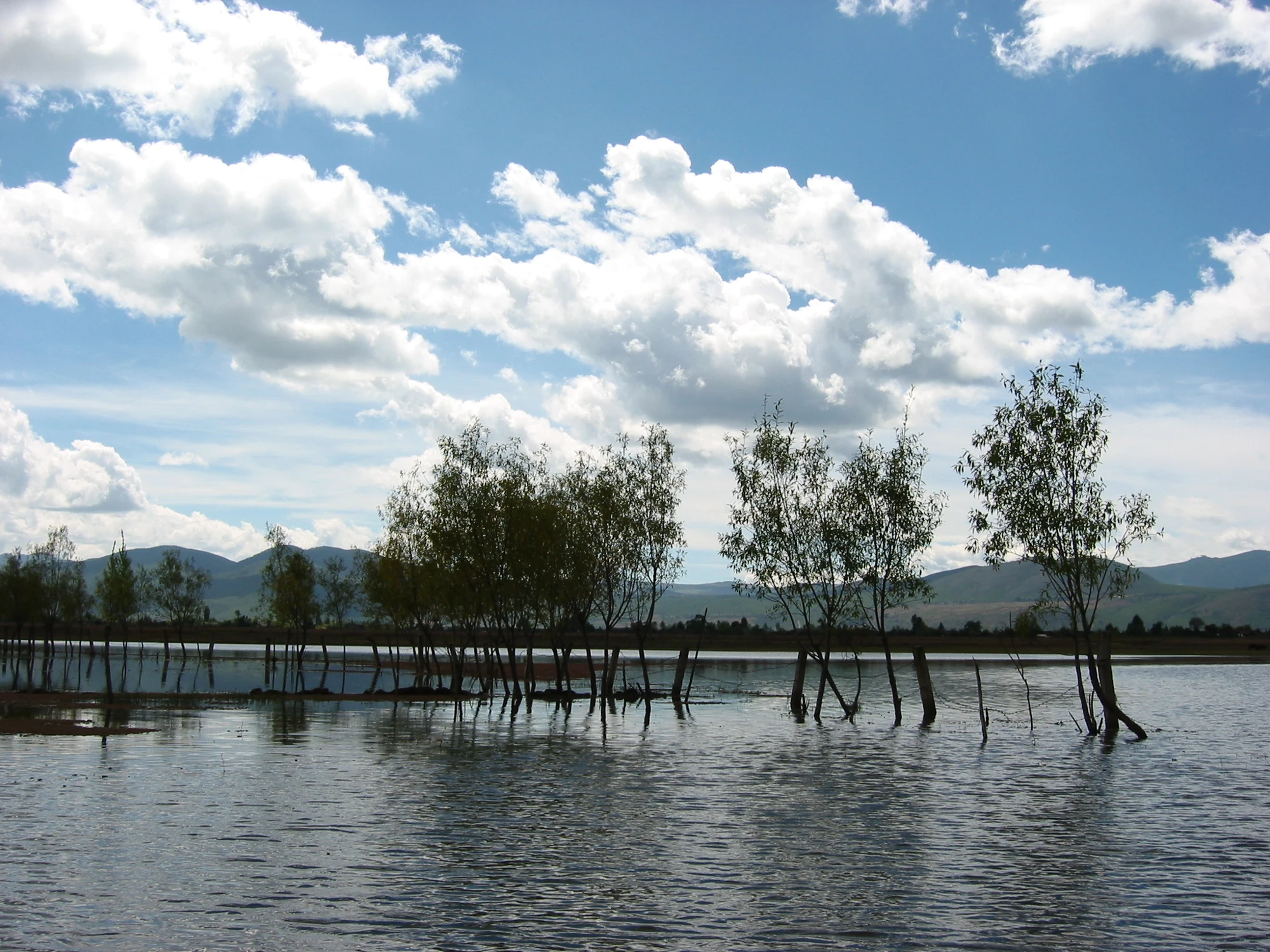
Archival Lashihai landscape. Original uploader: KingPilaf at Chinese Wikipedia; original file and history. CC BY-SA 3.0. Proportionally resized and converted to WebP; this adapted image is shared under the same license. Camera metadata records 11 October 2004; the original upload was 25 September 2005. This historical view does not identify a current visitor route or prove present water level, access or wildlife sightings, and is not a Vero Trip tour record.