Plan a Gannan trip from Lanzhou around Xiahe and Langmusi, with enough time for the approach, town visits and the return. Choose Xiahe alone for a shorter stay, or give the two monastery towns separate nights. Treat Zhagana as a separate extension to arrange after its admission, roads and accommodation work for your dates.
Gannan (甘南) is in southern Gansu. A Lanzhou-return stay gives you a different choice from the longer Chengdu–Xining road journey through Amdo. This guide develops the gateway, town bases and practical choices for a slower Gannan stay.
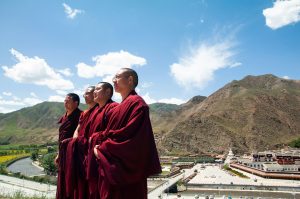
Updated 24 October 2026. The lead image is a highland travel scene, not a photograph of a particular guesthouse, current landscape or actual Vero Trip guests.
Choose the extent of the trip before choosing the attractions
A monastery town, a village valley and a grassland crossing need different amounts of usable time. Having a vehicle does not turn all three into short stops. Count your arrival and departure separately, decide how much packing and road travel you enjoy, and keep the highland extension optional.
| Your available time | A useful choice | What to leave out |
|---|---|---|
| About four or five days | Lanzhou plus a selected Xiahe stay, with an approach that suits your sleeping-height plan. | A rushed loop through Langmusi, Zhagana and Ruoergai. |
| Around eight days including gateway nights | A Lanzhou-return stay with time in Xiahe and Langmusi, adapted around a suitable sleeping-height approach. | Zhagana, Ruoergai or scenic shortcuts added without rebuilding the road and overnight plan. |
| More time and a specific grassland interest | Extend a suitable highland base or consider a separately planned Ruoergai branch. | Assuming an extra province costs only an extra photo stop. |
| A journey ending in Chengdu or Xining | Compare a through-route, its approach roads and one-way transport instead of returning to Lanzhou. | Using a loop’s hotel sequence without accounting for the different finish. |
Choose Xiahe alone if your main interest is Labrang and town life, or if someone prefers fewer highland nights. Add Langmusi for a second monastery-town stay. A short calendar is a reason to remove a branch or extend the trip; travel days should not consume the only full visiting days.
Use each base for a clear purpose
Lanzhou is the gateway to organise arrival and departure. Xiahe (夏河) is the base for Labrang Monastery; Langmusi (郎木寺) is a separate town visit farther along the highland corridor. Zhagana (扎尕那), in Diebu County, is a separate village-and-valley extension. Develop the core stay first, then decide whether that branch fits another part of the holiday.
The Gansu tourism department’s June 2026 transport introduction identifies Lanzhou as a gateway and names coach connections to several Gannan towns. It is a useful starting list, not a dated timetable. Ask the actual station about the destination, operating date, document handling, baggage and final pickup before planning a public-transport connection.
| Base | Choose it for | Resolve before reserving |
|---|---|---|
| Lanzhou | Arrival recovery, onward transport and a separate night before a fixed departure. | The actual airport or railway station, hotel transfer and luggage arrangements. |
| Linxia, if it suits the approach | A separate city stop rather than going directly from a late arrival to a highland room. | The property, its elevation and the next day’s approach; this stop alone is not medical clearance. |
| Xiahe | Time for Labrang and the surrounding town without driving onward immediately afterwards. | The monastery’s permitted visitor route, room heating and a workable drop-off. |
| Langmusi | A smaller monastery-town stay and a decision about continuing to Zhagana. | The exact property and province, room height, open visitor areas and weather. |
A guesthouse advertised as “Zhagana” may be in a particular village, at a different height and some distance from the gate or your intended walk. Ask for the Chinese property name and a map pin. A room description should settle the bed, bathroom, heating and vehicle access, not only the view.
An eight-day core outline with seven nights
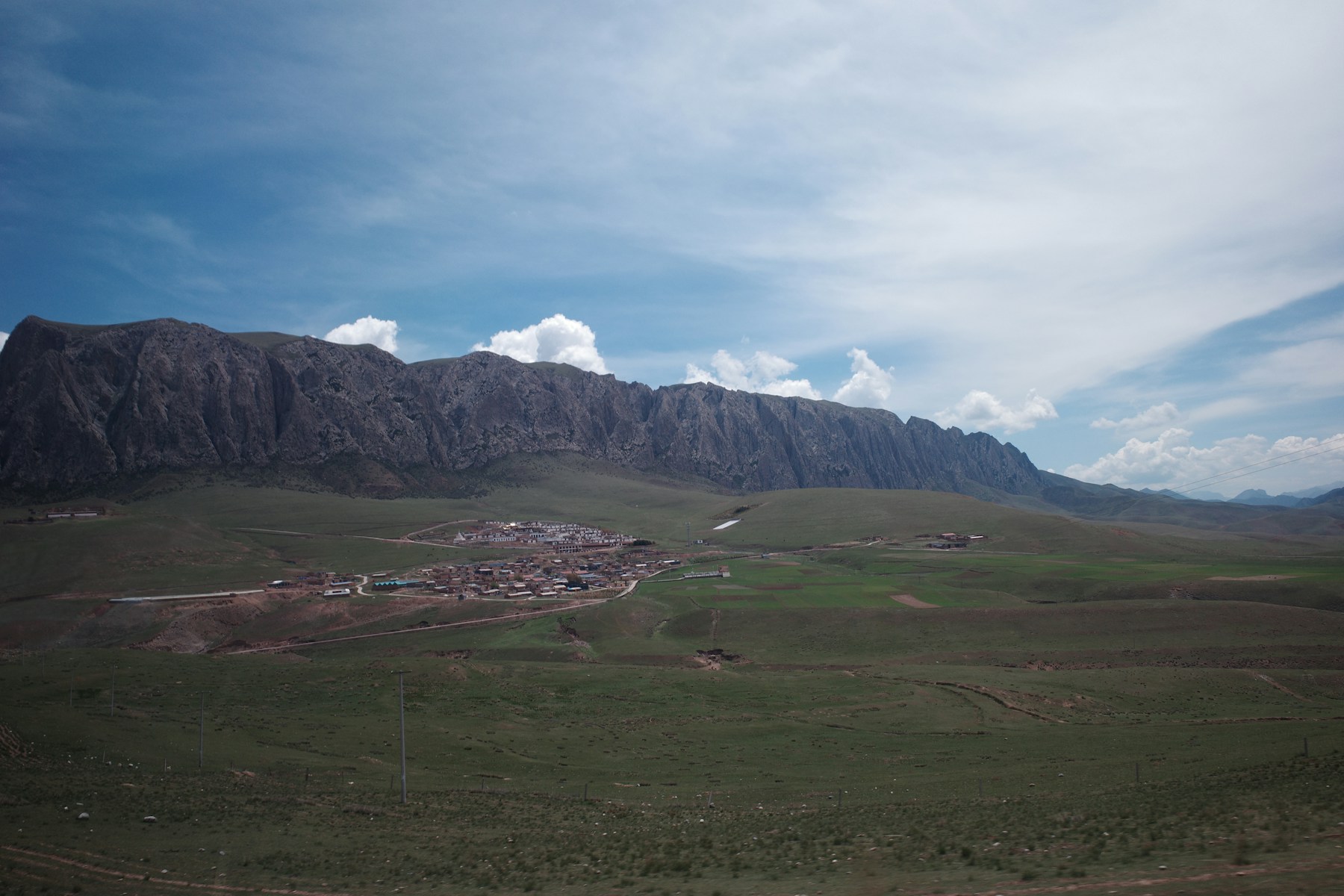
This allocation keeps Xiahe and Langmusi as the two highland bases and leaves Zhagana outside the core plan. The approach and sleeping heights must suit the travellers; add staging nights or choose Xiahe alone when needed. The table is a planning example, not a medical clearance, current road report or package inclusion list.
| Day and overnight | Main decision | Keep the day workable |
|---|---|---|
| Day 1 · Lanzhou | Arrive and settle at a city hotel. | Leave the highland transfer for another day, especially after an uncertain flight or late train. |
| Day 2 · Linxia, if suitable | Break the approach and review the onward plan. | Agree the actual sleeping heights and any additional staging with advice appropriate to your group. |
| Day 3 · Xiahe | Travel to the agreed room and keep arrival activities light. | Use a short town walk only if everyone feels well; avoid a strenuous arrival excursion. |
| Day 4 · Same Xiahe hotel | Give Labrang and the town their own visiting day. | Choose the permitted visitor route and interpretation. A Sangke outing replaces time elsewhere. |
| Day 5 · Langmusi | Make a daylight transfer and settle in. | Do not combine every wetland stop with both monastery visits and a canyon hike. |
| Day 6 · Same Langmusi hotel | Choose the permitted monastery visit and a short town outing. | A canyon walk is a separate activity requiring its own open-route and effort check. |
| Day 7 · Lanzhou, if the dated road plan fits | Make the agreed return, with meals and proper stops. | If a suitable daylight return needs another overnight, add it and move the departure. |
| Day 8 · Depart | Use the actual booked airport or station. | Keep the final transfer rather than squeezing in another highland visit. |
The outline has seven hotel nights: one Lanzhou arrival night, one suitable approach night, two Xiahe nights, two Langmusi nights and one Lanzhou return night. Add nights whenever the sleeping-height plan or current road journey requires them. Keep the onward departure flexible until the complete return route is agreed. This core example does not include a Diebu–Hezuo or Rock Road crossing.
Make Zhagana a deliberate branch
Zhagana’s appeal is the relationship between villages, fields and steep enclosing peaks. A full local day allows a different pace from arriving late, taking one photograph and leaving. China’s tourism office in Singapore describes the Lanzhou–Xiahe–Langmusi–Zhagana sequence, while reminding travellers that roads, visitor areas and local transport can change. A promoted route establishes the places to compare; it does not establish access on every date.
Start with the exact village or town you intend to sleep in. A valley stay favours a quiet morning and less repetition of the approach, provided its room and access suit you. A Diebu town stay may fit a different room preference or onward journey, but adds the transfer into and out of the valley. Compare both complete days rather than room prices alone.
The operator’s April 2026 booking notice, published on the county government-service portal, specified real-name reservations for 1 May–7 October and distinguished north and south entrances. That period has ended. For a later visit, obtain the current dated admission, entrance and vehicle instructions from the official “迭部县扎尕那大景区” channel; the end of an earlier reservation period is not proof of unrestricted entry.
Ask which public viewpoints and managed paths are open for your date, how a sightseeing vehicle works, where your driver may park and how you reach the room with bags. Choose a permitted short visit if longer paths are unsuitable. Do not follow an informal track or enter private fields to recreate a photograph, and do not infer that one ticket covers every vehicle or optional activity.
Keep the road decision separate from the sightseeing list
“Rock Road” or Jiangdie Road describes a scenic journey, not a guaranteed shortcut. A recent traveller’s successful crossing cannot establish today’s surface, weather or traffic controls. Ask the driver for the exact route, the source and date of the road information, an ordinary-road alternative and the overnight changes if that alternative takes longer.
Plan driving in daylight, with room for meals, toilets and a delayed departure. Stop only at lawful pull-offs; a photogenic road bend is not a parking area. Follow traffic instructions rather than a navigation application’s shortest line, and stay at a suitable base if no lawful, workable alternative is available. A missed viewpoint is preferable to making the next hotel depend on an unsuitable crossing.
For independent travel, confirm each coach connection separately and arrange the last leg to the accommodation. Do not rely on an old post’s departure time. For a driver, settle seat-and-luggage capacity, child restraints where required, guiding language, driver accommodation and responsibility for extra nights. Self-drive needs appropriate Chinese driving documents and a rental agreement covering the actual route; use the Amdo road guide’s vehicle-planning section before arranging a car.
Choose warmth, a suitable ascent and an exit plan
Highland travel is not made low-risk by comparing it with somewhere higher. The CDC’s altitude guidance recommends a gradual sleeping ascent; physical fitness does not remove the risk. Obtain the height of the actual rooms and discuss previous altitude problems or relevant medical conditions with a clinician. The calendar above does not certify a safe ascent for every traveller.
Do not continue to a higher sleeping place while symptoms of altitude illness are present. Worsening symptoms call for descent and medical help; confusion, difficulty walking or breathlessness at rest require urgent assistance. A small oxygen can or bedroom oxygen equipment does not replace a workable descent and treatment plan.
Ask how the room and bathroom are heated and when the system operates. An electric blanket warms the bed, not the whole room. Check hot water, stairs, doorway access, parking and the meal available on a late arrival. Carry warm layers, waterproofs and essential items within reach, rather than beneath all the luggage. Snow, hail and rain can change the day even outside the middle of winter.
Passports, monastery visits, meals and prayer
Give the organiser the actual dates, passport nationalities, counties, selected visitor sites and hotel names. Obtain a clear response covering the permitted visit, the passport booking process and the property’s registration arrangements. Gannan’s position outside the Tibet Autonomous Region is not a blanket permission for every surrounding locality or side road. The NIA accommodation guidance explains that hotels handle registration, while a traveller or host must arrange registration within 24 hours for a non-hotel stay. Agree the actual property and process in advance.
An April 2026 Gansu tourism report records an organised overseas travel-trade visit to Labrang, Langmusi and Zhagana. It supports their role in inbound-tourism planning, while the arrangements for that group do not establish your individual admission, room availability or permissions. If a necessary locality or stay cannot be arranged, omit that branch or choose another accessible base before paying non-refundable deposits.
At Labrang, ask about the current visitor route, hall access and official interpretation. In Langmusi, name the actual monastery and entrance: the town spans the Gansu–Sichuan boundary, and visits on the two sides are separate choices. Follow the local direction of movement and photography rules, give worshippers space, and ask before photographing people. A festival date needs its own visitor and traffic plan; do not schedule access to private rites.
Agree meals in the bases where you will actually stop. Beef or lamb on a menu does not establish halal preparation, and a vegetarian-looking dish can contain stock or cooking fat unsuitable for your needs. Ask about ingredients, shared preparation and cooking alcohol as relevant. Carry a suitable backup meal for a long road stage, and agree a private room break for prayer when needed instead of depending on an unconfirmed facility along the way.
What to do when the original plan no longer fits
| What changes? | A workable response | What not to rely on |
|---|---|---|
| Zhagana admission or the agreed room cannot be arranged | Keep the Xiahe / Langmusi stay or redesign the return before leaving the current base. | An expired notice, a domestic traveller’s ticket or a generic “foreigners welcome” claim. |
| Poor weather affects the valley day | Choose an open short visit or a room break, and ask whether the next transfer still works. | Guaranteed morning mist, a fixed autumn colour or an automatic indoor alternative. |
| A road instruction changes the return | Use an agreed lawful route and move the overnight if necessary. | A scenic shortcut that preserves an unrealistic arrival time. |
| Someone develops altitude symptoms | Stop further ascent, obtain appropriate medical help and arrange descent when required. | Prepaid rooms as a reason to press on. |
| The group prefers less walking or fewer hotel changes | Stay longer in the chosen base or remove a branch. | A longer attraction list as proof of a better holiday. |
Turn the choices into a trip enquiry
The existing Gannan, Zhagana and Tianshui tour outline also travels through the region, then includes other destinations. It is a different journey from the core Xiahe-and-Langmusi allocation here. Compare the named stops and request the dated proposal, including rooms, transport and admission responsibilities.
For broader landscape choices, browse the grassland and desert collection. To request your Gannan plan from Vero Trip, send dates, the actual arrival and departure, party ages, luggage, room preferences, walking limits, dietary or prayer requirements and the sites that matter most. State whether Zhagana is essential or optional. Share the travel limits recommended by your clinician without sending unnecessary medical details.
Ask for an itemised response identifying the actual vehicle, overnight properties, permitted visits, admission responsibility, guide language, meals and disruption terms. Settle how changes to a highland stage affect later rooms and the final Lanzhou transfer. A clear answer to those decisions is more useful than a list promising every monastery, wetland and viewpoint in one circuit.