Plan Chongqing’s Three Gorges Museum as a focused half-day in the city, with one or two themes and a meal break afterward. Choose the main museum on Renmin Road when you want context for Chongqing and the river region. It is a different visit from a Three Gorges cruise, an excursion to the dam or another museum branch.
The most useful decision is how the visit fits the rest of your stay. A museum morning can balance an outdoor afternoon; a longer visit may be the main experience of a hot or wet day. Neither format needs to become a race through every gallery before a distant evening booking.
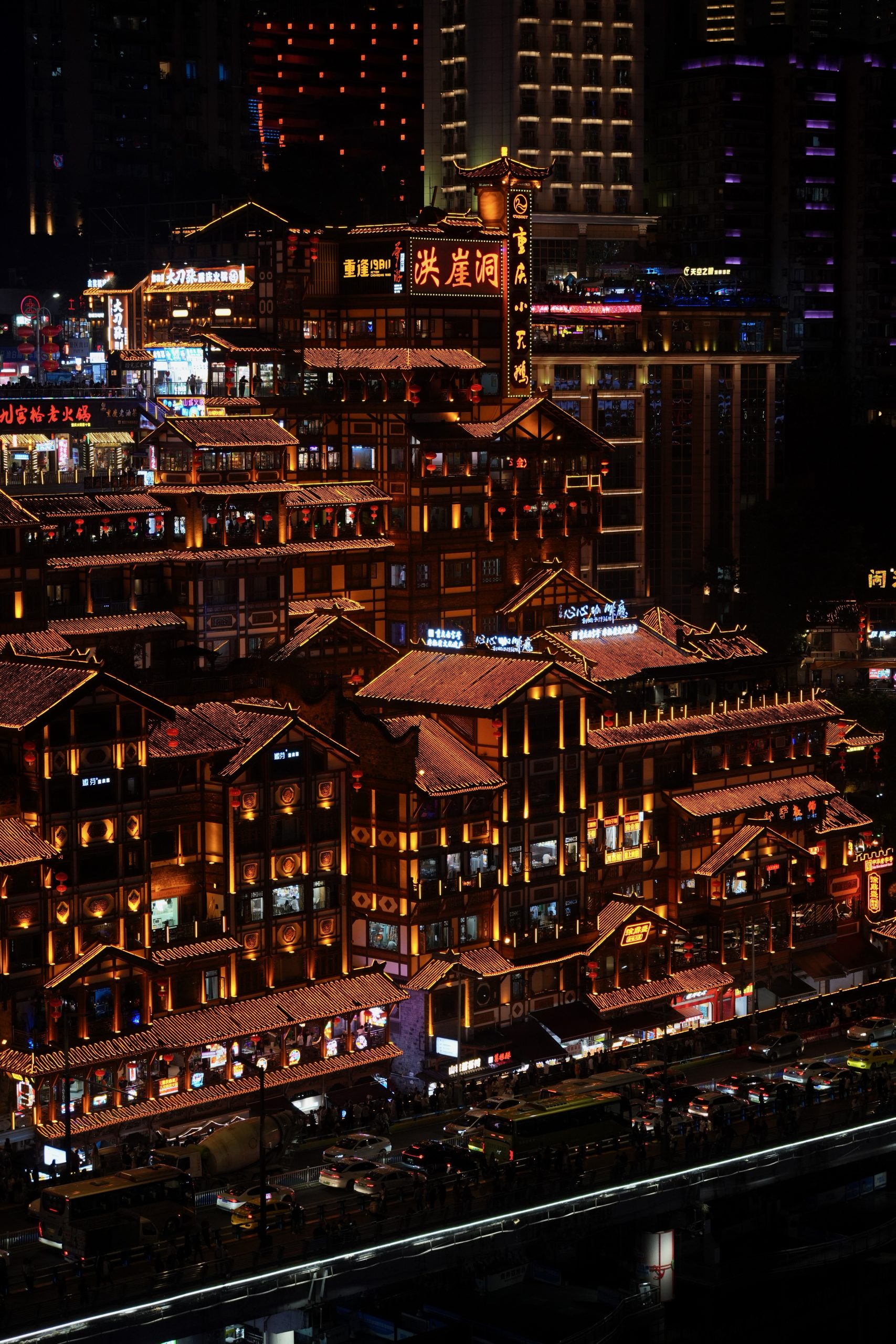
Checked 3 November 2026. Cover: Hongyadong in Chongqing at night, photographed on 9 October 2024. This is city-evening context, not the museum building, an exhibition, current lighting arrangements or a Vero Trip customer visit.
Choose the correct museum before planning the journey
The operator’s introduction places the main museum at 236 Renmin Road in Yuzhong District, beside People’s Square and the Great Hall of the People. Save the Chinese name 重庆中国三峡博物馆 and the full address when arranging transport. A search for “Three Gorges” alone is too broad for a reliable meeting point.
The same institution includes other sites, including Baiheliang Underwater Museum. A branch name on an institutional page does not mean that it is a gallery inside the Renmin Road building. If Baiheliang interests you, investigate it as a separate journey. Do not add it to the end of a city museum visit without checking its location, travel and operating arrangements.
For a first Chongqing stay, keep the main museum decision simple: choose it for history, art or river context, then organise the day around that interest. A traveller who mainly wants a boat journey should choose the actual river experience instead. A display about the Three Gorges does not replace seeing the landscape, and a cruise does not provide the same concentrated historical visit.
Pick a theme rather than a floor-count target
The institution describes collections covering Bayu, the Three Gorges, wartime Chongqing and the city’s development. Its published visitor information also names displays of ceramics, calligraphy and painting. Check the current gallery plan on arrival, since a named collection or long-standing exhibition does not guarantee that every object is on view.
| Your main interest | A useful starting theme | How to keep the visit comfortable |
|---|---|---|
| Understanding the river region | Three Gorges history and cultural context | Select the sections that explain what you will see, or have seen, on the wider journey. |
| Understanding Chongqing | Bayu or the city-development story | Choose a focused historical sequence before adding another theme. |
| Objects and visual detail | Ceramics, painting or calligraphy in an open gallery | Spend time with a small selection rather than photographing every case. |
| A mixed-interest party | One shared theme, followed by a short optional section | Agree a meeting place and stopping point before anyone separates. |
These are ways to choose, not a promise of a particular display on your date. Ask at the information desk which open galleries best match the interest. If one person reads every label and another prefers a shorter visit, agree the common section first. An optional extension works better when the shorter-visit traveller has a clear place to wait.
For children, choose a question to follow: what did people make, how did they travel, or how did the city change? Let a small number of objects answer it. A shorter visit with a break often leaves a clearer memory than covering several unrelated periods while everyone becomes tired.
A half-day sequence that leaves room for the city
Allow a complete morning or afternoon rather than inserting the museum between two fixed transfers. The planning examples below include the approach and a pause afterward; they are suggested rhythms, not the museum’s official visit durations or a confirmed guided programme.
| Format | A practical sequence | What to leave out |
|---|---|---|
| Short introduction | Reach the correct building, clear entry checks, choose one main theme, then leave for a meal. | A requirement to see all floors or return for a second timed activity. |
| Unhurried half-day | Choose two compatible themes with a pause between them; finish with a nearby outdoor look if conditions suit. | A distant excursion immediately afterward. |
| Museum and city evening | Keep a substantial break after the visit, then choose one separate dinner or riverfront period. | Several hillside neighbourhoods plus a boat booking in the same evening. |
The square and the Great Hall exterior can provide a short change of scene when weather, walking conditions and the party’s energy suit. That is different from assuming entry to another building, a performance or a guided interior visit. Keep the added outdoor period optional, especially after a long time standing indoors.
If the evening aim is Hongyadong, plan it as a separate part of the day with its own approach and return. The cover photograph shows that city interest, not a route from the museum. Have a meal or hotel break before setting off again, and choose the actual viewing area rather than following a photograph without an address.
Where the visit fits in a two- or three-night stay
With two nights, an arrival and departure may leave only one complete day. Pair the museum with one later city interest, and keep the arrival evening light if the journey is tiring. Do not label a late arrival as a full sightseeing day when comparing route proposals.
With three nights, use one full day for a selected cultural programme and another for a different neighbourhood or a slower city period. This gives the museum enough attention without making it consume the whole trip. A Dazu or Wulong excursion needs its own complete travel day; adding one may require another night or replacing a city priority.
The Chongqing trip-planning guide compares hotel entrances, hillside walking and regional extensions. The Chongqing destination page gives the wider city context. Choose the nights and daily interests before fitting this visit into a larger China journey.
Entry, guiding and language: use the museum’s own current channel
The museum publishes English visitor information, alongside its current Chinese visitor-information index. Use the latest notices for the intended date. Older English pages and general visitor rules can remain online after an operational change, so this guide does not turn an old timetable or daily capacity into a current booking promise.
Confirm the operating date, entry procedure and any identification requirement before fixing the rest of the day. International travellers should keep their passport available and check the appropriate visitor channel. If an online form does not accept the document type, obtain guidance through the museum’s official channel rather than entering invented identity details.
The operator’s published visitor notice describes basic exhibitions as free. This is not a quotation for private interpretation, an audio device, a special activity or transport. Confirm anything additional separately. A city tour title or a guidebook mention does not reserve a museum service.
If explanation in English is essential, agree who provides it and what it covers. A general English-language city guide, the museum’s own interpretation and a self-guided visit are different arrangements. The operator’s guiding-service page is the place to start checking its own options; do not assume a particular language, start time or staff member is available.
Hotel base, bags and the complete return
Keep the hotel decision connected to the whole stay. A Yuzhong base may suit several city interests, but the actual entrance and vehicle approach matter more than a broad neighbourhood label. Save the hotel name in Chinese and agree where the driver meets you after the museum.
Leave large cases at the agreed hotel when possible. The operator’s published rules discuss bulky-item storage, but that does not establish capacity for every suitcase or equipment case on your date. A museum visit should not depend on an unconfirmed place to leave all your luggage.
If changing hotels, decide whether the vehicle retains the bags, the original hotel holds them, or another confirmed arrangement applies. Keep passports and essential belongings with the traveller as appropriate. Allow collection and the full journey to the station, airport or cruise terminal before accepting a fixed departure.
Chongqing’s changes of level also affect meeting points. Check the correct entrance and road level, the walking between them, and any step-free route needed by the party. A metro stop or a map pin alone does not establish a suitable approach for a wheelchair user or someone who struggles with stairs.
Heat, rain and walking fatigue
An indoor visit can give a city day a different pace, but it still involves walking, standing, entry checks and movement between galleries. Ask about the facilities relevant to your own needs instead of treating “museum” as a guarantee of an effortless outing.
In heavy rain, shorten the optional square or riverfront period and keep the transport pickup clear. In heat, allow a proper pause before a later outdoor visit. If the museum cannot operate on your date, move that cultural interest to another day or choose a separately checked indoor alternative; do not assume every nearby venue follows the same opening pattern.
Follow the current gallery signs and staff instructions for photography, equipment and personal items. The operator’s visitor notice restricts flash and tripod use and asks visitors to undergo security checks. Travelling light makes those stages simpler; a casual city visit is different from arranging professional filming.
Questions before choosing the museum day
Is the museum part of a Three Gorges cruise?
No. The main museum is a city visit. A cruise needs its own ship, terminal, boarding time and service agreement; a museum visit does not include those arrangements.
Can I visit every branch in one half-day?
Do not plan on that. Choose the main Renmin Road building for this half-day. Other institutional sites need separate location and journey checks.
Should I reserve a full day?
Give it a full day only if your interests and pace justify that commitment. For many first-time city itineraries, one or two themes with a meal break make a more balanced half-day.
Does free basic admission include a guide?
Do not assume it does. Confirm interpretation, language and any device or special activity in its own right, together with the current entry arrangements.
Can I go directly to a train afterward?
Only when entry, the intended visit, bag collection and the complete station approach leave a realistic margin. A separate departure period is the more flexible choice when the connection matters.
Send Vero Trip your Chongqing nights, arrival and departure details, historical or art interests, preferred language and walking needs through Plan My Trip. Request a written city-day proposal showing the museum, meal break, optional later visit and complete return. Price on request; transport, guiding, admissions, meals and any other services are included only when specified in the accepted written proposal.
Cover photograph: Hongyadong night lights Chongqing.jpg, Lianguanlun, 9 October 2024, CC BY 4.0. Existing site copy resized; responsive display crops may apply. Real city-evening context, not the museum, current conditions or Vero Trip customers.