Updated 31 October 2026
For a Chengdu-to-Taiyuan road trip that keeps the Qinling and heritage stops, start with a 12-day, 11-night plan rather than six consecutive driving days. The main sequence is Chengdu → Jiange → the Guangyuan area → Hanzhong → across the Qinling Mountains → Xi’an → Hancheng → Linfen → Pingyao → Taiyuan. A driver-led journey can make the point-to-point stops easier; a rail-and-car version is useful when the heritage visits matter more than driving every kilometre.
This is an independent travel-planning example, not a departure schedule or a list of included services. Choose the travel mode and the overnight bases before booking individual attractions. The Qinling crossing, the Shu Road heritage sites and the old towns of Shaanxi and Shanxi are separate parts of the journey; they should not all be treated as quick roadside photo stops.
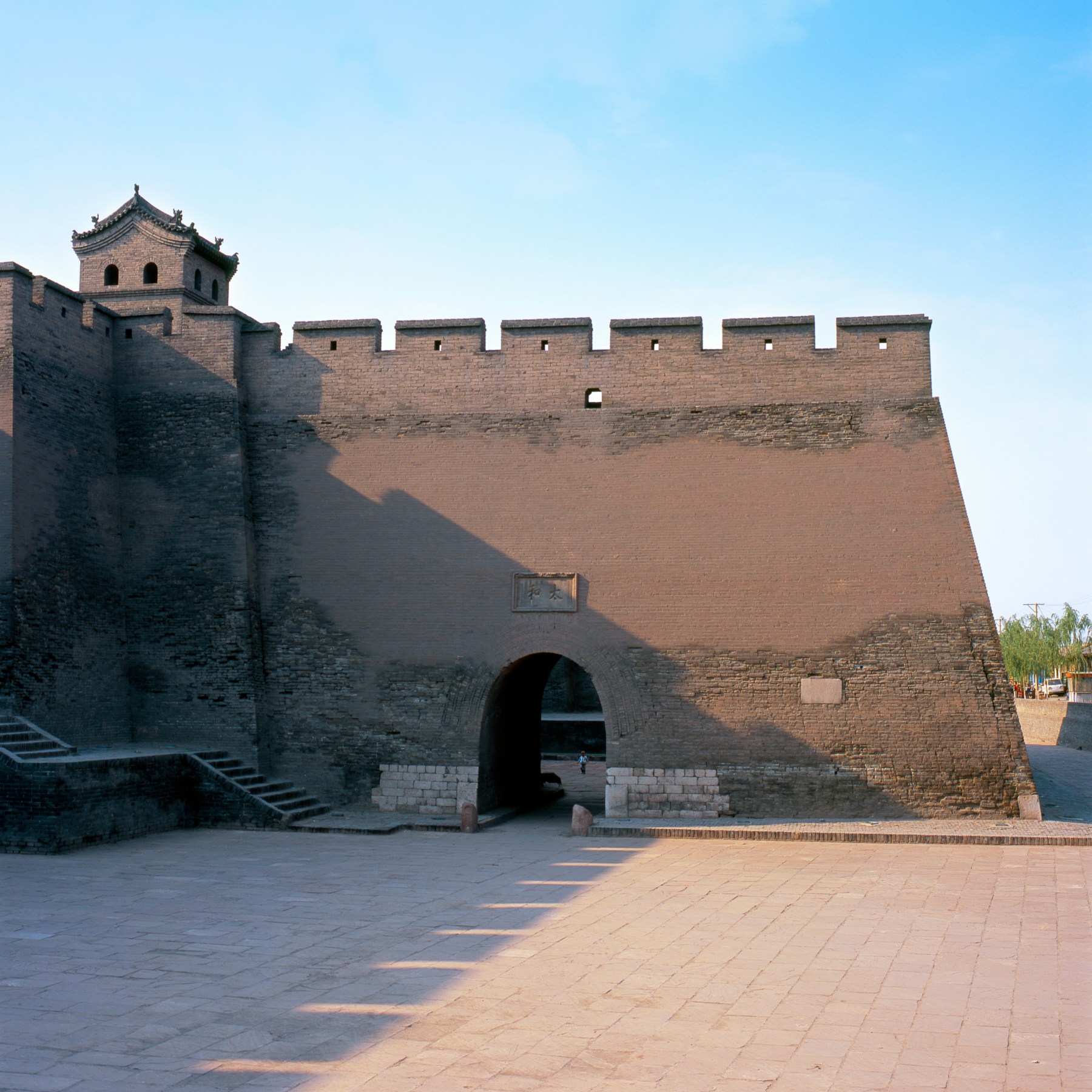
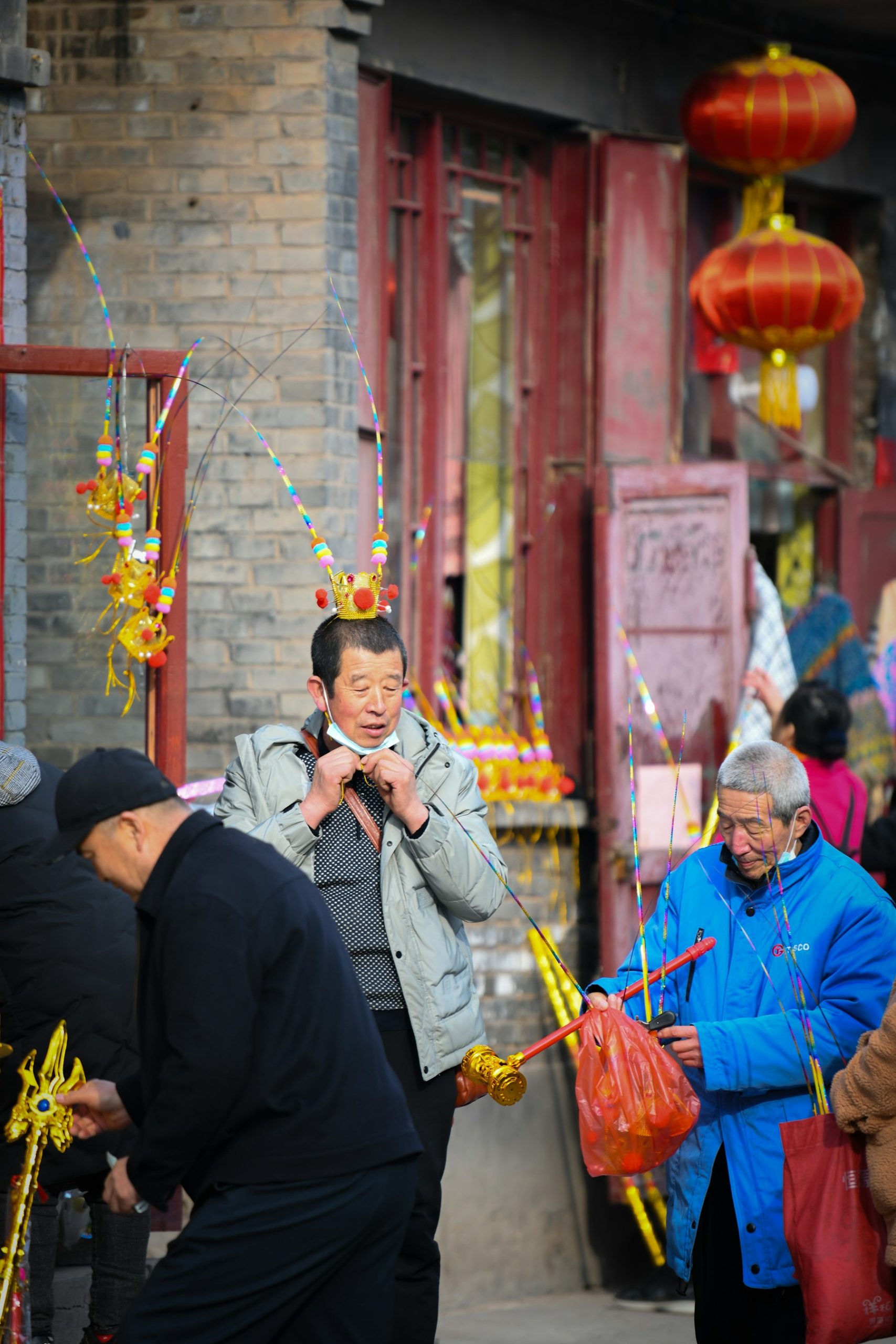
The photographs show Pingyao at the northern end of this corridor; they do not show Qinling road conditions, a current hotel arrangement or Vero Trip customers.
Is this the right route for your China trip?
Choose this corridor if you want to connect Sichuan with northern China through historic routes, museums and towns. It suits travellers who enjoy the movement between regions and have enough time for several hotel changes. It is less suitable if the main aim is a relaxed stay in one city, a short first visit or a holiday built around only Xi’an and Pingyao.
Chengdu is in Sichuan. Hanzhong, Xi’an and Hancheng are in Shaanxi; Linfen, Pingyao and Taiyuan are in Shanxi. Shaanxi and Shanxi are different provinces. Use the exact city and station names when requesting transport, particularly when an English itinerary uses both provincial names.
Choose the journey length by what you keep
Shorten the route by removing a branch, not by expecting every transfer to leave time for a full day of sightseeing. The following options describe different travel choices rather than interchangeable versions of the same daily programme.
| Planning option | What it prioritises | Main trade-off |
|---|---|---|
| About 9–10 days, with rail and local cars | Selected Shu Road/Hanzhong visits, then Xi’an and Pingyao/Taiyuan | Omit the Hancheng–Linfen road branch or some city time; check actual train services and station transfers. |
| 12 days / 11 nights | The complete overnight sequence shown below | Several one-night stops; sightseeing must fit around real transfer conditions. |
| 14 days or longer | The same corridor with extra Xi’an time and another rest or heritage day | More accommodation nights; choose the extra experiences before requesting a quotation. |
If Xi’an is a first-time priority, add a full day or more rather than treating its overnight stop as a complete visit. Likewise, keep a full Pingyao day if the old town is one of the reasons for the trip. Arrival and departure days count in a calendar itinerary but may provide very little sightseeing time.
A 12-day example with clear overnight stops
This sequence preserves the original northbound planning corridor while adding city time and a full Hanzhong day. The Guangyuan area is a potential visit on Day 4, not an additional hotel night. The Qinling crossing on Day 6 is a transfer, not a booked mountain trek.
| Day | Route or main focus | Sleep | How to use the day |
|---|---|---|---|
| 1 | Arrive in Chengdu | Chengdu | Check in and keep arrival-day sightseeing optional. |
| 2 | Chengdu | Chengdu | Choose a city cultural day and prepare for the northbound journey. |
| 3 | Chengdu → Jiange | Jiange | Travel north; choose one realistic Jianmen-area visit if arrival time permits. |
| 4 | Jiange → Guangyuan area → Hanzhong | Hanzhong | Allow for the road transfer. Add a short Guangyuan heritage stop only if the day permits. |
| 5 | Hanzhong | Hanzhong | Choose museum and plank-road interpretation according to opening and walking needs. |
| 6 | Hanzhong → Qinling crossing → Xi’an | Xi’an | Make the mountain crossing a transfer day; use an appropriate modern route. |
| 7 | Xi’an → Hancheng | Hancheng | Continue to Hancheng. Add a night in Xi’an if its major sights are a priority. |
| 8 | Hancheng → Linfen | Linfen | Choose a manageable Hancheng cultural visit before the onward transfer. |
| 9 | Linfen → Pingyao | Pingyao | Travel to Pingyao and settle in; keep any detour optional. |
| 10 | Pingyao | Pingyao | Spend a full day on the old town and the sites you have chosen. |
| 11 | Pingyao → Taiyuan | Taiyuan | Reposition for departure; add a Taiyuan visit only if time and opening allow. |
| 12 | Depart from Taiyuan | None | Use the agreed airport or railway transfer; no further hotel night is assumed. |
The eleven nights are Chengdu ×2, Jiange ×1, Hanzhong ×2, Xi’an ×1, Hancheng ×1, Linfen ×1, Pingyao ×2 and Taiyuan ×1. If the dated road plan makes a transfer longer than your group is comfortable with, add a night or remove the optional visit. This table does not establish driving times, opening hours or accommodation availability.
Choose the northern Sichuan stops before extending north
Give the Sichuan part of the journey a specific purpose. Jianmen Pass is the mountain-and-fortified-pass choice; Cuiyun Corridor is the historic cypress-lined road choice. They ask different things of your day. Choose the walking and operating route at Jianmen rather than assuming its steepest or adventure sections are compulsory. At Cuiyun, the interest is the road landscape and old trees, rather than another summit objective.
The dated notices matter. An operator notice issued on 28 October 2026, reproduced by Guangyuan Daily, specified that Cuiyun Corridor would close for filming on 31 October. At Jianmen Pass that day, it specified north-gate entry and a restriction until noon on the Xianyun Market–Leiming Bridge–gate tower–south gate section. Do not use an ordinary south-gate route for that restricted period. For later dates, check the actual access notice rather than treating this one-day closure as permanent or assuming a reopening was independently confirmed.
Choose one Guangyuan-area stop before Hanzhong. Zhaohua Ancient Town suits an interest in streets and settlement history; Mingyue Gorge suits the story of transport through difficult terrain. An April 2026 report interviewing the local tourism authorities describes international visitors in the region and the gorge’s transport heritage. It also distinguishes popular ancient-road hiking from a fully developed attraction. This road itinerary uses public visitor areas; it does not turn an attractive forest track or a long walking product into an authorised shortcut.
What does “ancient plank road” mean on this trip?
The Shu Road is a historic network, not a single continuous visitor boardwalk between Chengdu and Xi’an. The regional visitor report describes several different heritage places and walking areas around Jiange and Guangyuan. Build the journey around selected public visits rather than assuming that every modern road follows an intact ancient track.
Near Jiange, decide whether the priority is a landscape visit, historic-road interpretation or a longer walk. Ask for the actual entrance, walking surface and return arrangement. Cable cars, steep paths and optional adventure activities should be named separately; they are not automatically part of a cultural sightseeing day.
In the Guangyuan area, Mingyue Gorge offers a way to understand historic transport routes. The regional report on Guangyuan’s visitor routes discusses its plank-road history. It does not replace a current visitor-access check. If the site is closed, the day is too crowded or the walking is unsuitable, keep the northbound transfer and choose another visit with a confirmed entrance.
A four-day Sichuan alternative with three local nights
If northern Sichuan is the main reason for travelling, use a shorter journey instead of committing to the full Taiyuan corridor. This example starts after your Chengdu stay and ends with a return to Chengdu. It replaces the twelve-day through journey; it is not four extra days silently added to that table.
| Day | A focused use of the day | Night or endpoint |
|---|---|---|
| 1 | Travel from Chengdu to the Jiange area; settle in and identify the next day’s entrance and pickup. | Jiange |
| 2 | Choose an open Jianmen Pass visit or Cuiyun Corridor visit with a suitable amount of walking. | Jiange |
| 3 | Continue towards Guangyuan and choose Zhaohua Ancient Town or Mingyue Gorge, according to access and your interest. | Guangyuan |
| 4 | Collect luggage and take the booked rail or road return to Chengdu, allowing station and hotel connections. | Chengdu; any hotel afterwards is additional. |
That is Jiange twice and Guangyuan once: three hotel nights. It keeps a full day for the chosen Jianmen-area visit and avoids forcing two substantial walks into one transfer day. If a dated closure removes that visit, change the date or rebuild the plan around an open public cultural stop; do not promise the same experience elsewhere.
For the full northbound journey, the shorter version’s two Jiange nights cannot simply be inserted without changing the total. Decide whether to add a day, remove another stop or retain the original one-night Jiange stage. Continuing from Guangyuan to Hanzhong is an onward journey, not the return to Chengdu shown here. Confirm the endpoint before buying a non-refundable train ticket or one-way car hire.
Use Hanzhong to understand the route, not just break a drive
Two nights in Hanzhong provide a full day between road stages. Choose the combination that fits your interest in history and your walking tolerance. A museum visit can make the engineering and inscriptions easier to understand before or after a scenic-area visit.
The city government’s 2026 account of Hanzhong Museum describes plank-road interpretation and the Shimen inscriptions. Ask which museum section is open and where your intended exhibits are displayed. Do not assume that an inscription associated with a historic road is still at its original outdoor location, or that a reconstructed visitor walkway is surviving ancient timber. The useful distinction is between the road landscape, a model explaining its engineering and the original inscribed stones displayed in a museum. Ask which you will actually see. The July report describes the Guhantai and Baijiangtan museum areas and the Shimen inscriptions; its summer children’s programme and a proposed touring display are not standing November activities or English-guiding commitments.
For a family or a group with older travellers, choose the shorter outdoor visit and preserve time for lunch and a seated break. A named scenic area can still include steps, exposed sections or a considerable approach from the vehicle. Ask for those details before making it the day’s only activity.
Crossing the Qinling: road day or rail alternative?
The cross-mountain leg links Hanzhong with the Xi’an side of Shaanxi. Use a current modern transport route selected for the actual weather and vehicle. A line on an itinerary is not a promise of access to every minor scenic road, forest track or mountain pass.
For passengers who prefer to reduce continuous road time, compare a train leg and a new local vehicle arrangement. China’s official announcement of the Xi’an–Chengdu high-speed railway identifies the corridor through Hanzhong and Guangyuan. It establishes the rail connection, not today’s departure times or seat availability. Search the actual travel date and exact stations on China Railway 12306, then include the hotel–station transfers.
Mountain scenery and roads can be affected by heavy rain, fog or winter conditions. Keep the transfer flexible and use local road and weather instructions on the day. If a route is restricted, take the lawful alternative or change the overnight plan. Do not continue onto an unapproved track to preserve the appearance of a scenic itinerary.
An autumn photo loop from Xi’an is a separate outing from the Hanzhong–Xi’an transfer. If Liuba or another scenic mountain road is a priority, add time and a suitable overnight rather than inserting it into a full transfer day. A quiet weekday report does not predict the next weekend, and busy autumn dates can bring queues even outside a public holiday. Ask for the exact entrance, parking arrangement, direction of travel and fallback before leaving the previous base.
The Shaanxi transport department’s current construction list separates road sections, directions and vehicle conditions. Its late-October entries include G210 works and separate controls in other parts of the province. Do not interpret a province-wide list as a closure of every Qinling road, or a clear route for your vehicle. Confirm the actual modern through route, hotel approach and planned detours for Day 6; a restricted minor road is not permission to improvise another forest track.
Plan Hanzhong hotel access around the dated bridge works
The Hanzhong traffic-police notice published in October 2026 identifies particular connecting bridges, not a blanket closure of the whole Qinling through route. Two announced closure periods begin on 1 November. Give the driver the hotel address and the bridge name when agreeing the city approach.
| Connecting bridge | Announced closure period | Effect on this itinerary |
|---|---|---|
| Hanjiang Bridge on the Hanzhong East connecting road to G5 | 1 November 2026–31 May 2027 | Rebuild the hotel approach; the notice identifies alternatives using Puzhen or Hanzhong North on G7011, among other options. |
| Hanjiang bridge on the Shangyuanguan connecting road to G5 | 1 November 2026–30 April 2027 | Relevant to a chosen Chenggu-area approach; check it before adding a detour. |
These are city-access decisions as well as driving decisions. A hotel reached by a different interchange may need a different pickup allowance on the day you leave for Xi’an. Use the current signed diversion, rather than a saved navigation route. The notice’s announced end date is not proof of reopening, and the appropriate alternative depends on your direction, hotel and vehicle.
If you replace the Hanzhong–Xi’an drive with rail, settle the vehicle handover before paying for the train. A hired car does not disappear while you ride: either arrange an accepted return and a new vehicle, or explicitly quote how an operated vehicle and driver reposition. Identify where large cases go, who carries them into the station, and which Xi’an station has the new pickup. Keep passport documents, medicines and essentials with you.
Use the rail choice to reduce the road commitment, not to add a full mountain detour before the station. Train availability and the road diversion are separate checks. If the original hotel-to-station margin no longer fits, remove the optional stop, move the departure or keep another night.
Why keep Hancheng and Linfen?
Hancheng and Linfen make this a different journey from a simple Chengdu–Xi’an–Pingyao rail route. Retain them when the smaller historic-town and regional-culture stops are part of your reason to travel. Choose the specific visits first, then work out the road stages and hotel bases.
If those interests are secondary, a shorter rail-and-car journey can be a better fit. Remove the branch explicitly instead of presenting it as the same itinerary with faster transfers. For any village, temple or museum visit, confirm the actual public entrance, opening day, passport booking process and amount of walking before adding it to the written programme.
Finish with enough time for Pingyao and Taiyuan
Two nights in Pingyao leave one full day for the old town. UNESCO’s Ping Yao entry explains its historic urban importance. Choose the individual places you want to enter; an old-town walk and admission to every museum or other attraction are different arrangements.
For an old-town hotel, ask where the vehicle can stop, how far you carry luggage and whether porterage is offered. Confirm the bed, bathroom, heating or cooling and stair access rather than choosing solely from courtyard photographs. Keep essential overnight items accessible if the main luggage must be handled separately.
Use Taiyuan as a proper final base when it makes your departure easier. State the airport or railway station and keep the final transfer separate from sightseeing. An early departure is a reason to reposition the previous day, not to rely on a rushed morning drive from another town.
Driver-led, self-drive or motorcycle?
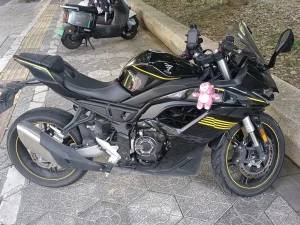
This guide uses a passenger-oriented road journey as its main example. It does not offer a motorcycle departure. Travellers who want to ride or drive themselves need a separate check of entitlement, vehicle supply, local restrictions, insurance and one-way return arrangements.
| Travel style | What it can solve | What must be confirmed |
|---|---|---|
| Driver-led car journey | Point-to-point hotel transfers and selected visits without self-driving | Legal vehicle/operator, driver duties and hours, luggage space, overnight charges and whether a separate English-speaking guide is included. |
| Rail plus local cars | Reduce some long intercity road legs | Actual date/stations, tickets, luggage handling, hotel–station transfers and availability of a new local vehicle. |
| Self-drive rental | Greater control of stops where driving is lawful | Appropriate Chinese driving authorisation, rental acceptance, insurance, vehicle category and one-way return; an overseas document alone is not the complete plan. |
| Motorcycle journey | A different riding-focused experience | Correct entitlement/category, lawful roads, current local restrictions, actual motorcycle supplier, equipment, support and recovery arrangements. |
For detailed procedures, use the foreign-driver guide and the motorcycle planning guide. A car-based alternative is not proof that a motorcycle can use the same roads or be rented to the same visitor. Traffic-police guidance on temporary driving permits distinguishes an issued Chinese permit from the overseas licence and translation carried with it. It also distinguishes rental-car entitlement from permission for a separately imported vehicle. Resolve the relevant local process before collecting a self-drive car in Chengdu; this route does not promise an airport counter, same-day issue or acceptance of a motorcycle rental. A driver’s service and an English-speaking guide’s service are also different things; specify both if your group needs both.
Make the itinerary work for your group
Tell the planner the ages of the travellers, comfortable walking level, hotel requirements and actual luggage count. Keep the Hanzhong and Pingyao two-night stays when frequent packing is tiring. If the number of one-night stops is still too high, remove a branch or extend the trip rather than compressing rest breaks.
Discuss food allergies, halal preparation and prayer requirements before choosing the smaller-town overnights. Request the actual meal arrangements and time for breaks. A dish made with beef or lamb does not by itself establish halal suitability. Confirm the ingredients, preparation and service arrangements that matter to your group.
Carry the passport used for hotel and transport bookings and check that each reservation uses the right document details. Keep hotel addresses, pickup locations and a reachable contact method available offline. If you change from road to rail, revisit the luggage and last-mile plan instead of changing only the timetable.
Compare the cost of a through car with a rail handover
Ask for two versions only if both solve the same holiday: a continuous operated-car journey, and a rail-plus-local-cars version keeping the visits you value. A cheaper quote that removes a hotel night, moves luggage handling to you or drops interpretation is a different service.
| Decision | What belongs in the price comparison | What it changes |
|---|---|---|
| Continuous road vehicle | Driver days, overnight costs, fuel, tolls, parking and final positioning or one-way return. | The vehicle may be needed on rest days even when it covers little distance. |
| Rail and a new local vehicle | Tickets, both station transfers, case handling and the next vehicle’s pickup conditions. | Savings on a long road leg can be offset by separate transfers and handovers. |
| Self-drive hire | Permit requirements, accepted return branch, deposit, insurance, mileage and one-way fee. | A planning map does not establish that the rental company allows this collection-and-return pair. |
| Extra cultural or rest day | An additional room night, the vehicle decision for that day and any separately requested guiding. | A full Xi’an day or a slower Jiange stay changes the total days and nights. |
Keep the quote tied to a calendar, including the day the vehicle is returned and the day you leave Taiyuan. Weather changes, an unused admission and a missed independent rail connection may have different cancellation terms. Request the actual written terms instead of assuming that every alteration produces either a free replacement or a refund.
What should a written proposal include?
Ask for a day-by-day route with hotel nights, realistic transfer allowances and named optional visits. The service list should identify the vehicle and luggage capacity, driver and guide coverage, hotels, tickets, meals, parking/tolls, one-way charges and cancellation conditions. For an activity affected by weather or closure, agree whether the first alternative is a different day, another site or a recoverable refund under the supplier’s terms.
If walking is your priority, design a separate trip around currently open, authorised visitor paths and the day-by-day walking effort. Do not substitute the kilometre targets of a long trek for the shorter cultural visits suggested here. The Yellow River and Shanxi heritage itinerary is another regional structure, not evidence that this northbound corridor is a currently available product. Read each published itinerary and confirm its own route and services.
Questions before you settle the route
Can this be a six-day sightseeing holiday?
For most groups, keeping the whole sequence in six days leaves little room for the visits, rest and delays that make the route worthwhile. Choose a smaller section, use rail for a shorter itinerary or allow more days. Do not confuse six driving stages with six usable sightseeing days.
Do we walk the ancient plank roads continuously?
No. The itinerary connects selected public heritage visits using modern transport. Confirm each visitor route; it is not a continuous ancient-road trek.
Can the direction be reversed?
The same planning corridor can be considered from Taiyuan to Chengdu, but vehicle availability, one-way arrangements, ticket dates and arrival/departure timing must be rebuilt. Reversing the place names does not confirm those arrangements.
What should we send Vero Trip?
Send travel dates, the group’s ages and size, desired start/end cities, preferred travel mode, walking pace, room setup, luggage and food requirements. Identify whether the priorities are Shu Road heritage, the Qinling journey, smaller towns or Pingyao. Use Plan My Trip to discuss the route, or compare the broader China road-trip collection before choosing the final scope.