Updated 22 October 2026
Campervan travel in China works best when the vehicle, driving permission and overnight bases are arranged together. Start with a short regional journey using confirmed places to stay, refill and empty the tanks. A bed inside the van does not make every car park a campsite, and a rental listing does not establish that a foreign visitor can collect that vehicle.
Decide first whether you want to rent a Chinese-registered motorhome, bring your own foreign-registered campervan, or enjoy a campsite without driving an RV. This guide concentrates on choosing and living with the vehicle inside China: parking, sleeping, supplies, comfort and support.
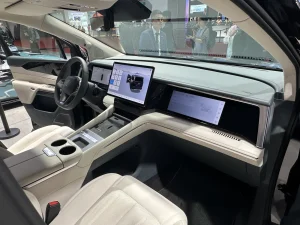
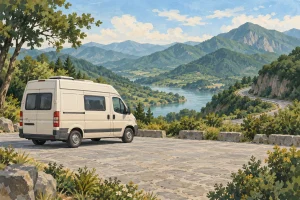
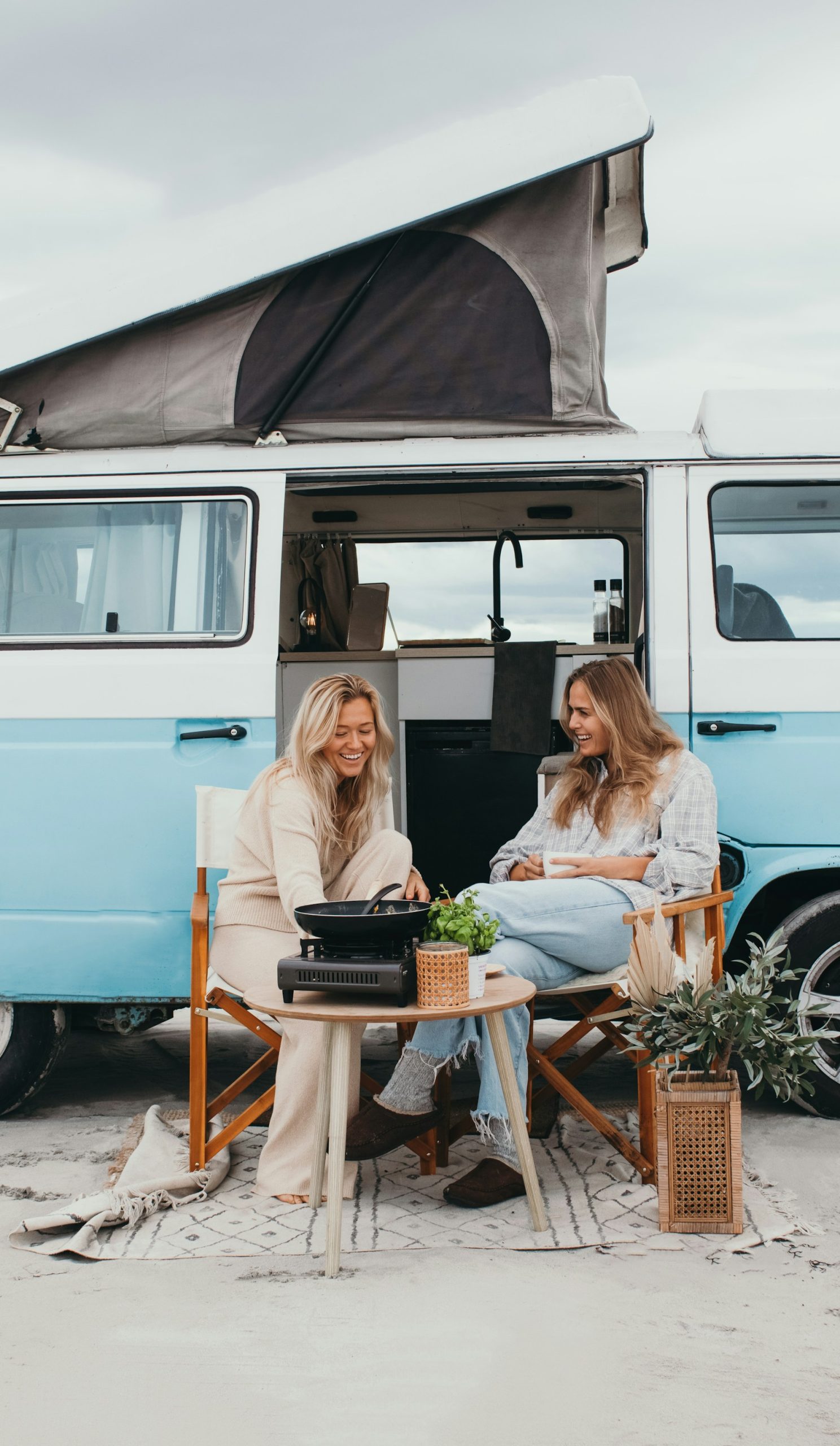
The photographs show examples of campervan living outside China. Use them to think about space and outdoor routines; compare the actual vehicle and permitted overnight site offered for your Chinese trip.
Choose the holiday before choosing the campervan
| Your priority | Consider this | Resolve first |
|---|---|---|
| Driving between a few countryside bases | A locally rented self-propelled motorhome | Your driving category, branch acceptance and usable overnight sites. |
| A longer international overland journey | Your own foreign-registered campervan | Vehicle entry, permitted route and exit arrangements before campsite bookings. |
| Trying a night outdoors without learning a large vehicle | A stationary campsite unit, or a car with hotel stays | Actual accommodation facilities, foreign-guest registration and local transport. |
An RV suits travellers who enjoy preparing meals, managing equipment and spending time at a base. It is a less convenient choice for a holiday dominated by historic lanes, city-centre parking and a different distant destination every night. Compare the whole cost with a car and rooms, including campsite charges, fuel, cleaning, supplies, parking and any lost sightseeing time.
For a local rental, use the China car-rental pickup and return guide for the general document sequence. If the campervan crosses an international border, start instead with bringing a car or campervan into China. Domestic rental permission does not settle foreign-vehicle admission.
Match the registered vehicle to the driver
Ask for the registration category, permitted seats, registered gross mass, length, transmission and actual travelling height, including roof equipment. Brochure labels such as “B-type” or “C-type” describe RV designs; they are not Chinese driving-licence categories. Sleeping berths also do not establish the number of people who can travel legally and safely.
| Vehicle arrangement | Relevant distinction | Your next step |
|---|---|---|
| Small self-propelled motorhome | C1 may cover a qualifying vehicle; C2 covers the corresponding automatic category only. | Have the traffic authority and rental branch match the registration to your actual entitlement. |
| Tow car and caravan | C6 concerns qualifying light towing combinations, with total combination mass strictly below 4,500 kg. | Check both vehicles and the driver’s towing entitlement; do not infer permission from a car licence alone. |
| Larger motorhome or different registered class | A larger vehicle can require a different category. | Do not accept a size upgrade until the licence, insurance, seats and route still fit. |
Nanchang traffic police’s RV explanation describes C1-compatible self-propelled vehicles as under six metres, under 4.5 tonnes and no more than nine seats. The official category table distinguishes C2 automatic vehicles and C6 towing combinations. Use the registered details, not an estimate of the van’s empty weight.
For visitors, the Beijing traffic authority’s January 2026 temporary-permit instructions limit permission for rented Chinese vehicles to C1 or C2, matching the overseas licence. A temporary permit is therefore not a shortcut to renting a caravan combination that requires C6. Obtain a case-specific answer before choosing a trailer. Beijing’s application arrangements are not a promise about another city’s issuing office.
Get the rental branch’s acceptance in writing
Send the proposed branch your nationality, document type, overseas licence category, Chinese driving credential and intended payment card before booking. Ask it to confirm the named driver, exact model or permitted substitute, pickup location and travel region. A website showing an available vehicle does not answer these questions.
The RV2Go operator FAQ lists passports for foreign customers, but also lists a Chinese driving licence and a driver-owned credit card issued by a mainland Chinese bank. Its public page does not establish acceptance of every temporary permit, overseas card or visa-free visitor. Ask the actual branch to resolve those points against your documents and dates; the FAQ is not a Vero Trip fleet or rental offer.
Keep the booking confirmation and substitution terms accessible offline. If the replacement is taller, has fewer suitable passenger seats, uses a different transmission or cannot take your child seat, pause the handover. An apparently more expensive model can be a worse fit. Arrange a conventional car or hotel alternative before a fixed departure makes the decision urgent.
Treat every overnight stop as a small reservation
Choose the overnight base before adding nearby attractions. Ask a named site contact about your particular vehicle and whether people may sleep inside it. Day parking, overnight vehicle storage and occupied camping are different requests. Permission to stay also does not establish that water, power, a shower or waste disposal is available.
| Decision | What to obtain | If the answer is unclear |
|---|---|---|
| Access and overnight use | Entrance height, turning space, arrival window and explicit permission to occupy the van overnight. | Choose another managed site or a room with confirmed RV parking. |
| Foreign-guest registration | Who handles the actual overnight address and what documents are needed. | Contact local police before arrival; keep a hotel alternative. |
| Water and toilet waste | Refill point, whether water is drinkable, and separate facilities for grey water and toilet waste. | Refill or empty at an appropriate facility before staying elsewhere. |
| Power and weather | Compatible hookup, allowed load, site weather restrictions and closure contact. | Change the base if the vehicle cannot provide the comfort or safety required. |
China’s September 2026 RV measures encourage better parking and service-area facilities, including water, electricity and waste services. That policy is not evidence that a particular motorway stop already supplies them, or that an occupied overnight stay is permitted there. Follow local signs and the site’s conditions on outdoor cooking, awnings, fires and noise.
Foreigners staying outside hotels must arrange accommodation registration within 24 hours. The National Immigration Administration’s September 2026 notice introduced nationwide online registration alongside in-person channels. Its application guidance sets conditions for who can submit online. Do not assume a first-time camper can register any map pin independently. Ask the campsite and local police how to register that actual stay; if the online route is unsuitable, follow the local in-person procedure. Registration does not grant camping permission.
Choose the pitch for the night you will actually spend there. Ask how far it is to the toilets and showers, whether the surface is firm enough for your vehicle after rain, and whether late arrival changes access to the gate or facilities. A site with individual water and electricity at some pitches may offer different facilities elsewhere. Request the exact pitch and connection rather than only the campsite name.
Check wind and rain arrangements before putting out an awning or setting up outdoor furniture. Agree when to pack equipment away and how you will make a simple indoor meal if the weather changes. For overnight heating or cooling, follow the vehicle instructions and use the supplier-approved operating mode; another camper’s experience does not establish safe operation for your vehicle.
Learn the living systems before leaving the depot
Allow a daylight handover and operate the equipment yourself while staff are present. Photograph existing exterior and interior damage, inspect warning lights, and record the fuel and tank levels, mileage, keys and supplied equipment. Obtain the vehicle papers the supplier requires you to carry and a short operating guide you can understand.
For water, identify the refill inlet and each tank, then have staff demonstrate the toilet cassette or black-water system and the grey-water outlet. Locate the next suitable disposal point before the tanks become a problem. Carry separate drinking water unless the supplier confirms the intended drinking-water system and refill source.
For power, ask which appliances work from the leisure battery, which need a campsite connection, and what remains available overnight. Test heating or cooling in the mode you expect to use. Do not plan a hot or cold night around a battery-runtime claim that has not been explained for that vehicle and weather.
Have staff show the approved cooking fuel, shutoffs, alarm checks and storage procedure. Use only the connections and equipment specified for the vehicle. The SAIC MAXUS RVLIFE manual, for example, distinguishes non-drinking tank water, warns against unsuitable electrical connections and reserves gas-system work for professionals. Its specifications belong to that vehicle series, not every rental RV.
Ask how freezing weather changes the water system and which services become unavailable after winterisation. A van with a shower in its photographs may not provide a usable shower under the conditions of your trip. Keep water and waste fittings separate, and use designated disposal facilities rather than roadside drains or open ground.
Make the space work for children, older travellers and meals
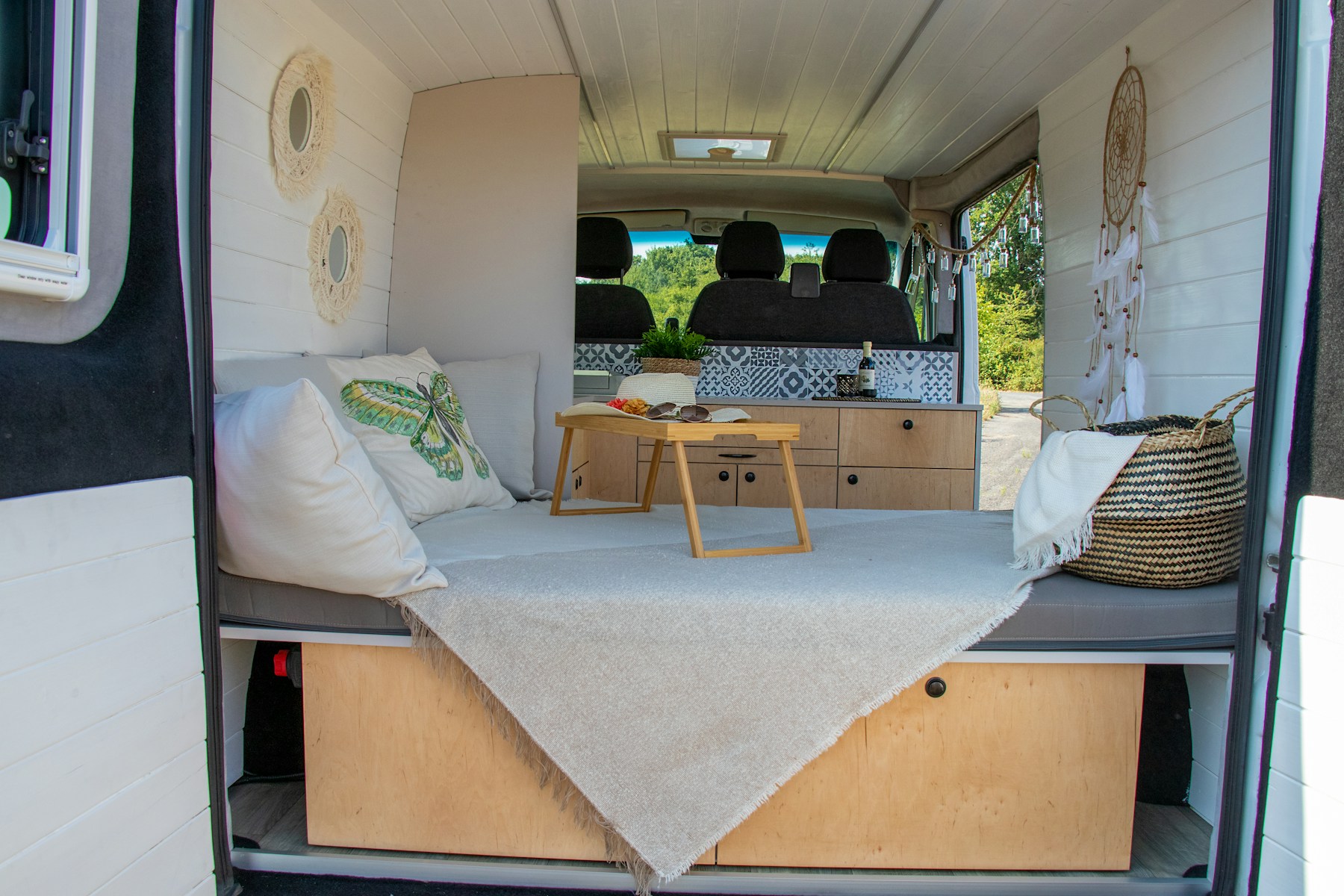
Send children’s ages and sizes before choosing the vehicle. Request photographs of the actual travelling seats and restraint attachment points, then confirm a compatible child seat is supplied or can be fitted. Beds, sofas and dining seats are not substitutes for suitable restrained travel positions. The manufacturer’s instructions for the vehicle and child restraint should govern the installation.
Try the entry step, bathroom, bed access and nighttime route to the toilet. An older traveller may manage a daytime visit easily but dislike climbing into an upper berth after dark. If someone needs dependable heating, accessible washing facilities or quiet sleep, include room nights and choose the campsite accordingly.
Pack soft bags where possible and confirm where luggage stays while driving and when beds are made up. Ask about payload after passengers, water, fuel and equipment are included. Secure loose belongings using the vehicle’s designed storage, keeping the doorway and essential controls accessible. A full-size suitcase that fits the aisle may leave nowhere to stand at night.
A kitchenette helps with familiar meals but does not establish halal ingredients or suitable preparation. Muslim travellers should agree shopping stops, utensils, food-storage arrangements and a permitted private space for prayer. Plan meal and prayer breaks before leaving a base. Keep a simple meal option for rain or a closed restaurant, and confirm that refrigeration works in the operating mode you will use.
Build a first trip around two reliable bases
For a first rental, favour a loop from one depot over a long one-way crossing. One-way return availability, fees and recovery responsibility need separate agreement. Choose two bases with the facilities your passengers actually need, allowing consecutive nights at each rather than moving every evening.
A practical first-day pattern is arrival, paperwork, handover and a nearby overnight stop. Try the bathroom, bed conversion, lights and breakfast routine before driving farther. Use the next day for a local outing and resolve equipment questions while the rental branch remains easy to reach. This is a planning pattern, not a fixed-duration package or a promise of same-day permit issuance.
In Yunnan, choose countryside bases with practical access to your sightseeing instead of assuming an RV can park beside an old-town hotel. Arrange walking, a local transfer or other suitable transport for narrow historic centres. The Yunnan self-drive planning guide helps organise overnight regions; it does not identify confirmed RV campsites. Shorten the loop if access or weather makes a base unsuitable.
Agree the money and breakdown plan before collection
| Item | Ask the provider to specify | Why it matters |
|---|---|---|
| Payments and security | Rental total, accepted card, deposit holds, release conditions and evidence supplied at return. | A security hold is different from a paid rental fee. |
| Insurance and damage | Covered drivers, deductibles, glass, roof, underside, interior equipment and exclusions. | Vehicle insurance does not automatically pay for every camper fitting. |
| Assistance and interruption | Contact language, operating hours, recovery limits, replacement availability and accommodation responsibility. | A roadside-help number alone does not explain how the holiday continues. |
| Return and changes | Fuel, tank-emptying, cleaning, mileage, late return, substitution and cancellation terms. | The cheapest advertised daily price may omit decisions that affect the total. |
Before departure, save the rental contract, assistance contact and vehicle identification offline. If a fault occurs, stop where safe, protect passengers, and contact the operator for instructions. Seek emergency help when needed. Obtain authorisation before arranging repairs and retain photographs, messages and receipts. Do not attempt gas or electrical repairs to rescue the itinerary.
Use a staffed return appointment where possible. Complete the condition check together, including the living area and equipment, and obtain a written handover record. If an unattended return is agreed, establish exactly when responsibility ends and what evidence the provider requires.
Send a vehicle-and-comfort brief to Vero Trip
For Vero Trip trip planning, send your dates, arrival city, preferred region, nationalities, driver credentials, group size, children’s ages, luggage and daily driving tolerance. Add whether you want a local rental, your own vehicle or stationary campsite accommodation, plus bathroom, heating, dietary and prayer requirements.
Ask for a route built around suitable overnight bases and the provider confirmations still needed. A rental offer should identify the actual supplying company, accepted documents, vehicle, insurance and support in writing. If an RV does not fit the available arrangements, compare a car with rooms or the China self-drive options before committing to the holiday.
Plan This Visit as Part of Your Journey
This guide introduces a possible visit rather than a confirmed package departure. Share your dates, starting point and the experience you want through Plan My Trip. Vero Trip can check access, travel time, language support and the services to include before quoting.
Explore related travel themes for other ways to shape the journey.