Updated 28 October 2026.
Choose Qingdao’s season by the holiday you want, not by a promise of perfect weather. For a first city-and-coast trip, look at spring or autumn when your priority is walking. Choose summer if the beach atmosphere matters most, while allowing for crowds, rain and humidity. Winter can suit a quieter architecture-and-food visit if you are comfortable with coastal wind and a more indoor-led plan.
These are planning trade-offs, not a forecast for your dates. The CMA’s Qingdao background description describes a coastal climate with distinct seasons. Use the current Qingdao forecast and local operating notices when deciding what to do on a particular day. Old averages and a photograph from another year cannot settle that decision.
A season-by-season choice
| Season | Good reason to choose it | Build in flexibility for |
|---|---|---|
| Spring | Architecture walks, parks and a possible flower-focused route | Cooler coastal conditions, variable bloom timing and holiday demand |
| Summer | A beach-centred holiday and lively seaside evenings | Rain, humidity, crowds and whether bathing areas are operating |
| Autumn | City walks, coast views and a slower sightseeing rhythm | Early-autumn holiday pressure, changing temperatures and wind |
| Winter | Food, museums and shorter outdoor sessions | Cold wind, reduced comfort outdoors and weather-dependent plans |
There is no single month that suits every traveller. A family hoping for long sandy-beach days has different priorities from a photographer interested in streets and roofs. Your tolerance for crowds, walking conditions and flexible dates should shape the decision alongside the season.
Spring: plan flowers as an opportunity
A spring trip can combine Qingdao streets and parks with a wider Shandong route. Keep the architecture, food and coastal walks as the durable part of the plan, then add flowers according to the actual conditions. Blossom timing depends on the year and location. Do not buy an inflexible route solely because a photograph promises the same scene on the same future date.
If flowers are the main interest, ask which locations are intended and how the route can change if bloom is early, late or affected by rain. A park visit may still be worthwhile without peak blossom, but that should match your expectations. The existing spring itinerary linked below includes a distinct seasonal routing; use its day-by-day sequence rather than treating it as a guarantee of flowers.
For clothing, think in layers and check the forecast close to travel. A bright city afternoon and an exposed waterfront evening can require different comfort choices. Keep a museum, meal or café option ready for a day when a long outdoor walk is less appealing.
Summer: give a beach holiday room to breathe
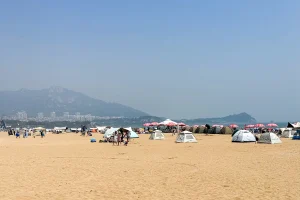
If sand, sea air and evenings outside are your priorities, make them the main purpose of the stay. Choose accommodation with a workable relationship to your preferred beach, then reduce the number of cross-city appointments. A beach holiday becomes tiring when each morning starts with a long journey and each afternoon is filled with another distant attraction.
Swimming depends on actual opening, supervision and conditions, not simply the word “summer”. Check the beach signs and warnings, and keep a shore-only alternative. On a hot or wet day, allow an indoor rest and avoid a rigid midday walking chain. The beach and coastal-walk guide distinguishes the different areas and activities.
If an event or beer festival is the reason for the trip, confirm the exact year, venue, dates and admission arrangements before booking around it. Do not assume a previous year’s calendar repeats. Accommodation, transport and evening plans should still work if you attend for less time than expected or decide that the crowd is unsuitable for your group.
Autumn: city walks without assuming empty streets
Autumn is worth considering for travellers who want a varied city visit rather than a swimming holiday. Plan the old town, an architecture district and one coastal day, then let the forecast decide the order. Early autumn can still overlap with busy holiday periods, so compare the actual travel dates and booking conditions rather than assuming the season is quiet.
Later in the season, daylight and outdoor comfort become more important to the daily schedule. Give hilltop or coastal activities the more suitable part of the day and leave food or indoor visits for the remaining time. Foliage varies between streets and years; do not promise that every tree in Badaguan will have the same colour during your visit.
Winter: keep the sea, shorten the exposure
A winter visit can still include the waterfront, but use shorter outdoor sessions with somewhere warm to go afterwards. Start with one old-town cluster, enjoy a proper lunch and choose a museum or café for the afternoon. A cold, windy promenade is not improved by adding several more kilometres just to complete an itinerary.
Cool-season gull watching can be an optional pleasure. A 2025 city report describes a historical coastal bird-watching period, but wildlife presence is not guaranteed. Observe from suitable public areas, avoid disturbing birds and do not make feeding or exposed-rock foraging a required activity. Snow scenes are also possibilities rather than a promise of a Qingdao winter trip.
Choose dates using four practical questions
| Question | If the answer is yes | Planning consequence |
|---|---|---|
| Is swimming essential? | The water activity is the main purpose | Check actual bathing operation and conditions; avoid relying on a city-weather average. |
| Are we travelling during a public holiday or major event? | Availability may matter more than a general seasonal label | Confirm rooms, transport and cancellation terms earlier. |
| Does anyone dislike heat, wind or long outdoor walks? | Comfort should shape the day | Use shorter clusters and reliable indoor breaks. |
| Can we move the Laoshan day? | The trip has some flexibility | Keep the most suitable forecast day available for the chosen sector. |
| Is a particular flower or photograph the only reason to go? | The trip depends on a variable scene | Add a worthwhile alternative before committing. |
A weather-resistant itinerary
Book the essential accommodation and transport, then keep the order of flexible city days open where possible. Have one outdoor-heavy plan and one indoor-led plan that each make geographic sense. A mountain closure should lead to a comfortable city day, not a rushed attempt to find an unconfirmed alternative path.
Check the forecast before departure and again locally. Also check venue notices: a sunny city forecast does not establish mountain access, cableway operation or sea conditions. Keep footwear and clothing appropriate to what you actually plan to do rather than packing only for a beach photograph.
Questions about the best time to visit
Is there a guaranteed best month? No. Choose spring or autumn for a walking-led first visit if the dates and conditions suit you; choose summer for a beach-led holiday and winter for a more indoor-balanced pace.
Can I combine Qingdao with a flower route? Yes, as a seasonal plan with flexible expectations. Vero Trip’s existing seven-day route below has a spring alternative, but actual blooms and services need date-specific confirmation.
How many days should I allow? See the three-day first-visit itinerary and the complete Qingdao planner. Give Laoshan its own decision rather than forcing it into an unsuitable forecast day.
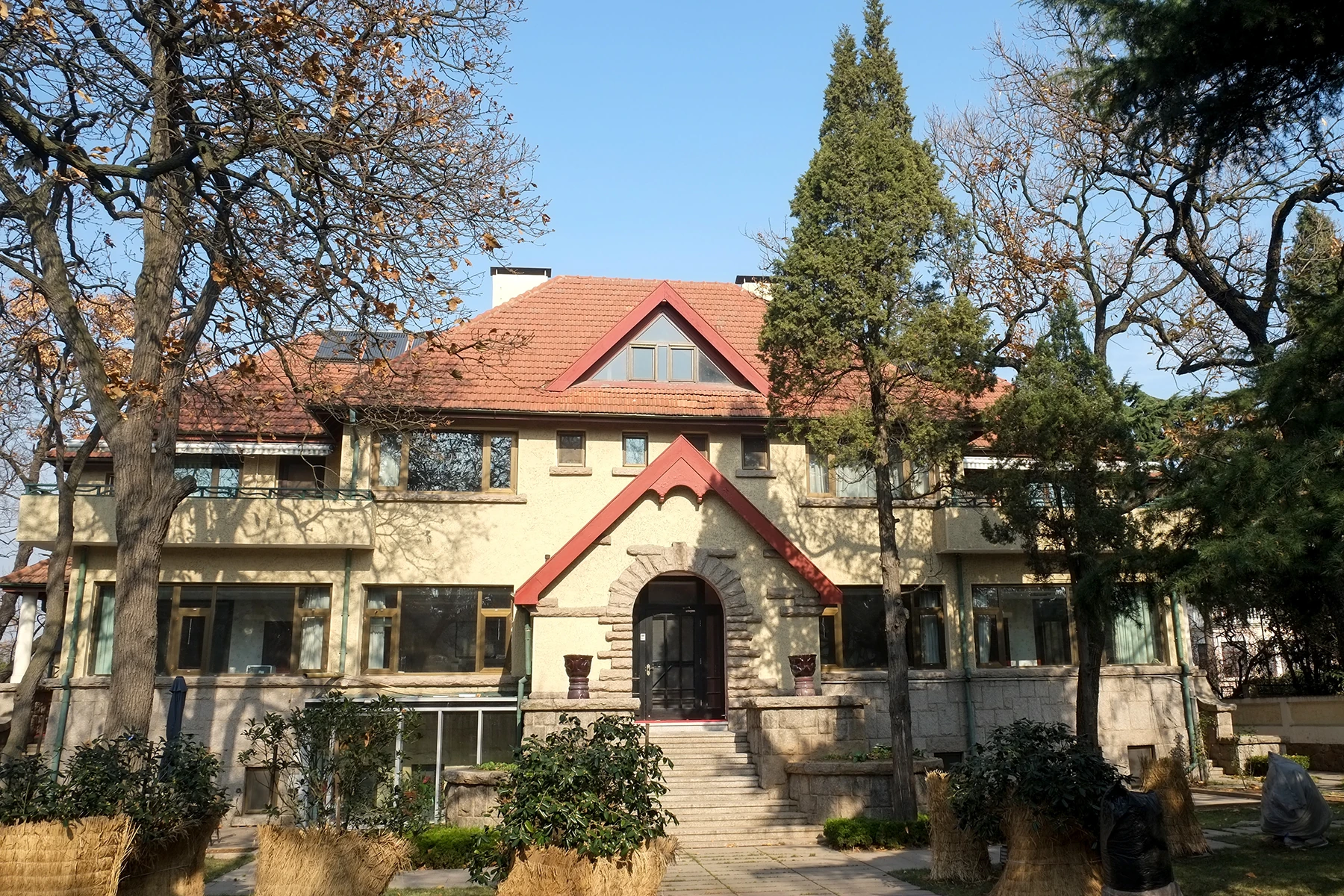
Badaguan architecture and trees photographed in December; seasonal foliage and weather vary.
Feature photograph: Windmemories, CC BY-SA 4.0, 12 December 2015, 12:26:57. Resized and converted to WebP; no scene alteration. Photograph adaptation available under the same license.