The reported 28km Abuji Tso new route runs from Xilianpen Pass through First, Second and Third Pastures, Snowline Camp and the lake area, with a return journey to account for. Its attraction is the progression of landscapes, not only the final lake view. Understanding the names and distance helps you evaluate a future proposal without mistaking a series of scenic stops for a short walk.
Access note: the Xilianpen Pass–Abuji approach is restricted by Diqing’s September 2026 notice. This is a landscape and route-reference guide; current departures are not offered.
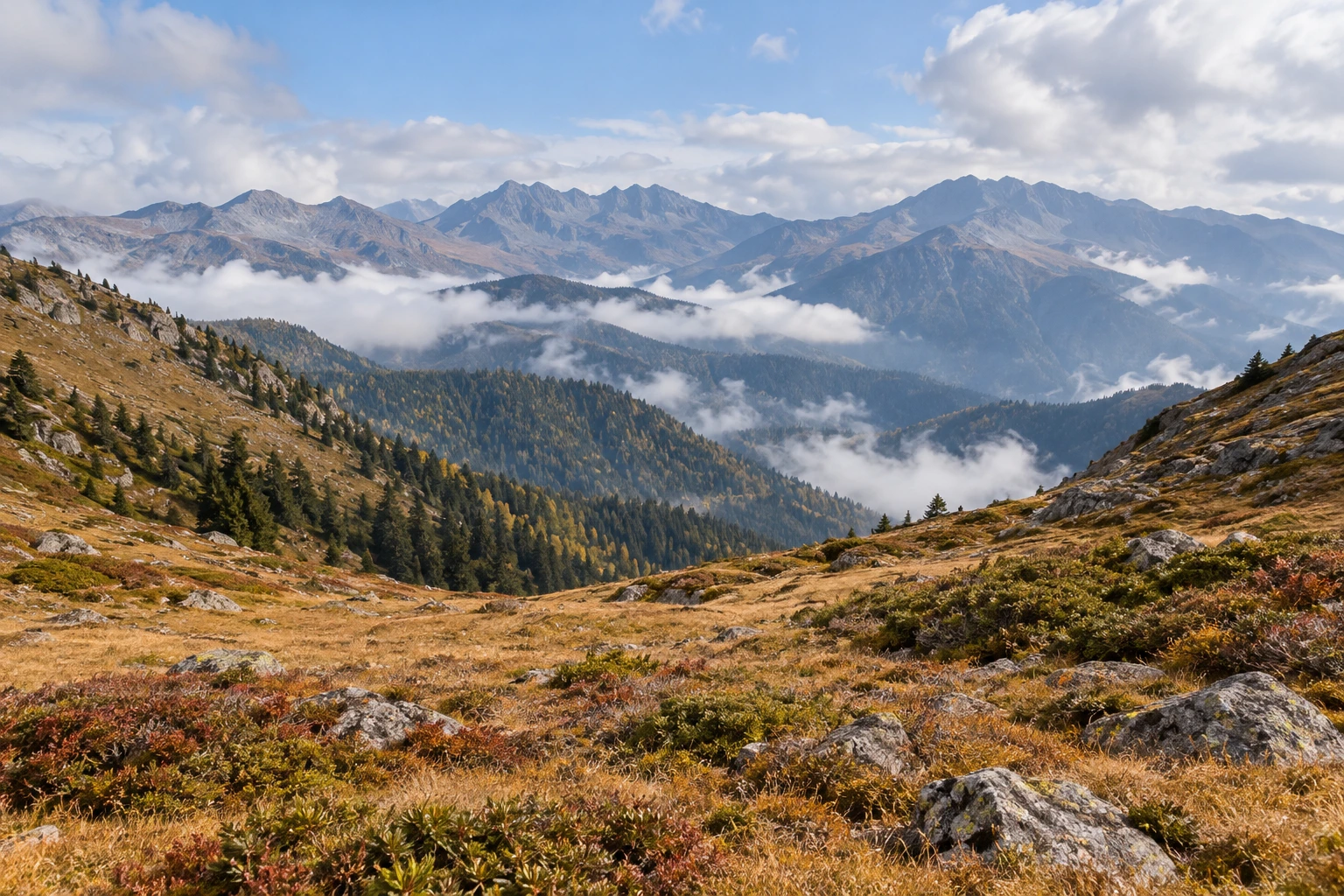
The cover and checkpoint pictures are illustrated landscape illustrations. They are not photographs of the actual entrance, numbered pastures or camp.
Read the route as one complete return journey
洗脸盆垭口 → 一号牧场 → 二号牧场 → 三号牧场 → 雪线营地 → 阿布吉措. In English: Xilianpen Pass → First Pasture → Second Pasture → Third Pasture → Snowline Camp → Abuji Tso. The 28km figure is the reported return total. It is not a verified distance between each pair of checkpoints.
A stage list helps establish which route someone means, but it leaves important questions unanswered. Where does the walking actually start? Does the destination mean the lake shore or a viewpoint above it? Is the return to the same entrance? Until those are clear, two people can agree on “28km” while describing different days.
Xilianpen Pass · 洗脸盆垭口
The pass is the name that distinguishes this approach from the shorter old route. It should be written explicitly in a proposal, because the access restriction concerns this approach. A general promise of an “Abuji hike” is not enough detail to establish which area is being discussed.
The cover shows a generic mountain-saddle landscape. It does not identify a lawful entrance, parking place or path. In any future reopened arrangement, access confirmation should come before booking a transfer or deciding that an early arrival will solve the day’s logistics.
First Pasture · 一号牧场
The first numbered pasture gives the route a recognisable early stage. For someone considering a long outing, its practical value is as an opportunity to assess the group’s pace and the time still needed. A pleasant first stop should not hide the amount of walking remaining.
Keep clothing and food easy to reach so a brief pause stays brief. If a future group has markedly different walking speeds, decide how it will stay together before the day begins. Repeatedly waiting for the last person without changing the plan can erode the return margin.
Second Pasture · 二号牧场
The middle pasture sequence is where the new route earns its reputation as a landscape journey rather than a direct lake approach. Give this part of a future plan room for looking around, not only moving from label to label. The scenery should be a reason to choose the route, rather than something missed while trying to meet an optimistic timetable.
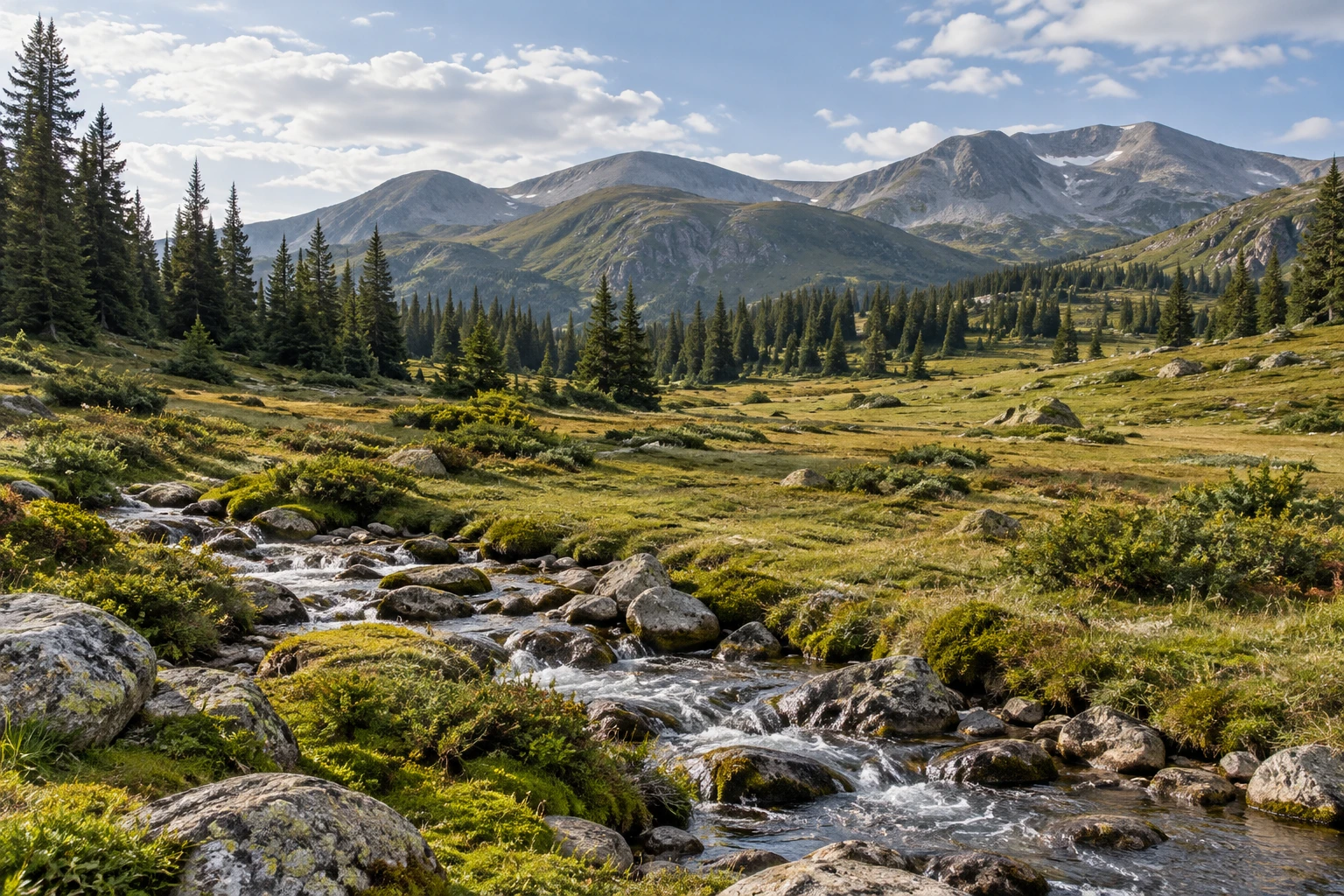
Discuss meal and drinking-water arrangements separately from the stop name. A hut or stall visible in an old photograph does not establish a service on your date. Carrying agreed supplies is different from assuming they can be bought halfway through the walk.
Third Pasture · 三号牧场
By the third named pasture, the route has already accumulated a substantial day of travel. A useful proposal should explain the decision point for continuing, including how the return would work if conditions change. This matters more than a promise that the final section is “nearly there.”
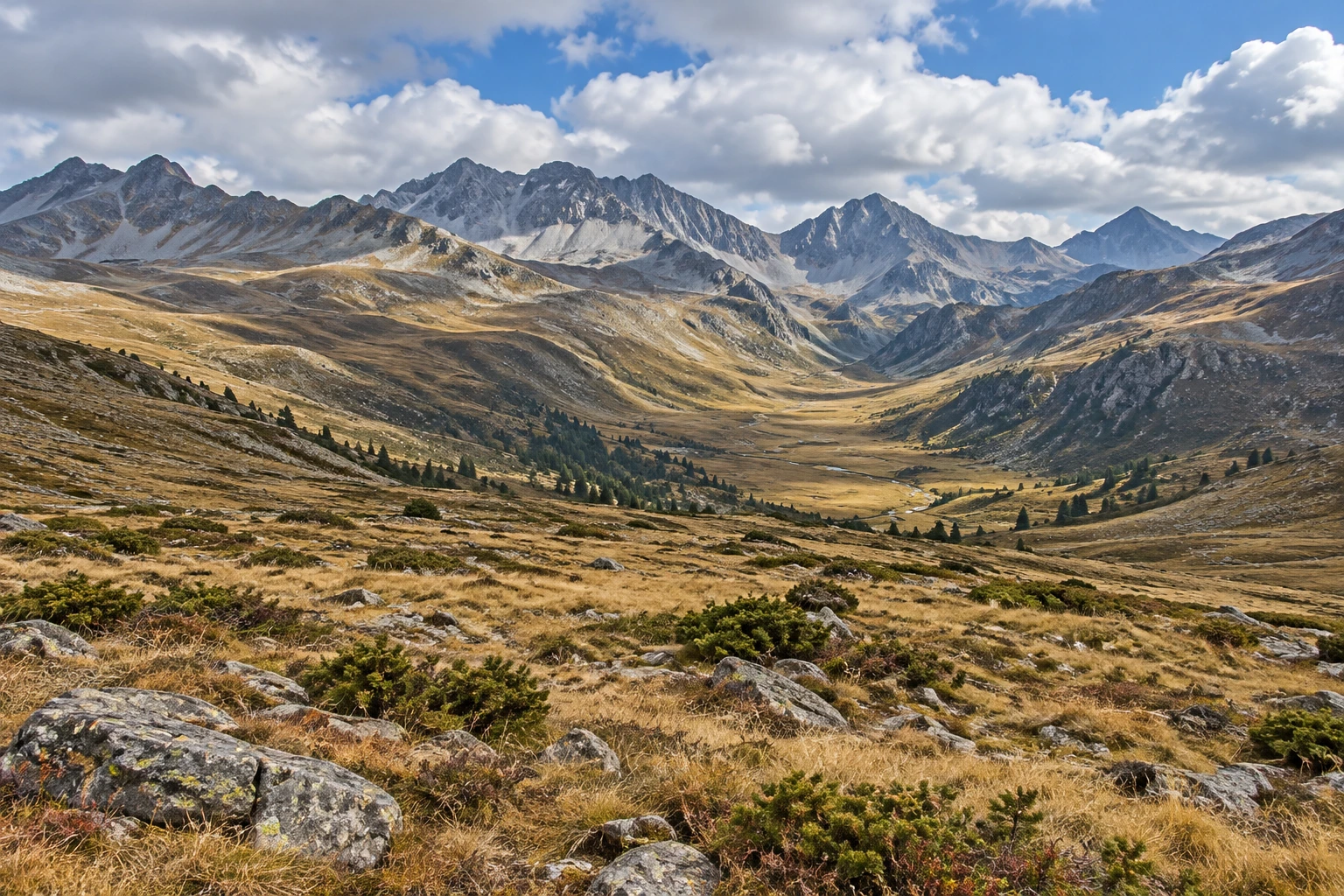
Numbered pasture names are convenient but may vary between descriptions. Match the Chinese wording, the agreed route outline and the actual authorized plan together. Do not treat a similar English name in an unrelated trail post as confirmation of the same location.
Snowline Camp · 雪线营地
The name evokes the upper mountain, but it is not a guarantee of permanent snow or an operating campsite. A place can retain a camp name without offering beds, staff, toilets or a meal. The illustration here deliberately shows landscape rather than invented facilities.
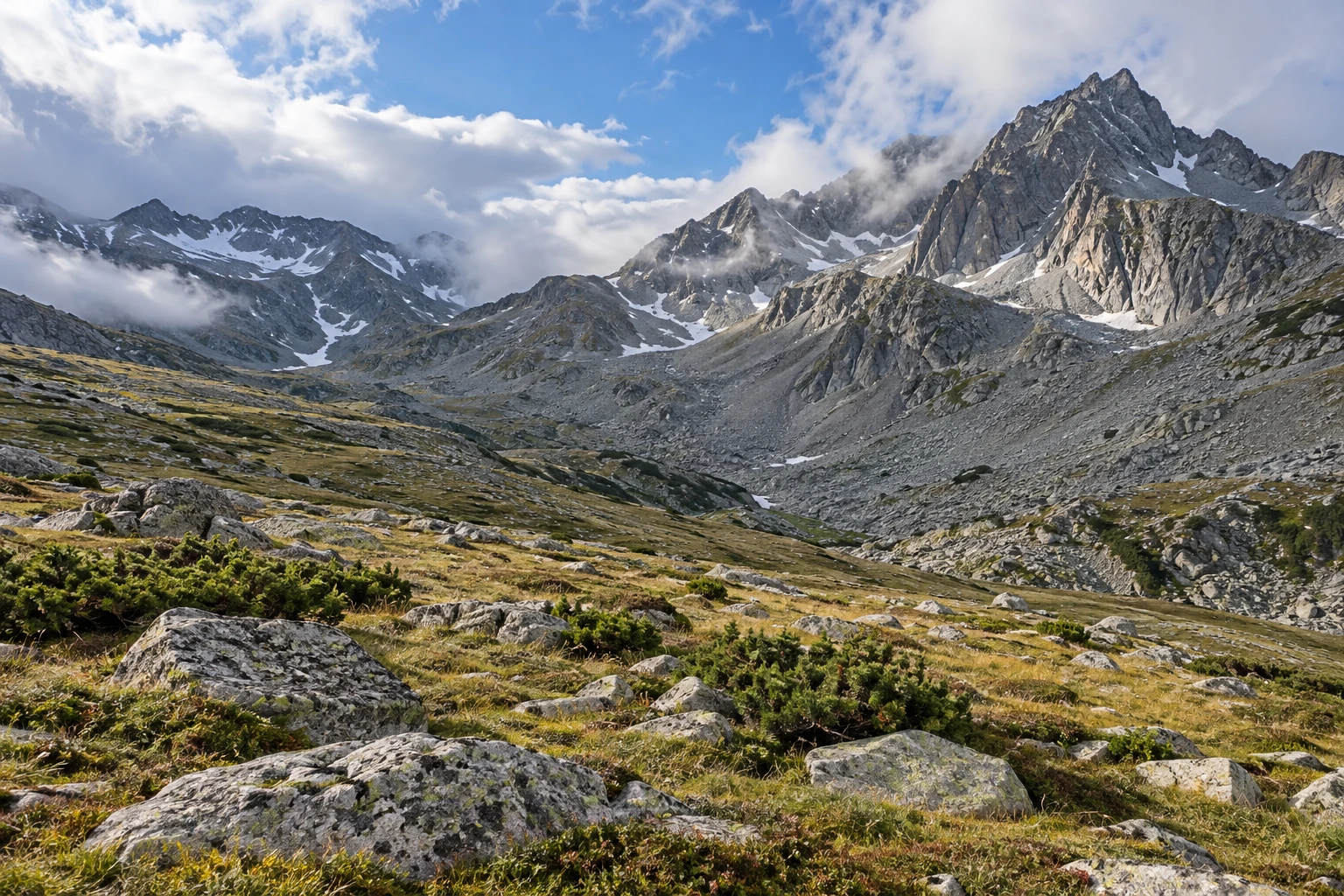
Overnight travel would require a separate plan, including access, camping permission, equipment, sanitation and carrying responsibilities. It cannot be added simply to make a long day feel easier. A future itinerary should state clearly whether it is a return day walk or a permitted overnight arrangement.
Abuji Tso · 阿布吉措
The lake area brings rock, water and mountain light into a single scene. Allowing time to appreciate it is part of a thoughtful itinerary. Rushing the whole approach for a photograph, then rushing back, loses much of the point of choosing the longer landscape route.
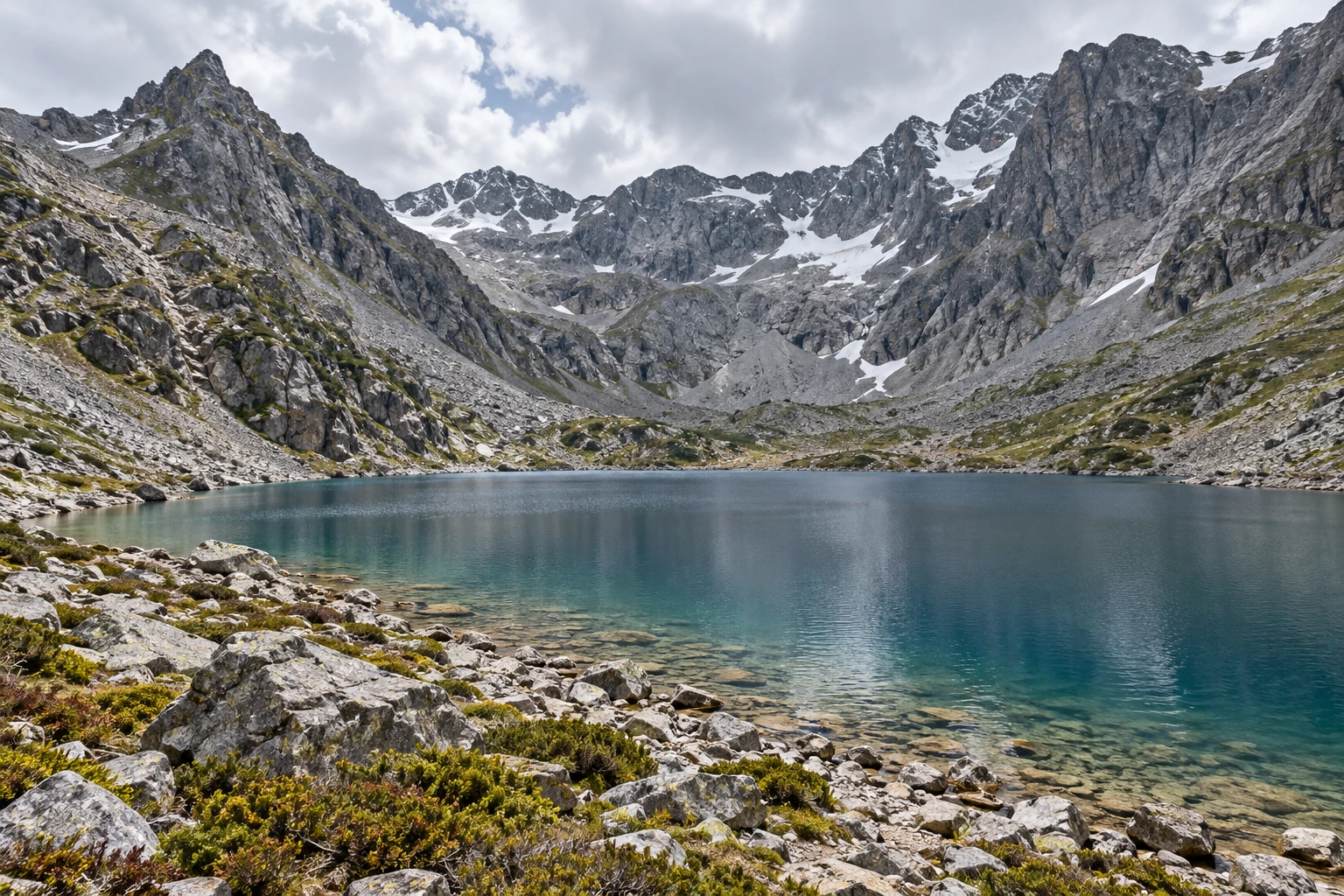
Define the turnaround precisely in any future permitted plan. A lake-edge stop, a viewpoint and a circuit around the water are different objectives. The distance and return margin need to match the chosen objective; no extra summit or shore circuit is assumed here.
Questions that make a future proposal useful
| Question | Why it changes the day |
|---|---|
| Has this exact approach reopened? | A general lake listing does not establish permitted entry. |
| Lake edge or a high viewpoint? | The turnaround affects distance and effort. |
| Return to the same entrance? | A point-to-point outing is a different route. |
| What is carried by each traveler? | Food, clothing and camera weight matter over the full distance. |
| Is an overnight stay proposed? | Camping needs its own permitted and equipped arrangement. |
A vehicle shortcut, motorcycle ride or pack animal should never be treated as an automatic way to remove the distance. Its availability, authorization and suitability would need their own confirmation. Choose the outing you can manage on the stated terms rather than relying on a hoped-for shortcut.
Where to go next
See the new-route reference page, compare the 12km old route, or prepare with the altitude and packing guide. For an available Shangri-La day, send your dates and walking interests through Plan My Trip.
Reviewed 28 October 2026. Current access reference: Diqing visitor notice. The named sequence and approximate total describe the route supplied for this comparison; no section-by-section GPS distances or current facilities are asserted.