7-Day Xinjiang Group Tour from Kashgar to Urumqi
Overview
This 7-day journey connects Kashgar, Tashkurgan, Urumqi, Turpan in a sociable small-group format. It is designed for international travellers who want a well-paced Kashgar to Urumqi Xinjiang tour with clear transfers, essential landmarks and time for local culture.
Your Route Map
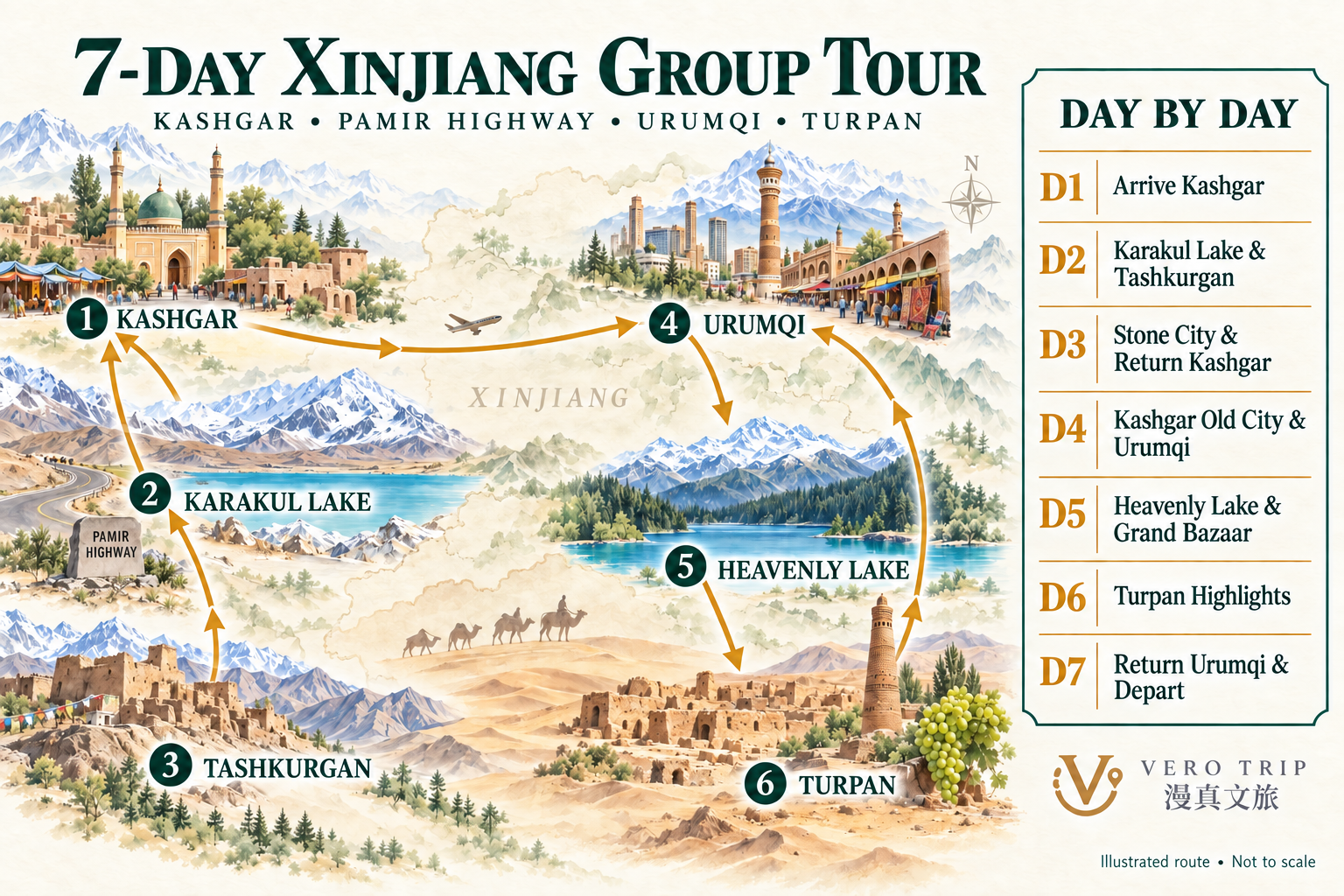
Route at a glance
Kashgar → Tashkurgan → Urumqi → Turpan
Who this tour suits
First-time visitors, couples, families and friends who prefer a practical itinerary with guided sightseeing and balanced daily pacing.
Daily Itinerary
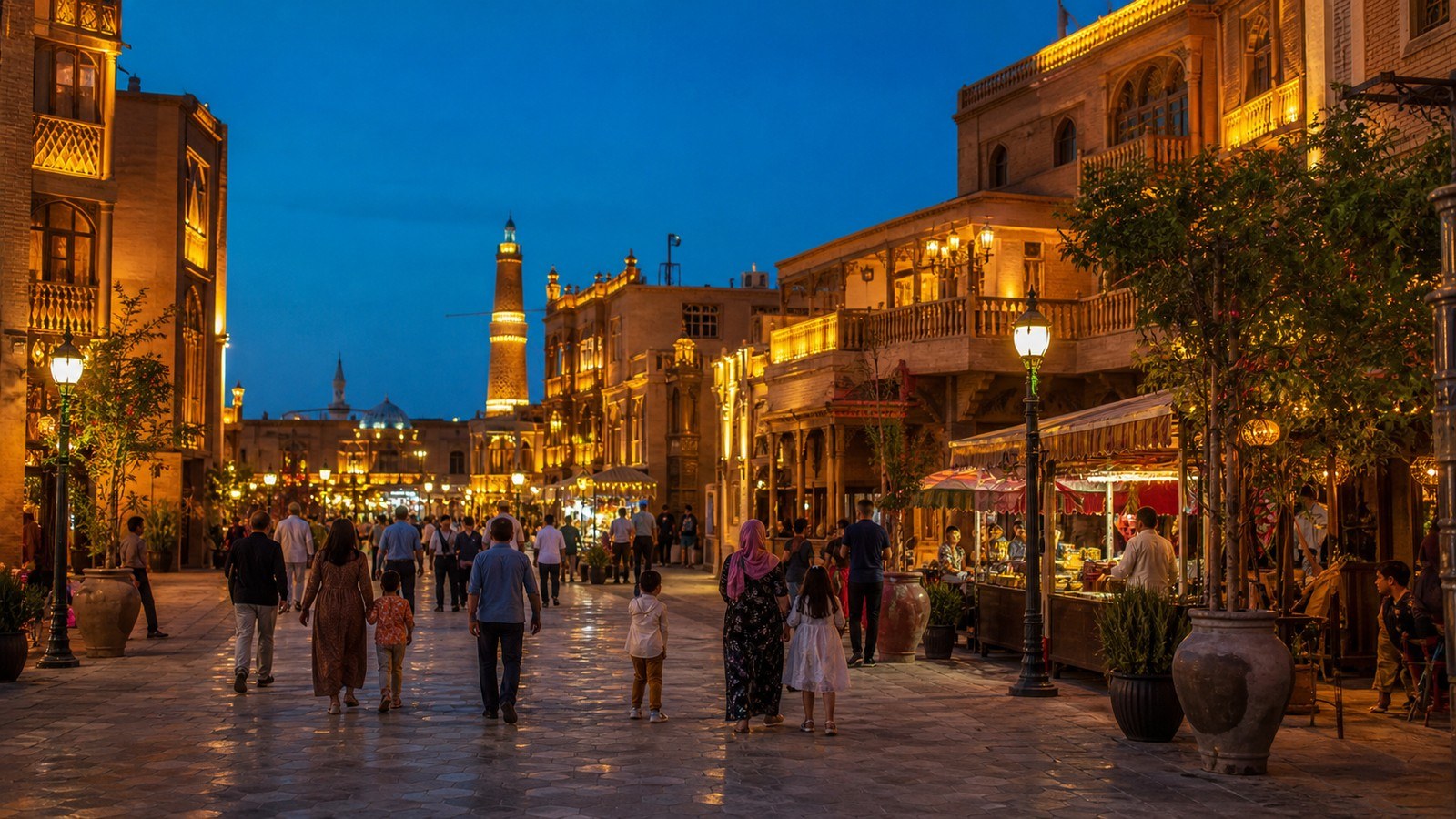
Meal: None Ni Hao! Welcome to Kashgar, the westernmost frontier city in China, known as a dazzling jewel on the ancient Silk Road. Upon your arrival at Kashgar airport, your tour guide and driver will greet you at the exit. They'll then escort you directly to the downtown area and assist you with checking in at your hotel. Note: We recommend choosing a morning flight to Kashgar, as you'll need to apply for a border permit in advance (office hours: 10:30 AM–6:00 PM). This permit is required for entering border areas such as Tashkurgan County and the Pamir Plateau on the second day. Kashgar (), located in the southwestern part of Xinjiang, was historically known as Shule ( (), and was one of the thirty-six kingdoms of the Western Regions (). For centuries, Kashgar has been a significant city in southern Xinjiang.
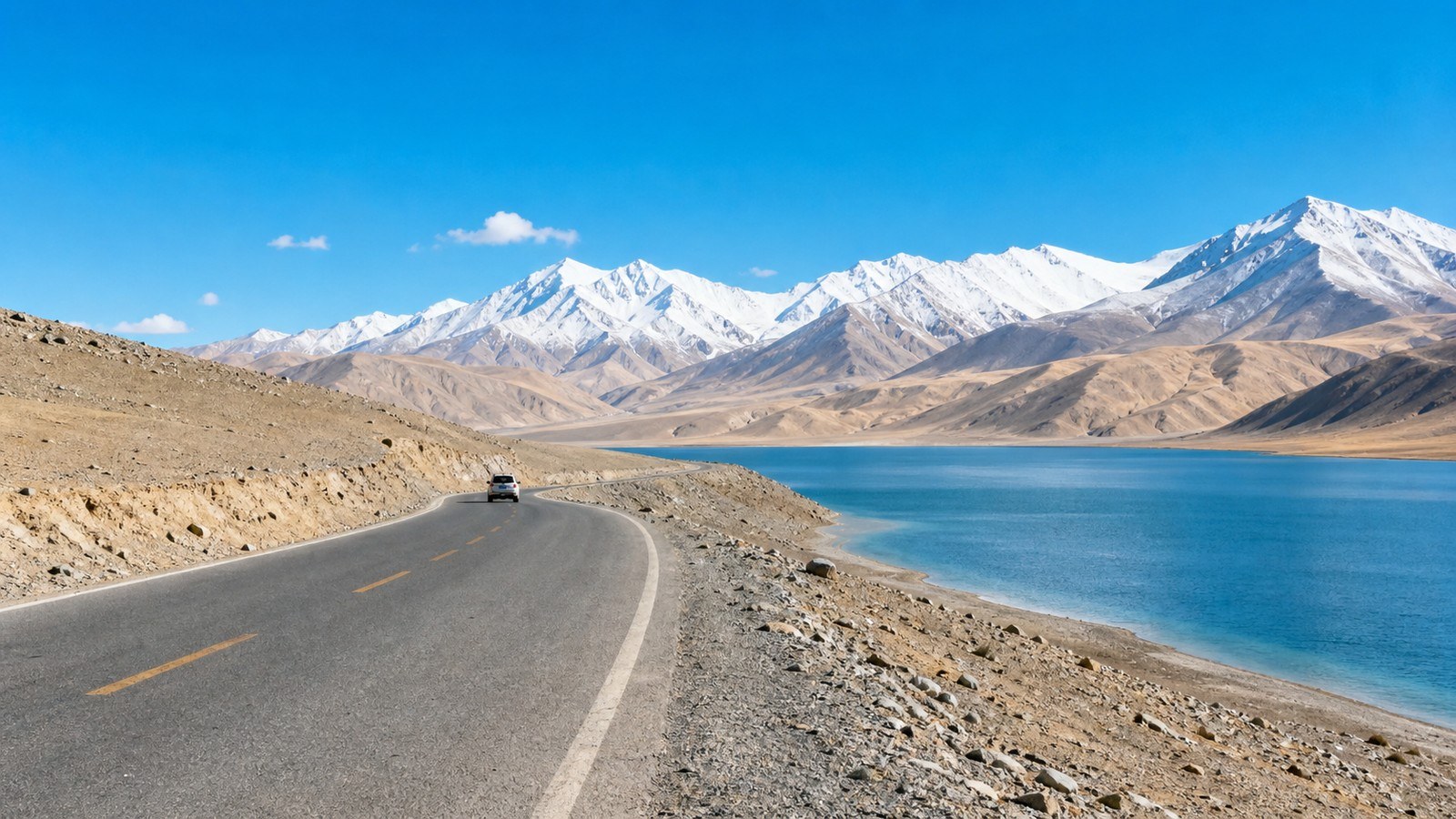
This morning, your guide and driver will pick you up from your hotel in Kashgar to begin on an exhilarating road trip along the China-Pakistan Highway. Along the way, you can enjoy the beautiful landscape of Pamirs Plateau, visit Baisha Lake and Karakul Lake, admire the distant and mysterious Muztagh Ata Peak, Kongur Tagh, Kongur Tiube, and conclude in Tashkurgan. (Total distance: 300 kilometers, approximately 7-8 hours of travel) The China-Pakistan Highway (), also known as theKarakoram Highway (KKH), is one of the world's highest paved international roads. It connects China and Pakistan across the Pamir Plateau () and is locally referred to as the Pamir Highway. Historically, routes across the Pamir Plateau - known as Congling () in ancient times - were vital parts of the Silk Road.
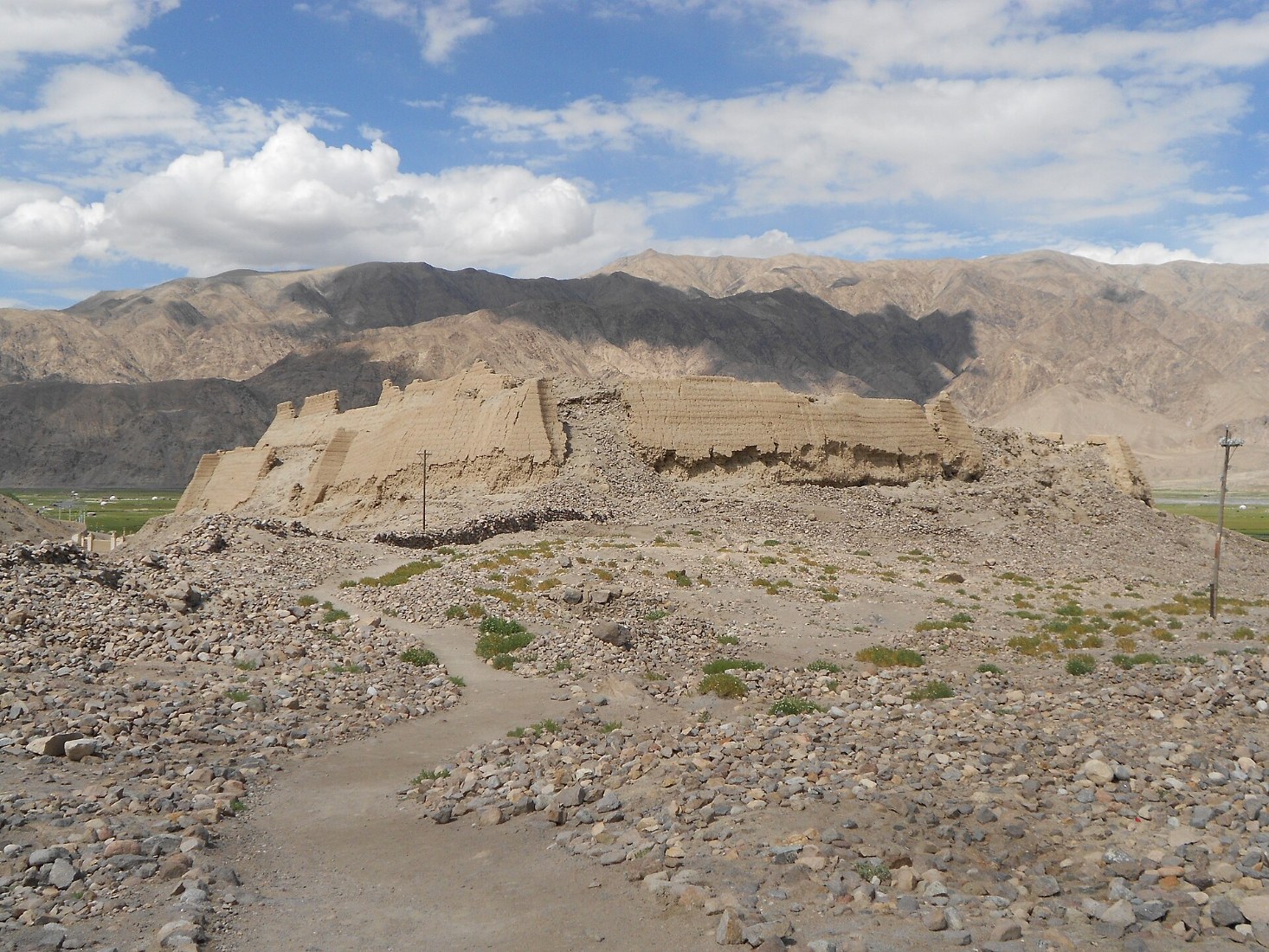
Today, you will be exploring Tashkurgan County before driving back to Kashgar along the scenic China-Pakistan Highway. Tashkurgan or Taxkorgan, officially known as Tashkurgan Tajik Autonomous County (), is situated in the eastern part of the Pamir Plateau, at an elevation of about 3,600 meters. In Uyghur, Tashkurgan means "Stone Fort," a name derived from the ancient stone fortresses located to the north of the town. It has the distinctive geographical advantage of being "one county bordering three countries," namely Tajikistan, Afghanistan, and Pakistan. As the final pass of the Silk Road within China's borders, Tashkurgan has been both an outlet for Central Plains civilization and a gateway for religious transmission throughout history.
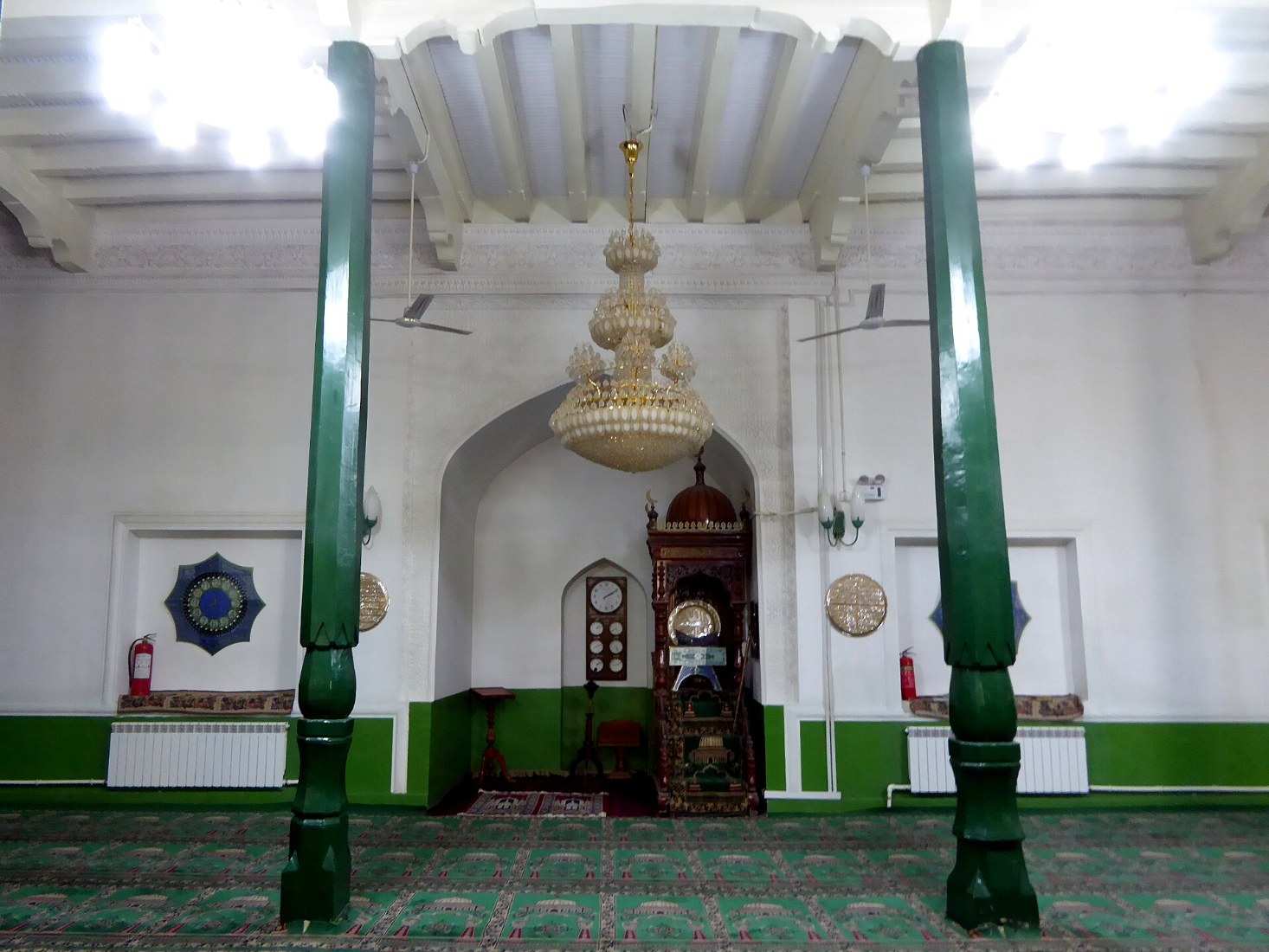
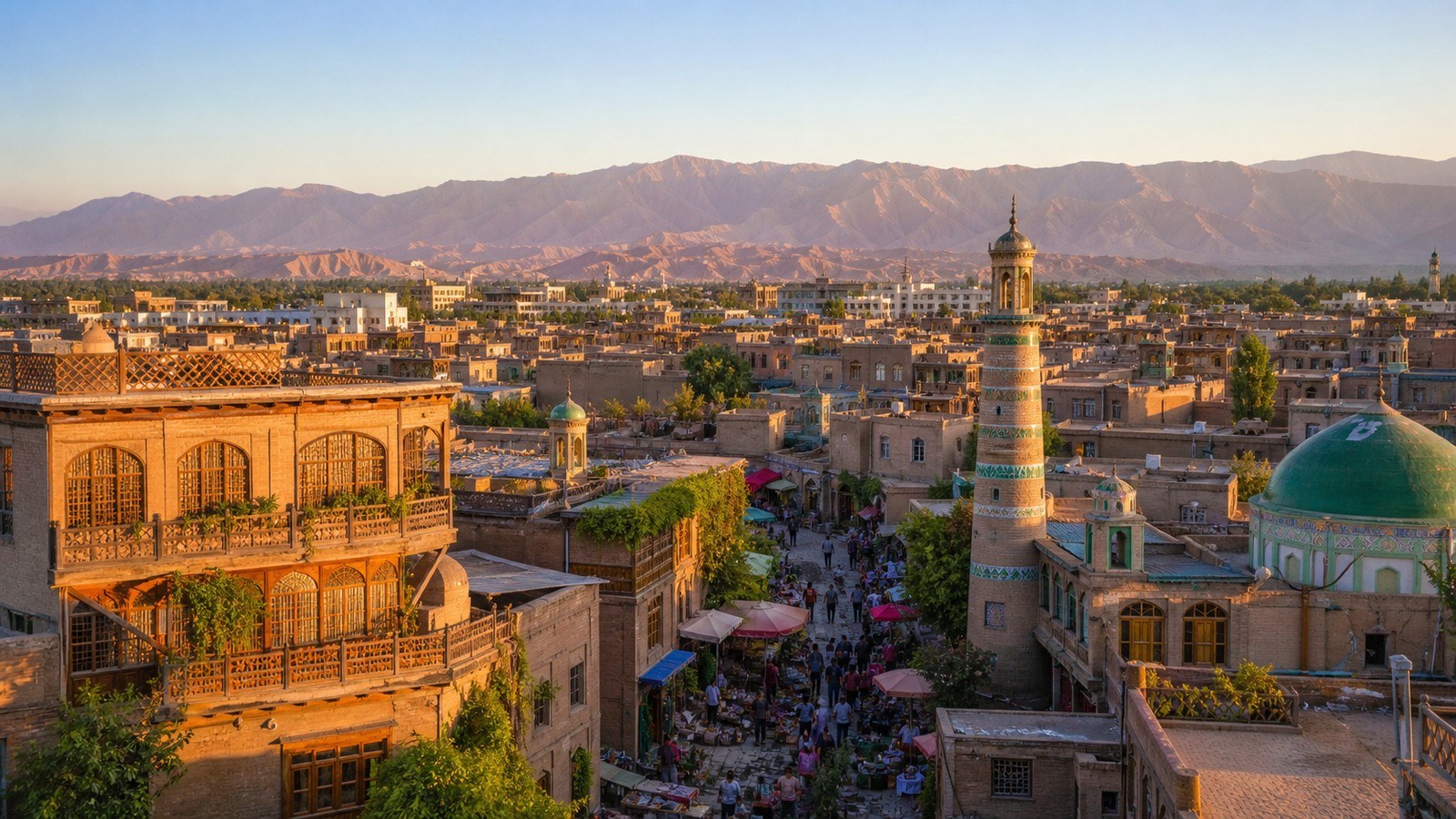
Your exploration can begin in Kashgar Old City (). The Old City is the soul of Kashgar, encapsulating over two millennia of cultural and commercial exchanges along the Silk Road. Situated at the heart of the city and spread across 3.6 square kilometers, the Old City is a living museum, telling tales of ancient trade and cultural fusion. As a crucial hub for East-West traffic and a distribution center for goods, it offers a vivid glimpse into past prosperity. Within Kashgar Old City, the streets and alleys intersect intricately, narrow and winding paths with buildings of varying heights, creating a layout that resembles a maze. As you wander through, you'll see traditional Uyghur mud-brick houses and numerous structures with Islamic features, such as pointed arches, domes, intricate woodcarvings, and colorful ceramic tiles.
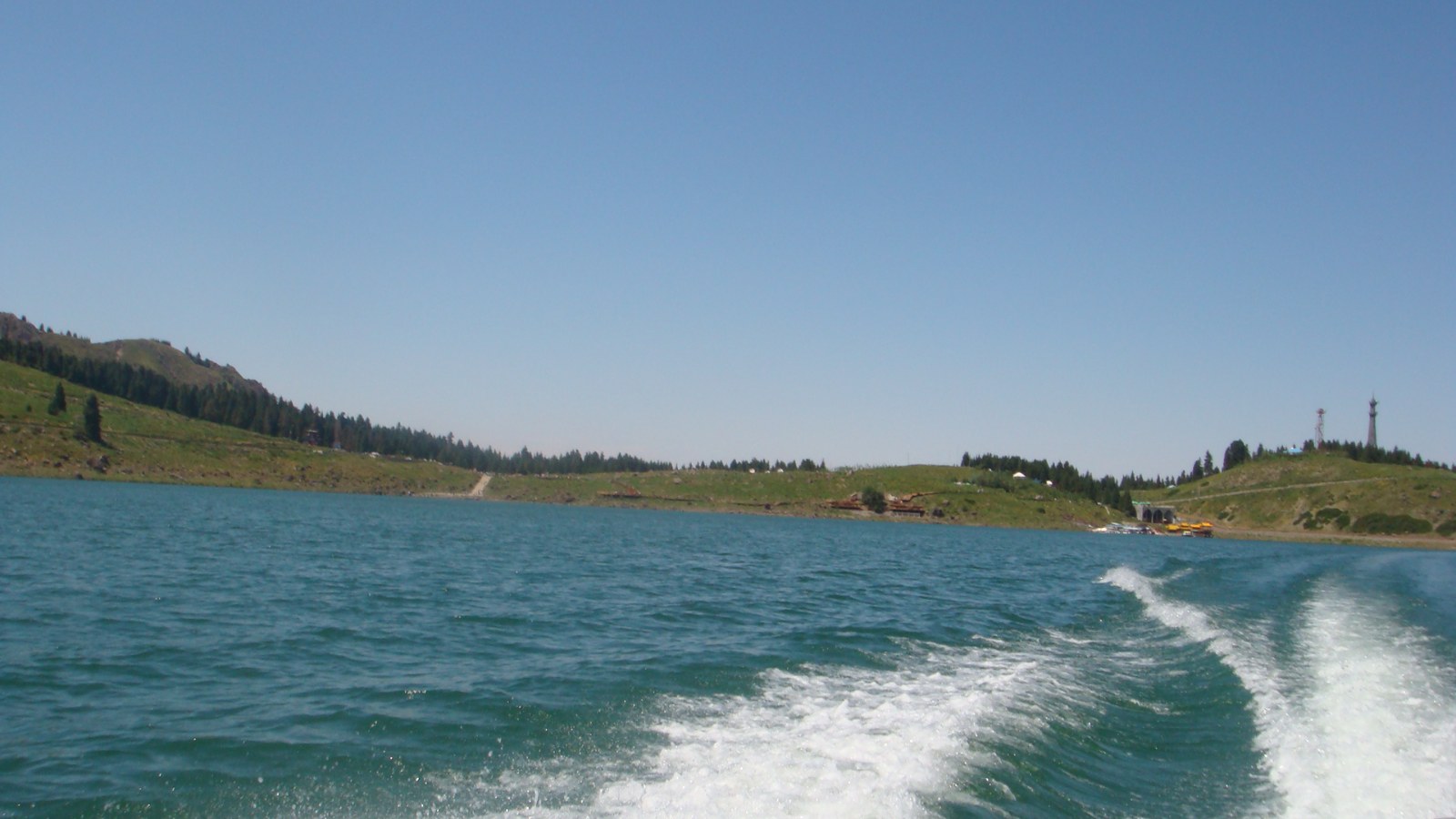
Today, you'll begin on a full-day exploration, from the sweeping natural beauty of Tianshan Tianchi Lake to the enlightening exhibits at the Xinjiang Regional Museum. In the morning, you'll be driven approximately 70 kilometers (about 1-1.5 hours) to Heavenly Lake of Tianshan (), a UNESCO World Heritage Site. set at an elevation of around 1,980 meters (6,500 feet) above sea level, this serene alpine lake is surrounded by lush forests, snow-capped peaks, and sweeping landscapes. Renowned for its crystal-clear waters, panoramic Bogda mountain views, and connections to ancient myths and legends, Heavenly Lake is a must-see. One such legend involves the Queen Mother of the West (Xi Wangmu), who is said to have hosted a banquet for the Eight Immortals here.
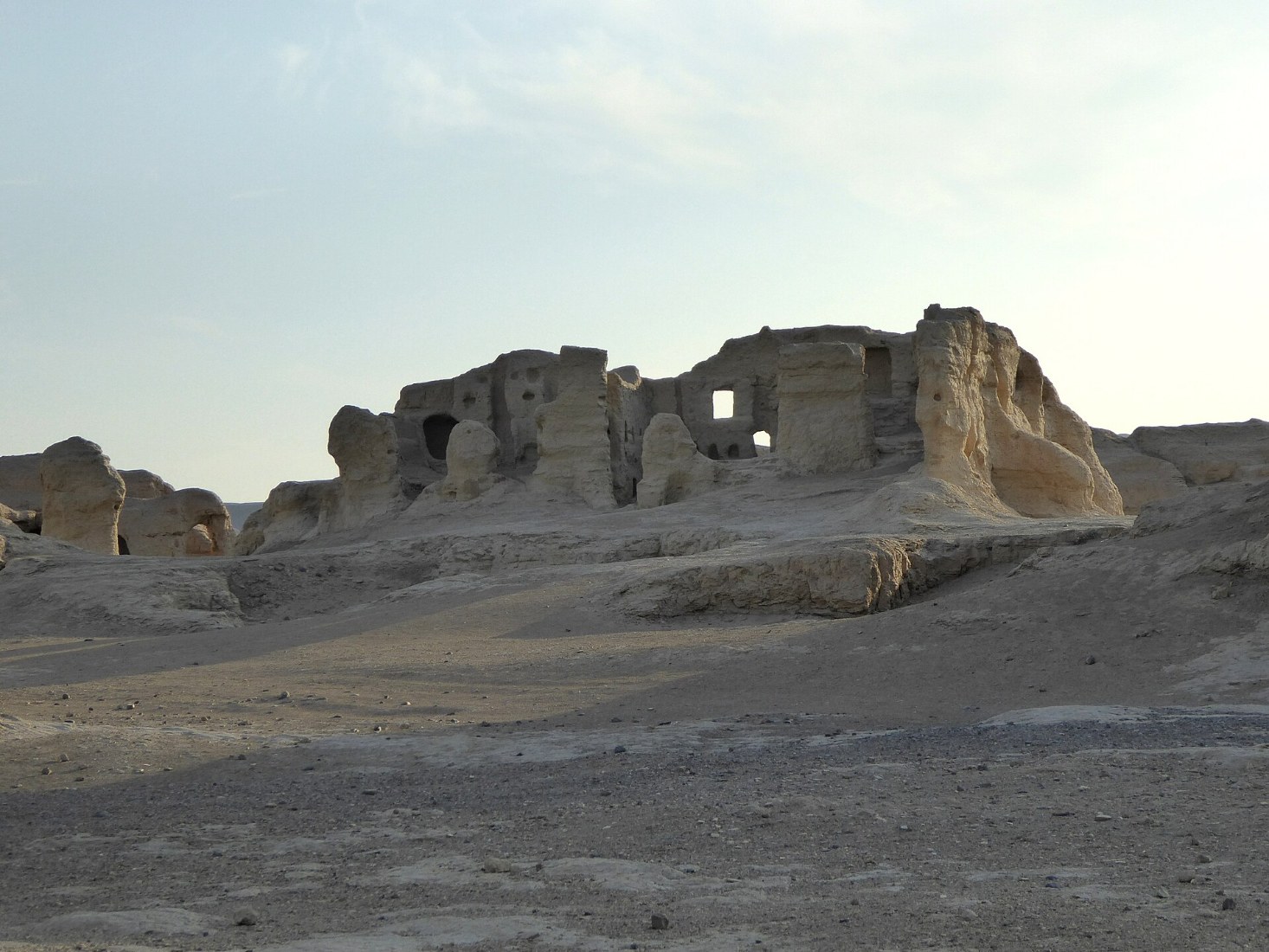
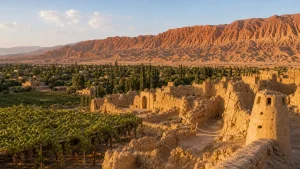
After breakfast, begin on a scenic 3-hour drive (180 km) from Urumqi to Turpan. Along the way, you’ll pass the striking Salt Lake and the impressive wind power station, the largest in Asia, at the foot of the Tianshan Mountains. Turpan () is located in the eastern part of Xinjiang. Situated in the Turpan Depression at 154 m below sea level, it's the second-lowest depression in the world and the hottest spot in China, earning it the nickname "Fire Land." Despite its arid climate, the ingenious Karez irrigation system has transformed this desert region into a fertile oasis, renowned for its agriculture, especially grape production. As a crucial stop on the ancient Silk Road, Turpan served as a hub for trade and cultural exchange between East and West.
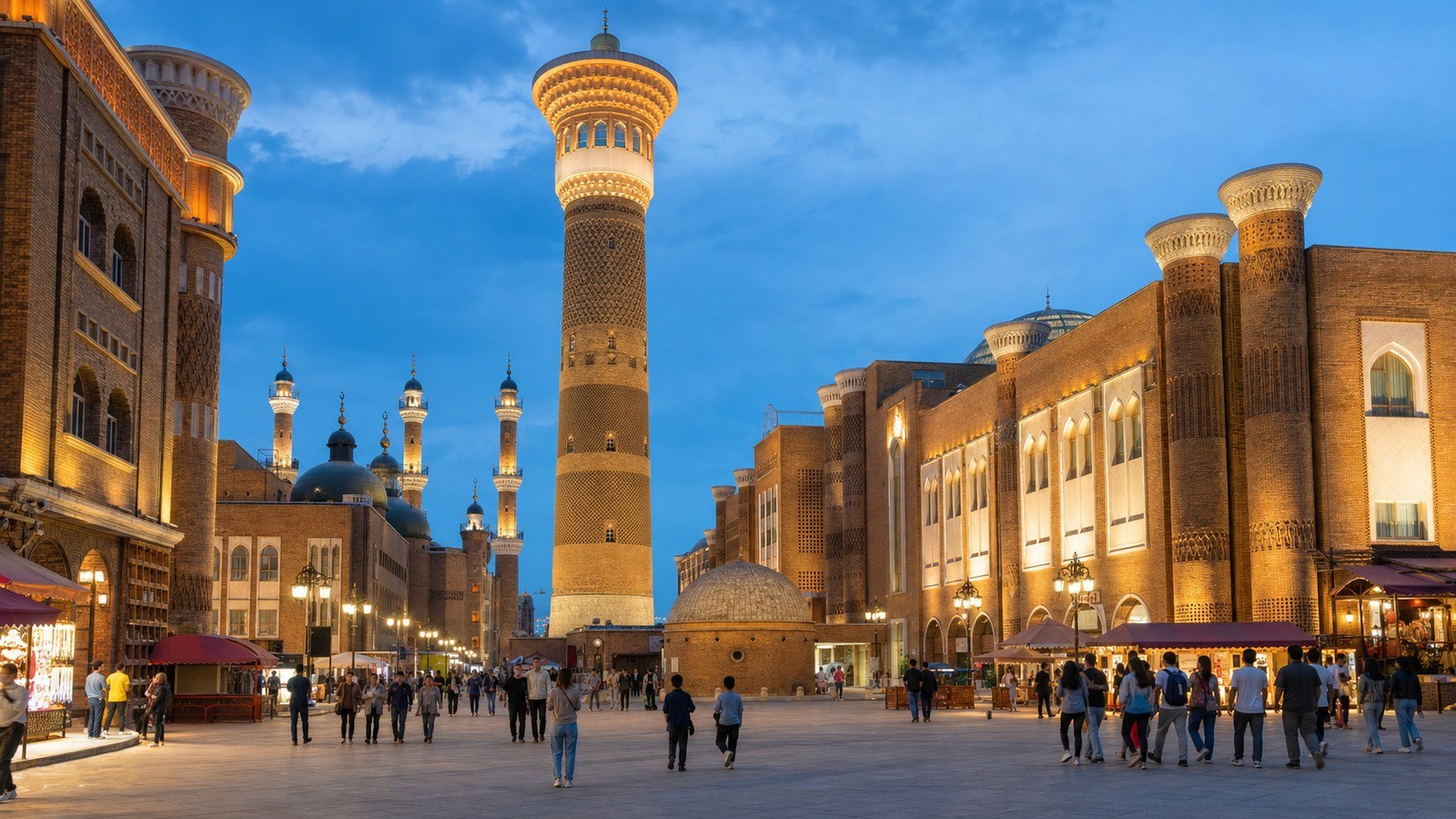
On this day, you'll be transferred from Turpan to Urumqi airport for your flight departure (about 3-hour drive).