Updated 22 October 2026
Plan Zhangjiajie by separating the forest park from Tianmen Mountain, then place your hotel nights around those two visits. Five days and four nights is a useful starting point if you want two full forest-park days and a separate Tianmen day. Four days can work for a more selective visit when the actual connections leave two full days.
Book the correct attraction, entrance and transport combination before deciding that a hotel is convenient. The sandstone pillars around Wulingyuan, Tianmen’s natural arch near the city and the Grand Canyon Glass Bridge belong to different outings. Treating them as one park is the easiest way to choose the wrong ticket or underestimate the stay.
How many days should you allow?
Count complete sightseeing days between arrival and departure. A late train followed by a hotel transfer is an arrival day, not another mountain day. An early onward flight can remove the final morning entirely.
| Stay | Full days between arrival and departure | A sensible starting choice |
|---|---|---|
| 3 days / 2 nights | Usually one. | Focus on the forest park or Tianmen rather than promising both complete experiences. |
| 4 days / 3 nights | Usually two. | A selected forest-park day and a separate Tianmen day, or two forest-park days if that landscape is your priority. |
| 5 days / 4 nights | Usually three. | Two forest-park days and a separate Tianmen day, with the two hotel bases chosen around connections. |
| Additional nights | More flexibility, not guaranteed clear weather. | A quieter pace or a deliberately planned Grand Canyon or onward-town extension. |
If sandstone scenery is your main reason for coming, protect the forest-park time first. One day lets you make a selection; two days give you more room to combine a high viewpoint programme with a different area or valley walk. Neither arrangement means every named stop or cableway must be included.
Tianmen needs its own approach, reserved visit and return. Do not place it after a full forest-park day simply because both attractions are described as Zhangjiajie. Give up an optional evening show before cutting the margin for the mountain descent or an essential train.
Know which Zhangjiajie you are booking
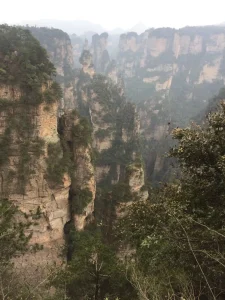
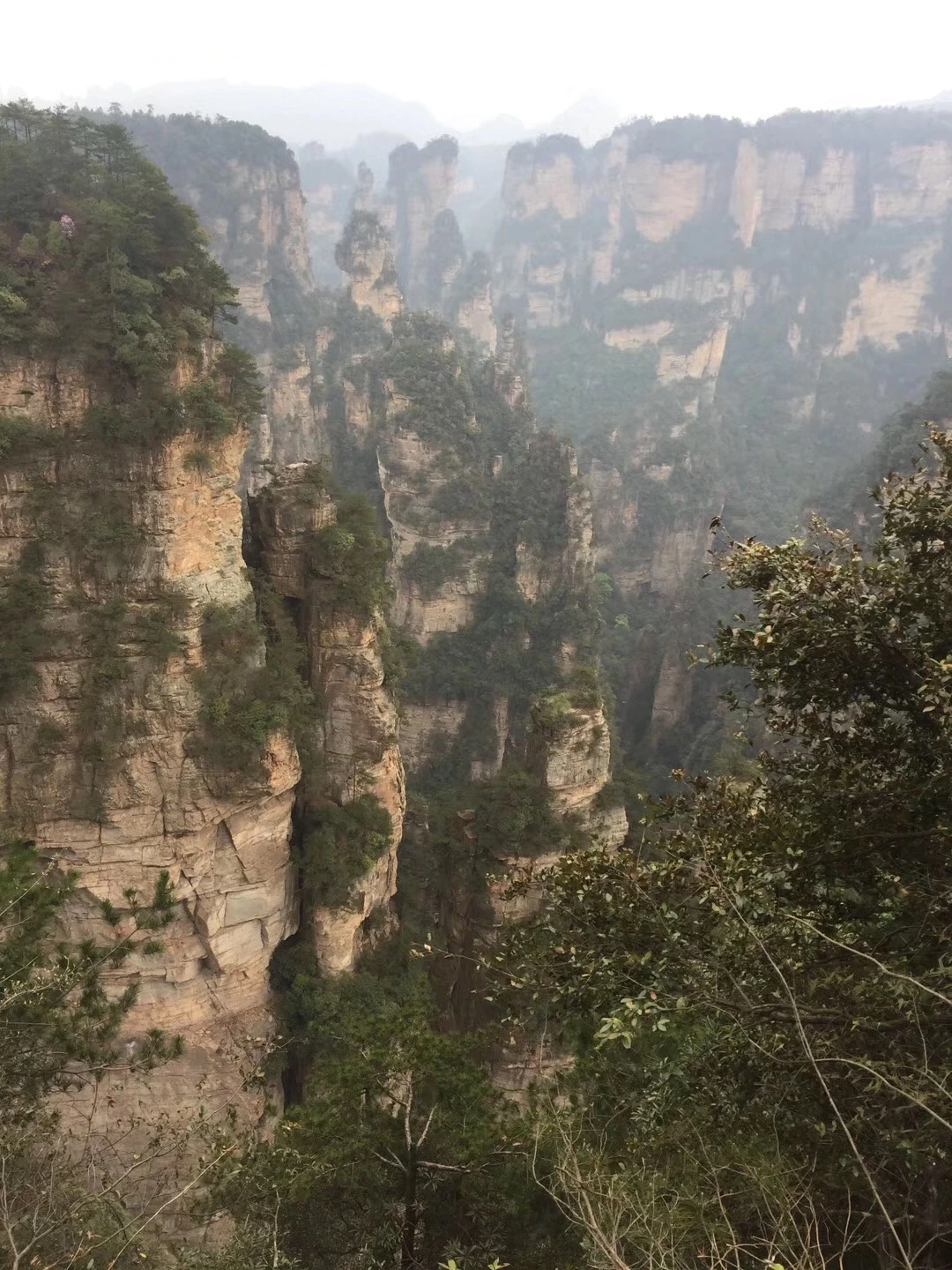
Wulingyuan is the sandstone landscape recognised by UNESCO. The forest-park visit involves areas such as Yuanjiajie, Tianzi Mountain, Huangshizhai and Golden Whip Stream. A useful plan names the areas and how you move between them, rather than promising an undifferentiated Avatar day.
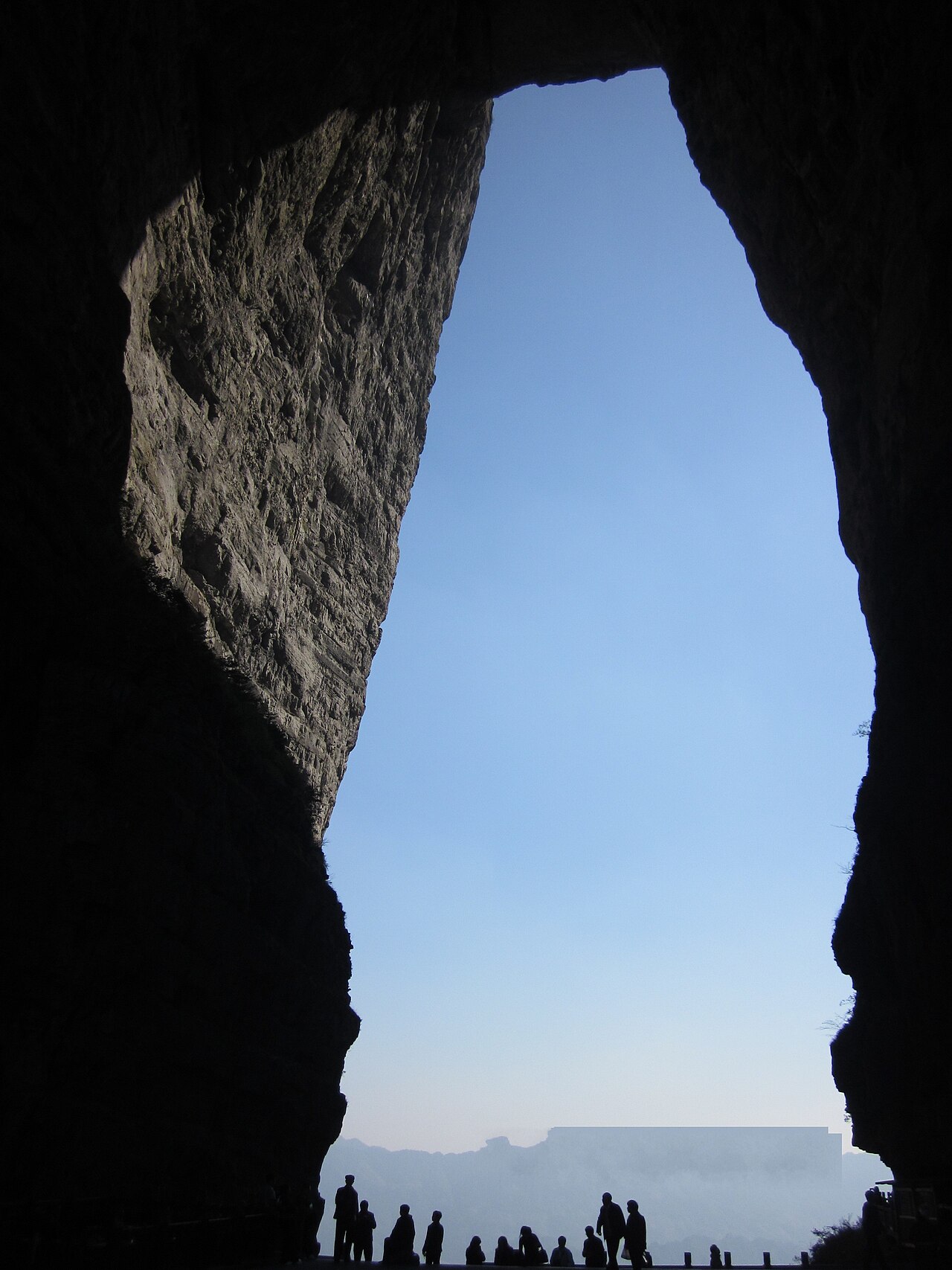
Tianmen Mountain, Tianmenshan (天门山), is the separate mountain associated with the natural arch called Tianmen Cave and summit paths. Tianzi Mountain, Tianzishan (天子山), is part of the forest-park planning. The similar English and Chinese names do not make them interchangeable.
The long bridge crossing Zhangjiajie Grand Canyon is a third attraction. Tianmen’s glass walkways run beside the mountain. If glass is an essential interest, identify which experience you actually want before buying a ticket or arranging the hotel.
Choose a base around the gate and the return
For consecutive forest-park days, a suitable Wulingyuan hotel can reduce repeated city transfers. A city stay can then suit the Tianmen portion and an onward connection. Check the exact property and route before assuming this is the best sequence for your own arrival.
| Base | Consider it when | Check before paying |
|---|---|---|
| Wulingyuan town near the East Gate | Your forest-park programme starts and finishes on this side. | The hotel entrance, walking distance with bags, booked gate and final exit. |
| South Gate / Forest Park ticket-station area | The selected valley or Huangshizhai approach starts here. | The specific property, evening meals, vehicle access and collection after a different exit. |
| Another forest-park gate | Its access deliberately fits your permitted route and transport. | Current buses, ascent and descent, hotel access and the entire return. |
| Zhangjiajie city / Yongding | Tianmen and city arrival or departure are the focus. | The actual Tianmen mountain-gate transfer, terminal or station; proximity to the old cableway is not summit access. |
Ask for the Chinese hotel name, address and reception entrance. Establish whether the room involves steps, whether a lift reaches it, and where a vehicle can stop. A room advertised as near the gate may still have a luggage walk, road crossing or different entrance from the one on your reservation.
Confirm passport reception, occupancy, bed configuration and late-arrival arrangements. For a rural or less central base, also check dinner, breakfast and the next morning’s transport. A view from the room is less useful if the practical approach does not work for the least mobile traveller.
Changing hotels once can be sensible when changing sightseeing areas. Changing every night creates packing and luggage work without necessarily saving travel. Compare the complete routes from two suitable bases against the actual convenience of keeping one room.
Arrange the correct arrival and departure transfer
Zhangjiajie West railway station, the city railway station and Zhangjiajie Hehua International Airport are different arrival points. Send the actual service number, date and terminal or station shown on the booking. The word Zhangjiajie alone is not a complete pickup instruction.
Specify whether the first destination is Wulingyuan, a particular forest-park gate area or the city hotel. Ask where you meet, how you contact the driver, how much luggage fits and what happens if the service is delayed. Do not infer a guaranteed transfer duration from another visitor’s journey.
When comparing rail options, check every interchange. A cheaper or shorter train journey can still involve a change of station, another city transfer or a wait. Choose a connection your party can complete with bags, rather than copying a social itinerary’s departure times.
For the final day, work backwards from the confirmed departure. Include checkout, any stored-bag collection and the road approach to the correct station or airport. A mountain ticket’s last-entry time is not a promise you can finish sightseeing and reach a train soon afterwards.
Build the forest-park ticket from the route
The park’s September visitor notice distinguishes admission reservations from upward and downward mountain-transport tickets. It calls for reservations for first entry and re-entry, using the booked station and time. Its special 1–7 October opening hours should not be copied as the timetable for the rest of the month.
Write the route first: entry gate, selected areas, ascent, descent and exit. Then compare the admission and rides needed. An individual ride can suit one selected journey; a combination needs to match the rides you will actually use. Paying for more permitted rides does not make fitting them all into one day enjoyable.
| Booking | Identify these items | Do not assume |
|---|---|---|
| Forest-park admission | Visitor, document, date, gate, session, validity and any re-entry reservation. | A multi-day ticket removes daily entry checks or includes Tianmen. |
| Internal buses and mountain transport | Included scenic buses, selected cableways or Bailong Elevator, direction and permitted uses. | Every product includes all rides, or an up ticket can be used down. |
| Tianmen Mountain | Current dated route, mountain-gate entry, fast cableway and escalator inclusions. | Old A/B descriptions or the city-to-summit cableway still operate. |
| Grand Canyon / Glass Bridge | A separate dated product, actual activities, access and return. | A glass walkway at Tianmen is this bridge, or one ticket admits both. |
Check the validity and permitted uses on the actual dated product. A four-day-valid product does not mean four days of accommodation, unlimited access to every transport system or exemption from the entry reservations. Direction matters when purchasing ascent and descent tickets.
The notice includes passports among the original documents used for booking and entry. Enter each traveller’s details correctly, save the successful reservation and carry the same original passport. If a channel rejects a passport field, ask the park or seller how that specific order is handled before arrival; do not insert an invented domestic ID number.
Check concessions for the actual age, nationality and document. A domestic family’s account that children travelled free does not establish every foreign child’s entitlement to admission, cableways and elevators. Compare the complete order rather than a headline family saving.
Use Tianmen’s current route, not an old cableway plan
The scenic operator’s 10 October announcement says that from 13 October 2026 the city cableway is out of passenger service and the round-trip C route remains open. A/B and single-direction 1/2 arrangements are suspended, with reopening subject to a later notice.
The announced C route enters at the mountain gate and uses the Tianmen Cave fast cableway in both directions, with the upper through-mountain escalators connecting the cave and summit. It is not a direct cableway ride from the city to the summit. Confirm the collection or meeting point as well as the actual mountain-gate entry.
The upper escalators and the lower cave-approach escalator are different items. Ask which are included and what the alternative requires. A cableway-and-escalator product still leaves walking, standing and possibly steps; it does not establish an entirely step-free day.
Select a manageable summit section and leave time to return through the whole transport chain. Exposed paths, glass sections and the cave stairs can close with weather or maintenance. Check for a later operating notice before payment and again before leaving the hotel. Do not replace a closure with an improvised path outside the permitted visitor route.
Make the walking fit the people travelling
High viewpoints and valley walks offer different perspectives. Choose the number of areas, not just the number of days. A young, enthusiastic walker may enjoy a longer combination, while children or older relatives may prefer one selected area with more pauses.
Records read on 14 October include contrasting Golden Whip Stream experiences: one pair became too tired after an earlier Tianmen visit, while another author enjoyed a longer valley walk but reported a very substantial total walking day after adding Huangshizhai. These are personal accounts, not standard completion times or a guarantee of easy terrain.
Use the existing Golden Whip Stream and Tianmen walking guide for the short return versus through-walk decision. A stream path can feel gentler than a mountain climb while still becoming too long. Do not depend on a midway vehicle pickup that the park has not arranged.
For wheelchair or pushchair users, request an end-to-end plan covering the hotel approach, gate, buses, lifts, surfaces and return. A claim that a particular path is mostly level does not settle all those transfers. Ask what assistance is available and what alternative the whole party can enjoy together.
Keep luggage out of the sightseeing problem
Before a hotel change, decide where bags remain and how they reach the next hotel. If you leave them at the old property, a different park exit may create a separate collection journey. If a vehicle keeps them, confirm the arrangement, capacity, security and contact method.
A storage point at a gate is only useful when its hours, accepted items and collection location fit the visit. Confirm it directly before relying on it. Keep original passports, medication and essentials with you; do not leave the document needed for entry inside inaccessible luggage.
Agree the exit by its full Chinese name and a specific meeting point. The forest park has several gates, and a driver waiting at the hotel-side gate cannot automatically meet you at another one. Keep an offline copy of the meeting details and a way to reach the provider if the route changes.
Choose a realistic first-visit sequence
This example uses five days and four nights, with the arrival and departure left for travel. It is a planning pattern, not a confirmed departure, hotel allocation or ticket guarantee.
| Day | Priority | Overnight and practical decision |
|---|---|---|
| 1: arrive | Travel to the chosen forest-park base and settle in. | Wulingyuan; keep any evening outing optional after the actual arrival. |
| 2: forest park | Choose a plateau-viewpoint programme with the required ascent and descent. | Same hotel; do not add every cableway merely to use a pass. |
| 3: forest park, then change base | A different selected area or manageable valley walk; collect bags and transfer. | Zhangjiajie city; agree exit gate, bag collection and transfer separately. |
| 4: Tianmen | Current permitted mountain route and a selected summit walk. | Same city hotel; keep a generous return and an easy evening. |
| 5: depart | Checkout and the correct station or airport transfer. | No extra mountain visit assumed before the confirmed service. |
Reverse the two bases when the dated connections and available tickets make that easier. If arrival is very late, the first night may belong in the city instead. Recalculate the remaining full days rather than keeping the same sightseeing list after changing the travel schedule.
For four days and three nights, choose whether one forest-park day plus Tianmen is enough or whether two forest-park days better serve your interests. Add the Grand Canyon only with its own time and transport. Fenghuang, Furong or Changsha extensions also need their own hotel nights and onward arrangements.
Prepare for rain, mist and a shorter alternative
An author describing a 16 October Tianmen visit saw changing mist and clearer moments in the same outing; comments described different visibility at different times. This supports allowing flexibility. It does not prove that arriving at one exact minute produces a cloud sea or that rain always improves the view.
Bring suitable footwear, weather layers and protection for belongings. Check the forecast, current operating notice and your party’s comfort before starting. If an exposed section is unsuitable, ask about an open shorter option rather than treating every viewpoint as essential.
If the main visit cannot run, compare a quieter local day, rest or a separately booked alternative whose conditions also work. A cave, lake or performance is not automatically included or available because someone recommends it as a rainy-day choice. Establish how a change affects tickets, guiding, transport and refunds.
Plan meals, rest and a useful enquiry
Agree lunch and rest before the day becomes a sequence of queues. Explain allergies, children’s meals and requests for milder food. For halal requirements, ask about actual ingredients and preparation rather than assuming a pork-free dish or vegetarian-looking soup meets the need. Include a suitable prayer break where required.
For a private arrangement, specify the vehicle, group and luggage capacity, hours, guide language, park transport, admission, meals and change terms. For a shared tour, confirm the fixed pace, meeting point, party size and which requests can be accommodated. A driver, a park guide and an admission order are different components.
Use the Zhangjiajie collection and published five-day group outline to compare options, then send Vero Trip your dates, services, nationalities, party size, children’s ages, room needs, bags and walking limits. State which landscapes matter most. The written proposal should connect the hotel nights, tickets, actual operating route and complete return, rather than simply list more attractions.