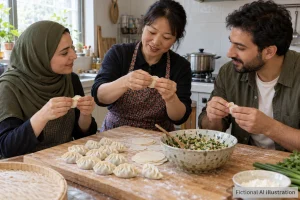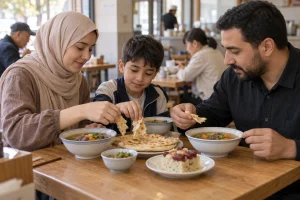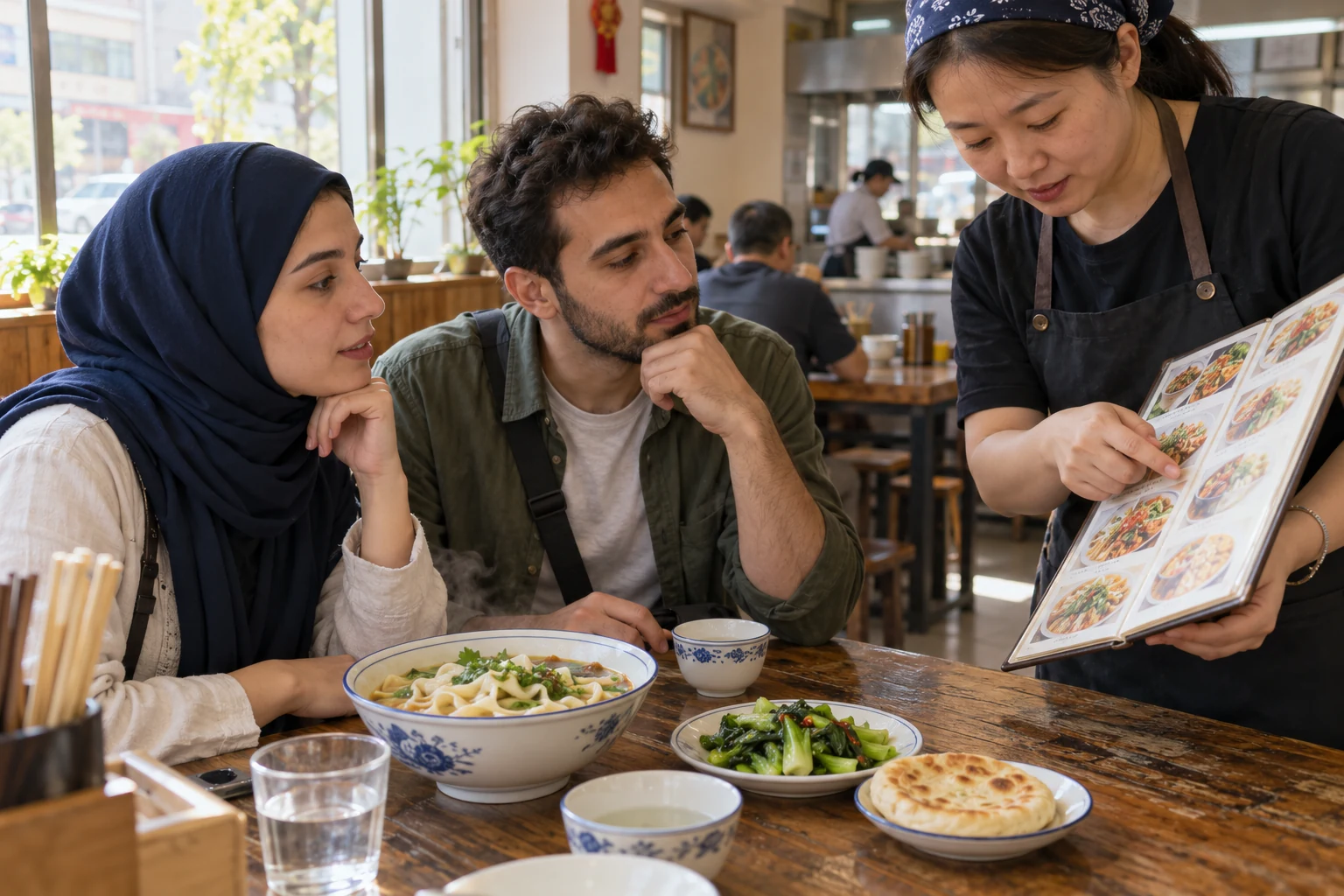
Cover: Illustration created with generative AI. The people, food and setting are fictional; it does not identify a restaurant or establish halal preparation.
For a first noodle meal in Xi’an, choose the texture and preparation you want before worrying about the longest list of famous names. Broad biangbiang noodles, an oil-splashed bowl and a soup noodle dish offer different eating experiences. The topping and stock remain separate decisions, especially for Muslim travellers and people who avoid particular ingredients.
The noodle name does not describe the whole bowl
Biangbiang is associated with broad noodles, while 油泼面, youpo mian, describes an oil-splashed preparation. A restaurant may combine labels or offer several toppings. Do not assume that two photographs with broad noodles represent identical dishes, or that the absence of a large piece of meat means no meat ingredients were used.
The city’s 2026 feature on Shaanxi noodles distinguishes several noodle preparations, including oil-splashed noodles, jiangshui mian and saozi noodles. Use those names to start a conversation with the restaurant, then ask how its particular bowl is prepared.
| Choice | What to pay attention to | A useful question |
|---|---|---|
| Biangbiang-style broad noodles | Width, chew and the topping offered by the shop. | What comes on this bowl, and can the topping be selected? |
| Youpo mian — oil-splashed noodles | Garlic, chilli and the restaurant’s seasoning method. | Can added chilli be separate, and what oil is used? |
| Saozi noodles | The diced topping and broth or sauce. | What meat, if any, is in the topping and stock? |
| Jiangshui mian | A sour, fermented-vegetable style described in local food writing. | What is in this restaurant’s broth and garnish? |
Separate texture from heat
A chewy broad noodle may be exactly what you want, while a heavy chilli dressing may not be. Ask about both. “Less spicy” can change an added condiment, but a stock or topping prepared in advance may not be adjustable. Listen to what the kitchen can actually change and choose another bowl when needed.
If several people want different heat levels, order the bowls individually rather than expecting one shared plate to suit everyone. For a child, ask about a simpler preparation and portion size before ordering. A small first order is more useful than a large bowl that nobody wants to finish.
Use a topping-and-stock check
Look at the bowl in layers: noodles, cooking liquid, topping, oil and final condiments. A request to omit meat should say whether meat stock and meat-based sauce also need to be avoided. For a halal meal, explain the preparation standard rather than treating “beef noodles” as the complete answer.
The Chinese phrase 不放肉臊子,也不用肉汤 means that you do not want a meat topping or meat broth. It is a useful component question, not a claim that the restaurant can provide a vegetarian or halal kitchen. Give staff time to check, and choose a different business if the answer does not fit your needs.
| Question or request | Chinese | What it clarifies |
|---|---|---|
| Which toppings are included? | 这碗面有什么配料? | The whole bowl rather than only the noodle shape. |
| Keep extra chilli separate | 辣椒可以另外放吗? | An added condiment when the kitchen can separate it. |
| No meat topping or meat broth | 不放肉臊子,也不用肉汤。 | Two separate parts of the preparation. |
| Check the cooking oil | 这道面用什么油? | A relevant ingredient question for some food standards. |
Choose a noodle meal or a noodle lesson
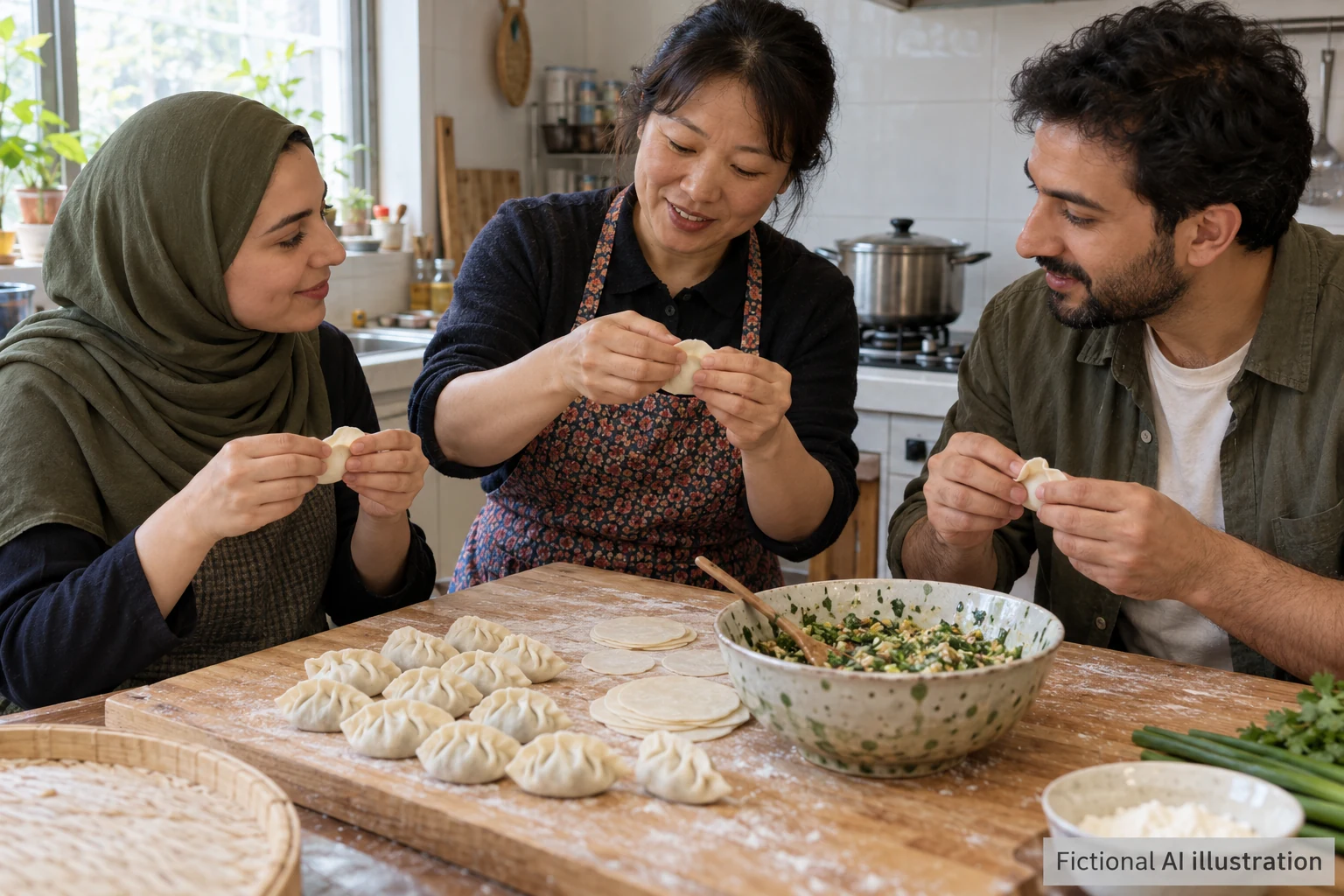
Eating and making noodles are different experiences. A restaurant meal can fit a city sightseeing block, while a class needs a confirmed teaching kitchen, a recipe, time for practice and a meal arrangement. A short demonstration is not the same as a hands-on lesson for the whole party.
If you choose a class, ask whether you will work on the dough yourself and which technique the session teaches. Do not expect to master several noodle shapes and dumplings in one short visit. Muslim travellers should establish kitchen suitability before a host is confirmed, including the ingredients and equipment used during the class.
Keep the rest of the food walk lighter
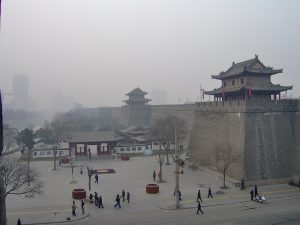
A noodle bowl can be the main meal. If you want to taste roujiamo, cold noodles and a sweet snack as well, share small portions and decide what to omit rather than treating every famous food as compulsory. A seated noodle lunch is also a useful break between the City Wall and a museum visit.
For an out-of-town day, do not assume the same choices as central Xi’an. A Huashan or long rail itinerary needs its own food plan. Decide whether the restaurant stop is confirmed or whether suitable carried food is more practical before leaving the hotel.
Questions that change the plan
Does biangbiang mean a specific meat topping?
No. Ask the restaurant how its bowl is served. The noodle name does not settle the topping, stock or preparation standard.
Can youpo mian always be made without chilli?
Ask the kitchen. Some parts may be added to order while others are prepared in advance; do not assume every adjustment is possible.
Is a cooking class the best way to try noodles?
Choose a class for the practical activity. If you mainly want to taste a good bowl during sightseeing, a restaurant meal is the more direct choice.
Turn the ideas into a workable Xi’an day
Choose the route that fits your time and interests: Xi’an Cooking Experience: Choose Dumplings or Handmade Noodles; Xi’an Evening Food Walk: Hui Lanes, Snacks & a Seated Meal. The named stops describe a route; meals, guiding language, transport, admissions and any specialist arrangement are specified in your dated proposal.
For the overall city base and the balance of sightseeing days, see the Xi’an trip-planning guide. Share your dates, walking preferences and food or prayer needs through Plan My Trip so the day can be shaped around your party.