Updated 22 October 2026
Plan a Shaolin visit by choosing one main aim: the temple, a kung fu performance, a mountain walk or a supervised class. A temple-and-Pagoda-Forest visit can be a focused excursion from a Henan base. A substantial Songshan hike needs a different time allowance and return plan. Training is a separately arranged activity, not an automatic benefit of a scenic-area ticket.
Shaolin Temple is near Dengfeng in Henan, on the Shaoshi side of Songshan. It is not in central Luoyang or beside Zhengzhou’s main railway platforms. This distinction matters when an apparently simple day trip includes a station transfer, a road journey, walking, a show and another hotel check-in. Keep the whole day visible before booking.
What do you actually want from Shaolin?
Visitors arrive with very different expectations. Some want to understand a Buddhist site and its buildings; others want to watch martial arts or spend a day among mountain cliffs. A short class can interest a beginner without becoming a residential training programme. Say which experience is essential, then leave the others optional until the schedule is clear.
| Priority | Build the day around | Confirm separately |
|---|---|---|
| Temple and Pagoda Forest | Religious and architectural context with manageable walking. | Actual open areas, entry and interpretation. |
| Kung fu performance | A scheduled spectator event. | Venue, session and admission conditions. |
| Songshan mountain scenery | A named open trail with a safe return. | Entrance, cableway, steps, last return and weather. |
| Beginner class | Supervised practice adapted to the participant. | Actual host, instructor, duration and language. |
| Multi-day training | A separate learning stay. | Host acceptance, accommodation, safeguarding and immigration requirements. |
A live religious site, a staged performance and a school fulfil different purposes. Watching skilled performers does not mean that the same people will teach your class. Meeting someone dressed for a demonstration does not establish that they are a monk or represent the temple. Ask the receiving organisation to describe the actual activity plainly.
Songshan is wider than the temple
The UNESCO description of Dengfeng’s historic monuments covers a distributed group of religious, educational and astronomical buildings around the mountain. These are not all one compact visitor compound. Songshan includes the Taishi and Shaoshi mountain areas, while the scenic operator distinguishes Shaolin, Zhongyue and Songyang areas.
For a first visit, decide whether you want the Shaolin-side temple and landscape or another part of Dengfeng’s heritage. Do not add a second mountain simply because both are called Songshan. Separate entrances, ground transport and sustained climbing can turn a short extra into another full day. The Henan trip-planning guide places this choice within a broader Luoyang–Dengfeng–Kaifeng journey.
Where to stay: Dengfeng, Luoyang or Zhengzhou?
Dengfeng is useful when you want to start nearer the visit or separate a mountain day from the temple. Luoyang and Zhengzhou can work as bases for a dedicated excursion, provided you allow the complete return journey. Choose the base for the other days of the trip as well as the Shaolin day. Changing hotels for a small theoretical saving can add packing and luggage problems.
| Base | Useful when | Main trade-off |
|---|---|---|
| Dengfeng | Shaolin is your main priority or you want separate temple and mountain days. | Check meals, evening services and the actual hotel transfer. |
| Luoyang | You are combining a dedicated excursion with Longmen and city history. | The road transfer needs its own time. |
| Zhengzhou | Arrival/departure logistics or Henan Museum is important. | The temple is not a short walk from a main railway station. |
| An onward transfer day | You want to avoid returning to the same hotel. | Luggage, driver hours and the next check-in must be explicit. |
Before fixing transport, ask for the Chinese hotel address and exact meeting point. A railway station name alone does not identify the collection area. If you travel onward after the visit, confirm where luggage stays and whether the vehicle remains available. Leave time for dinner and check-in instead of making the next city an invisible addition after a long hike.
A temple-focused visit without a major hike
Give the temple and Pagoda Forest a coherent part of the day. Ask for interpretation that explains the relationship between the religious site, its architecture and its martial-arts reputation, rather than a succession of film references. Follow signs and staff instructions around worship spaces, and do not disturb people praying or working there.
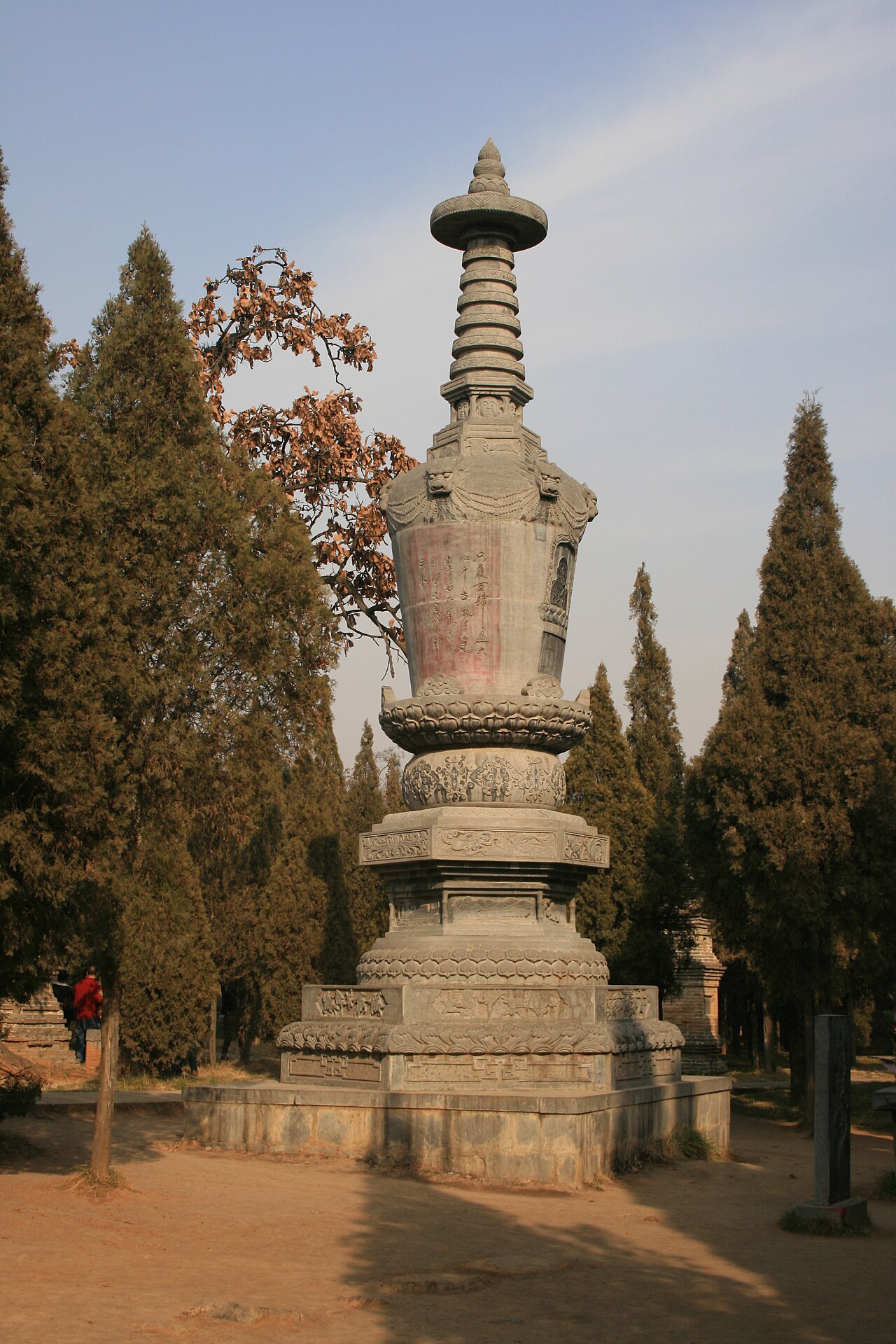
The Pagoda Forest is a funerary landscape. Treat the structures respectfully, keep to visitor paths and avoid climbing, touching fragile surfaces or posing on monuments. A quieter architectural visit can be rewarding without a mountain summit. There is still outdoor walking, uneven ground and some steps, so explain mobility needs in advance rather than describing the whole area as universally accessible.
If someone wants a closer look at another historic building, confirm whether it is open, how to reach it and what access is permitted. A repeat visitor’s detailed photograph list does not establish the current visitor boundary. Do not bring lighting equipment into a historic interior without permission or reproduce a long specialist list without understanding what it describes.
Watching kung fu: use the actual venue and session
Ask which performance is intended and check its day’s schedule when arranging the visit. A daytime demonstration and an evening stage production are different bookings. Their venues, duration, transport and ticket conditions should be clear. Do not organise a return train around an old timetable copied from a social post.
Allow time to find the entrance and get seated where seating is offered. A crowded performance can be difficult for a child or someone unable to stand for long. Ask about the actual viewing arrangement, and be prepared to choose a different session if the programme allows. A show being advertised does not guarantee an unobstructed view or unlimited admission.
For evening plans, the June 2026 municipal response on extended operations distinguishes established night performances and selected accessible areas from deeper mountain sections. It does not make every trail a night walk. Confirm the particular programme and return transport rather than treating “night tourism” as permission to remain anywhere after dark.
Adding a mountain walk: protect the return first
A cableway can remove one ascent while leaving substantial walking, steps and exposed sections. Specify the entrance, trail, exit and cableway rather than accepting “Songshan cable car” as a complete route. Different services do not necessarily reach the same destination. Check the last useful return, not just the last ticket-sale time.
Agree a turnaround time with enough margin for the slowest walker, rests and a queue. Do not continue towards an unknown exit because a route post says you can always turn back. Keep a clear alternative if rain, poor visibility, wind, ice or an operating restriction changes the day. A paid ticket does not override a closed trail.
| Stage | Temple-focused day | Mountain-focused day |
|---|---|---|
| Before arrival | Confirm entry and the performance you want. | Confirm the named trail, cableway and return cut-offs. |
| Main visit | Temple and Pagoda Forest at an unhurried pace. | An appropriate open walking section with rest stops. |
| Flexible time | Watch the confirmed demonstration or shorten the walk. | Only add the temple if energy and opening time allow. |
| Return | Meet at the agreed exit and continue to the hotel. | Turn back early enough for the confirmed return route. |
For someone who wants both a long walk and the temple, an overnight in Dengfeng can allow two separate days. This does not mean two demanding mountain days are appropriate: repeated stair descents can leave legs tired the following morning. Plan a less strenuous second day, especially if an onward rail journey requires more walking and luggage carrying.
Training and classes: identify the real host
A beginner session should name the receiving school or organisation, instructor, language, duration, participant level and location. Explain children’s ages and any injury or movement restrictions before accepting the class. Practice should be supervised and adapted; a short visit is not a place to imitate demanding stunts seen in a demonstration.
For a longer stay, ask about the actual timetable, accommodation, meals, safeguarding for minors, registration arrangements and cancellation terms. Check the appropriate immigration requirements for your own activity and nationality. An advertising photograph of Shaolin does not establish temple affiliation, acceptance onto a course or permission to undertake a particular length of study.
Vero Trip’s existing one-day temple, kung fu and vegetarian-food programme describes a cultural visit with a demonstration and beginner session. The Songshan hike and martial-arts programme is an active format with a named walking section and supervised practice. Use them to compare the type of day, then request the actual dated host and service arrangements. Neither page confirms today’s trail status or an instructor for your date.
Tickets, passport entry and the questions to settle
Check the intended scenic area’s current ticket channel and ask how foreign passports are processed. Bring the original passport used for any reservation. If the digital form does not accept your document, obtain instructions from the official service centre before setting out. Do not substitute a Chinese identity-document number or assume a gate scanner supports every passport.
The municipal tourism profile lists the Shaolin scenic-area contact as 0371-62745000. Use the operator’s current notice or service confirmation for dated opening, admission and transport arrangements. Older prices and historical closure announcements remain useful context but are not a current ticket offer.
| Ask this | A useful answer | Avoid assuming |
|---|---|---|
| Which entrance and exit? | Named gate and a workable meeting point. | All Songshan gates reach the same route. |
| Which cableway? | The exact route served and last usable return. | Every cableway reaches the same viewpoint. |
| What does the ticket cover? | Named areas and separately charged transport/activities. | A temple ticket includes a class or night show. |
| Who teaches the class? | Named receiving organisation, instructor and language. | A temple photograph proves temple affiliation. |
| What changes in rain? | A shorter legal route or agreed alternative. | A mountain loop remains suitable in all weather. |
Food, luggage and weather alternatives
Keep large luggage at the hotel if returning there, or make its vehicle storage part of the transfer arrangement. Confirm any on-site storage before relying on it, particularly with valuable equipment. Carry suitable water and food within the visitor rules, and plan a meal before everyone is too tired to choose. A vegetarian dish or workshop is not automatically suitable for every allergy or halal requirement.
Wear footwear suited to the walking you selected, and carry layers and rain protection appropriate to the forecast. In poor conditions, shorten the mountain component and retain a suitable open cultural visit or confirmed performance. An indoor lesson is an alternative only if the host has accepted the booking. Do not promise a class as an automatic replacement for a cancelled hike.
What to send Vero Trip
Send your date, current hotel or arrival station, next destination, party size and ages. Rank temple, show, scenery and class in order of importance, and state walking tolerance, language, food and room needs. If a train or flight is fixed, include its departure time so the return journey can be protected.
Ask for a proposal that shows transfers, admissions, guiding, classes, meals and exclusions separately. The Shaolin and Songshan collection is the commercial route comparison; this guide helps decide which experience to request. Confirm the actual provider, available route and dated price before paying for a programme built around assumptions.