Give Mount Wutai two nights if Buddhist temples are the main reason for your visit. Base the first full day around Taihuai, then decide whether the next morning belongs to another temple, a mountain outing or the onward journey. Trying to visit the town temples, all five terraces and Foguang Temple on one arrival day turns a cultural landscape into a transport exercise.
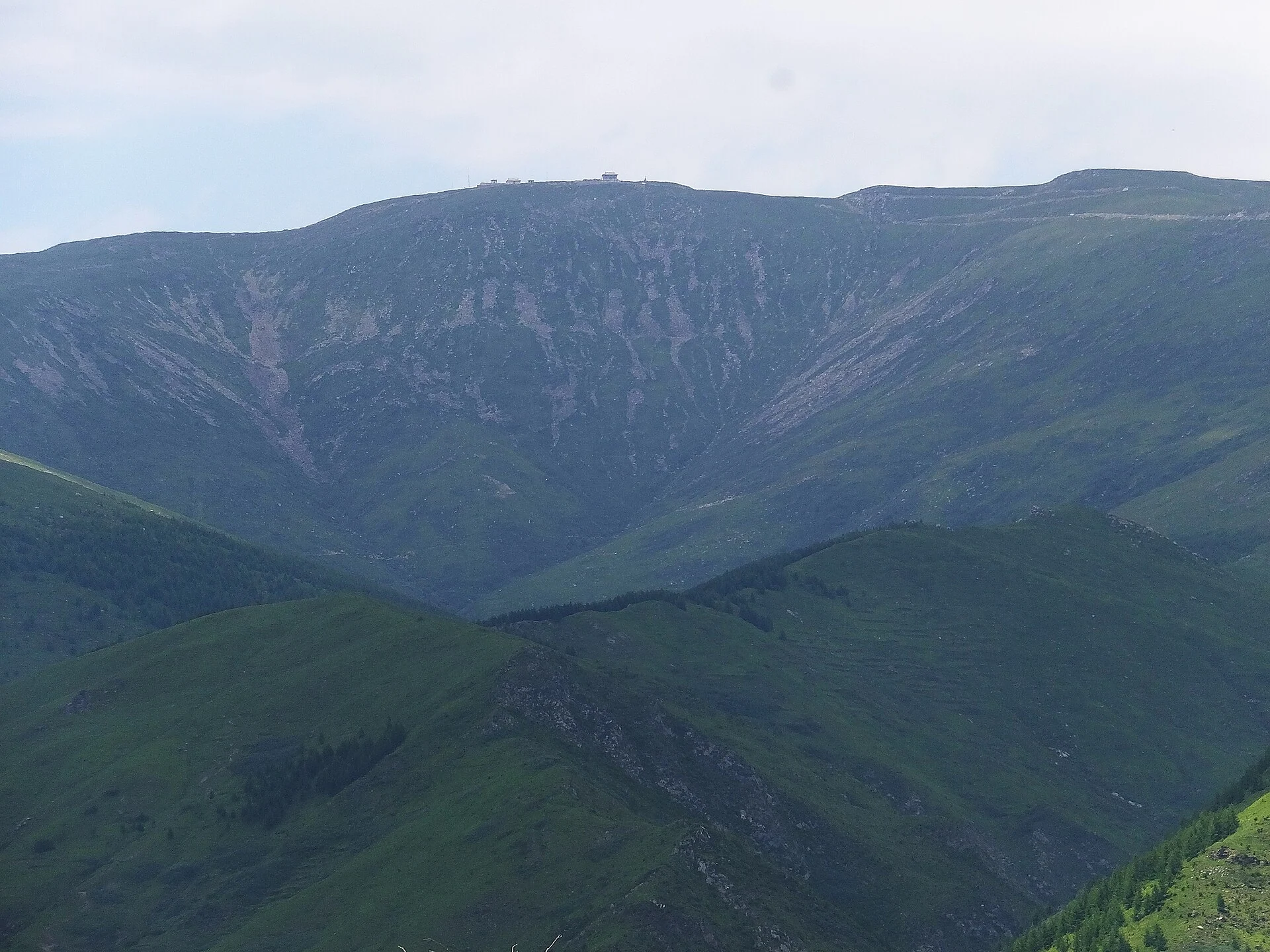
Cover: Green mountain slopes at Mount Wutai in Shanxi. Photo: lienyuan lee · CC BY 3.0. Resized and converted to WebP.
Wutai Shan is in Shanxi, and Taihuai is the mountain settlement at the centre of most temple visits. Use 五台山 and 台怀镇 when sharing addresses. A rail station bearing the mountain’s name is not your hotel door; check the actual station and road transfer before buying a train ticket.
Decide what you mean by visiting Wutai
UNESCO describes a Buddhist landscape shaped by monasteries and five flat-topped summits. Its property maps distinguish Taihuai from the Foguang Temple component. That distinction matters when choosing an itinerary: Foguang’s architectural interest does not make it a quick extra stop between temples in Taihuai.
| Main interest | Build the visit around | Allow separately |
|---|---|---|
| Living Buddhist culture | A small selection of Taihuai temples and time to observe respectfully | Meals, queues and walking between visits |
| Architecture | Named buildings and a guide able to explain their details | A separately mapped Foguang Temple transfer |
| Mountain scenery | An operating authorised terrace excursion | Weather, local transport and the full return |
| A first introduction | One full temple day with two surrounding nights | Arrival and departure road journeys |
A meaningful temple day can include fewer stops than a standard checklist. Leave time to notice courtyards, roof forms, sculpture and worship without treating every hall as an indoor photo stop. A knowledgeable guide can explain the relationship between buildings and practice; confirm language ability and the actual guiding scope before paying.
A calm two-night outline
Arrive in Taihuai during daylight where possible. Locate your accommodation, establish dinner arrangements and check the next day’s access information. An easy orientation walk is enough after a long road journey. Do not make a remote summit the compulsory reward for reaching town late.
Use the full day for a limited temple selection. Shuxiang Temple is among the monuments highlighted in UNESCO’s account. Ask your local guide to suggest a coherent sequence rather than adding every famous name. Build in a proper lunch and a pause indoors if the weather turns. Any further temple should fit the group’s energy and the return transport.
On the last morning, choose between a short visit and a comfortable departure. If a terrace excursion is essential, add another usable day rather than attaching it to a fixed train. The mountain scenery deserves a weather window; the town’s temples remain valuable even when higher views disappear.
| Stage | Suggested purpose | Decision to make first |
|---|---|---|
| Arrival afternoon | Settle into Taihuai and orientate | Exact hotel access and evening meal |
| Full day | A focused temple sequence with interpretation | Walking tolerance and appropriate guide language |
| Optional extra day | An authorised terrace outing or architectural detour | Weather, current access and separate transfer |
| Departure morning | One short visit or a direct transfer | Station, luggage and realistic road buffer |
Getting there without booking the wrong connection
Compare arrival through Taiyuan or another suitable rail gateway using the whole journey, including the final road leg. Send your accommodation the train number, arrival station and date, then ask where a pickup would actually occur. A quoted transfer should identify the meeting point, vehicle capacity and luggage allowance.
Tickets for people, reservations for private vehicles and transport within the scenic area are different questions. The visitor service centre publishes traffic and booking notices, but a past answer about a booking window is not a promise for your date. Check the current system, document types and whether your chosen vehicle can reach the accommodation.
International travellers should ask specifically how admission is handled with their passport. Keep the original document available and names consistent across reservations. A driver’s ability to enter does not establish the passenger’s admission procedure. Resolve both before leaving the arrival city.
Choose accommodation by its actual location
A Taihuai base can reduce repeated road travel for temple visits. Ask for the Chinese address, walking approach, stairs, room heating and hot-water arrangements. A mountain hotel’s attractive view is less useful if the final approach does not suit your luggage or mobility.
Foguang Temple is better treated as a separate architectural excursion with its own road plan. Decide whether it belongs before or after the Taihuai stay and have someone map the complete journey. Avoid changing hotels merely to collect another stop if the move consumes most of the day.
Weather, walking and temple etiquette
Pack layers and a rainproof outer layer even when your arrival city feels warm. Higher, exposed areas and sheltered temple courtyards can feel very different. Shoes should cope with steps and wet stone. Discuss health or mobility concerns before selecting a higher outing; transport does not remove all walking or mountain exposure.
Keep voices low around worship, follow photography signs and ask before photographing people. Leave doorways and ritual spaces clear. Do not assume that a ticket gives unrestricted access to every hall or ceremony. If an area is closed, choose another public visitor space.
Questions visitors often ask
Do I need to visit all five terraces?
No. A temple-focused stay is a worthwhile visit in its own right. An all-terrace outing has different transport, weather and physical demands and needs separate planning.
Is Foguang Temple inside the easy Taihuai circuit?
Do not plan it that way. UNESCO lists it as a separate component; map the road journey and check opening arrangements before assigning it a day.
Can Wutai fit a wider China itinerary?
Yes, if you protect the transfer days. Start with our China gateway-city guide, then ask Vero Trip to assess the mountain stay against your actual arrival, walking preferences and onward route. Any proposal should state transport, guiding and admission arrangements explicitly.
Planning information reviewed 29 October 2026. Sources: UNESCO: Mount Wutai; UNESCO: Mount Wutai property maps; Wutai visitor service centre. Confirm current access and operating arrangements for your travel date.
Plan This Visit as Part of Your Journey
This guide introduces a possible visit rather than a confirmed package departure. Share your dates, starting point and the experience you want through Plan My Trip. Vero Trip can check access, travel time, language support and the services to include before quoting.
Explore related travel themes for other ways to shape the journey.