Updated 22 October 2026
Plan Changbai Mountain and Yanji as two bases, not one compact destination. Choose the mountain side and hotel location first, then connect it with a Yanji city stay. Five or six days can give a first visit room for the mountain, local time and the transfer; a shorter trip needs a clearer choice about what to leave out.
Tianchi, the crater lake, is a weather-dependent part of the holiday. A successful admission booking does not promise an open main-peak route or a clear view. Choose other experiences you would enjoy and agree what changes if the lake visit cannot operate.
Choose the base before the room rate
Erdaobaihe, also associated with Chibei, is the northern town base. Songjianghe and the western resort area serve a different approach. Yanji is a separate city in Yanbian Korean Autonomous Prefecture. A hotel advertised under the broad name Changbai Mountain may be a poor match for the entrance or activity you intended.
| Base | Its main role | The booking question |
|---|---|---|
| Erdaobaihe / Chibei | A town base for the northern approach and separate local time. | How do we reach the exact booked visitor centre and return to this room? |
| Songjianghe / a western resort | A different base for a western-side or resort-focused stay. | Is this the town, a ski resort or a property near the selected entrance? |
| Yanji | A city stay for Korean-Chinese culture, meals and local visits. | How much usable city time remains after the mountain transfer? |
| A southern-side base | A separate, conditional choice for a specifically available southern visit. | Is the desired attraction open, and does the whole approach work for our dates? |
Obtain the property’s Chinese name, map pin and actual transfer to the booked entrance. Ask whether a package uses the North Scenic Area, the West Scenic Area or only a resort. A scenic-area name, a hotel brand and a railway station can all contain Changbai without meaning the same place.
A room near a collection centre can be convenient for a mountain morning. A quieter resort room can be a better choice when skiing, spa time or staying at the property is the main purpose. Compare the whole daily journey rather than assuming one location is best for everyone.
Changbaishan and Changbaishan West are different stations
The railway’s January 2026 station guide places Changbaishan station, 长白山站, at Erdaobaihe and Changbaishan West, 长白山西站, at Songjianghe. Choose the station around the actual hotel and approach. Neither station is the lake viewpoint.
The local administration even reported a foreign traveller getting off at Changbaishan when their intended destination was Changbaishan West. The useful preparation is simple: save the full Chinese station name, ticket and hotel pin together, and have the receiving contact confirm the same station.
Check the actual dated train before deciding the route. A 2026 provincial railway account documents the Shenyang–Changbai connection that opened in September 2025. Older road-only itineraries can miss that option, but a report’s fastest running time does not establish a train that suits your date, connection or hotel.
Compare railway and road travel door to door: hotel pickup, luggage, station check-in, any change of train and the final transfer. A shared car may suit a particular party, but one traveller’s fare and hotel collection experience are not a general transport tariff or a guarantee of a licensed service.
North, west or south: choose the visit, not a promise of a better view
The three sides have separate approaches. Do not book two simply to insure against bad weather; the same weather system can affect more than one area, and changing sides also changes transport and admission.
| Choice | Why consider it | What can change the day |
|---|---|---|
| North Scenic Area | A first mountain visit combining the lake opportunity with selected lower landscapes. | Main-peak transport, weather, queues and the effort of the waterfall walk. |
| West Scenic Area | A different lake viewpoint and a visit built around the western approach. | The final approach and stairs vary with the actual seasonal operation; assess the least mobile person. |
| South Scenic Area | A separate visit only when the particular sights and access work. | Seasonal operation, road works and attraction-specific closures; do not treat it as a guaranteed quieter substitute. |
| A resort or town day | Skiing, a booked spa, forest-town time or a rest day. | Separate operator, access, weather and inclusions; a resort activity is not a scenic-area lake visit. |
For a first northern visit, choose the walking sections around the actual open programme. A recent visitor who reached Tianchi on 17 October still emphasised the uphill effort on the waterfall outing and the need to leave time. Lower attractions are not automatically a short, level walk simply because they lie below the lake.
For the west, ask the operator about the final approach for the season and the return as well as the ascent. Someone uncomfortable with repeated steps or prolonged cold needs that detail before payment. A scenic bus does not establish a step-free viewpoint.
The southern area needs an equally specific check. The scenic company’s August 2026 notice published by Chinan authorities suspended its Tianchi and carbonised-wood visits for infrastructure work, while naming other sights that remained open. That dated notice is not a declaration of today’s whole-area status; obtain the current reopening and access information before making the southern lake your core plan.
Do not use the old five-day joint-ticket rule
In a 17 September 2026 reply, the administration states that the old five-day north–west joint-admission policy ended on 1 July 2023. Current admission is valid for the booked day and entry, with separate reservations and tickets for north, west and south.
Do not assume a failed lake attempt gives free entry on the following day or on the other side. Check the actual order and a new reservation before changing the plan. More nights can provide flexibility, but do not extend an admission automatically.
The tourism department’s published booking help identifies the official 长白山 and 长白山一机游 channels. For passport bookings it specifies an electronic code carrying the booked document number. Carry the original passport and save that code; resolve any identity-card-only form before paying.
The same help distinguishes admission and transport components, requires scenic-area vehicles inside the controlled area, and warns against paid guaranteed-ticket offers. Ask for each included ride and the actual dated conditions. Its August 2025 prices and release schedule should not replace the current order.
A clear morning in town does not guarantee Tianchi
Two recent travellers described reaching Tianchi on different October dates. One felt the lower sights were warm enough to need fewer layers; another described strong wind at the lake and repeatedly losing a hat. Neither personal clothing judgement is a reliable packing rule for your party.
Use the mountain forecast, current scenic notices and the advice of staff for the actual date. Take suitable warm and wind-resistant layers, footwear and the essentials you need if queues extend the day. Keep layers accessible during transfers rather than packing them in a suitcase left at the hotel.
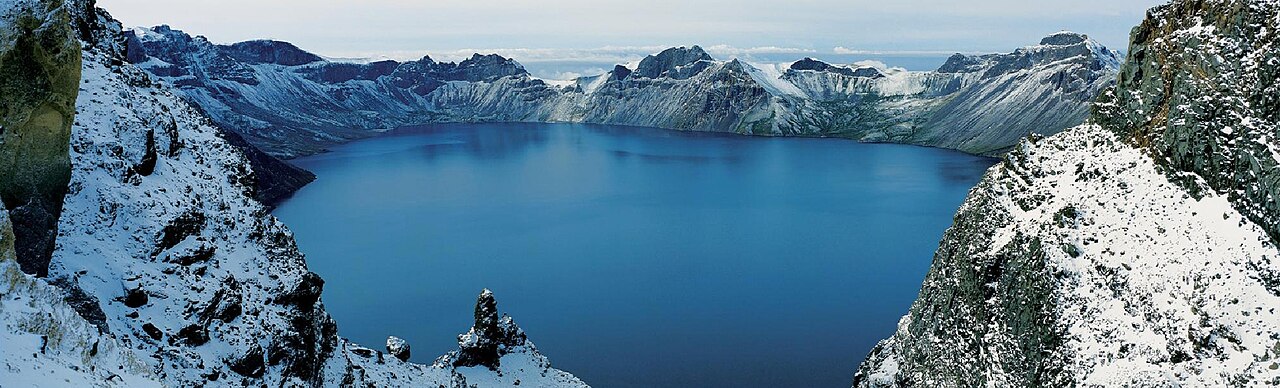
A recent clear-view photograph proves that a particular person saw the lake, not a fixed annual probability. Claims that it is visible on only a certain number of days each year need reliable evidence and should not determine your booking. Likewise, a forecast closure and a later opening can differ; check the current announcement rather than treating yesterday’s expectation as the final decision.
The administration’s July statistics record full-area closures due to wind and heavy rain even in summer. Winter is not the only season that needs a change plan. A lake closure, a closure of a particular walk and closure of an entire scenic area are different situations.
Decide the alternative before the mountain morning
If the main peak cannot operate, first establish what is actually open. You may prefer selected lower landscapes, a local town day or moving the mountain attempt within the available trip. Do not assume every waterfall, forest path, rafting business or spa remains available under the same conditions.
Ask whether unused components can be refunded or moved, how to request the change and by what deadline. Keep the booking channel, order numbers and payment evidence. The result can differ between an unused official ride, an admission already used and an independently booked hotel or driver.
Choose whether another attempt matters enough to keep a spare day. A longer stay creates an opportunity to make a new decision; it does not guarantee improved weather, a ticket or a clear view. If your party would dislike the holiday without Tianchi, discuss that risk before buying non-refundable travel.
For an essential onward flight, protect the departure rather than chasing one more opening announcement. Follow controls and stay on permitted routes. Do not ask a driver to compensate for a delay by rushing a winter road.
Give Erdaobaihe some time of its own
A town stay can be more than a place to sleep before the mountain. Choose a manageable local walk, a café break or a museum visit whose opening and booking arrangements suit the date. Identify the specific place and return to your room, especially with children or anyone who tires in the cold.
One recently read town guide recommended a slower day around river and pine settings. Its text also described summer temperatures, although the publication was recent. The pacing idea can be useful without treating the summer description as October weather, every attraction as free, or every hotel as equally convenient.
Keep river edges, icy surfaces and closed paths outside the walk. Avoid feeding wild birds just because a social guide suggests buying food. Choose a permitted public path and a shorter return when the surface, wind or daylight changes.
If a hot spring interests you, distinguish a view of a geothermal landscape from a booked bathing facility. Obtain the actual venue, pool arrangements, opening, swimwear requirements and inclusion list. A scenic-area admission is not proof of a hotel spa booking.
Plan Yanji for culture and meals, with room to enjoy both
Yanji rewards more than a brief photograph beside a busy shopfront. Give the city usable time for Korean-Chinese food, bilingual streets and a selected cultural visit. Choose a hotel around the places you intend to spend time, with the arrival and departure transfers still counted.
The province’s October 2026 cultural-tourism account describes the Korean folk park in Yanji as combining heritage displays, costume experiences and craft or food activities. Ask which experiences operate on your date, in which language and under what booking; a general description is not a daily performance schedule.
A costume portrait session is optional. Compare garment choice, fitting, makeup, changing facilities, photographer time, delivered files, editing, extra charges and cancellation before agreeing. Ask how portraits may be used and keep permission for public or promotional use separate. Do not assume a park ticket includes the whole session.
For families, keep the interests of those not joining the photographs in the plan. A warm indoor break, a shorter session and a nearby meal can make the day more comfortable. A child’s willingness to dress up does not mean they want several hours of waiting.
Market and restaurant suggestions need their actual operating time and menu checked. One recently read food list openly described a future trip while presenting enthusiastic restaurant recommendations. It is not proof of a completed independent tasting, and no single list should determine all your meals.
Make food choices work for the group
Choose a few meals you particularly want and leave space between them. A breakfast market, a large lunch, cafés and an elaborate evening meal can become another checklist if booked too tightly. Agree what matters more: local explanation, a particular dish, comfort, or simply a relaxed meal after the mountain transfer.
For allergies or halal requirements, ask about broth, meat, animal fat, cooking alcohol, marinades and preparation with the actual provider. A beef dish is not automatically halal, and a vegetable side may use ingredients that matter to your diet. Discuss suitable alternatives and practical prayer breaks before finalising the day.
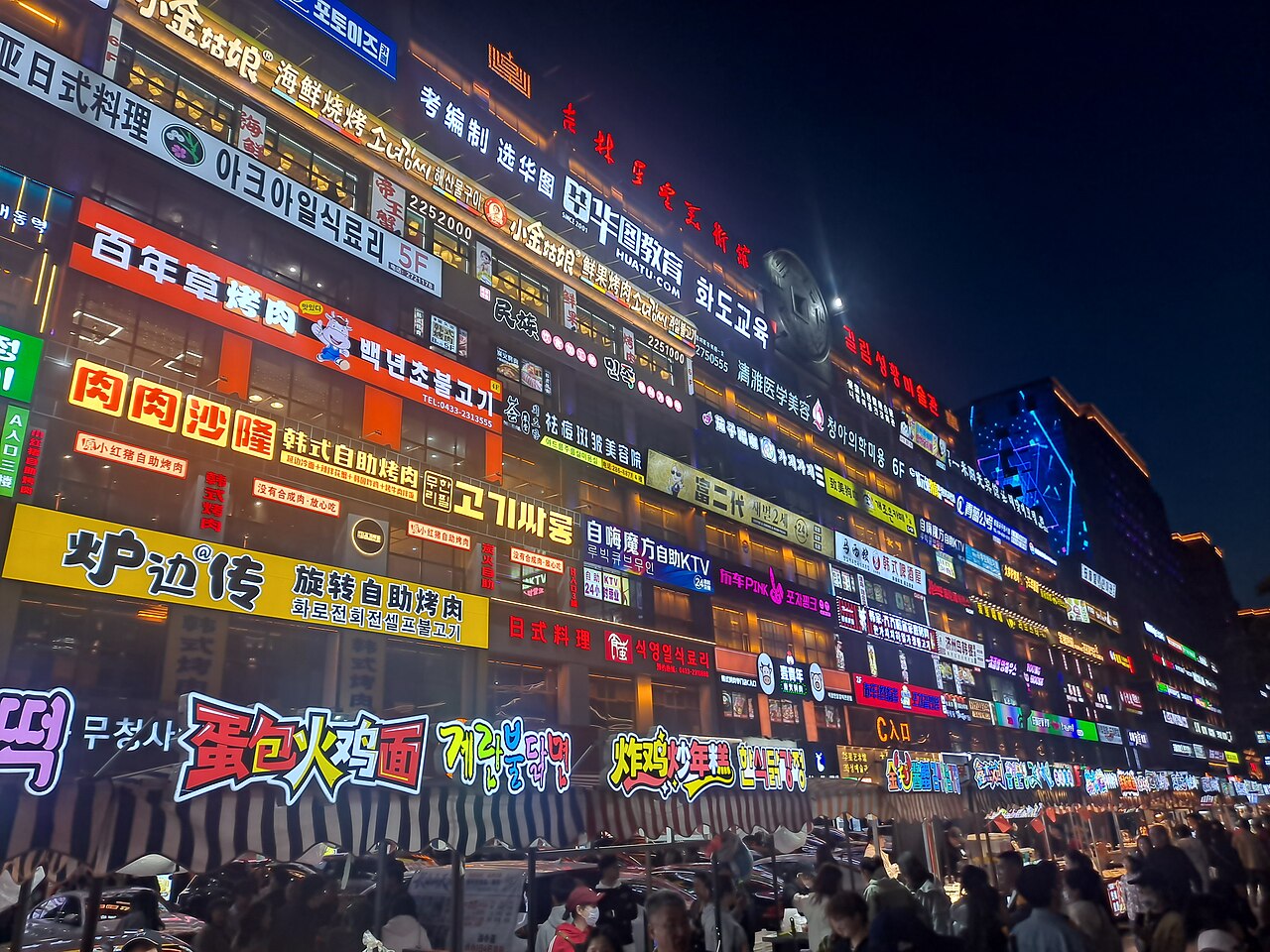
Respect ordinary shops, residents and public movement around busy photo locations. Use a safe pavement position and permitted crossings rather than stepping into traffic for the desired angle. A lively evening street can be enjoyable without making the photograph the main purpose of the city stay.
Choose days before adding another northeast destination
Begin with the actual arrival and departure services. A five-day plan with late arrival and early departure has fewer usable days than its title suggests. The mountain-side hotel and Yanji should each have a clear purpose and enough time to make the move worthwhile.
| Available holiday | A useful starting choice | What to avoid |
|---|---|---|
| 3 days / 2 nights | Choose one mountain-side base or a Yanji city break. | Assuming a long arrival, full mountain outing and full Yanji visit all fit. |
| 4 days / 3 nights | One selected mountain visit and a shorter Yanji stay, if the services fit. | Calling the transfer date a full sightseeing day in both places. |
| 5–6 days | Two bases, proper city time and some flexibility around the mountain. | Filling every spare day with another distant region. |
| A longer northeast trip | Build each railway or road stage and overnight separately. | Adding Harbin, Snow Town or Mohe merely because they share a winter theme. |
Road travel between the bases may allow a specifically chosen stop, but it still needs a realistic itinerary and current conditions. Compare that with the dated railway option. Do not add an attraction to justify a private car without checking how it changes the total day.
For a winter holiday, a lake visit and skiing are separate priorities. Confirm the named resort, seasonal opening, suitable terrain, lesson language, equipment and insurance scope. A mountain ticket does not include ski activities, and photographs of snow on the main peak do not establish a working ski area.
A six-day sequence that protects city time
This example uses a northern mountain base and Yanji. It is a planning pattern, not a confirmed tour. Reverse the order if your actual arrival, departure or the dated conditions make that more practical.
| Day | Purpose | Night / decision |
|---|---|---|
| 1 | Arrive at the station or airport that suits the chosen mountain base. | Erdaobaihe for this northern example; keep the first evening modest. |
| 2 | A reserved North Scenic Area visit, with walks chosen for the group. | Same base; Tianchi is conditional on actual operation and visibility. |
| 3 | A local town day, or a separately booked mountain attempt if conditions and priorities justify it. | Same base; changing the visit requires the appropriate new booking and terms. |
| 4 | Transfer to Yanji using the dated rail or road arrangement. | Yanji; keep an evening meal or short walk optional after arrival. |
| 5 | A selected cultural visit and relaxed city food time. | Yanji; leave room for meals, rest and any agreed costume or craft session. |
| 6 | Departure, with a small local visit only if the service allows. | Use the actual airport or station and a suitable check-in margin. |
On day three, decide whether another mountain attempt is worth the new booking and uncertainty. If not, enjoy the local day rather than spending it waiting for an announcement. On day four, protect the transfer and room check-in before adding evening sightseeing.
Keep a western resort holiday as its own version of the plan, with the relevant station and activities. Do not insert a western hotel into this northern example without rebuilding the road stages. The same applies to a southern extension.
Ask for a connected proposal
Use the Yanji destination collection and Baishan regional collection to explore the wider area. Baishan city, the western and southern mountain approaches, and the northern base should remain distinct in the written route.
The published seven-day northeast heritage outline also includes Shenyang, Changchun and Harbin. It has substantial transfers and shorter local stays. Compare it with a focused two-base holiday, and ask for the actual dated transport, hotels, guiding and included admissions before booking.
Send Vero Trip your dates, nationalities, arrival and departure services, party size, children’s ages, luggage and walking limits. State whether Tianchi, skiing, a comfortable resort stay, town walks or Yanji culture is the priority. Request named hotels, full station names, the exact mountain side, included transport and a written weather-change plan.
Still choosing the provincial route? The Jilin Province trip planner compares this mountain-and-Yanji pairing with Changchun and Jilin City, including city stays, rime conditions and the extra transfer days needed to combine them.