For a first Shangri-La cycling outing, choose a short, reversible ride on a route checked locally that day, rather than committing to a complete Napa Lake circuit. Rent an ordinary pedal bicycle only after checking fit, brakes, helmet and return terms. Keep a non-cycling alternative: Napa’s lakeside roads carry mixed traffic and can be affected by rising water.
This guide concerns pedal-bicycle planning around Shangri-La city and Napa Lake, also called Napahai (纳帕海), in northwest Yunnan. Electric bicycles, scooters and motorcycles are different vehicle choices; do not assume a rental label, route permission or paperwork requirement transfers from one to another.
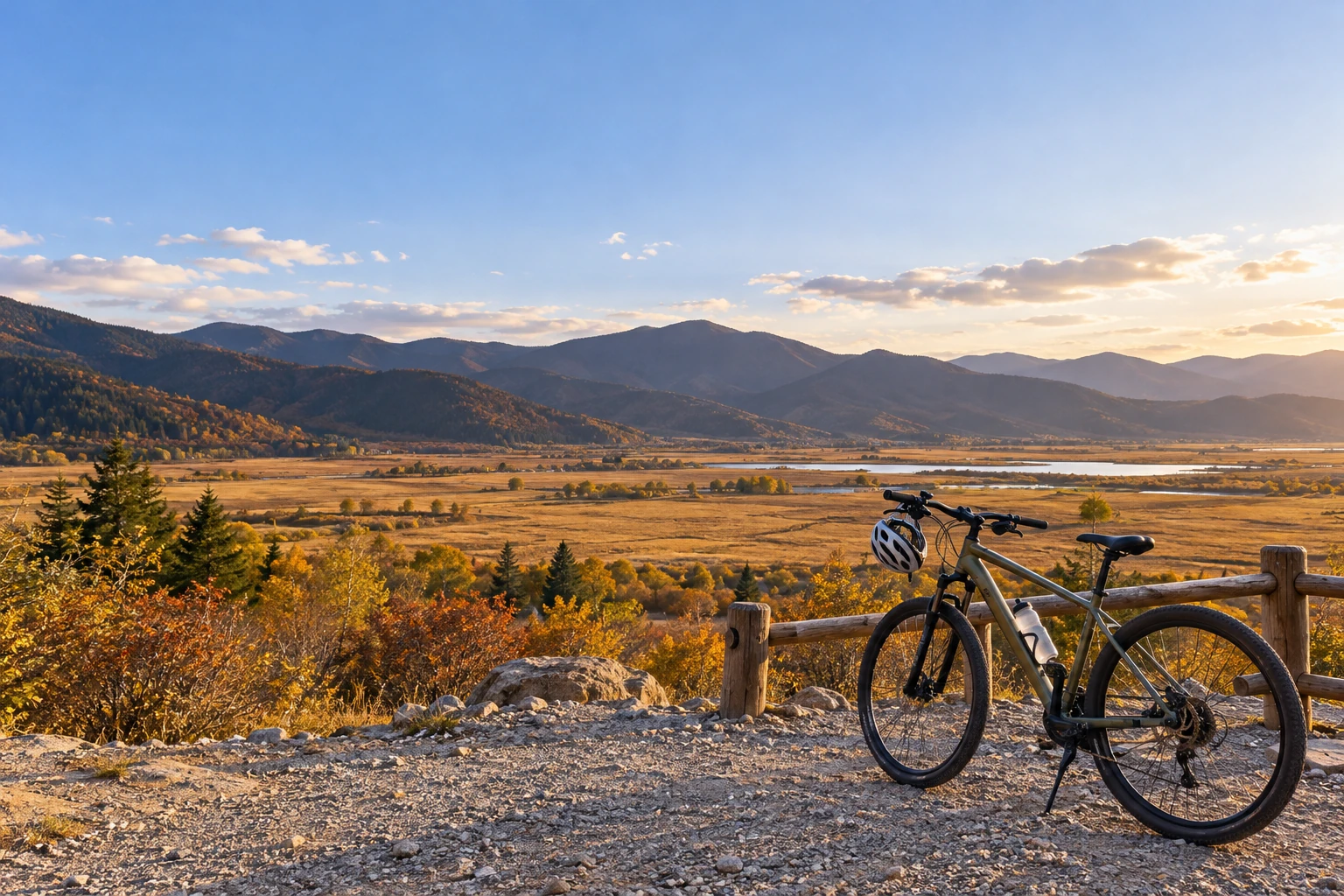
Updated 28 October 2026. Featured image: original illustrated cycling-preparation illustration. It does not show an exact Napa Lake viewpoint, a rental supplier or current road access.
Napa Lake is a landscape outing, not a guaranteed cycleway
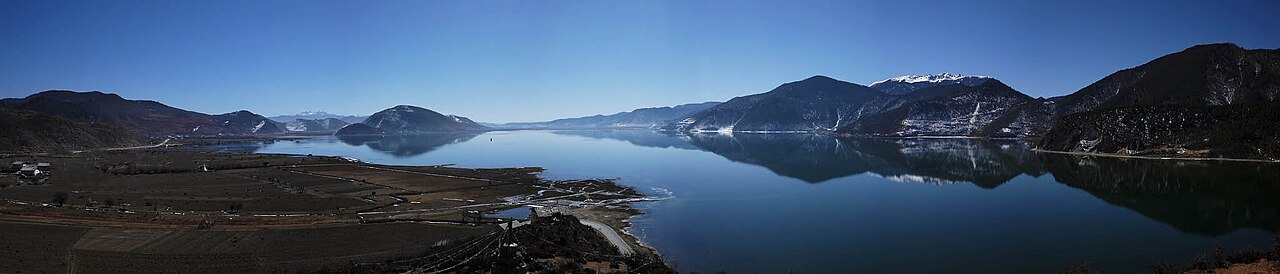
The attraction is the open wetland and mountain setting near Shangri-La. But “lakeside” does not mean traffic-free. In its published visitor-safety post, Diqing traffic police describe the ring-road section as narrow, with walkers, cyclists and vehicles sharing the area. They warn about stopping in the road for photographs and about slippery, flooded lakeside sections when water rises.
Use that warning to shape the day: choose a stretch you are comfortable riding, identify a proper stopping place and be willing to return by the same route. A water-covered road seen in a video is not a cycling feature to seek out. Check current traffic directions and passability locally; an old route recording cannot establish today’s access.
Choose a ride you can shorten
Begin with your riding confidence and how long you have been at altitude. If a party includes a nervous cyclist, do not let a confident rider’s preferred distance decide everyone’s day. A scenic vehicle outing with short permitted walks can meet the same landscape interest.
| Choice | When it makes sense | The decision that matters |
|---|---|---|
| Short out-and-back | Confident cyclists want a limited ride with a simple return. | Agree a suitable segment, a turnaround point and enough time to return the bicycle. |
| One-way ride with collection | A shop has specifically agreed how bicycles and riders get back. | Obtain the exact collection point, contact, charge and fallback in writing before leaving. |
| Full circuit | Experienced riders deliberately want a longer outing and current conditions allow it. | Check the complete route, traffic, exposed sections and exit options; do not treat a circuit as the default. |
| Vehicle and short walks | Anyone prefers less exertion or the riding conditions are unsuitable. | Use legal parking/viewing points and discuss walking distances and the day’s stops. |
Judge the complete outing, not only the riding segment. Collecting and fitting bicycles, reaching the start, breaks, the return and the final hotel transfer all take part of your available day. Avoid a fixed onward flight or train immediately after a ride whose finish depends on weather, traffic and a rental handover.
Bike rental: agree the equipment and return before paying
Ask your accommodation for help locating a currently operating hire shop, then speak to that operator about its actual bicycles and terms. A recommendation is a starting point, not proof of a particular bike size, helmet, English service or rescue vehicle. This guide does not name a shop as a confirmed Vero Trip supplier or quote an unsupported daily rate.
| Check | What to ask or try | Keep a record of |
|---|---|---|
| Bicycle type and fit | Is this an ordinary pedal bicycle? Can the saddle be adjusted and can you control it comfortably? | The exact bicycle and agreed equipment, rather than a sample image. |
| Brakes, tyres and gears | Ask the shop to demonstrate them; make a controlled test ride in a suitable area. | Existing damage, tyre condition and any faults before departure. |
| Helmet and essentials | Request a correctly fitting helmet, a lock and whatever repair provision the shop actually offers. | Included equipment, emergency contact and what a repair call would cost. |
| Hire period and deposit | When must it be back? How is the deposit taken and returned? What counts as damage or late return? | Written amounts, payment method, receipt and deposit terms. |
| Finish and breakdown | Where is the staffed return point? What happens if you cannot ride back? | Exact map pin, business hours, collection agreement and contact number. |
| Foreign-visitor use | Can you complete registration with your travel document and payment method? | Required information and the operator’s answer before paying. |
Photograph the bicycle’s condition with the shop’s agreement, keep the receipt and save the contact offline. If an app is involved, establish how the hire is ended and how you will see that it has ended. If a staffed handover is required, leaving the bike beside a road or outside a closed door does not settle the contract.
Useful questions to show the shop include “这是普通脚踏自行车吗?” (Is this an ordinary pedal bicycle?), “必须在哪里、几点前还车?” (Where and by what time must I return it?) and “如果骑不回来,怎么处理,费用是多少?” (If I cannot ride back, what happens and what does it cost?). Ask for a clear answer to each.
Plan the start, turnaround and exit as separate points
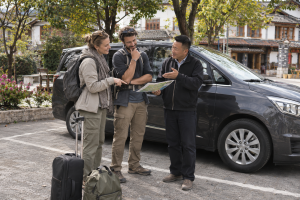
Have the shop or a knowledgeable local helper mark the proposed segment on your map. Ask which sections have traffic, where stopping is appropriate and whether any part is affected by water, works or a local restriction. Save the Chinese place names and an identifiable meeting pin. “Somewhere around Napa Lake” is not a usable pickup instruction.
Do not assume a one-way ride comes with collection. A car that can take passengers may not be equipped or willing to carry bicycles. If collection is essential, agree bicycle capacity and the loading place as well as the passenger fare. Without that arrangement, choose an out-and-back plan you can finish comfortably.
| Stage | What to do | When to change the plan |
|---|---|---|
| Before leaving the shop | Check weather, equipment, route and return terms; save contacts and pins. | The bike does not fit, a fault remains, or the route/return answer is unclear. |
| At the proposed start | Assess the real traffic and surface before committing. | Water covers the road, visibility is poor or traffic feels beyond your confidence. |
| Before extending the ride | Review everyone’s comfort and the time needed to return. | A rider is struggling, the weather is deteriorating or the planned stopping place is unsuitable. |
| At the finish | Complete the agreed handover or app ending and check the deposit outcome. | Resolve an incomplete return with the operator before leaving for your next connection. |
Altitude changes the decision, even on a modest ride
The CDC’s altitude guidance recommends only mild exercise during the first 48 hours at altitude. Physical fitness does not protect against altitude illness. Keep arrival plans gentle and discuss personal medical risks with a clinician before travelling; do not turn a first-day rental into a test of endurance.
If symptoms develop after ascent, stop exertion and seek appropriate medical assessment rather than trying to complete the ride. Do not go to a higher sleeping altitude while symptomatic. Worsening symptoms despite rest call for descent and medical help; confusion, difficulty walking straight or breathlessness at rest need urgent assistance. A bicycle booking or an oxygen canister is not a reason to continue.
Weather, traffic and wetland etiquette
Wear a suitable helmet and carry water, a snack, sun protection and a wind/rain layer. Keep a phone charged, but stop somewhere appropriate before checking navigation. The cycling association’s safety guidance stresses checking the bicycle and changing plans for adverse weather. A pleasant view is not a forecast for the return leg.
Follow traffic signs and local instructions. Do not ride the wrong way, block the roadway or stop in its centre for a photograph. If the surface or traffic is unsuitable, return to a suitable safe location and activate your agreed alternative; do not improvise a shortcut across wet ground.
Napa is also wildlife habitat. A September 2026 wetland report describes breeding birds and controls on disturbance. Keep to permitted access, observe from a distance, and leave restoration areas, grazing land and birds’ resting places undisturbed. An open-looking meadow is not permission to cycle across it.
Families and mixed groups: make the alternative enjoyable
Check actual child-sized bicycles and helmets before promising a family ride. Do not improvise a passenger seat or assume a child who cycles confidently at home will enjoy shared lakeside roads. If a safe, suitable arrangement is unavailable, choose a vehicle visit and a manageable walk instead.
For a mixed group, agree whether everyone stays together or meets at one specified place. A non-cyclist should not be left waiting without shelter, a contact or a reliable return. Choose a meal near the hotel afterwards; our Shangri-La food guide helps with dietary questions and restaurant locations.
Questions about cycling in Shangri-La
How many kilometres should I plan?
Use the locally checked segment and your group’s ability to decide, rather than one online circuit number. Start and finish points, detours and road access change what “around the lake” means. Save the route and build a turnaround decision into the plan.
Can I replace a pedal bicycle with an electric rental?
Only after establishing the actual vehicle category, applicable requirements and permitted route. This pedal-cycling guide does not establish permission or legal eligibility for an electric bicycle, scooter or motorcycle. Battery range alone is not enough to make that decision.
Is every lake viewpoint free to enter?
Do not infer that from a road description. A business, horse-riding area or viewing venue may have its own terms. Ask what a charge covers before entering or buying an activity, and distinguish access to that venue from your broader road journey.
Choose a Shangri-La plan with a workable fallback
Our Shangri-La stay and arrival guide helps place an outing within the wider trip. The existing Songzanlin, Napa Lake and Dukezong day route is a vehicle-based sightseeing alternative. It is not a bicycle-rental or supported cycling package; bicycles, collection and specialist support require their own written arrangement.
Send Vero Trip your dates and priorities, including nights already spent at altitude, cycling experience, ages, hotel area, dietary needs and whether a non-cycling option is essential. Ask for the route, equipment, return transport, inclusions and price to be specified in the proposal.
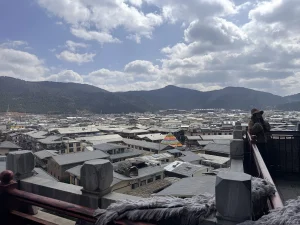
Local background: Diqing traffic police’s visitor-safety post and Diqing’s water and traffic-management report. They provide planning context; check the actual day’s instructions before riding. The featured image is an original illustration; the separate panoramic image is an older Napa Lake photograph, not proof of today’s conditions.