15-Day Everest East Face & Karma Valley Trek
Gallery: photographs and travel illustrations
Use these views to compare the settings on the route. Illustrative images are identified in their individual notes. Your confirmed itinerary sets out guiding, visits and included activities.
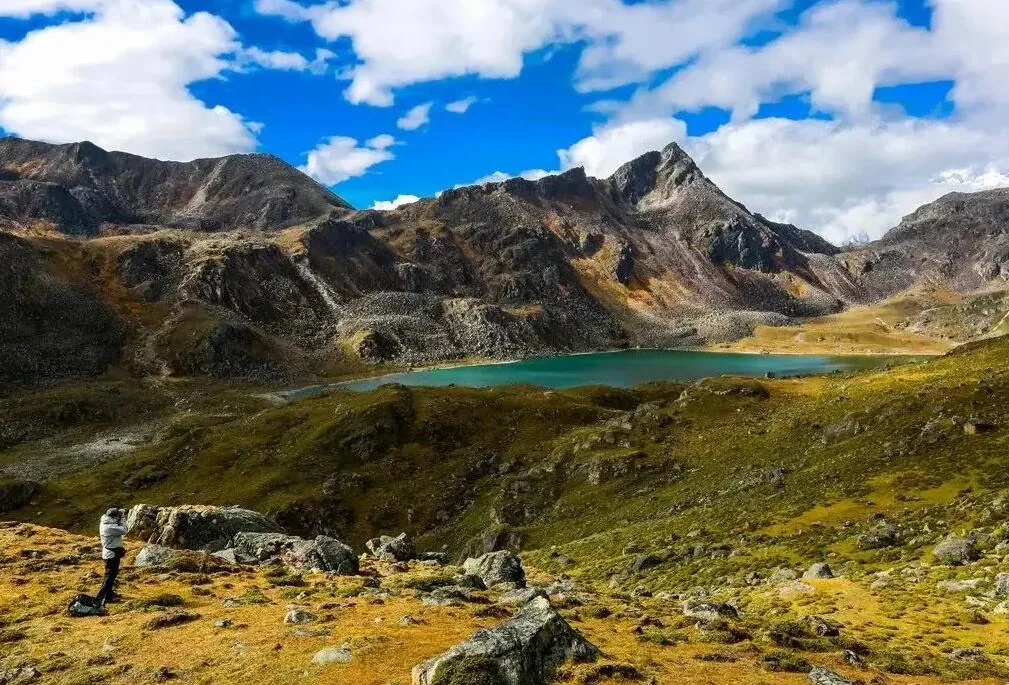
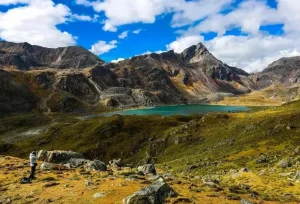
- Mountain scenery from the Karma Valley itinerary.
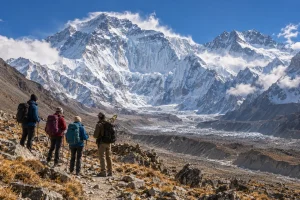
- Everest east-face trekking illustration. Mountain visibility and the accessible viewpoint vary.
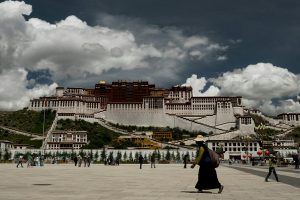
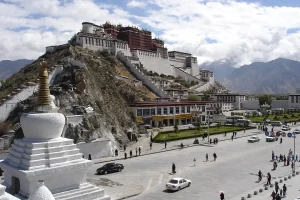
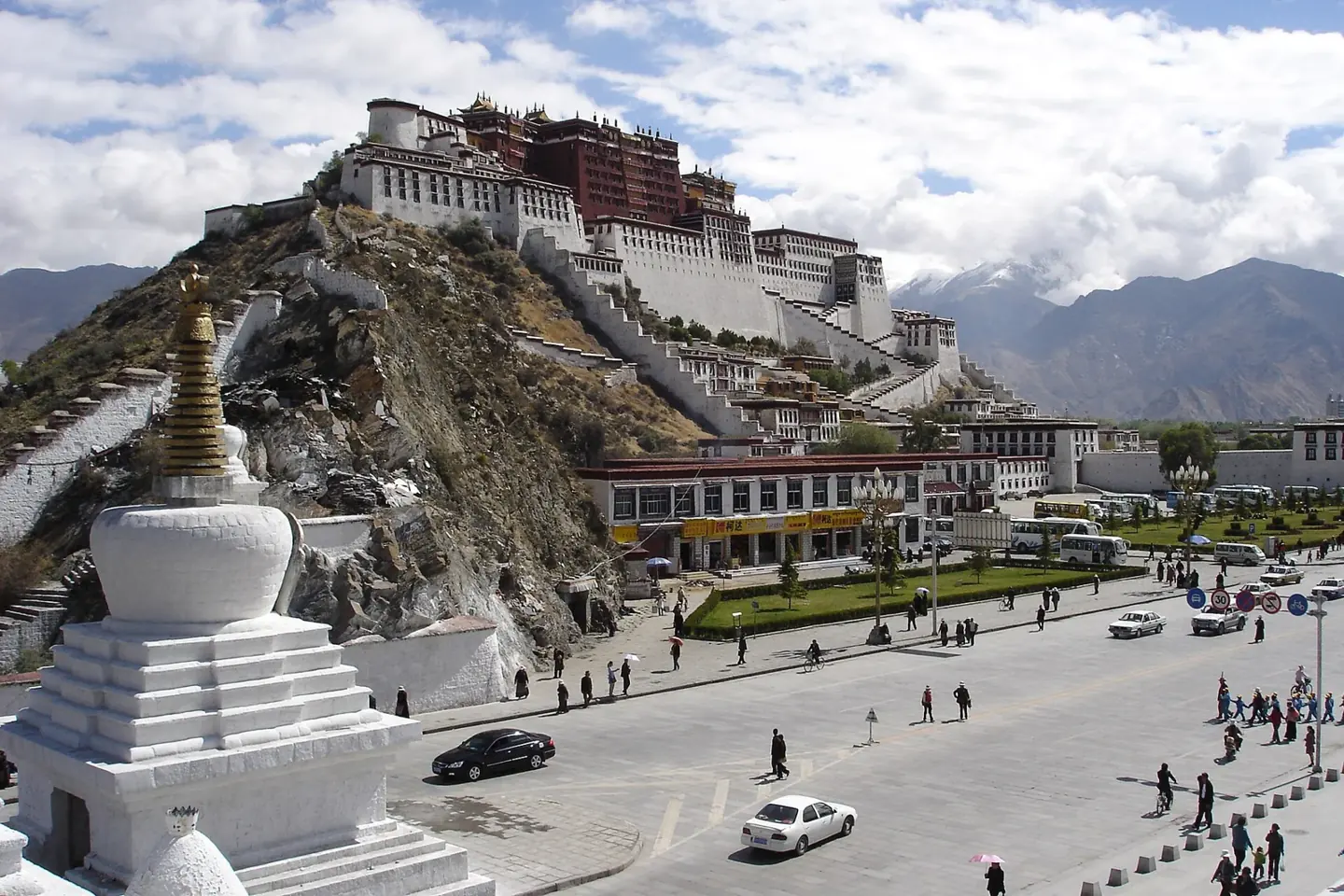
- Potala Palace in Lhasa
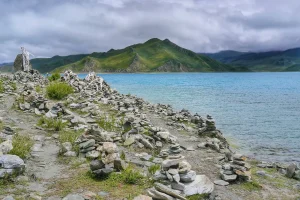
- Yamdrok Lake shoreline
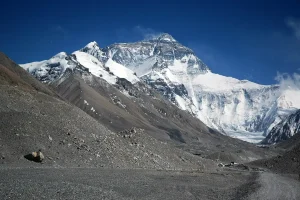
- Mount Everest viewed from Rongbuk
Overview
Approach the eastern side of Everest through Karma Valley on a demanding 15-day journey from Lhasa. After visiting the city and travelling through Gyantse and Shigatse, the route reaches Youpa and continues on foot through alpine lakes, forested valleys, high passes and remote camps towards the Kangshung face.
Days 5–12 form the eight-day trekking section. The route includes approximate camp elevations of 4,650–5,000 metres and a crossing of Nangma La at about 5,344 metres. This is a strenuous trek with long days, rough trails and limited services. It suits experienced trekkers who can manage consecutive walking days and basic camping; it requires individual assessment and adequate acclimatization before departure.
An English-speaking Tibetan guide, camp support, a cook and pack-animal assistance are included in the planned service package. The departure is arranged on request, subject to route access, necessary approvals, weather and local support. The final quotation confirms camps, equipment, meals and any extra acclimatization days.
About the images: the gallery and daily programme combine destination photographs with clearly captioned trekking illustrations. These illustrations show the type of experience; they do not document a particular departure, campsite or guaranteed mountain view.
For other walking itineraries, explore our China hiking and trekking tours. For a shorter road-based Everest journey, see the 8-day Lhasa to Everest Base Camp group tour.
YOUR JOURNEY
Route Map
Follow the itinerary in travel order.

Continue the route: days 7–15
Route schematic; not to scale or for navigation. See the Daily Itinerary for individual visits, optional activities and access conditions.
Planning your journey
Departure dates, room arrangements and the final price are confirmed by quotation. Share your passport nationality, arrival plan and preferred dates before booking so the team can check the travel documents and route access for your journey.
Keep your arrival day light and discuss this high-altitude itinerary with a travel-health professional before departure. See the CDC guidance on travel to high altitudes for preparation. Additional acclimatization nights can be discussed before the core itinerary begins.
High-pass and camp elevations, walking distances and place-name spellings are approximate and vary with the final route and conditions.
Daily Itinerary
Meet your guide at Lhasa Airport or railway station and transfer to the hotel. Leave the remaining day free to rest after the journey and begin adjusting to the altitude. Review the trekking plan, equipment and upcoming transfers with the local team.
Overnight: Lhasa
Meals: Not included
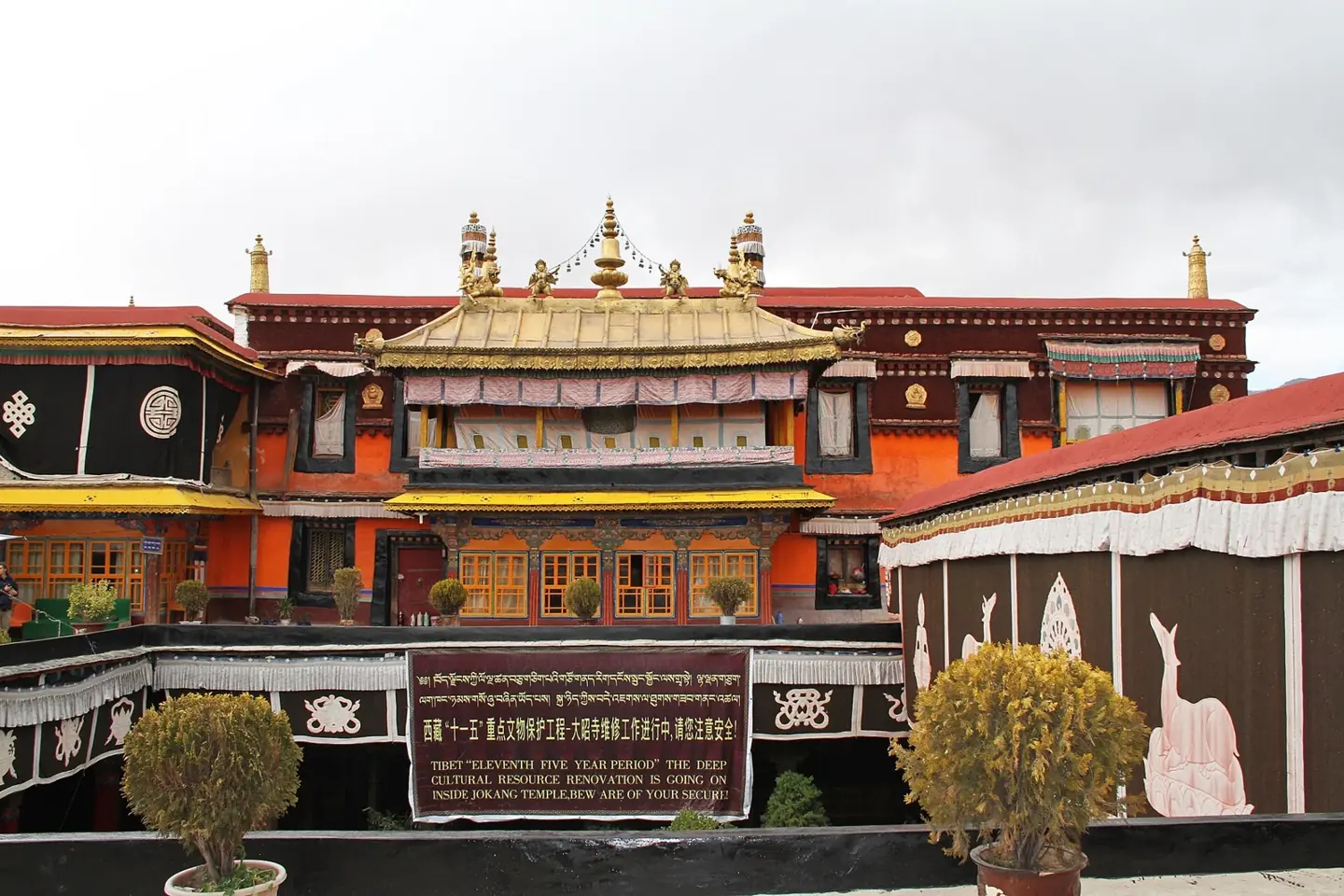
Explore the Potala Palace at its reserved entry time, then visit Jokhang Temple and Barkhor Street with your guide. Keep the walking pace gentle and avoid adding strenuous activities to the day. A welcome dinner provides time to discuss the route and practical camp arrangements.
Overnight: Lhasa
Meals: Breakfast and welcome dinner
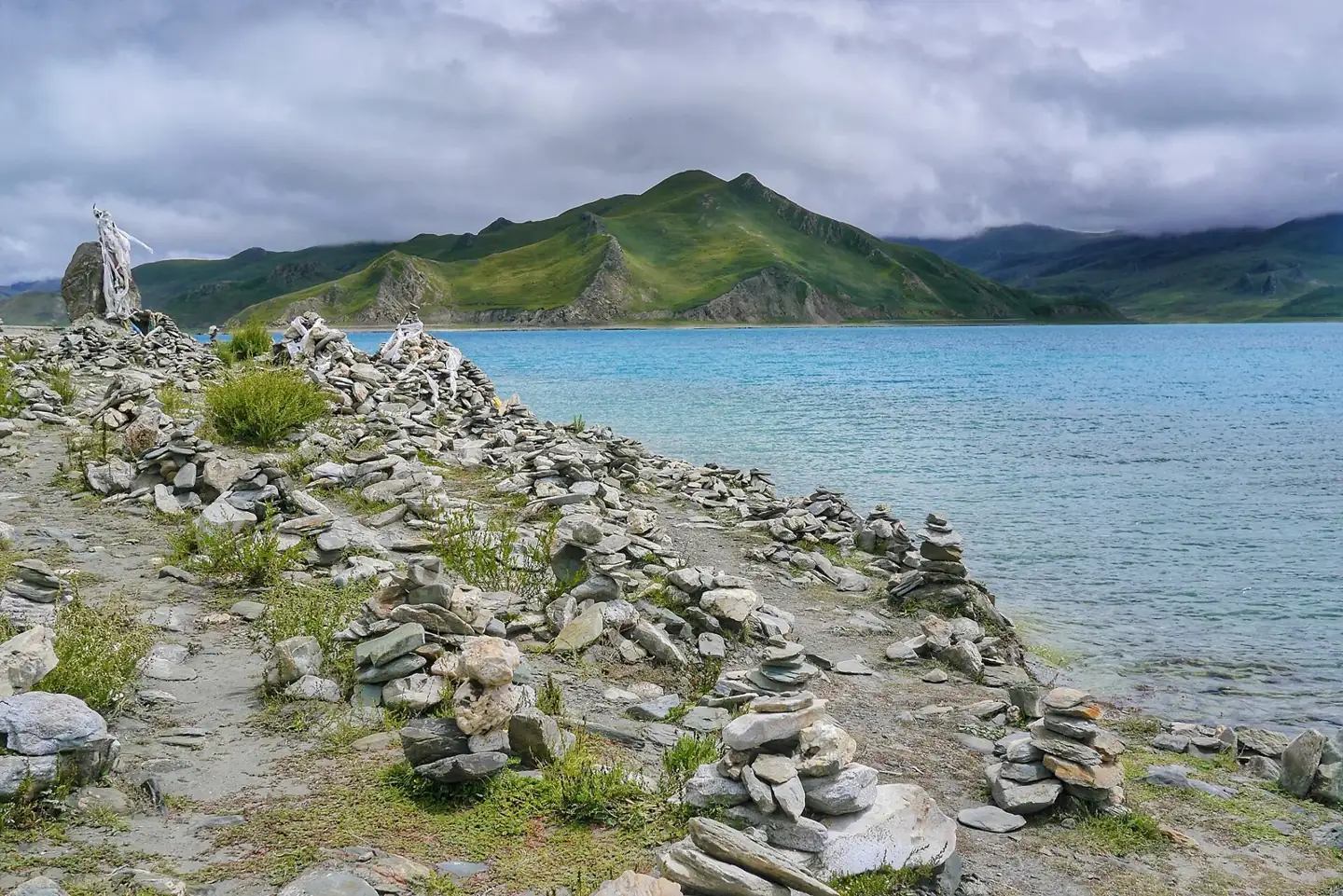
Drive towards Yamdrok Lake and continue along the Karola Glacier route to Gyantse. Visit Pelkor Monastery and the Kumbum where access permits, then travel on to Shigatse. This is a substantial overland day with changing altitude; the guide adjusts stops around road conditions and the group’s pace.
Overnight: Shigatse
Meals: Breakfast
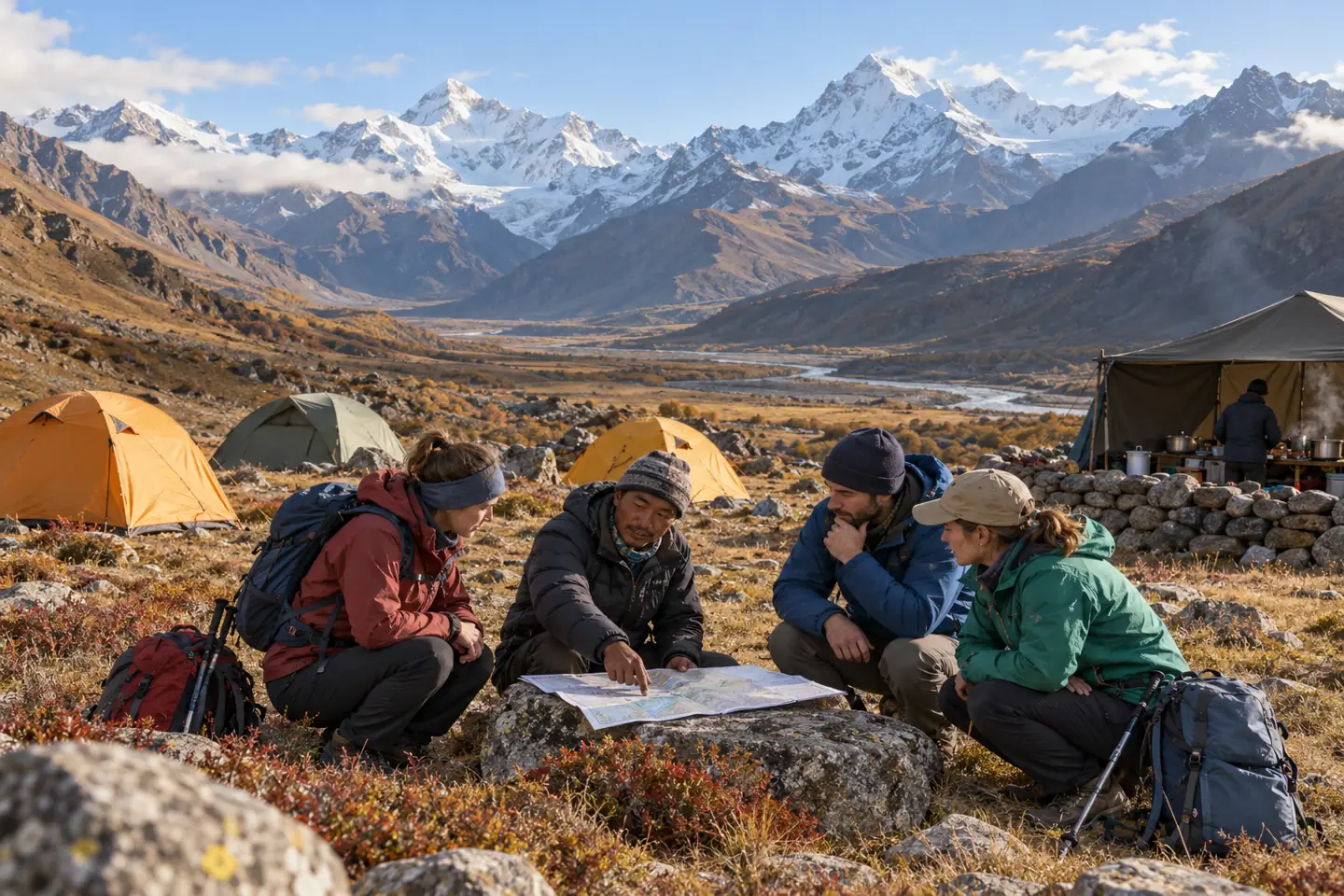
Travel through the Tingri region towards Chutang and Youpa, the starting area for the trek. Mountain viewpoints are weather dependent. On arrival, check personal equipment, organise the pack-animal loads and review the next day’s walking plan with the guide and camp team.
Overnight: Camp in the Youpa area
Meals: Breakfast and dinner
Begin the walking section from Youpa and climb through increasingly open high-country terrain towards Showotso. The route involves approximately 10 kilometres of walking and about 900 metres of ascent, reaching a camp around 4,650 metres. Set a steady pace and let the guide determine rest stops and the camp location.
Overnight: Camp near Showotso
Meals: Breakfast, lunch and dinner
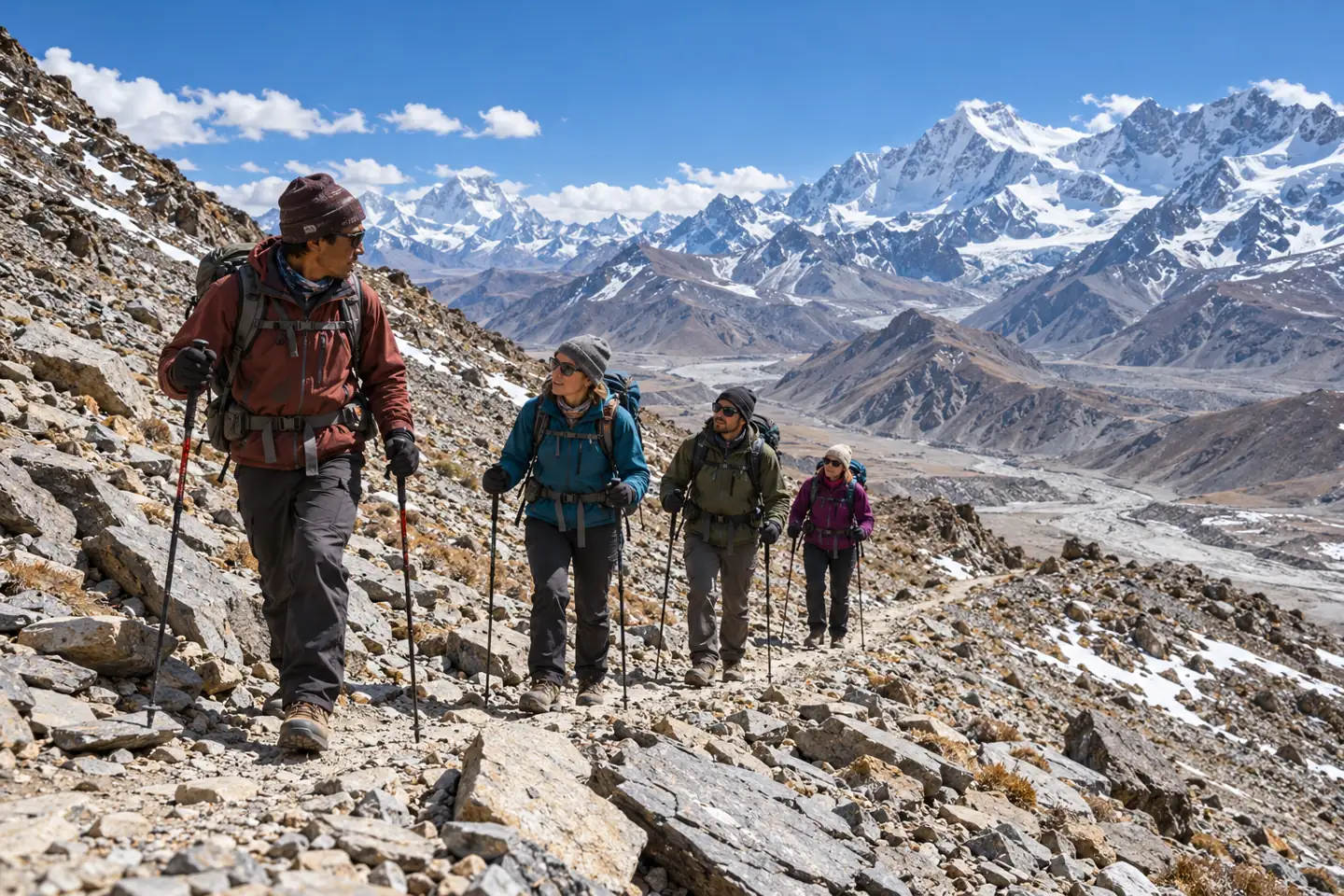
Climb towards Showo La, approximately 4,900 metres, before descending into Orchid Valley. Rocky sections, wind and the descent make this a demanding day. Remain with the guide on the established route and allow time for the group to move steadily; distant mountain views depend on visibility.
Overnight: Camp in Orchid Valley
Meals: Breakfast, lunch and dinner
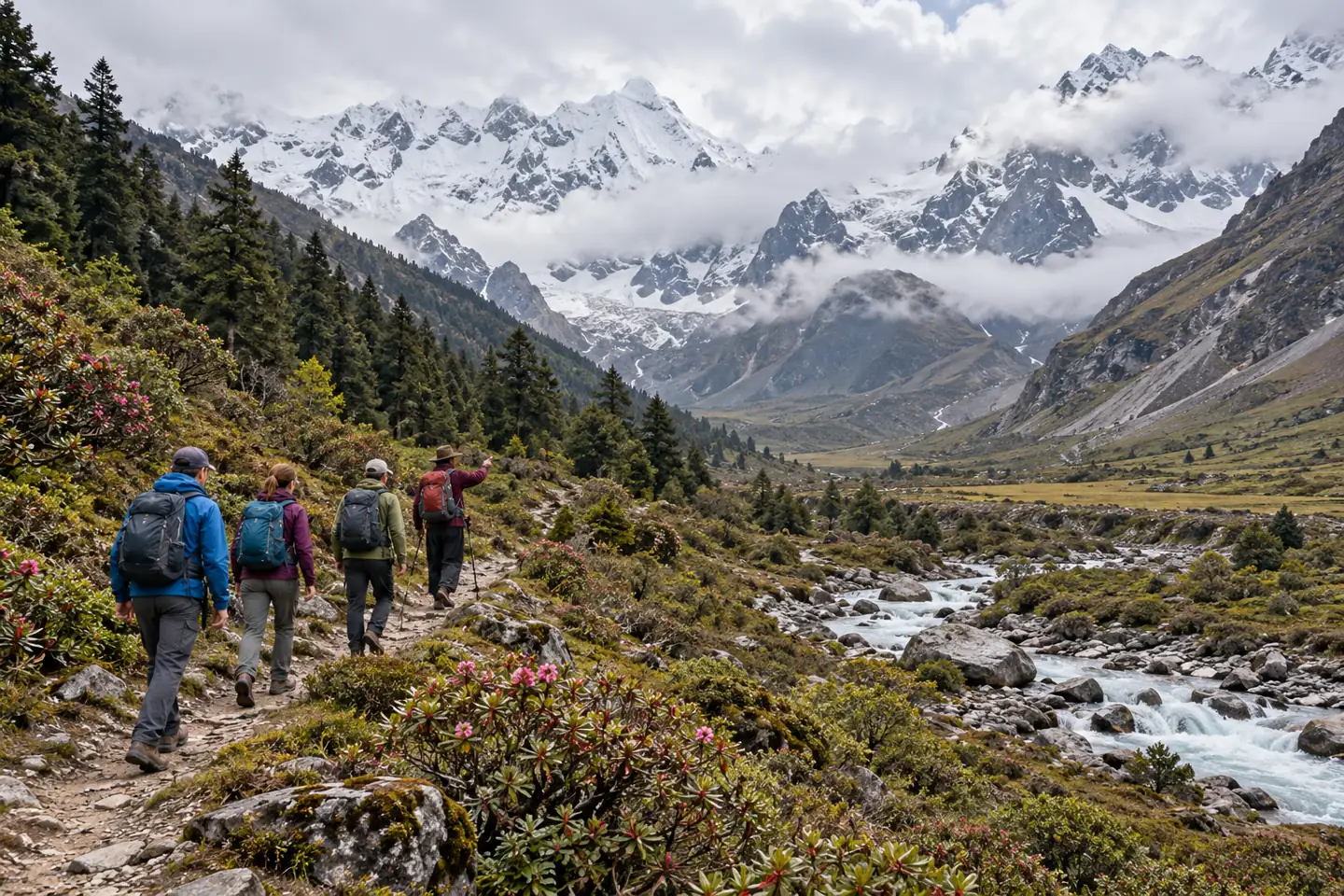
Continue through the wooded and meadow landscapes of Orchid Valley towards Tsonang-tso and the Tangsung area. The scenery changes as the trail gains height and leaves the denser vegetation below. Follow the guide’s chosen route around streams and wet ground before reaching camp.
Overnight: Camp in the Tangsung area
Meals: Breakfast, lunch and dinner
Enter the upper Karma Valley and continue towards the Paltang camp area. The trail includes rough ground and sections where footing needs care. The support team selects a suitable camp according to local conditions, leaving time to rest before the east-face excursion.
Overnight: Camp near Paltang
Meals: Breakfast, lunch and dinner
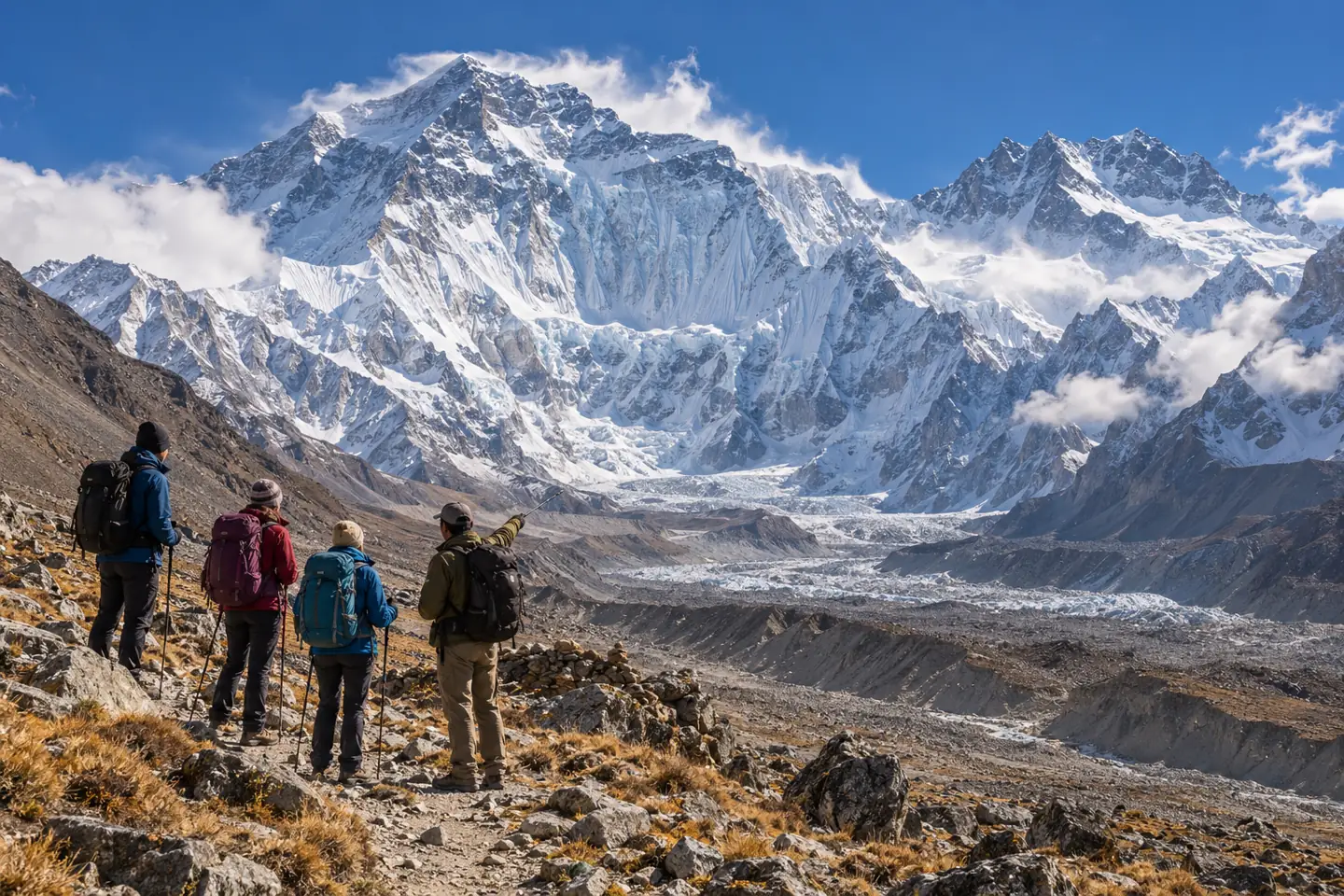
Make an out-and-back excursion towards the Kangshung face viewpoint. Plan for a long day of roughly 18 kilometres, including loose moraine and uneven terrain. The furthest point depends on access, trail conditions, weather and the group’s condition; a shorter walk or rest at camp may be more appropriate. Return to Paltang rather than moving camp.
Overnight: Camp near Paltang
Meals: Breakfast, lunch and dinner
Retrace part of the valley route from Paltang through Patang towards Tangshang. The return still includes sustained walking and changes in elevation. Use the familiar route to enjoy different views of the valley, with regular rest stops and time to recover at camp.
Overnight: Camp near Tangshang
Meals: Breakfast, lunch and dinner
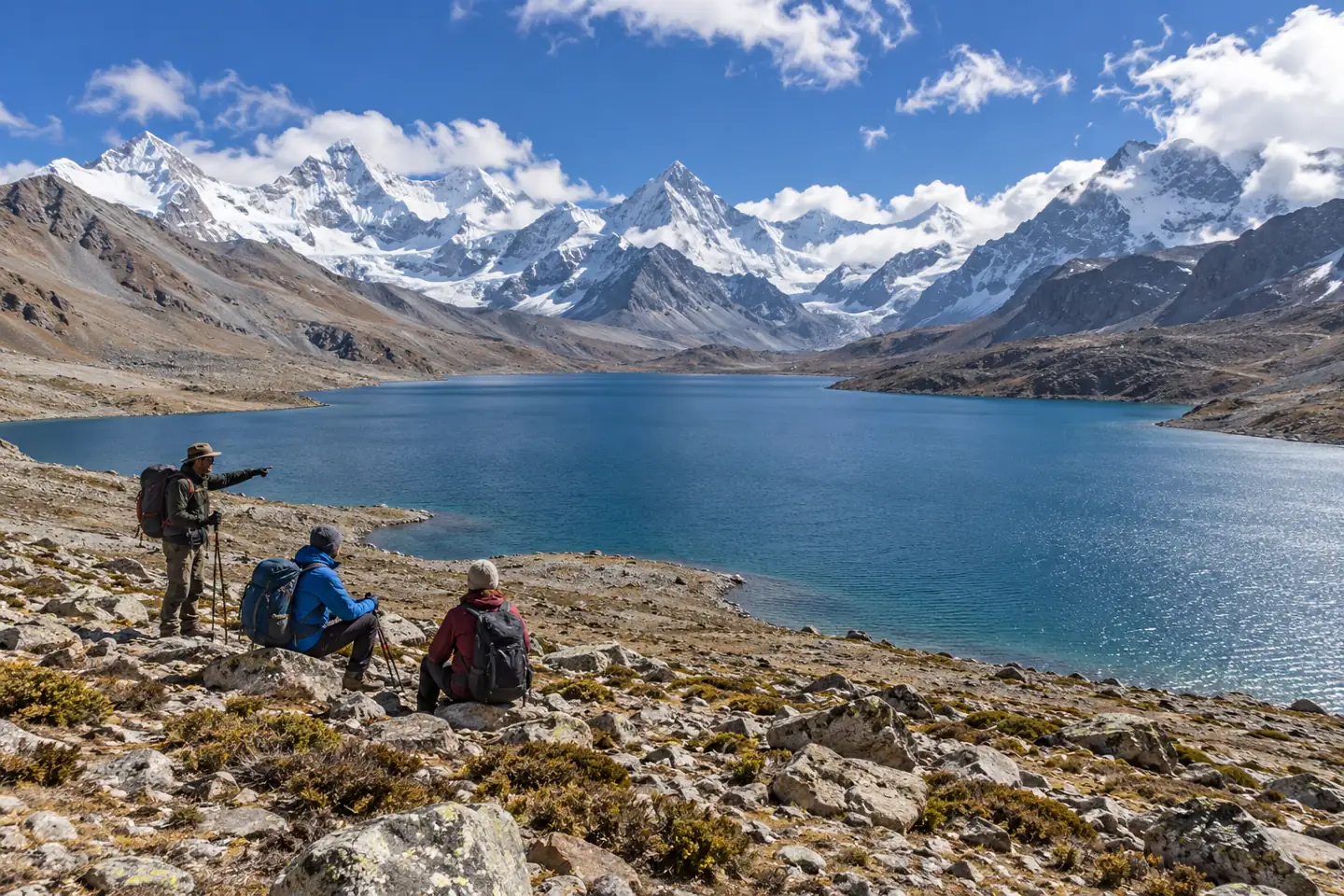
Climb from Tangshang towards the alpine lake area of Tso-shorim. The planned camp is at about 5,000 metres, so walking and camp activities remain deliberately unhurried. The guide assesses weather, the group’s condition and the next day’s high-pass crossing before settling the plan.
Overnight: Camp near Tso-shorim
Meals: Breakfast, lunch and dinner
Cross Nangma La, about 5,344 metres, and descend towards Lhundupling, passing the high lake landscape along the way. This is one of the longest days: plan for roughly 21 kilometres with a substantial descent. An early start and suitable conditions are essential; the guide can change the stage if necessary.
Overnight: Lhundupling village; local accommodation or camp as confirmed
Meals: Breakfast, lunch and dinner
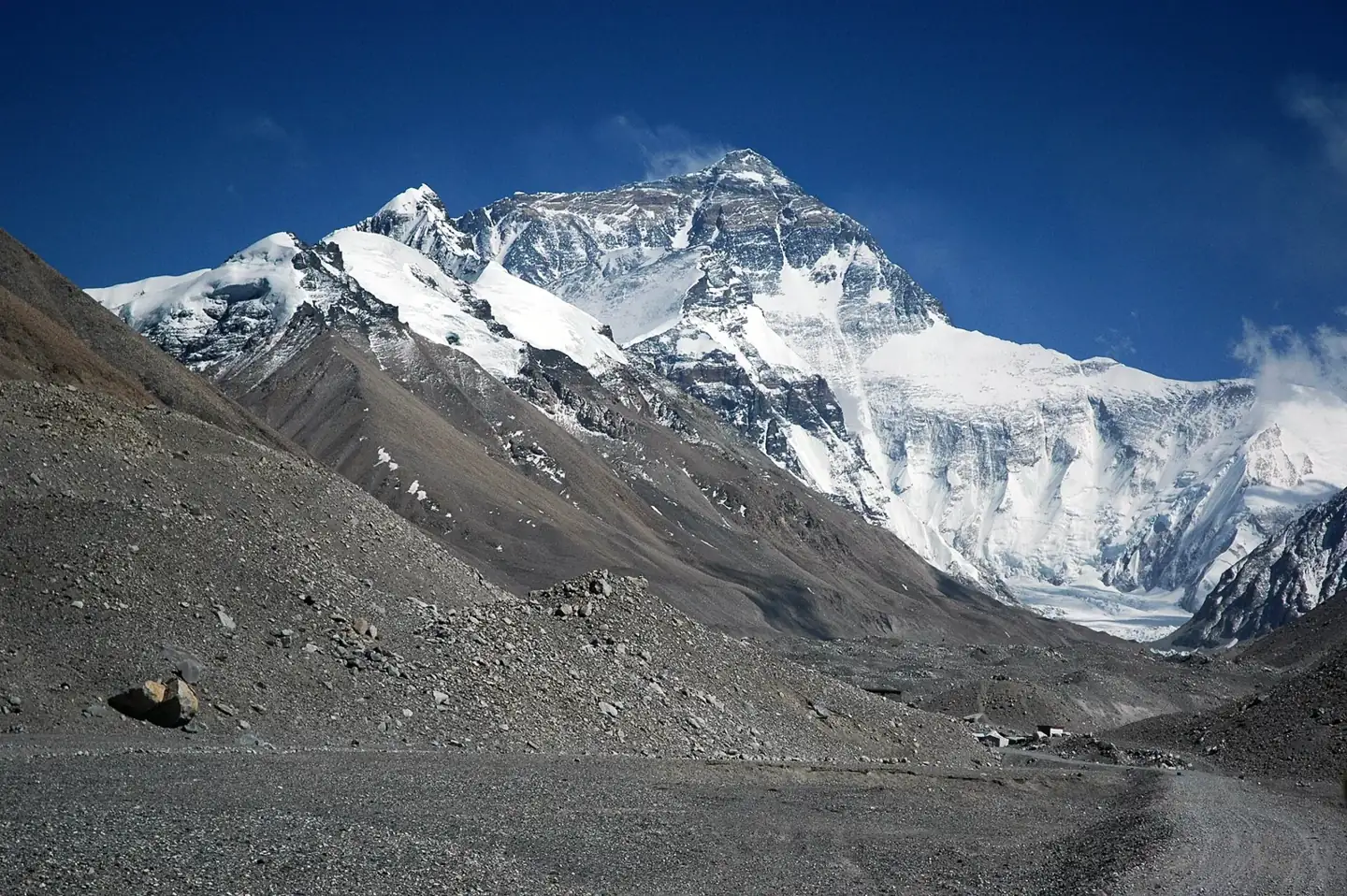
Rejoin the vehicle after the trek and travel via Tashizong towards the permitted Everest Base Camp visitor area on the Rongbuk side. The visit follows current access and shuttle arrangements and does not include entry to climbing camps. Continue to Shigatse for a hotel night after a long driving day.
Overnight: Shigatse
Meals: Breakfast
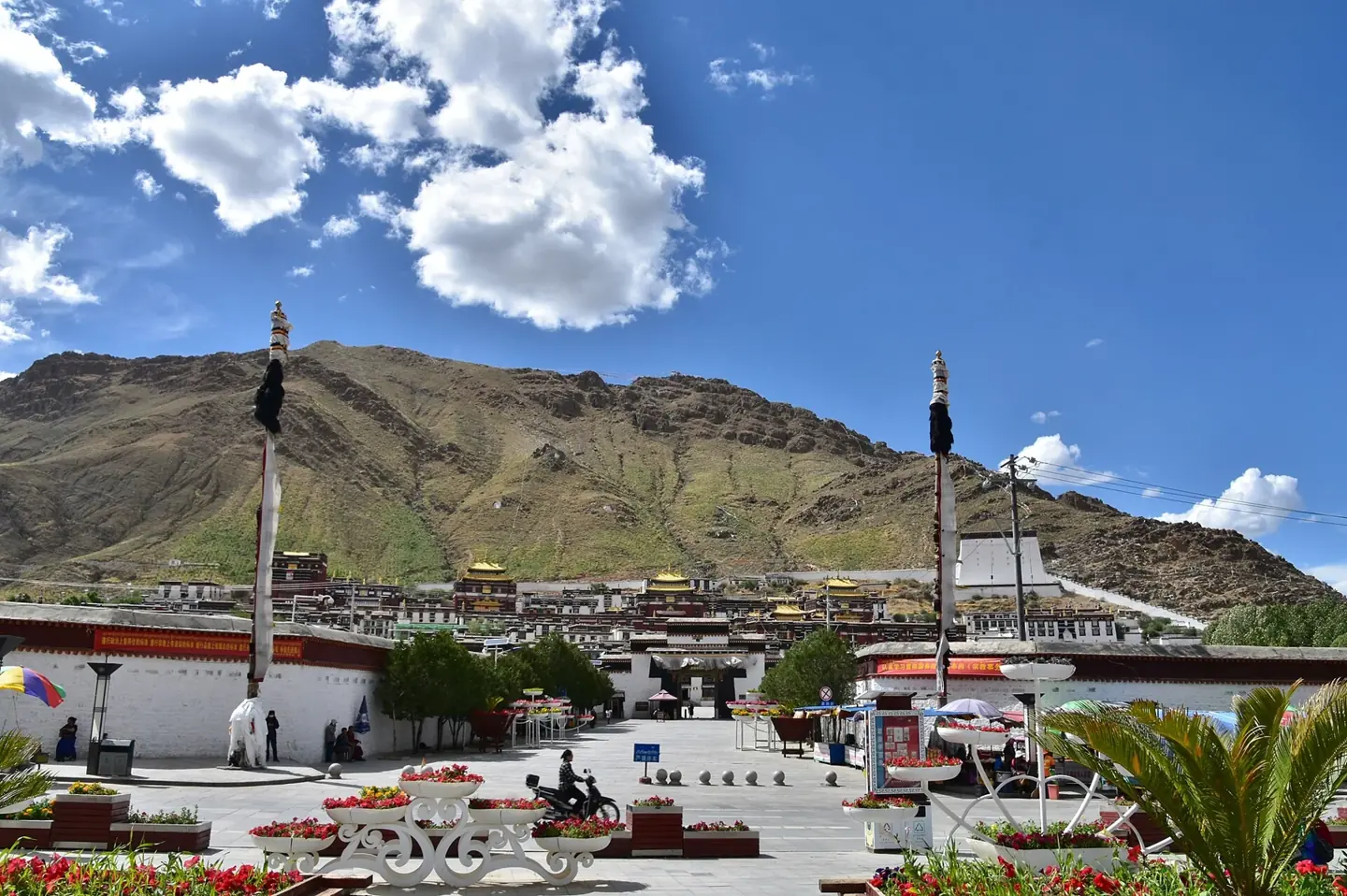
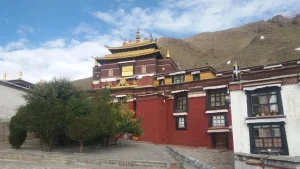
Visit Tashilhunpo Monastery as the day’s opening arrangements permit, then return to Lhasa through the Yarlung Tsangpo valley. Check into the hotel and keep the evening flexible for rest and sorting equipment before the onward journey.
Overnight: Lhasa
Meals: Breakfast
Check out and transfer to Lhasa Airport or railway station for your booked departure. Extra nights, onward transport or changes to the core itinerary can be arranged separately with the travel team.
Overnight: Not included
Meals: Breakfast
What's Included & Excluded
Guiding, transport and travel documents
English-speaking Tibetan local guide, road transport and the airport or railway-station transfers listed in the itinerary, plus assistance with the travel documents and permits for the approved route.
Hotels and supported camps
Accommodation listed in the confirmed itinerary, including hotels in Lhasa and Shigatse and supported stays on the trekking stages. The final quotation identifies the camp plan, Lhundupling arrangements and room basis.
Trekking equipment and support team
Tents, sleeping bags, sleeping mats and trekking poles as listed in the confirmed equipment plan, plus a cook, pack animals, handlers and camp helpers. Personal kit and any equipment preferences should be discussed before booking.
Listed meals and sightseeing
Meals marked in the daily programme, including trekking-stage meals and the welcome dinner, and admission to the listed sightseeing stops under the approved itinerary.
On-route support
Drinking water, first-aid supplies, oxygen and travel accident insurance as specified in the quotation. The issued insurance policy determines the actual cover; remote trekking and evacuation cover must be checked separately.
Flights and trains
International and domestic flights or trains not expressly included in the quotation.
Personal equipment and unlisted expenses
Personal clothing and items outside the confirmed shared-equipment list, unlisted meals, drinks, laundry, gratuities and other personal spending.
Personal trekking and evacuation insurance
Personal medical, high-altitude trekking and evacuation insurance beyond any policy explicitly included in the quotation. Confirm that your own cover applies to this route and its elevations.
Extra days or changed arrangements
Additional acclimatization nights, single-room supplements and any costs arising from requested changes or disrupted travel, unless included in the final booking terms.
Frequently Asked Questions
It is a strenuous trek towards Everest’s eastern Kangshung face, with eight walking days in the core itinerary. It does not climb Everest. The later road visit on Day 13 is to the permitted visitor area on the separate Rongbuk side.
Expect consecutive days on uneven paths, loose rock and exposed high-country terrain, with basic camps and limited services. The route includes camps around 4,650–5,000 metres, Nangma La at about 5,344 metres and a final trekking day of roughly 21 kilometres. Experience, preparation and acclimatization are necessary.
Yes. Discuss additional nights and a staged arrival plan before booking, especially if arriving from low altitude. The 15-day core plan is not a guarantee of adequate acclimatization for every traveller. The guide may adjust or shorten a stage according to conditions and how the group is feeling.
The planned package includes an English-speaking Tibetan guide, a cook, camp helpers and pack-animal support. The quotation confirms staff, group size, equipment and luggage arrangements. Pack animals carry the agreed loads; walkers still carry their day essentials.
No. Route permissions, weather, river conditions, trail damage and the group’s condition can alter camps, walking distances or the furthest point of the east-face excursion. The support team confirms the working plan before and during the trek.
Send your proposed dates, nationality, party size, trekking experience and arrival plan. The team checks access, documents and local support before issuing the itinerary, price, payment terms and cancellation conditions. This page does not promise a fixed scheduled departure.